



Victorian Illustration Prints
These Victorian illustration prints capture nineteenth-century natural history, architecture, and satire through ink, watercolour, and lithography on paper.
Victorian Illustration Prints
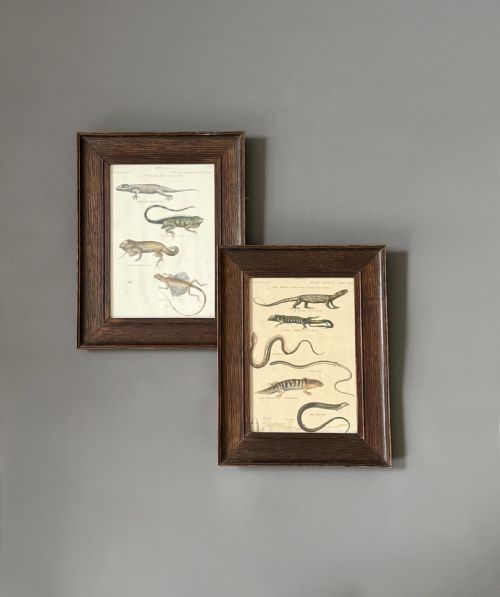
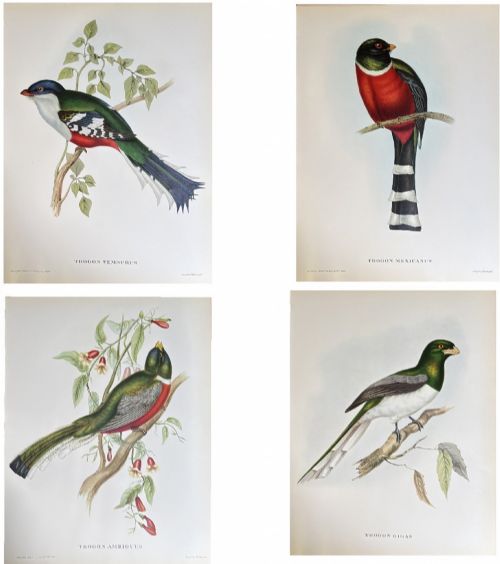
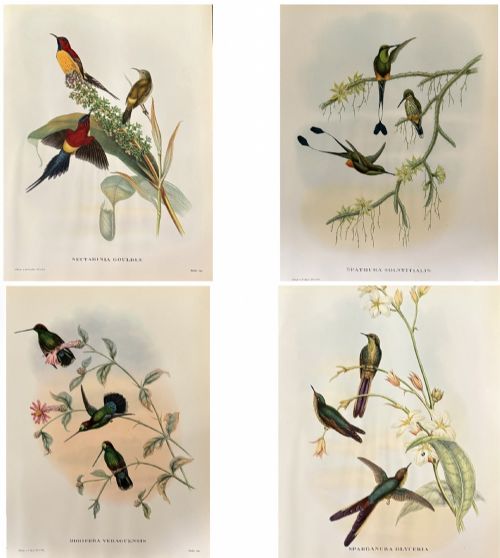
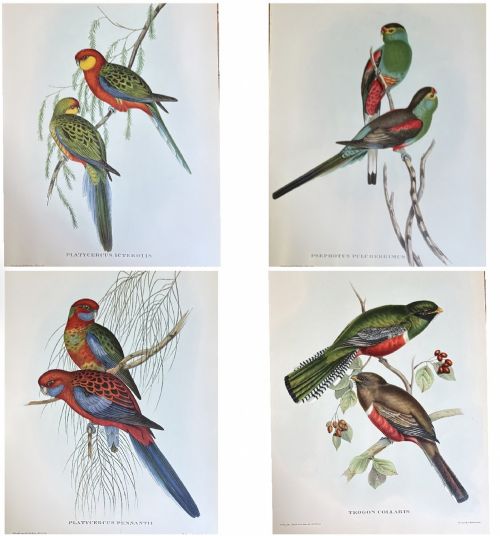
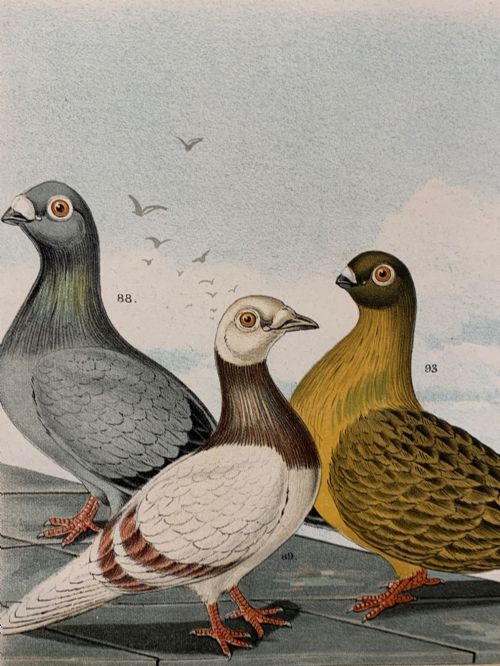
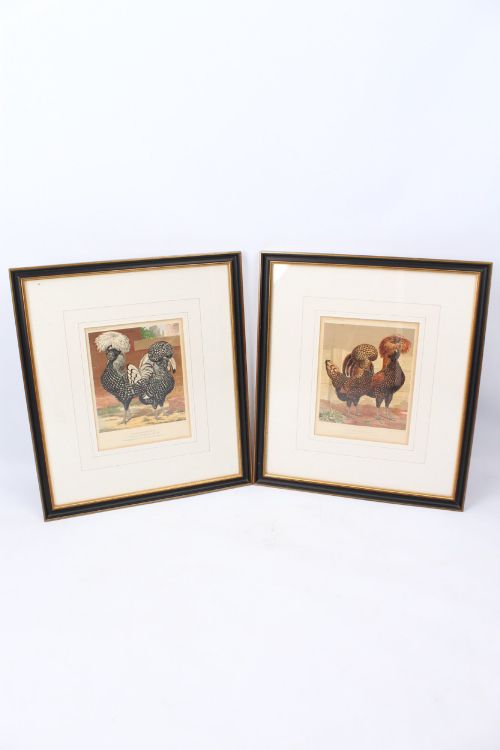
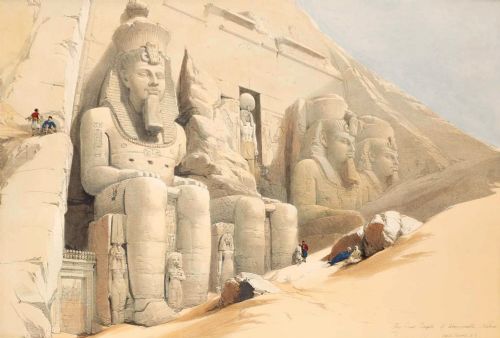
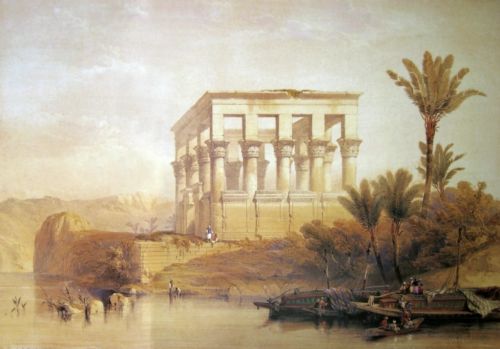
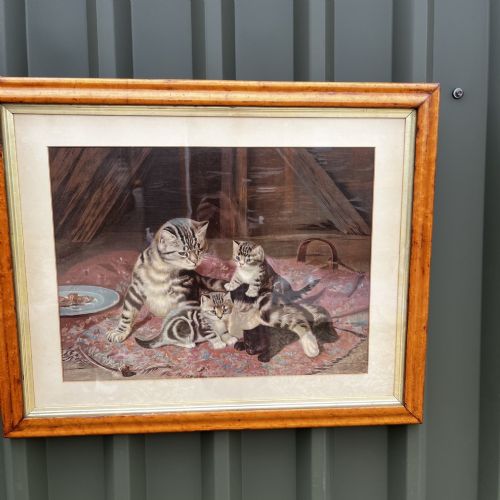
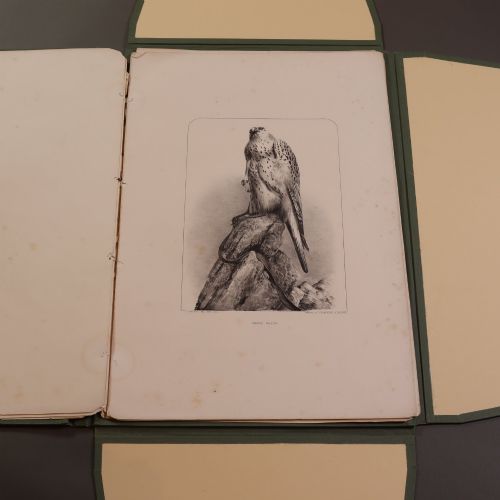
Victorian illustration prints encompass a wide variety of works on paper produced during the nineteenth century, ranging from scientific natural history studies to satirical character portraits. Buyers searching for victorian illustration prints encounter framed and unframed works depicting birds, reptiles, botanical specimens, and architectural subjects.
The selection includes hand-coloured engravings, lithographs, and chromolithographs originating from publications and independent series. Many examples reflect specific nineteenth-century interests, such as ornithology, conchology, and contemporary political life.
How they were made
Makers utilised paper as the primary support, applying ink through engraving, wood engraving, or lithographic printing processes. Many plates received subsequent hand-colouring in watercolour to enhance botanical and zoological details.
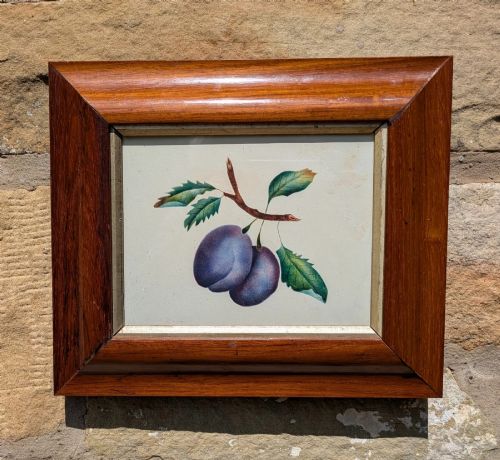
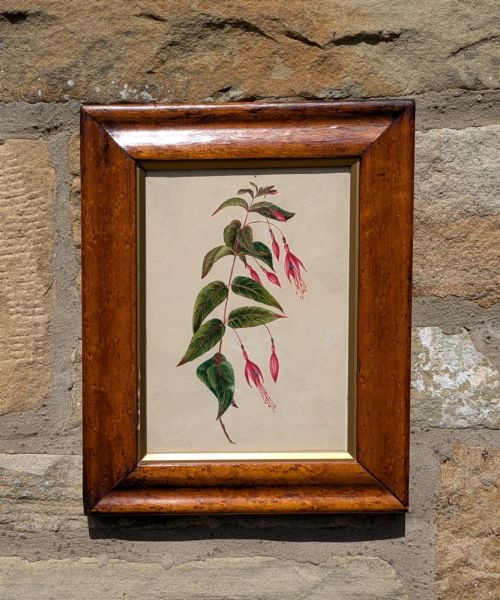
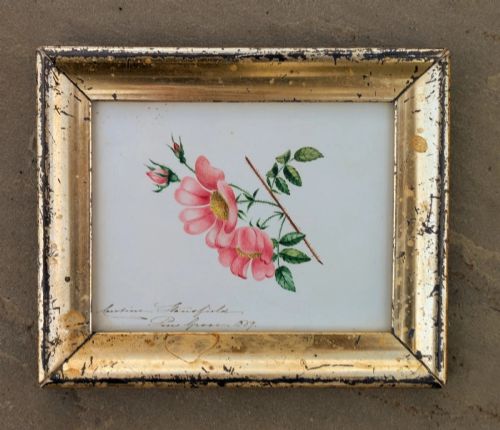
Finished works often appear mounted in wood, giltwood, or ebonised frames, sometimes complemented by glass protection and gold leaf accents.
The selection includes botanical watercolours alongside mechanical and architectural drawings.
What varies in quality
Quality rests primarily in the crispness of the original impression and the precision of any applied hand-colouring. Sharp lines in the underlying engraving indicate a plate in good condition before wear accumulates.
The vibrancy of the pigments and the preservation of the paper stock distinguish finer plates from standard examples. Original framing materials, such as period rosewood or giltwood mounts, also contribute to the character of a piece.
William Bird MD FLS·John Hancock·Horatio Henry Couldrey·Jonathan Couch·Adolphe Pannemaker·W & A K Johnston
The Victorian Illustration Prints Glossary
- Chromolithography
- A planographic printing method that uses multiple stones or plates to apply several distinct colours to paper. This technique created rich, multi-coloured images without requiring individual hand-tinting.
- Lithography
- A printing process based on the mutual repulsion of oil and water upon a flat stone or metal plate. Artists drew directly onto the surface to produce smooth tonal gradations.
- Engraving
- A technique where an artist cuts lines into a metal plate with a sharp tool to hold ink. The resulting impressions show high linear precision and detail.
- Watercolour
- A paint medium consisting of water-soluble pigments applied to paper. It frequently served as a transparent wash over printed outlines.
- Giltwood
- Wood carved and coated with gold leaf or a gold-coloured finish. It provides a reflective border for framed works on paper.
Victorian Illustration Prints: Frequently Asked Questions
What subjects appear in these prints?
The subjects range from natural history studies of birds, reptiles, and shells to architectural plans and satirical magazine plates.
Many sheets record specific scientific observations or contemporary cultural scenes of the nineteenth century.
Are these prints originals?
The listings comprise original nineteenth-century plates, drawings, and lithographs produced during the periods noted.
They derive from period publications, botanical series, and independent artistic works rather than modern photographic reproductions.
How should I frame paper prints?
Framing should incorporate acid-free mounts and conservation glass to protect delicate paper stocks and watercolours from light damage.
Period frames require careful assessment to ensure the internal rebate safely accommodates the sheet without pressure.
How do I identify a lithograph from an engraving?
Engravings display indented plate marks around the image where the metal press squeezed the damp paper.
Lithographs lack this distinct plate mark and rely on smooth tonal transitions formed by grease-receptive drawing inks.