



Victorian Hunting Art
Step closer and take in the vigour of victorian hunting art, where hounds, horses and game come to life on canvas and wood.
Victorian Hunting Art
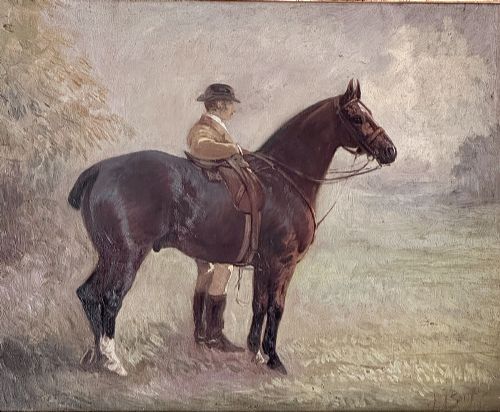
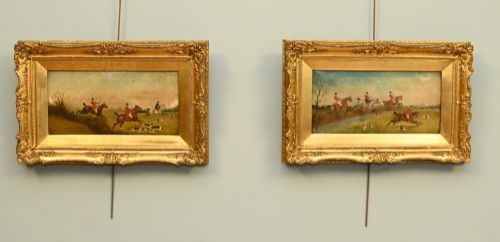
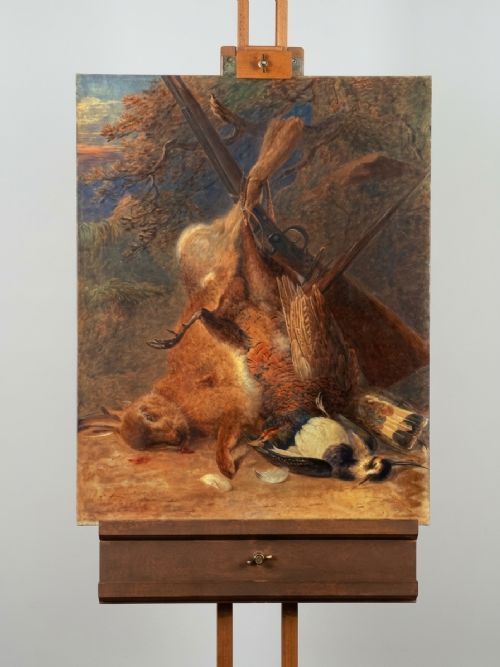
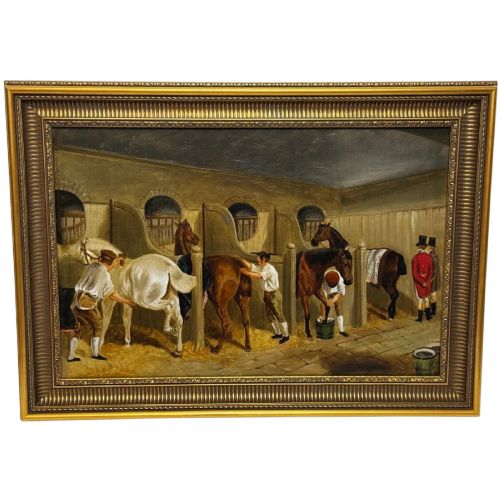
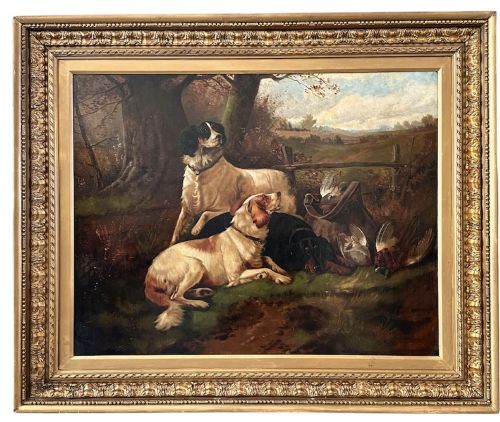
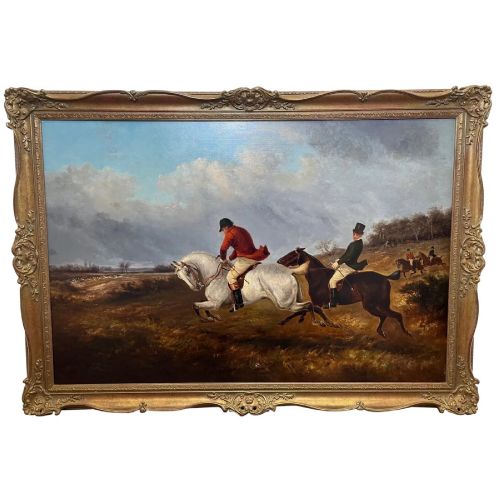
Victorian hunting art captures the dynamic energy of nineteenth-century field sports through oil paintings, watercolours, and framed prints. You are looking at a rich tradition of equestrian portraits, hound studies, and game still lifes.
The pieces you will most likely meet on this page span the mid to late nineteenth century, created during an era deeply enamoured with country pursuits and rural wildlife.
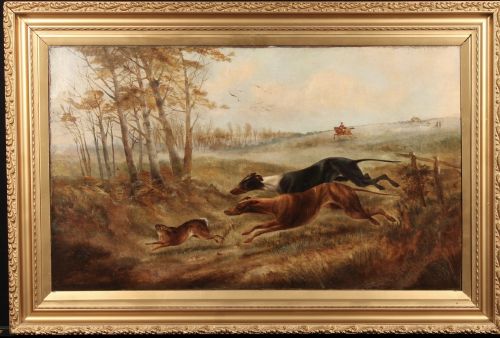
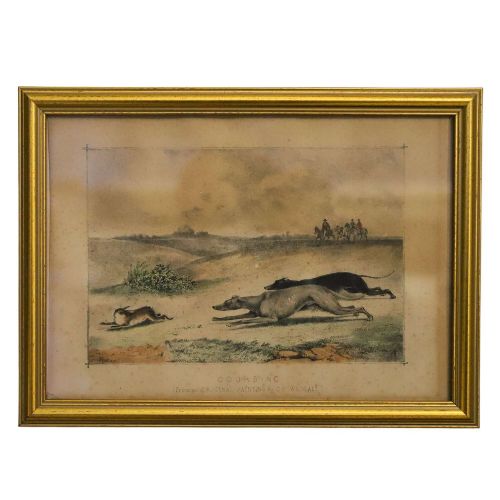
Works range from intimate watercolours of hares to large oil paintings depicting packs of hounds and riders meeting in winter landscapes.
Materials and technique
Artists relied primarily on oil paint applied to canvas or wood panels, building rich textures for animal coats and moody landscapes. Watercolours and bodycolour on paper offered a lighter touch for detailed studies of game and birds.
Frames played an essential role, with gilt wood and giltwood mouldings providing a heavy, decorative boundary that elevated the status of these sporting scenes.
Victorian Hunting Art Retail Price Guide 2026
Typical asking prices for victorian hunting art among the pieces listed under this phrase on Sellingantiques today, from the lower quarter to the upper quarter. They describe what is for sale here now, not the wider market.
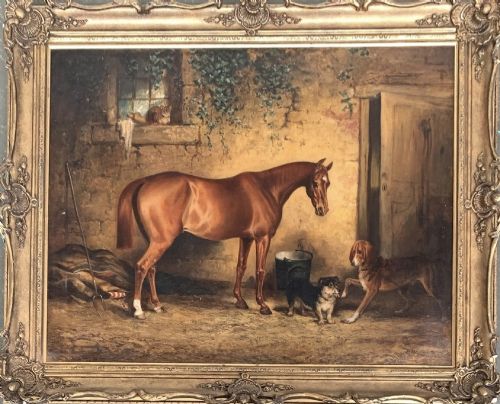
Watch closely for Jack Russell terriers glowering at trapped rats while hounds look on with immense professional dignity.
Judging the work
The distinction between ordinary and exceptional pieces lies in the anatomical accuracy of the animals and the vitality of the brushwork. A superior hand captures the tension in a hunting dog's stance or the glossy muscle of a hunter horse with convincing depth.
Compositional balance and the handling of natural light separate standard decorative works from exhibition-standard paintings that command attention across a room.
Henry Barraud·George Sydney Shepherd·George Armfield·Thomas Smythe·John Sargent Noble·Charles Hunt·Sir Edwin Henry Landseer·Edgar Hunt·C. H. Weigall·John Frederick Herring Senior·Benjamin Blake·John Arthur Lomax·Arthur Wardle·Basil Nightingale·Colin Graeme Roe·Charles Faulkner·Fannie Moody·John Frederick Herring Jnr·Paul Jones·John Charles Tunnard·Jules Chardigny
The Victorian Hunting Art Glossary
- Oil on canvas
- Pigments bound in drying oil applied to a stretched woven fabric support. This surface allowed artists to achieve rich colour saturation and subtle blending.
- Bodycolour
- Watercolour mixed with a white pigment to make it opaque. This technique adds dense highlights and solidity to painted game and plumage.
- Lithograph
- A print made from a flat stone or metal plate treated to retain ink only where required. It enabled mass production of popular sporting images.
- Reverse glass painting
- An artwork created by applying paint to the back of a pane of glass and viewing it from the front. The resulting surface possesses a brilliant, reflective sheen.
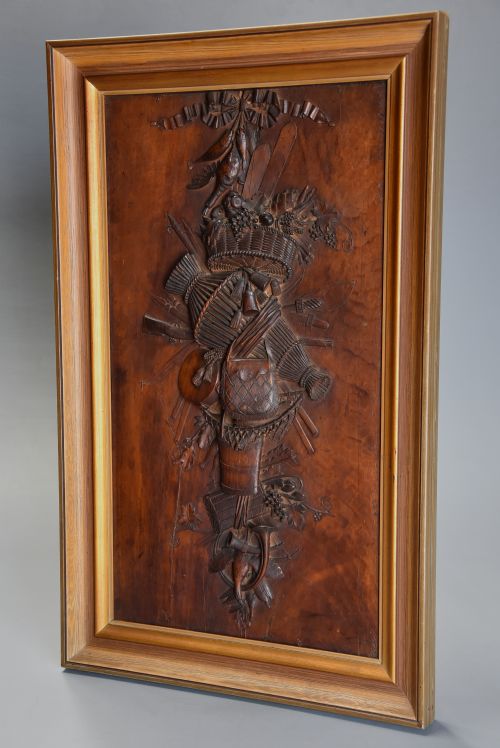
- Trophy carving
- Three-dimensional woodwork depicting game, horns, or sporting paraphernalia. These pieces decorated highland lodges and country houses.
Victorian Hunting Art: Frequently Asked Questions
What subjects appear most often?
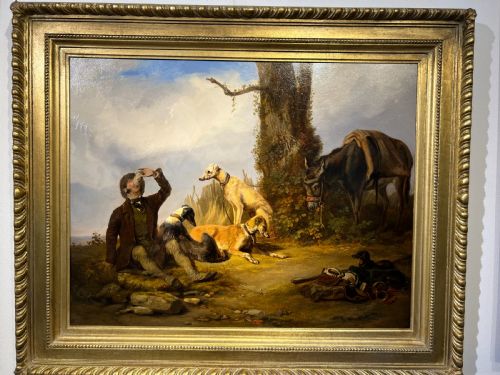
Fox hunting scenes, gun dogs with game, and individual portraits of horses dominate these historical works. Artists recorded the specific animals owned by landed gentry and the dramatic moments of the chase.
Beyond horses and hounds, you will frequently find hares, game birds, and territorial terriers painted with remarkable anatomical precision.
How do I care for these paintings?
Keep oil paintings and works on paper away from direct sunlight to prevent the fading of pigments and the yellowing of old varnish. Maintain stable room temperatures to avoid canvas tension issues or wood splitting.
Dust gilt frames gently with a soft, dry brush and avoid using liquid cleaners on antique wooden or canvas surfaces.
Are these works signed by the artists?
Many pieces bear the signature or monogram of the painter, often tucked neatly into the lower corner of the canvas or paper. Some significant works remain unattributed but display distinct technical mastery characteristic of period practitioners.
Signatures provide a direct link to the Victorian sporting art community, though unsigned works from the era often match them in skill.
Where were these pieces originally displayed?
Original owners hung these artworks in country houses, estate libraries, and highland hunting lodges. They served as proud testaments to family sporting achievements and rural property.
Today, they transition easily into modern country interiors, studies, and hallways seeking traditional character.