



Victorian Hearth Box
A victorian hearth box is a fireside storage container that keeps fuel tidy and brings polished metal or timber warmth to the fireplace.
Victorian Hearth Box
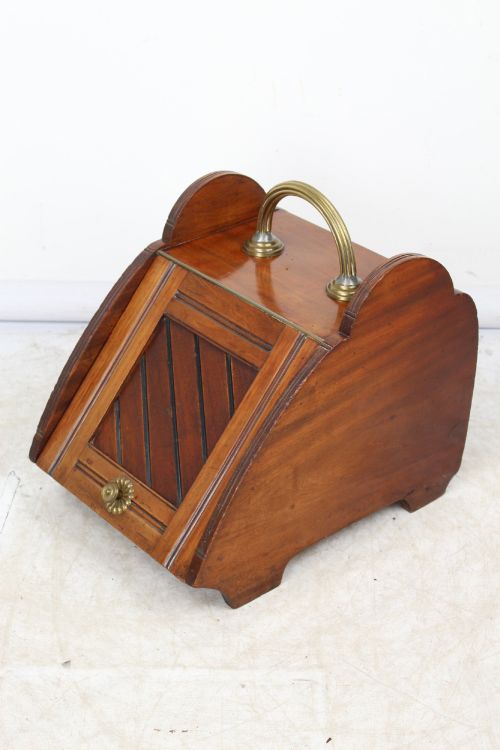
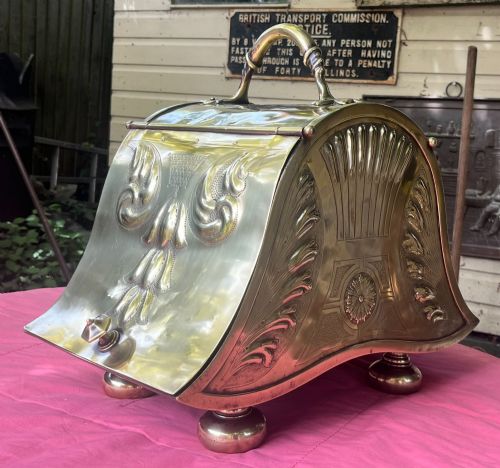
A victorian hearth box serves to store coal, logs, and fuel neatly beside the fireplace while adding decorative character to the room. The selection spans distinct forms including traditional coal scuttles, helmet buckets, purdoniums, and timber log bins.
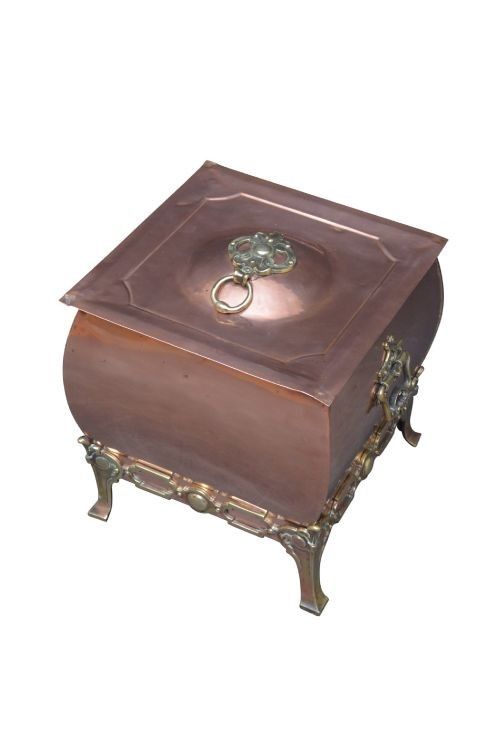
Makers and designers embraced various stylistic movements, producing items influenced by Arts and Crafts, Art Nouveau, and Aesthetic principles. Buyers encounter everything from rustic pine and iron-banded country bins to inlaid rosewood boxes and heavy industrial brass coal buckets.
Materials and construction
Makers utilised durable hardwoods such as oak, walnut, mahogany, and pine, frequently pairing timber bodies with sturdy brass and iron hardware. Metal elements included heavy sheet brass, cast iron, and beaten copper, selected for their ability to withstand daily handling and heavy fuel loads.
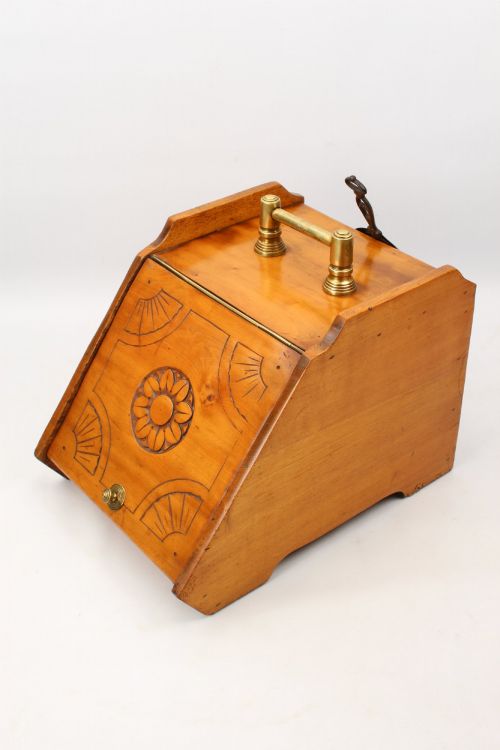
Construction methods combined traditional cabinetmaking for wooden boxes - often featuring decorative carving or marquetry inlay - with blacksmithing and panel-beating for metal scuttles and helmets. Internal metal liners were incorporated to protect the wood or surrounding floor from soot, moisture, and dust.
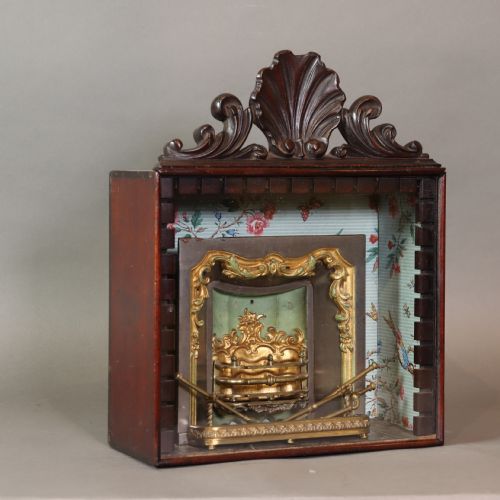
Miniature salesman samples let travelling reps pitch heavy coal scuttles without straining their backs.
Judgements of quality
Quality rests upon the integrity of the materials, the crispness of any carving or metalwork, and the retention of original components such as metal liners and matching shovels. Better examples show careful joinery in the timber bodies and substantial gauge metal in the brass and copper vessels.
Design distinction also separates standard utility items from finer examples, such as those displaying intricate floral inlay, well-executed Art Nouveau motifs, or attribution to notable metalwork firms like Benham and Froud. The presence of original operational hinges, drop handles, and functional metamorphic tipping mechanisms adds further merit.
BENHAM AND FROUD·Henry Loveridge
The Victorian Hearth Box Glossary
- Purdonium
- A specific type of coal box featuring a sloping drop-down front door and an internal shovel compartment. This enclosed design kept coal dust contained far better than an open bucket.
- Coal Scuttle
- A deep container designed for carrying and storing coal to feed the fire. They typically feature a large carrying handle overhead and a smaller handle at the back for tipping.
- Log Bin
- A capacious storage container built to hold firewood rather than loose coal. These are frequently fashioned from sturdy oak, pine, or iron-banded timber.
- Helmet Bucket
- A metal coal bucket shaped with a flared rim resembling a traditional helmet. This profile allowed fuel to be poured cleanly onto the flames.
- Aesthetic Period
- A late nineteenth-century design movement focusing on visual beauty rather than narrative meaning. Pieces from this era often display refined Japanese-inspired motifs or clean structural lines.
Victorian Hearth Box: Frequently Asked Questions
What is a purdonium?
A purdonium is an enclosed wooden coal box featuring a slanted drop-down front door. It usually houses a removable metal liner and a dedicated slot for a coal shovel.
This form became popular in late Victorian and Edwardian homes for keeping coal tidy and out of sight beside the fireplace.
Did these boxes come with shovels?
Many listings include an original matching shovel or scoop designed to complement the box or scuttle. These implements allowed occupants to transfer fuel cleanly.
Finding a piece with its original shovel and metal liner remains a significant bonus for collectors.
How do I use one today?
These boxes function well beside modern wood-burning stoves or open fireplaces to store logs, kindling, or coal. They also adapt easily to holding magazines, blankets, or toys in living spaces.
The internal metal liners protect wooden structures from debris and moisture when storing actual fuel.
How do I tell styles apart?
Victorian pieces often lean towards heavy carved timber, brass helmet buckets, or inlaid rosewood decoration. Arts and Crafts and Art Nouveau examples show hand-beaten copper surfaces, organic plant motifs, and simpler structural forms.
Edwardian items frequently include oak purdoniums alongside bright polished brass bins.