




Victorian Hat Stand Oak
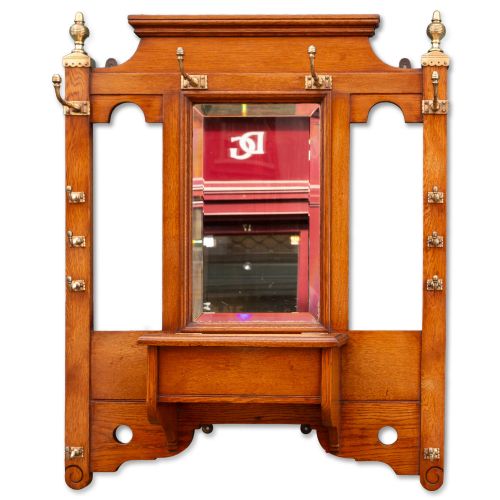
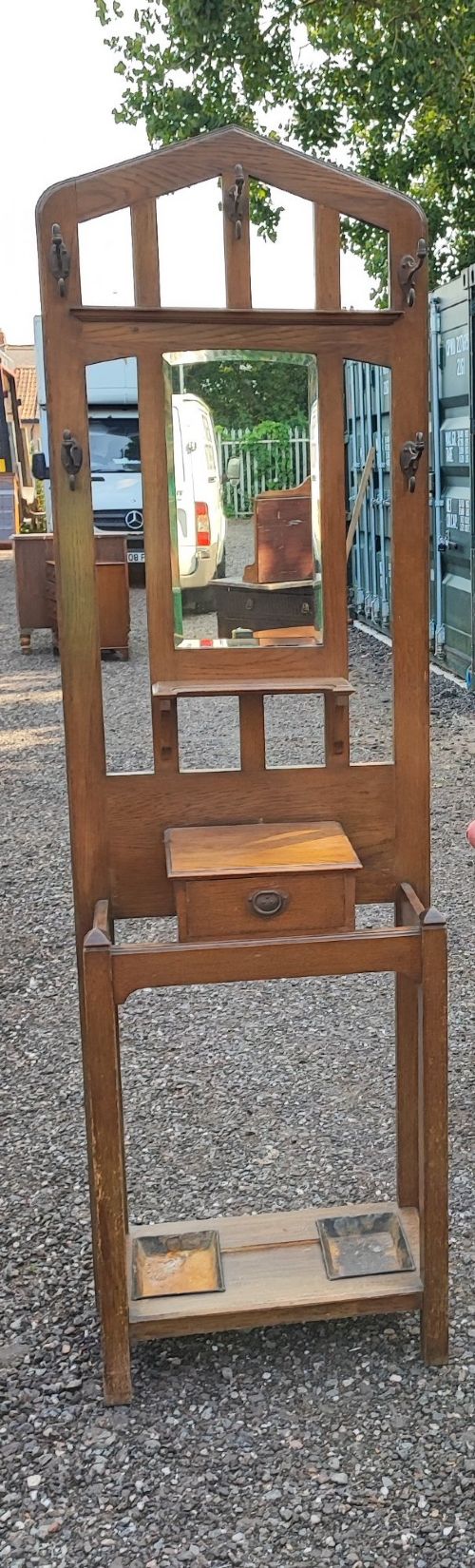
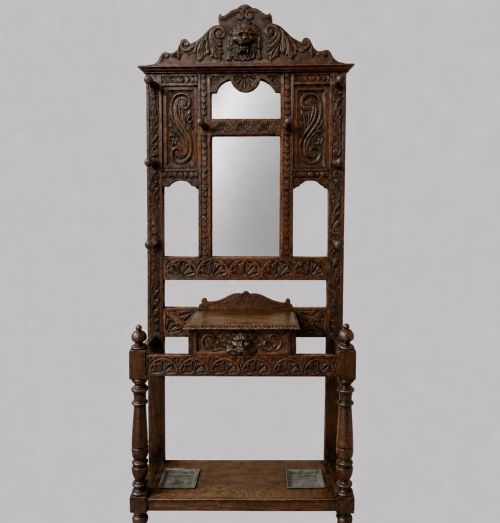
A victorian hat stand oak organises the hallway with robust timber and carved detail, offering both a coat hook and a practical mirror.
Victorian Hat Stand Oak
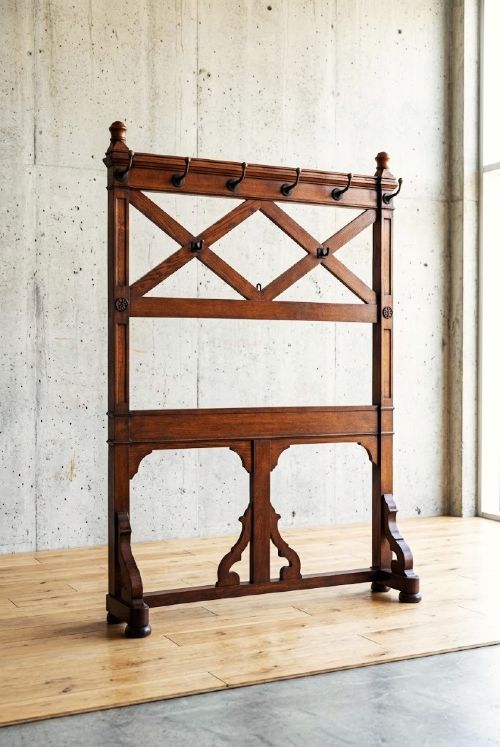
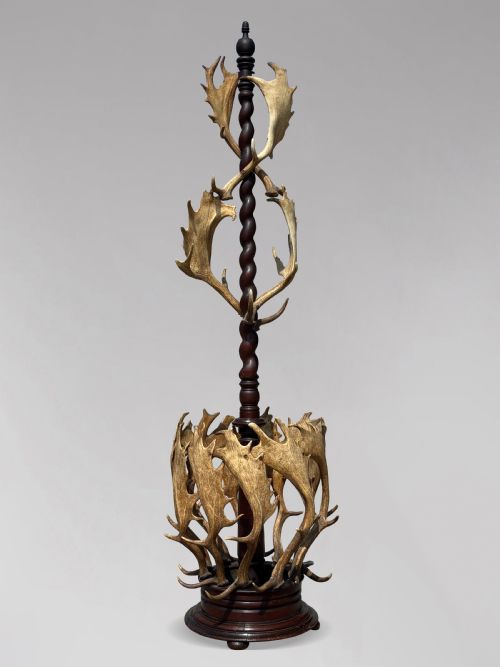
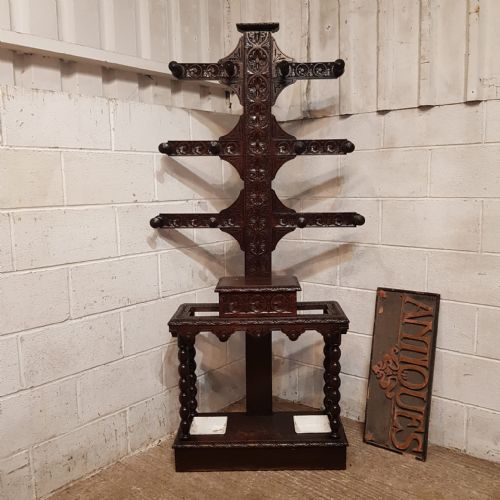
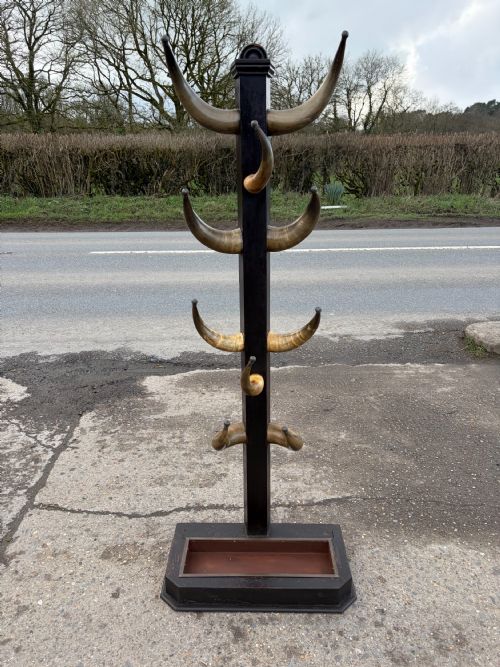
The pieces span from the mid-nineteenth century through the Edwardian period, encompassing styles such as Gothic Revival, Black Forest, and Country House. Forms range from narrow hall stands to large, heavily carved Flemish designs and tree-form coat stands utilising natural horns.
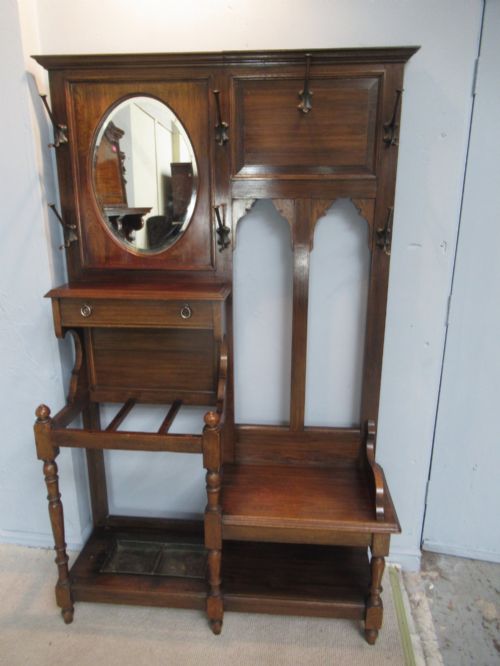
Makers and retailers like J. Parker of Woodstock, Fischel, and William Whiteley produced variations that incorporated brass hooks, iron drip pans, and glass elements. These items reflect the domestic priorities of the period, providing an impressive and functional greeting point for visitors.
What varies in quality
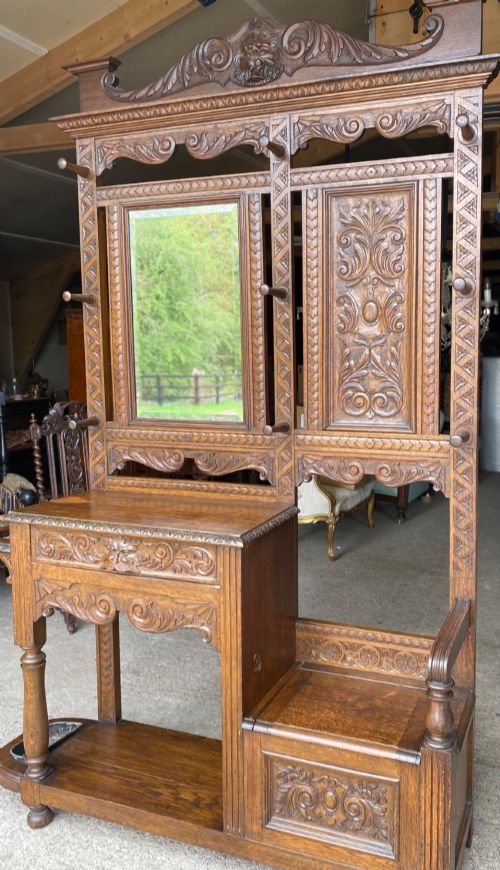
The depth and crispness of the wood carving distinguish standard production from exceptional work, particularly on panels depicting Greenman faces or intricate foliage. Finer examples display meticulous attention to detail in secondary woods, solid brass fittings, and well-executed joinery.
Proportion and scale dictate the visual impact, ranging from narrow, restrained formats to large, impressive architectural structures with extensive mirror work and multiple tiers for hats and umbrellas. The integration of unusual natural materials like stag horn or specific regional styling elevates the character of individual pieces.
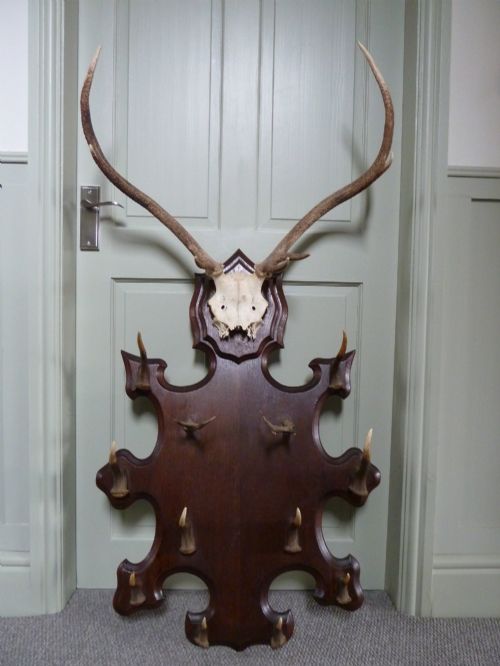
Several stands incorporate actual cow and stag horns as coat hooks, bringing an unexpected touch of the wilderness directly into the hallway.
J. Parker of Woodstock·Fischel·William Whiteley
The Victorian Hat Stand Oak Glossary
- Hallstand
- A piece of entrance furniture combining coat hooks, a mirror, and umbrella storage. It stands against an entryway wall to receive outdoor wear.
- Greenman
- A sculptural motif of a face surrounded by or entwined from leaves and vines. This decorative carving appears frequently on nineteenth-century oak furniture.
- Drip pan
- A metal tray placed at the base of a stand to catch water from wet umbrellas and walking sticks. These are often removable for easy emptying.
- Gothic Revival
- An architectural and decorative style drawing inspiration from medieval forms. Pieces in this style utilise pointed arches, heavy mouldings, and structural vigor.
Victorian Hat Stand Oak: Frequently Asked Questions
Where should I place a hall stand?
Position your stand in an entrance hall or porch where guests naturally deposit coats and hats upon entry.
Ensure there is adequate clearance around the piece for hanging garments and retrieving items from lower umbrella compartments.
How do I maintain oak hall furniture?
Dust the carved surfaces regularly with a dry cloth and apply a quality beeswax periodically to nourish the timber.
Avoid placing the piece in direct sunlight or near heat sources to prevent the solid oak from drying out and cracking.
What is a Black Forest stand?
This descriptor refers to heavily carved woodwork originating from the Swiss region, often featuring animal subjects like deer, foxes, or eagles.
These pieces frequently incorporate actual antlers or horns into the framework alongside meticulously carved timber foliage.
How do I date a Victorian piece?
Examine the construction methods, such as the type of screw heads, saw marks on the timber, and the style of the mirror bevelling.
Mid-century examples often display Gothic Revival influences, while late nineteenth-century items favour golden oak and Greenman carvings.