



Victorian Hanging Light
A victorian hanging light brings the warm, deliberate illumination of the nineteenth century into a modern ceiling space with genuine character.
Victorian Hanging Light
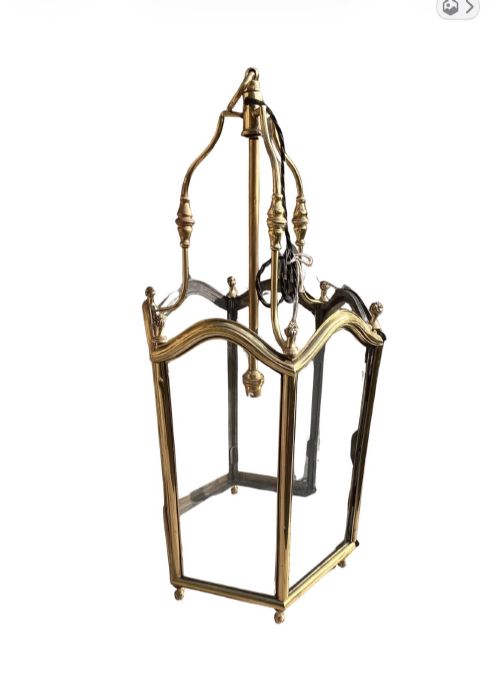
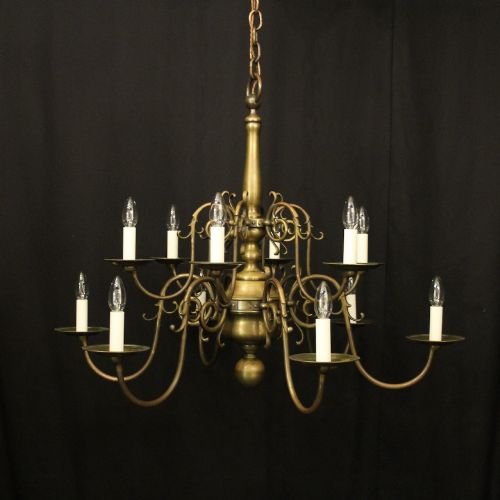
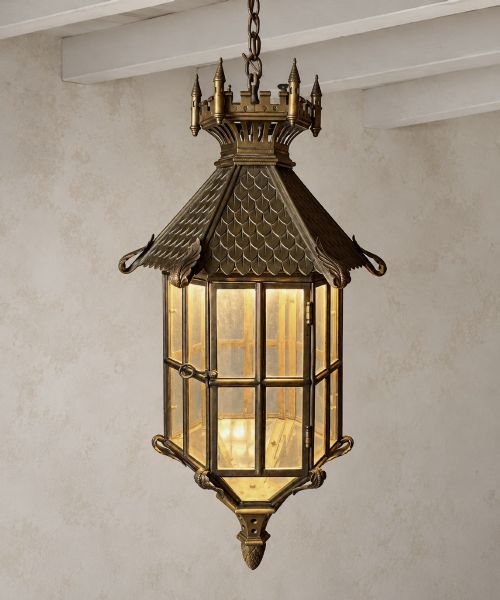
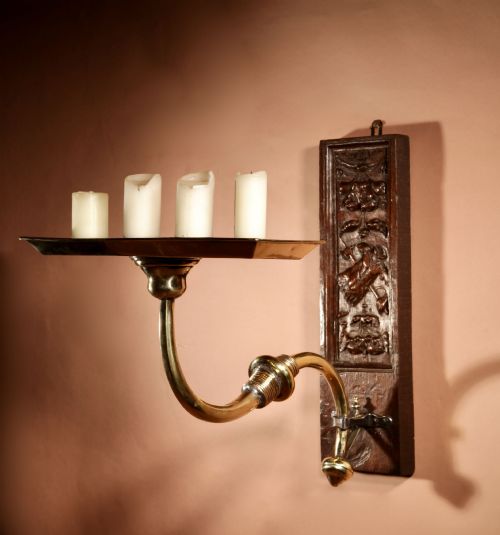
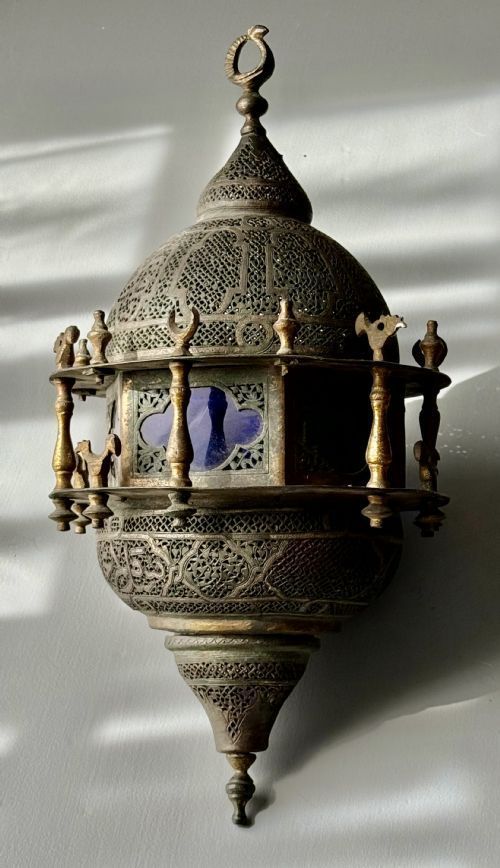
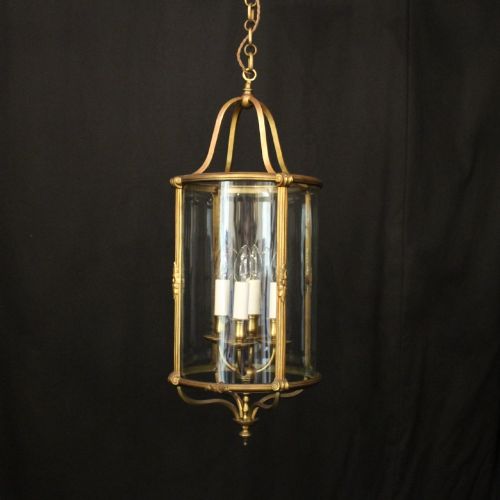
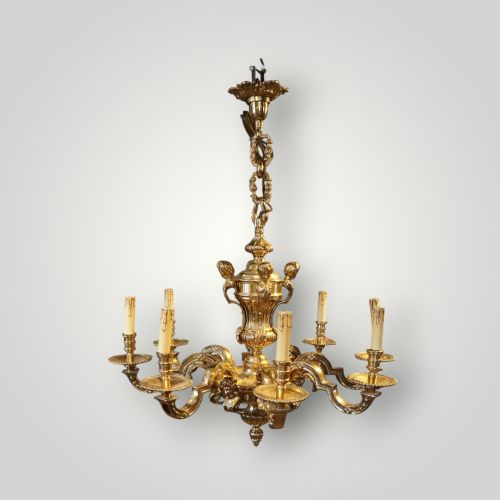
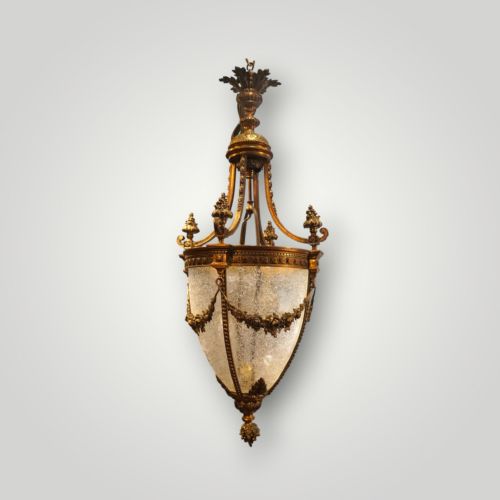
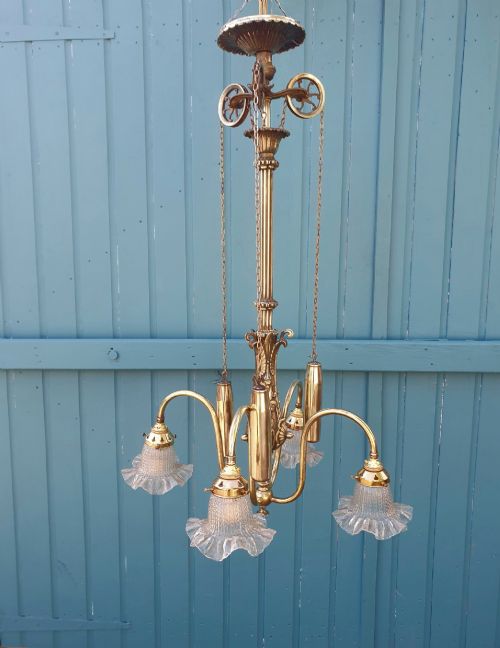
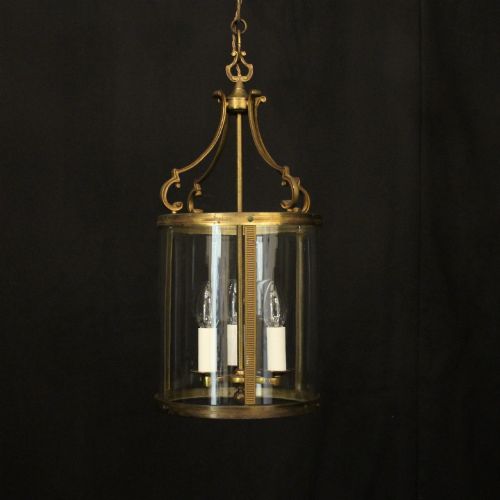
When you search for a victorian hanging light, you encounter a variety of ceiling fixtures designed to illuminate hallways, corridors, and principal rooms during the nineteenth century and the Edwardian era. These pieces range from substantial brass and bronze hall lanterns to delicate glass pendant lights and multi-branched chandeliers.
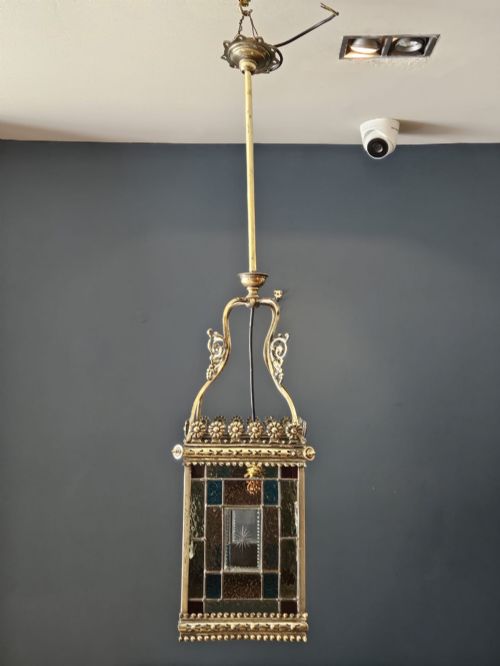
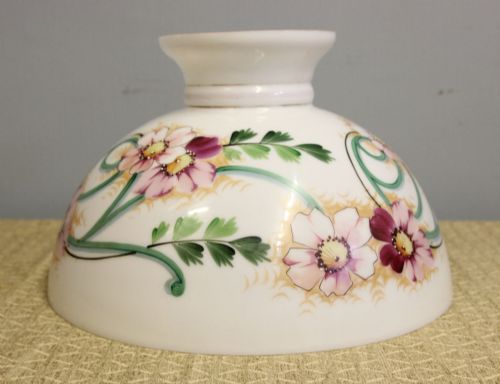
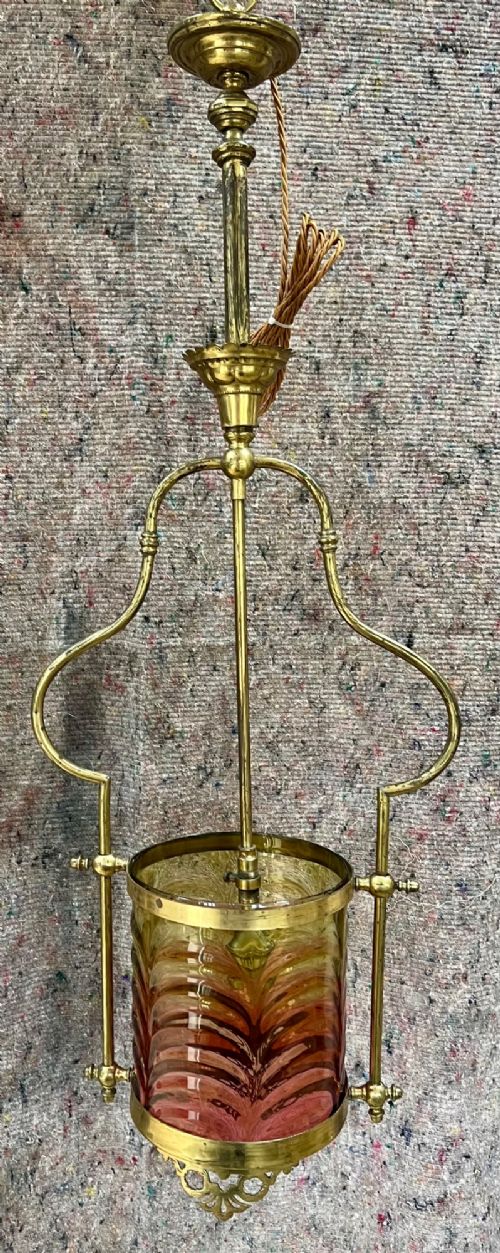
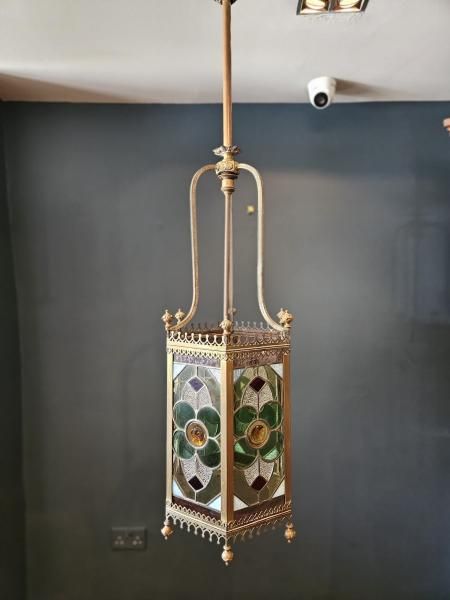
The versions you meet most frequently on this page include brass-framed leaded glass lanterns, opaline and cranberry glass shades, and robust bronze frames often associated with Gothic Revival or Rococo tastes. They reflect the lighting technologies of their day, transitioning from candles and paraffin oil to early electrical systems.
Materials and construction
Makers utilised durable metals such as brass, bronze, copper, and wrought iron to construct the structural frames and lanterns, frequently employing casting, piercing, and gilding techniques to achieve decorative richness. These metallic elements provide both structural integrity and period style, from simple industrial copper to ornate gilded bronze.
Glass forms an essential component of these fixtures, utilising techniques like leaded glass panels, stained glass, cut glass, opaline painting, and etched designs. These glass elements diffuse the light effectively while contributing distinct aesthetic qualities, whether transparent, coloured, or milk white.
Victorian Hanging Light Retail Price Guide 2026
Typical asking prices for victorian hanging light among the pieces listed under this phrase on Sellingantiques today, from the lower quarter to the upper quarter. They describe what is for sale here now, not the wider market.
Materials span brass, copper, bronze, leaded glass, and wrought iron across nineteenth-century and Edwardian periods.
Assessing quality and craftsmanship
The distinction between ordinary and superior pieces rests upon the crispness of metal casting, the weight of the brass or bronze framework, and the intricacy of pierced or chased detailing. Better examples display careful hand-finishing and substantial materials that hold their structural rigidity over decades.
Quality also shows in the glass selection, where heavy cut glass, precise leaded joints, or finely etched patterns indicate higher workshop standards. Original burners, fittings, and matching shades further elevate a piece by preserving its authentic historical configuration.
The Victorian Hanging Light Glossary
- Hall Lantern
- A fully enclosed hanging light, typically featuring glass panels set within a metal frame, designed specifically to illuminate entrance hallways and vestibules. They often incorporate hinged doors for access to the light source.
- Pendant Light
- A single light fixture suspended from the ceiling by a chain, cord, or rod. These frequently feature decorative glass shades directing illumination downward.
- Chandelier
- A branched, multi-light hanging fixture designed to hold multiple candles, oil lamps, or electric bulbs. They showcase significant metalwork and are typically reserved for larger rooms.
- Opaline Glass
- An opaque or translucent pale glass used widely for lamp shades during the nineteenth century. It softens the glare of the internal light source while emitting an even glow.
- Rise and Fall
- A mechanical pulley system allowing the hanging light to be adjusted vertically to different heights. This practical invention was common in domestic interiors for task lighting.
Victorian Hanging Light: Frequently Asked Questions
How do I hang a heavy brass lantern safely?
Heavy brass and bronze lanterns require secure ceiling joist anchor points to support their substantial weight safely. Using a rated ceiling hook and chain matching the period metal ensures proper stability.
Electrical wiring should be evaluated and updated by a professional to meet current safety standards before installation.
Were these lights originally electrified?
Most pieces from the Victorian era were originally designed for candles, paraffin oil, or gas illumination rather than electricity. Conversions took place later as homes adopted modern wiring systems.
Finding burners like Hinks mechanisms alongside original glass shades indicates the earlier oil-burning history of the fitting.
How do I clean antique glass and brass?
Gentle dusting with a soft cloth preserves the aged patina on brass and bronze surfaces without stripping away historical character. Chemical polishes should be avoided on untreated antique metals.
Glass shades can be washed carefully in warm soapy water, ensuring any painted or etched details are treated with mild care.
Where should I place a hall lantern?
Hall lanterns suit entrance corridors, stairwells, and high-ceilinged porches where their enclosed design and vertical presence function best. They provide directional illumination while serving as an architectural focal point.
Scaling the size of the lantern to the dimensions of the space prevents the fixture from overwhelming a narrow passage.