


Victorian Hanging Lantern
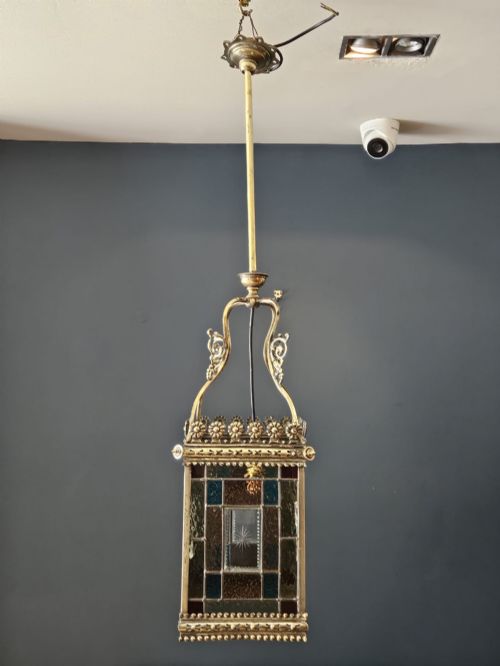
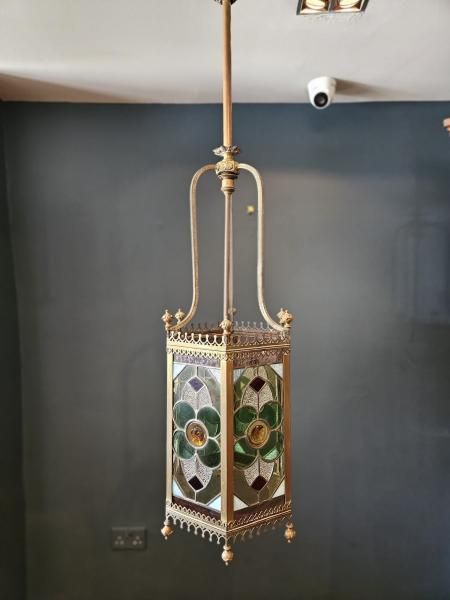
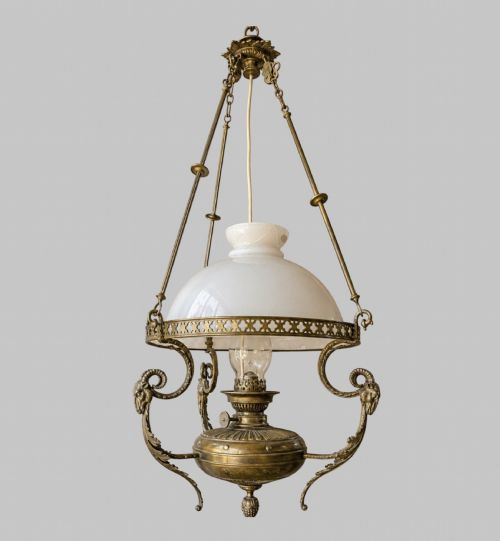
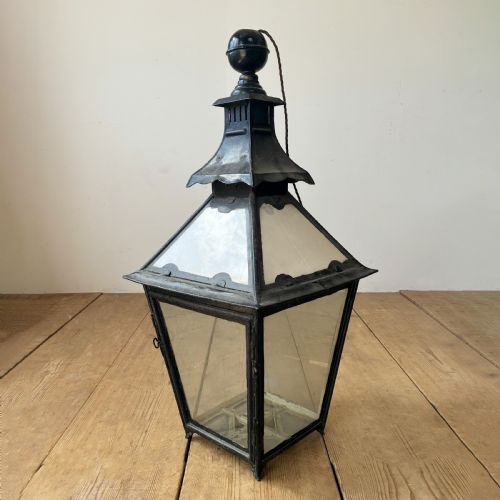
A victorian hanging lantern brings warmth and character to an entrance hall, casting light through leaded or coloured glass panels.
Victorian Hanging Lantern
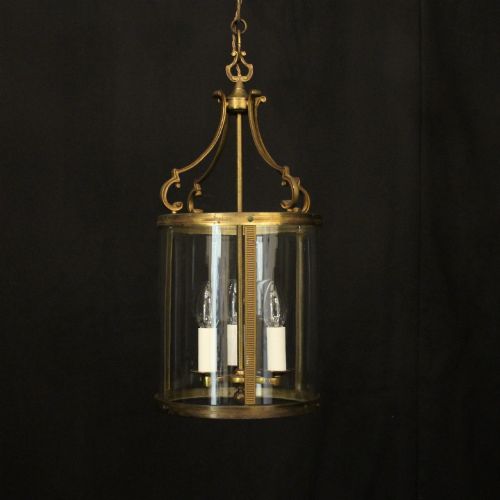
A victorian hanging lantern is a ceiling-suspended lighting fixture designed for hallways, porches, and vestibules. These pieces originate primarily from the nineteenth century, including specific dates across the Victorian and Edwardian periods.
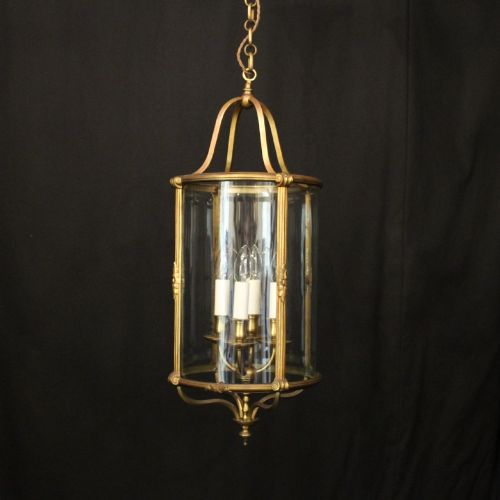
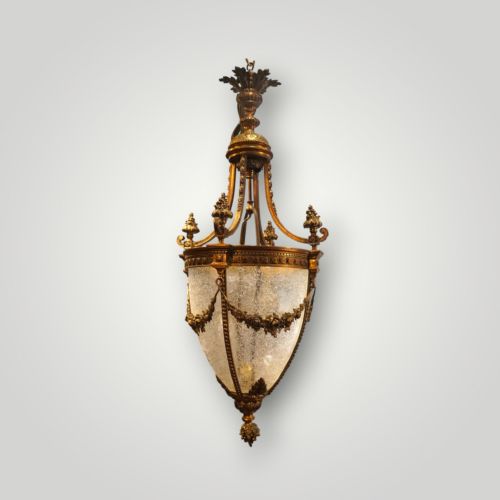
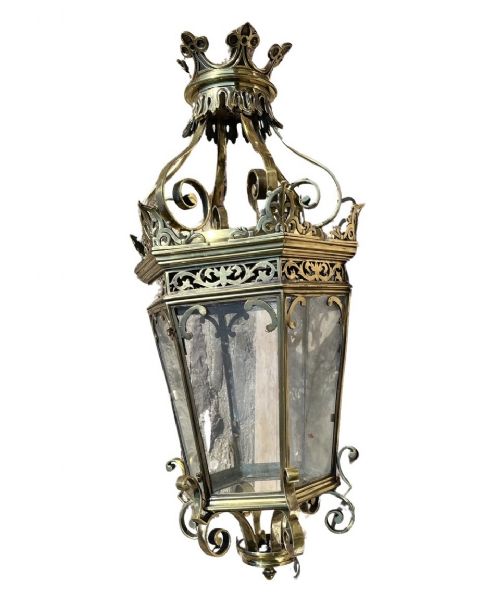
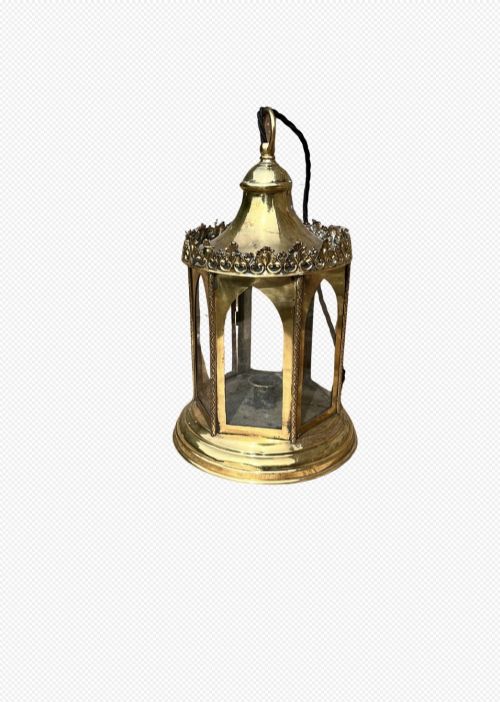
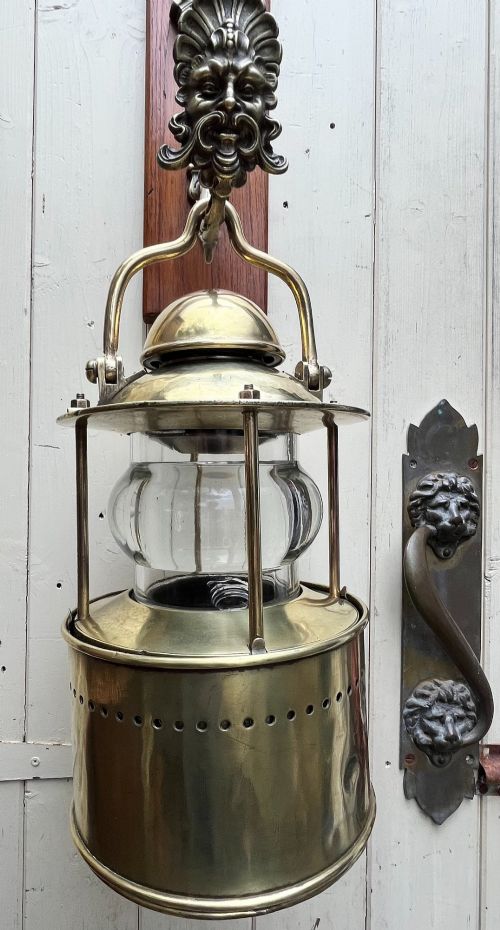
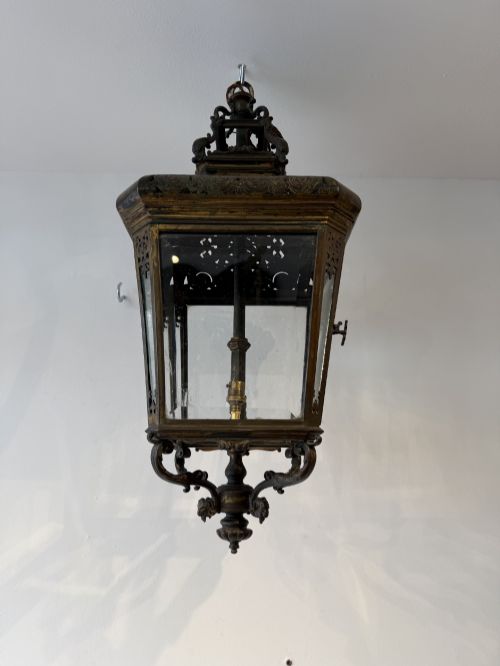
The selection ranges from simple hexagonal and round brass frames to elaborate Gothic revival designs and French gilded bronze pieces. Common forms include hall lanterns, pendant lights, and railway or coaching lanterns adapted for interior and exterior use.
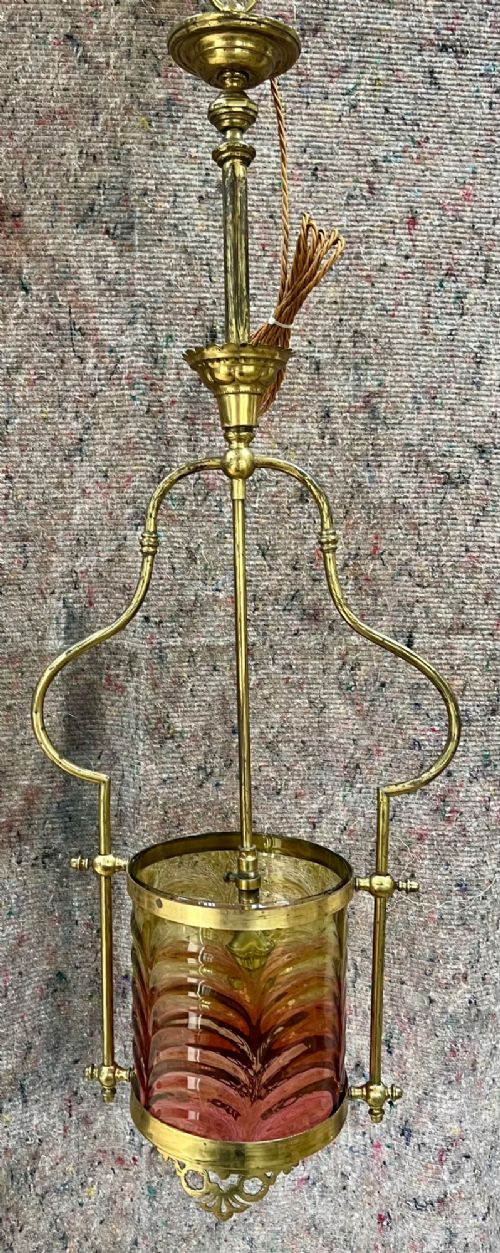
Most examples utilise glass panels held in metal frameworks, shifting from early candle and paraffin illumination to later electrification. Buyers encounter everything from small domestic hall lights to large country house fixtures.
How They Were Made
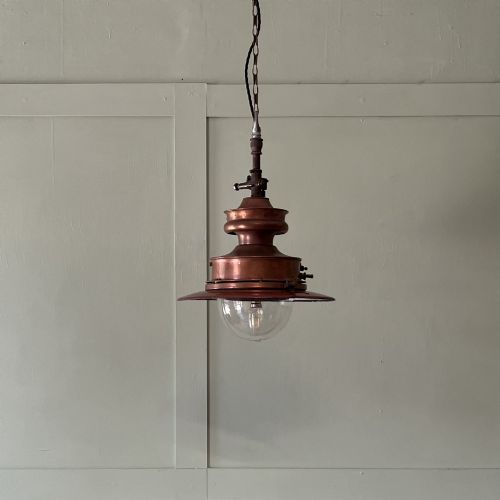
Frames are constructed from metals such as brass, copper, wrought iron, bronze, and lead, often shaped into hexagonal, round, or square geometries. Skilled metalworkers cast, pierced, and soldered these elements to support the weight of the glass and the internal burner or bulb.
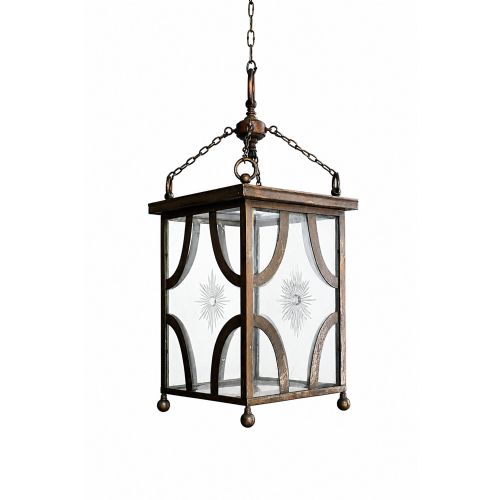
Panels utilise leaded glass, stained glass, hand-blown crystal, or opalescent glass, sometimes featuring cut patterns or coloured segments. Artisans fitted these panes carefully into the metal channels, securing them with glazing techniques suited to hanging fixtures.
Listings feature brass, copper, bronze, and wrought iron alongside plain, leaded, stained, and opalescent glass across the Victorian and Edwardian periods.
What Varies in Quality
Quality reveals itself in the substance and weight of the metal frame, from thin pressed sheets to heavy cast bronze and substantial brass structures. Heavier mountings and more intricate hand-piercing distinguish finer examples from standard production pieces.
The glass selection dictates visual impact, with textured hand-blown crystal, rich stained glass, and opalescent panels sitting above plain clear glass. Intricate soldering, leadwork, and original suspension hardware further separate standard utilitarian lanterns from high-status hall fittings.
The Victorian Hanging Lantern Glossary
- Hall lantern
- A ceiling-hung lighting fixture designed specifically for entranceways and corridors. These typically feature enclosed glass sides to protect the flame from drafts.
- Gothic Revival
- An architectural and decorative style drawing on medieval forms, often seen in pointed arches and heavy tracery. Pieces in this manner reflect ecclesiastical designs adapted for domestic interiors.
- Leaded glass
- Individual panes of glass held together by strips of lead came. This technique allows for complex geometric or figurative patterns within lantern panels.
- Paraffin lamp
- An oil-burning lighting fixture utilising petroleum distillate. Many Victorian examples include specific mechanisms like the Hinks burner to regulate the flame.
- Gilt bronze
- Bronze metal treated with a thin layer of gold or gold-coloured wash. This finish provides a rich, durable surface common in French decorative metalwork.
Victorian Hanging Lantern: Frequently Asked Questions
How do I hang a heavy brass lantern safely?
Suspension requires fixing directly into ceiling joists using a rated ceiling hook and chain that matches the weight of the metal and glass. Proper load distribution protects both the mounting hardware and the antique structure.
Electrical wiring should be checked and updated by a professional to ensure the internal components meet current safety standards while retaining the original exterior appearance.
How do I tell an 1880 lantern from a 1920 one?
Nineteenth-century pieces often display hand-finished brass, heavy leaded joints, and fittings adapted from earlier candle or oil configurations. Later Edwardian and 1920s examples frequently incorporate French neoclassical or gilt bronze styling with standardised electrical fittings.
Examining the construction methods of the metal frame and the type of glass panels helps clarify the manufacturing decade.
Can I convert an oil lantern to electricity?
Most antique hanging lamps adapt readily to modern electrical wiring without altering the exterior appearance of the frame or burners. Specialist restorers thread discreet flex through the original hanging loops and fit appropriate lamp holders.
This conversion allows delicate stained and leaded glass lanterns to function safely as primary hallway lighting.