

Victorian Handled Plates
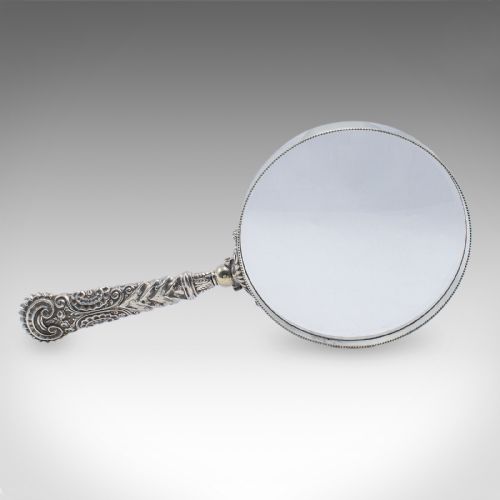
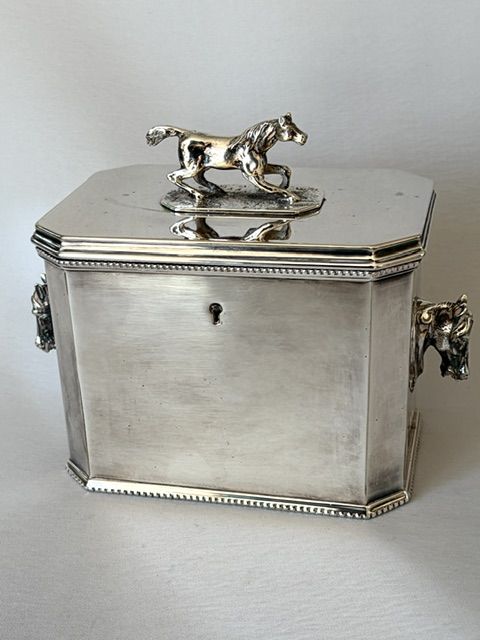
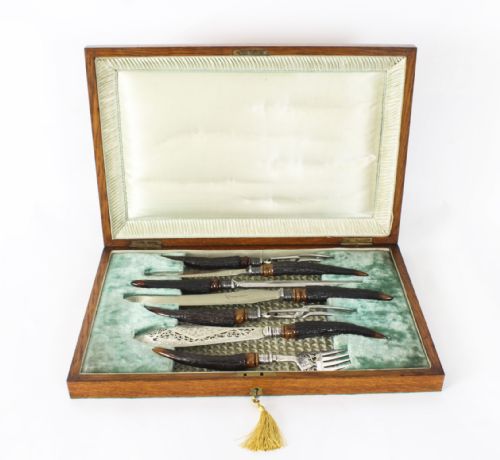
These Victorian handled plates and related serveware bridge utilitarian function and decorative ambition across nineteenth-century dining.
Victorian Handled Plates
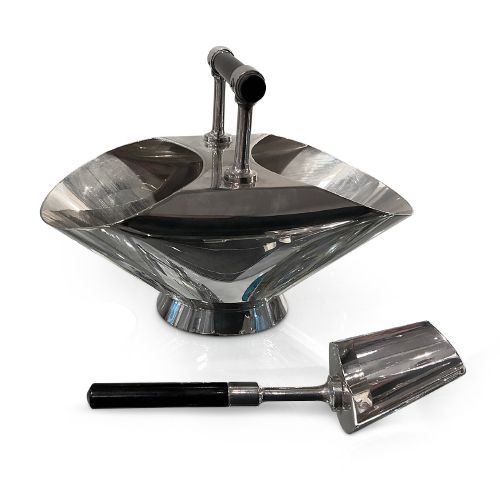
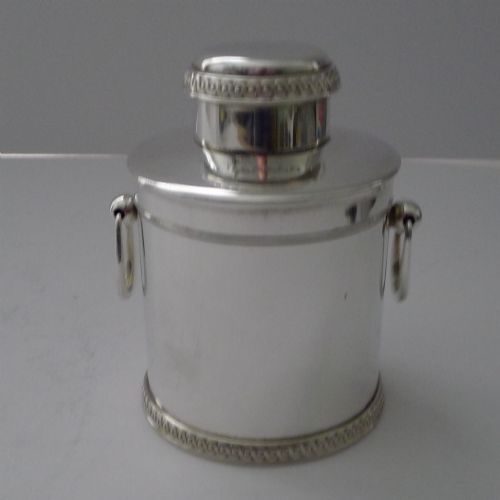
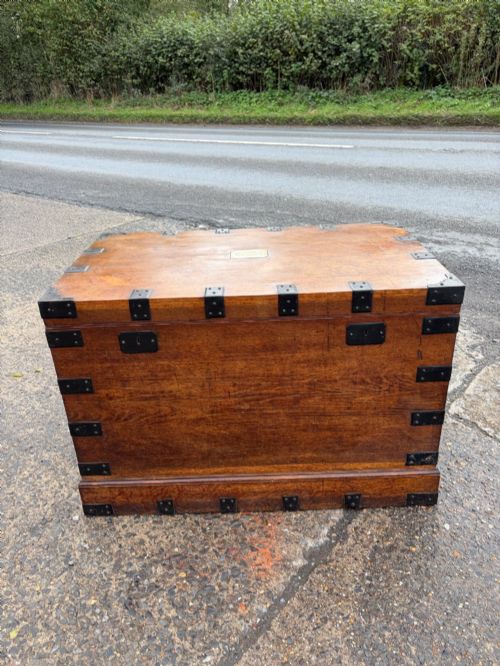
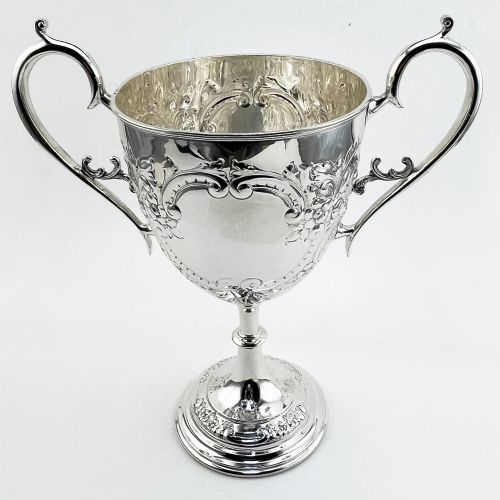
Victorian handled plates and associated serving pieces encompass trays, fruit baskets, and dishes produced during the nineteenth century and adjacent periods. Buyers seeking these items encounter silver plate, electroplated nickel silver, and solid silver forms equipped with integral or applied handles.
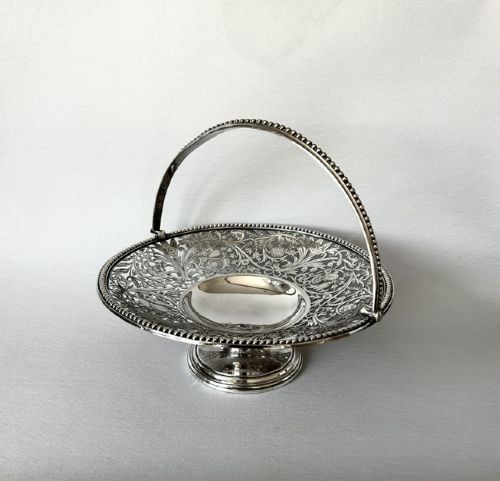
The objects span practical serving vessels and decorative tableware, frequently incorporating stylistic influences such as the Aesthetic Movement and Victorian Neoclassical design. Examples range from pierced fruit baskets with loop handles to paired dishes featuring reeded grips.
Originating primarily from English workshops and major manufacturing centres, these pieces reflect the domestic dining customs of the period. The selection on this page demonstrates the diversity of metalwork and ceramics utilised for hospitality and display.
Materials and manufacture
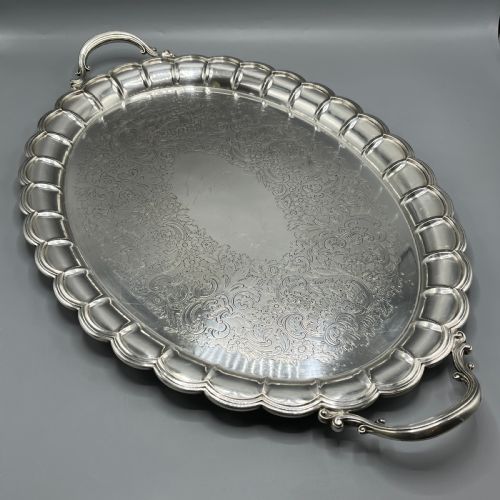
Makers utilised silver plate and electroplated nickel silver over base metal foundations, applying techniques such as piercing, embossing, and engraving to shape trays, baskets, and dishes. Handles were frequently cast separately and soldered or riveted to the main body.
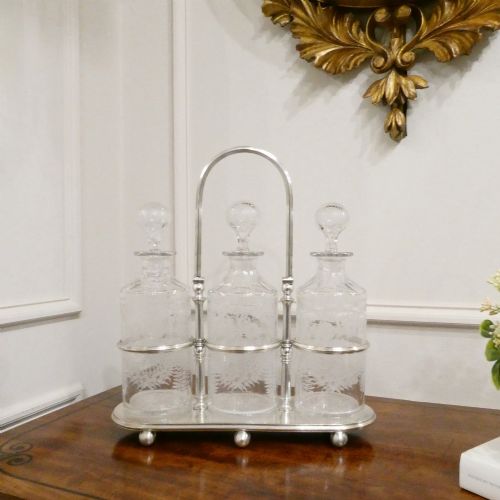
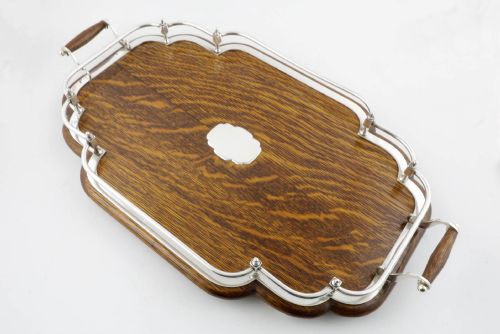
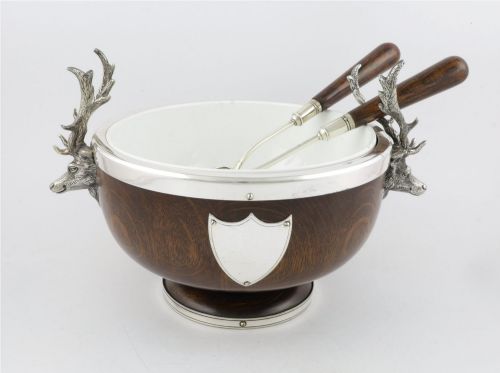
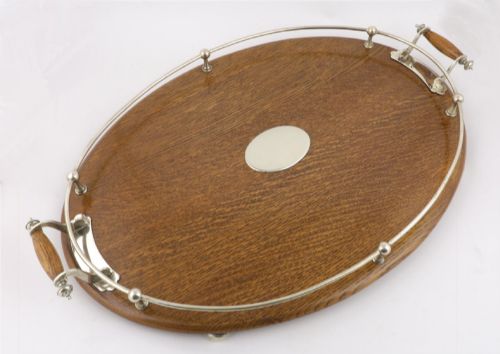
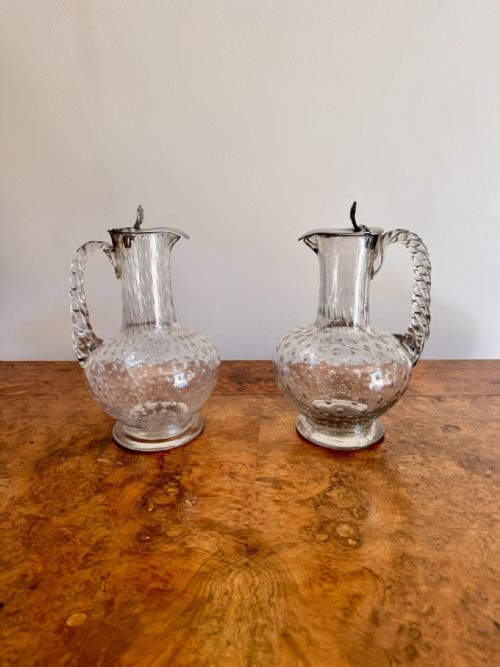
Combinations of silver plate with English oak, mother-of-pearl, and glass appear across the inventory, demonstrating varied assembly methods for domestic objects. Surface decoration often involved neoclassical motifs, naturalistic coral forms, or geometric piercing.
Victorian Handled Plates Retail Price Guide 2026
Typical asking prices for victorian handled plates among the pieces listed under this phrase on Sellingantiques today, from the lower quarter to the upper quarter. They describe what is for sale here now, not the wider market.
Some nineteenth-century makers applied handles shaped like natural coral or owls to ordinary dessert dishes.
Assessing quality and execution
Quality resides in the crispness of chased and embossed ornamentation, the structural integrity of handle attachments, and the evenness of the silver plating over the underlying base metal. Superior examples exhibit balanced proportions and refined detail in cast elements like stylised coral or reeded grips.
The distinction between standard commercial output and finer workshop production involves the weight of the metal, the precision of the piercing, and the durability of applied decorative mounts. Maker marks provide further indication of workshop standards.
Lee & Wigfull·Walker & Hall·George W. Scott & Sons Ltd·Thomas Bradbury & Sons·G R Collis·Hukin & Heath
The Victorian Handled Plates Glossary
- Silver Plate
- A layer of silver bonded to a base metal foundation, widely utilised for nineteenth-century domestic wares. This technique allowed makers to achieve the appearance of solid silver at a lower cost.
- Electroplated Nickel Silver
- An alloy of copper, nickel, and zinc coated with a thin layer of silver via an electrolytic process. It became the standard industrial method for manufacturing durable tableware.
- Aesthetic Movement
- A late nineteenth-century design style emphasising visual beauty over narrative or moral function. Objects in this taste often feature stylised natural motifs and asymmetrical compositions.
- Victorian Neoclassical
- A revival style drawing upon classical Greek and Roman motifs such as urns, garlands, and formal symmetry. This aesthetic frequently appears on mid-century fruit baskets and serving vessels.
- Piercedwork
- A decorative technique involving the cutting or piercing of patterns through metal sheet. It requires skilled hand-sawing or punching to achieve symmetrical or botanical lattice designs.
Victorian Handled Plates: Frequently Asked Questions
What are victorian handled plates used for?
These pieces served practical roles in nineteenth-century dining, primarily for presenting fruit, cakes, or desserts during formal meals and afternoon tea.
Today, buyers utilise them for serving refreshments or as decorative display items within traditional and eclectic interiors.
How do I clean silver plated serveware?
Maintenance requires gentle washing with warm water and mild soap, followed by thorough drying with a soft cloth to protect the metal surface.
Proprietary silver polishes should be used sparingly and cautiously to avoid wearing through the thin electroplated layer over time.
How can I identify the period?
Dating relies upon stylistic markers such as neoclassical motifs or aesthetic movement asymmetry, alongside manufacturing methods and metal types.
Maker marks and registration stamps stamped onto the base often provide specific clues to the decade of production.
Are handles usually fixed or movable?
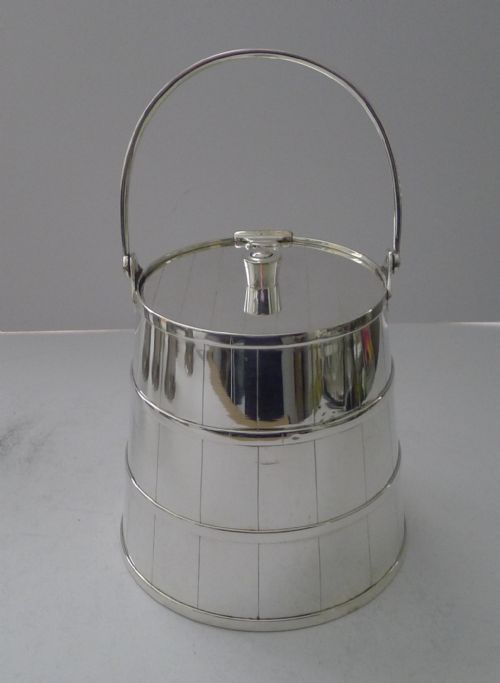
Handles on these serving items can be either rigidly fixed as an integral part of the cast body or hinged to swing downward.
Fixed handles generally provide greater structural stability, while swinging bail handles allowed for compact storage in sideboard cabinets.