
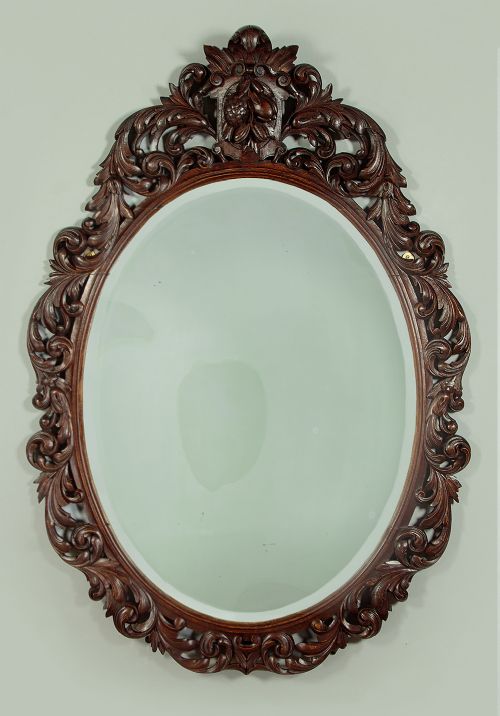
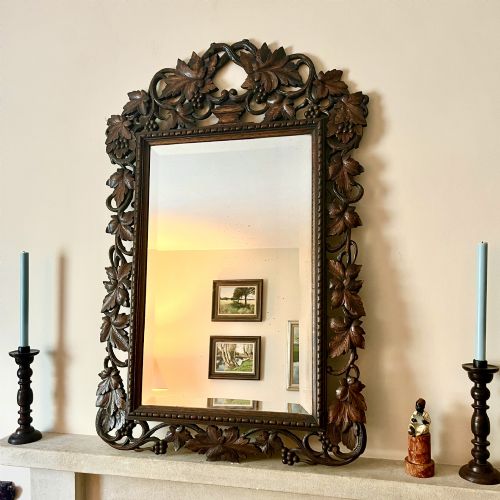
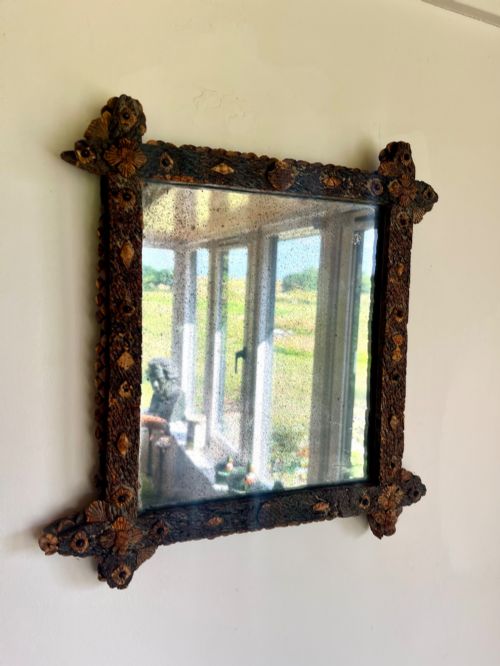
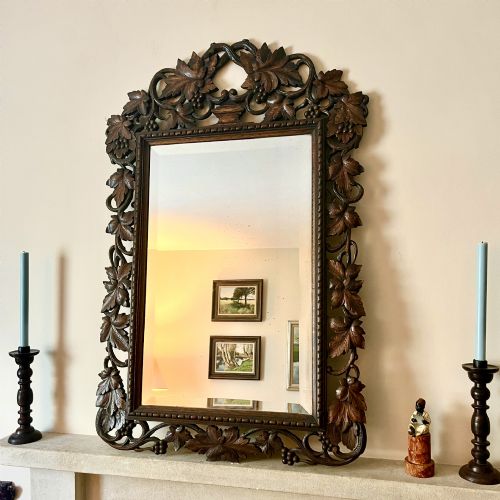
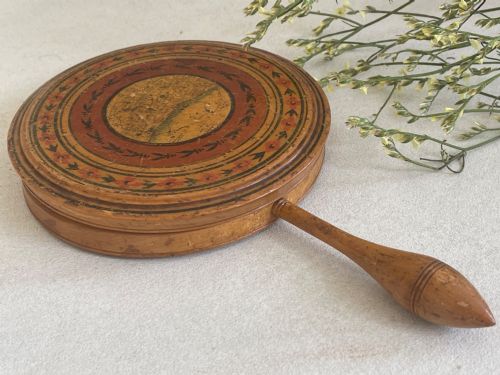


Victorian Hand Mirror
A victorian hand mirror is a personal accessory designed for the dressing table, combining functional glass with decorative metal, wood, or painted frames.
Victorian Hand Mirror
A victorian hand mirror represents a personal dressing table accessory from the nineteenth century, designed to be held during grooming. These pieces combine reflective glass with tactile handles and decorative backs.
The versions met on this page and in the archive span various interpretations of the period, including silver, brass, and painted frames. Makers from the era produced these items for daily boudoir use.
Materials and Construction
Makers utilised metals such as silver and brass alongside wood and glass, shaping frames through casting, embossing, and carving. Ormolu and gilt finishes frequently highlight the metalwork.
Painted details and fitted glass complete the construction, bringing colour and pattern to the reverse of the frames.
Some mirrors wear their original travel cases, suggesting their owners took vanity on tour.
Judging Quality
Quality rests in the crispness of the casting or carving on the frame and the retention of the original mirror glass. Pieces bearing maker signatures or specific silversmith marks demonstrate higher workshop standards.
The weight of the metal and the complexity of decorative elements, such as hand-painted panels or chased silver, separate standard examples from finer commissions.
The Victorian Hand Mirror Glossary
- Ormolu
- Gilded bronze or brass applied to decorative objects and furniture mounts. It provides a bright golden finish that resists tarnish.
- Chased
- Metal decorated by hammering from the front to create a raised pattern. This technique adds texture and depth to mirror frames.
- Ebonised
- Wood stained or painted black to imitate ebony. It was popular in Victorian design for creating high contrast.
- Girandole
- A branched candleholder attached to a mirror frame. The candles reflected light into the room.
- Silver plate
- A thin layer of silver applied to a base metal core. It offered the appearance of solid silver at a lower cost.
Victorian Hand Mirror: Frequently Asked Questions
How were victorian hand mirrors used?
These mirrors served practical roles on dressing tables and washstands, assisting with hair styling and personal grooming.
Owners also displayed them as decorative objects on vanity surfaces when not in active use.
Are these mirrors made of solid silver?
Many examples utilise silver plate, brass, gilt bronze, or wood rather than solid silver. Hallmarks on the frame usually indicate solid precious metal.
Unmarked pieces often rely on base metals with applied finishes like gilding or paint.
How do I care for antique mirror glass?
Clean the glass gently using a soft cloth and mild solution, avoiding harsh chemicals that damage silvering. Moisture should be kept away from the edges where the backing meets the frame.
Preserving the original glass maintains the historic character of the piece.
What styles appear on these mirrors?
Designs reflect prevailing nineteenth-century tastes, including ornate rococo scrolls and classical revival motifs. Painted floral decorations also feature on several frames.
Maker preferences and regional styles influenced the specific decorative vocabulary employed.