
Antique Hand Glass
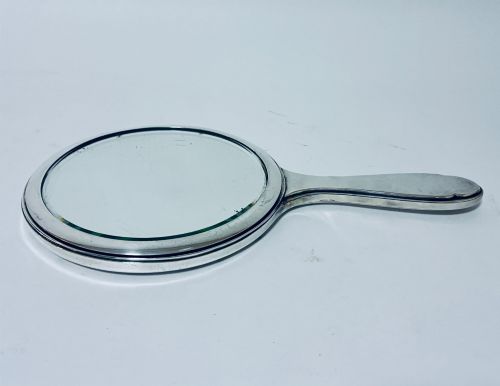
An antique hand glass brings personal reflection and domestic utility together through the tactile weight of glass, metal, and polished wood.
Antique Hand Glass
When you search for an antique hand glass, you encounter personal mirrors and magnifying lenses designed to be held in the hand. The pieces available span the Victorian and Edwardian eras, utilising materials like rosewood, silver, and mother of pearl.
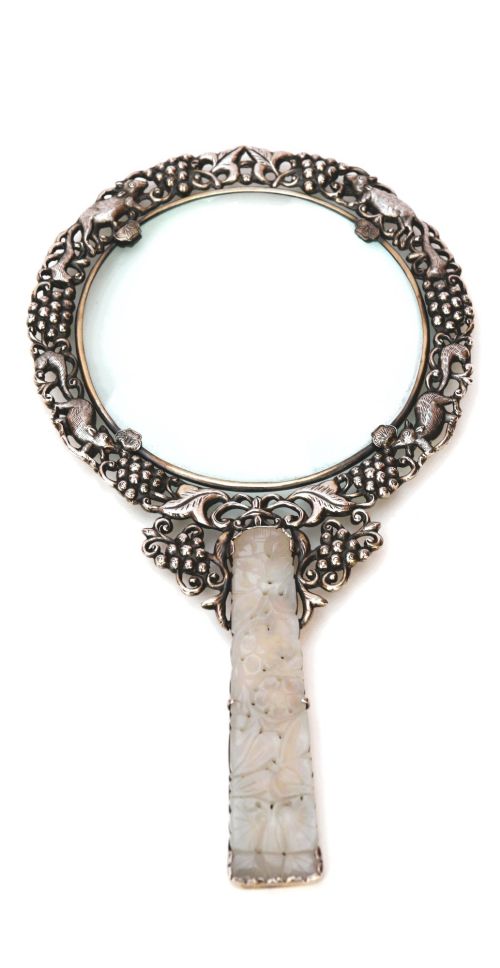
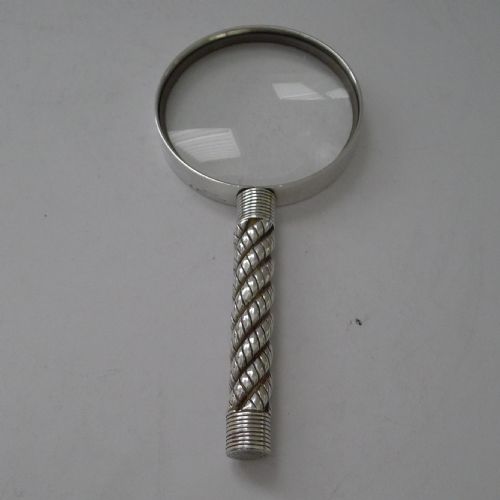
Beyond mirrors, the category encompasses handheld reading aids and magnifying glasses mounted in silver or jade. These objects served everyday domestic and personal needs in nineteenth and early twentieth-century households.
Materials and construction methods
Makers formed the primary structures using turned rosewood, oak, or cast metals, often incorporating hand-fretted silver mounts and frames. Handles were shaped to fit the palm securely, secured to the mirror or lens housing with pins or screws.
Glass components involved traditional blowing and cutting techniques, yielding clear or coloured surfaces that were then fitted precisely into their surrounds. Artisans also integrated natural materials like mother of pearl and jade as decorative inlays or handle segments.
Current listings feature items spanning the 18th Century, Victorian, Edwardian, Art Nouveau, and Art Deco periods, utilising glass, silver, brass, wood, and mother of pearl.
Distinctions in quality and execution
The distinction between ordinary and exceptional pieces lies in the crispness of the carving on wooden handles and the purity of the glass. Superior examples display tight grain in rosewood or oak, secure seating of the mirror plate, and unblemished silver or metalwork.
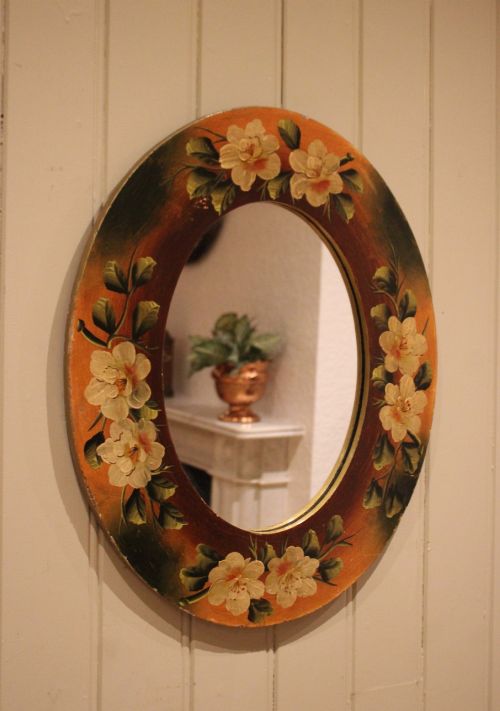
Finer items often feature hand-painted floral motifs, integrated precious metal hallmarks, or sophisticated material combinations such as jade and silver. The tactile balance of the object in the hand indicates the care taken during its original assembly.
The Antique Hand Glass Glossary
- Hand mirror
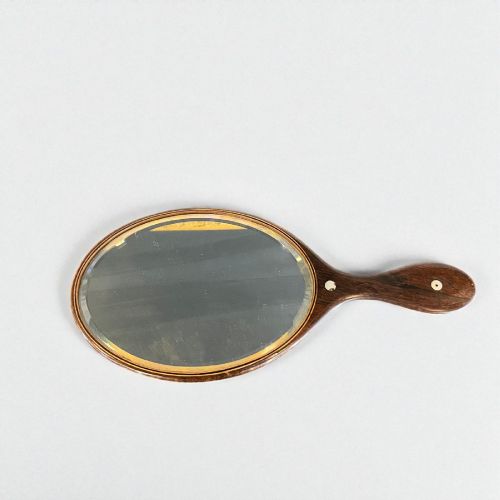
- A portable looking glass fitted with a dedicated handle for personal grooming or vanity use. These items frequently match dressing table accessories of the same period.
- Magnifying glass
- An optical lens mounted in a frame with a handle, utilised for reading small text or examining fine details. Examples often feature silver, brass, or jade mountings.
- Bevel
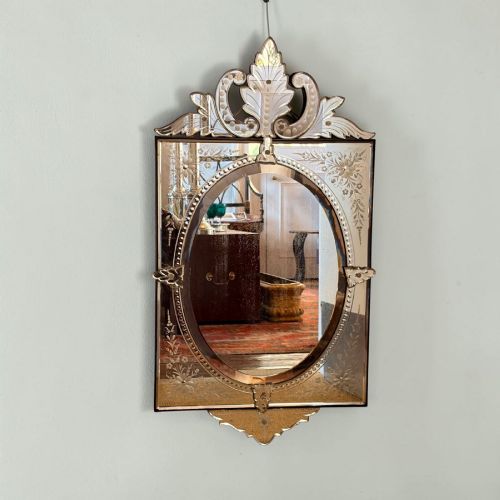
- An angled edge cut along the perimeter of a glass mirror plate to catch and refract light. This technique adds depth and visual polish to the looking glass.
- Standish
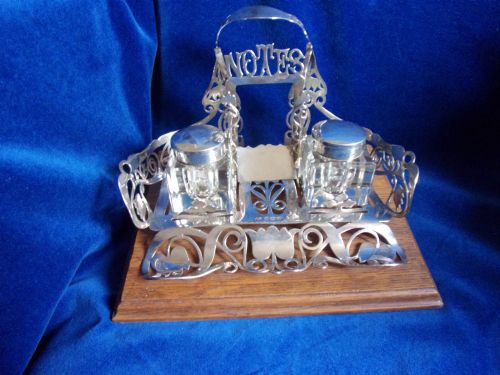
- A small desk tray or stand fitted with inkwells and accessories for writing. Some Edwardian iterations include hand-fretted silver work mounted on wooden bases.
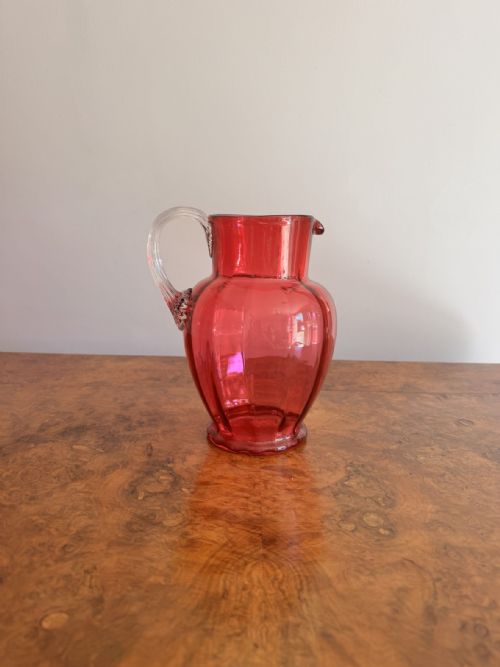
- Cranberry glass
- A rich red glass coloured with gold chloride during the manufacturing process. It appears frequently in nineteenth-century tableware and decorative objects.
Antique Hand Glass: Frequently Asked Questions
What is an antique hand glass?
An antique hand glass refers to portable mirrors and magnifying glasses designed to be held during personal use or reading.
These objects date primarily from the Victorian and Edwardian periods, constructed using materials like silver, rosewood, and glass.
How were hand mirrors used?
Hand mirrors served primarily for personal grooming, dressing, and checking hair or makeup from various angles.
They formed part of larger dressing table sets alongside brushes, trays, and crystal containers.
How do I date a hand glass?
Dating relies on stylistic clues, material choices, and any maker marks or silver hallmarks stamped on the metal mounts.
Victorian and Edwardian pieces often incorporate specific decorative motifs, woods like rosewood, or distinct fastening techniques.
Are magnifying glasses included?
Magnifying glasses with handles are grouped under this heading alongside handheld mirrors.
These reading aids often feature decorative frames in silver, brass, or jade dating from the nineteenth century.