
Victorian Hall Tree Umbrella
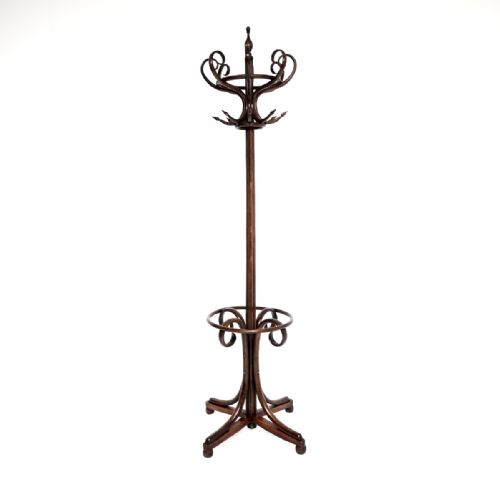
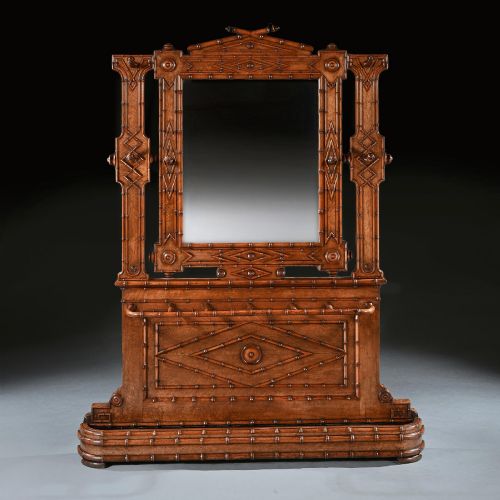
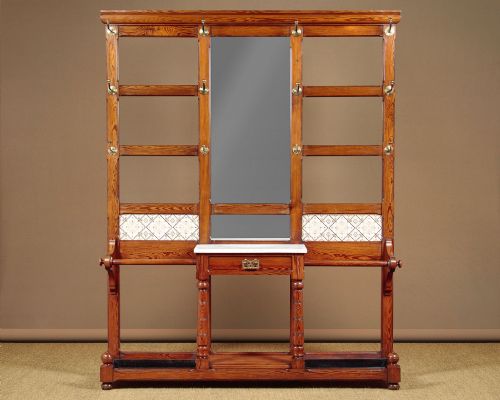
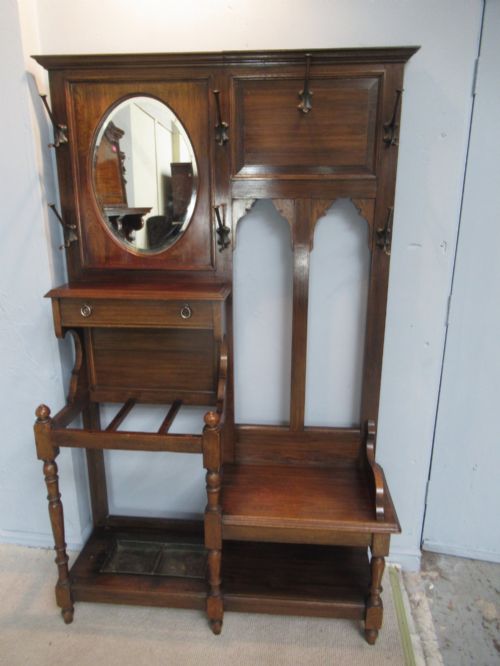
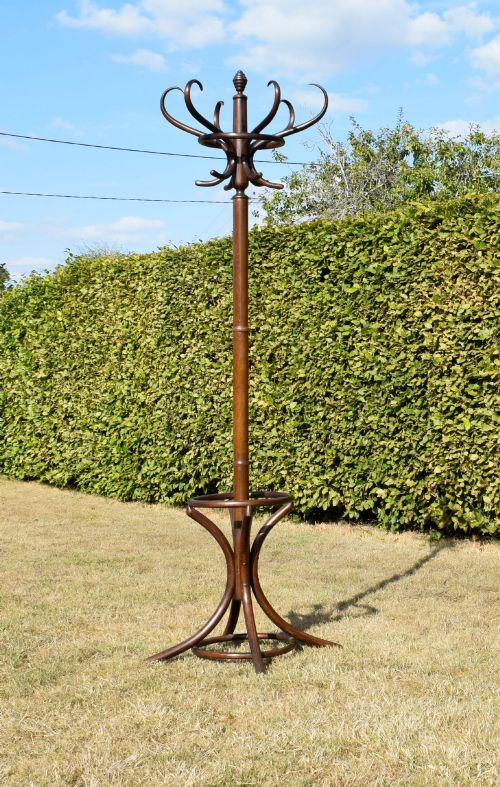
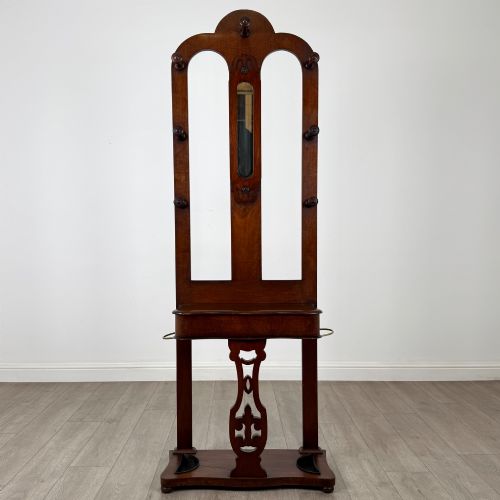
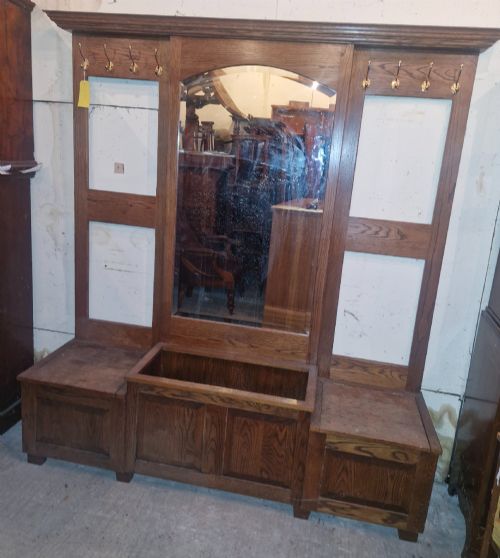
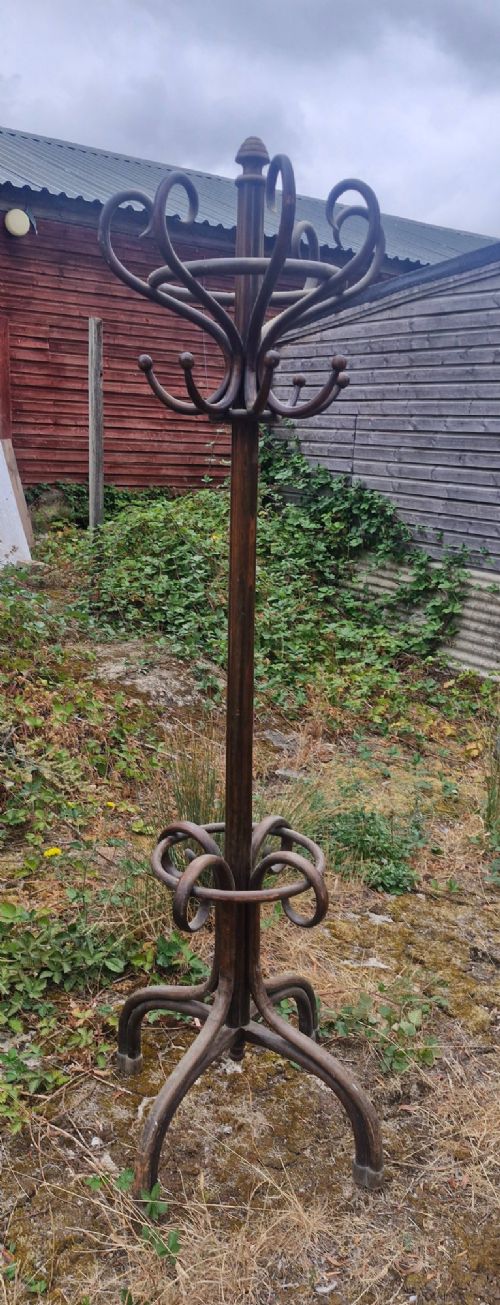
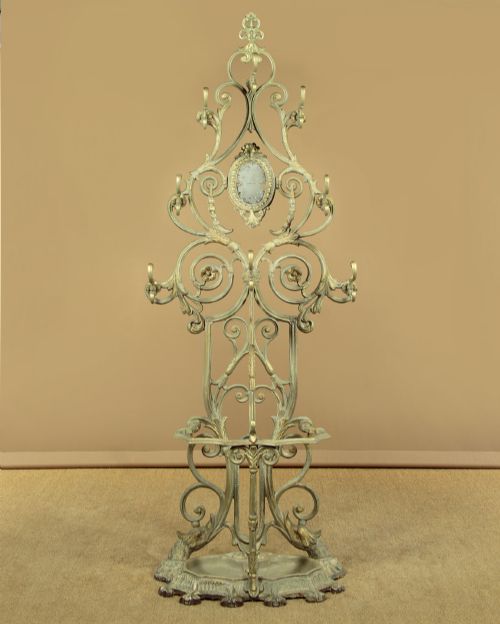
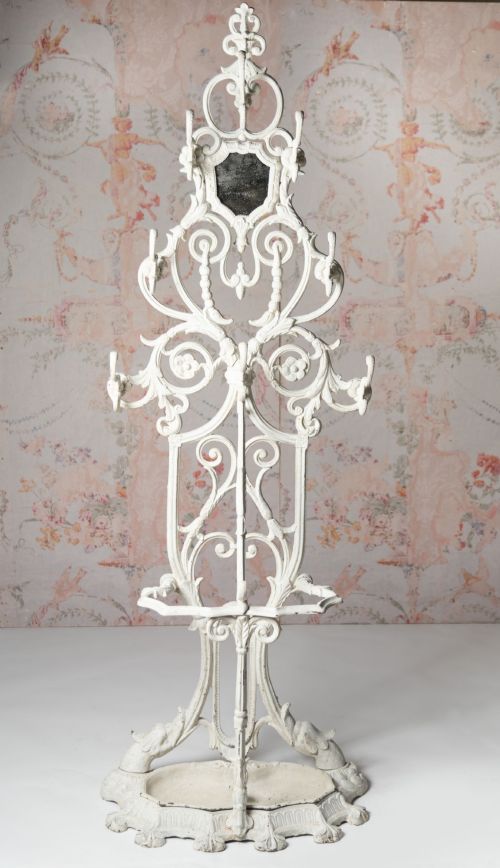
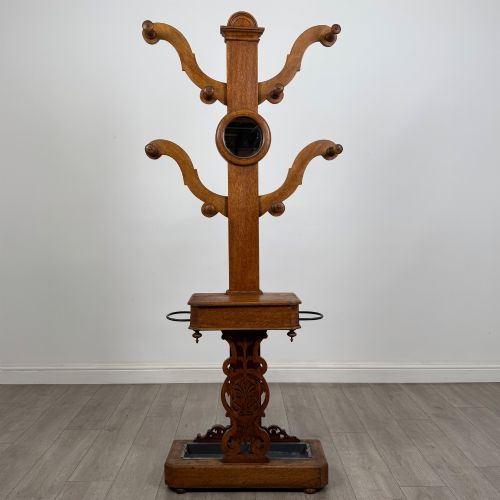
These victorian hall tree umbrella pieces combine utility and presence, welcoming visitors with fitted hooks, mirrors, and umbrella wells.
Victorian Hall Tree Umbrella
A victorian hall tree umbrella serves as the central anchor for an entranceway, combining coat hooks, hat storage, and drip trays into a single vertical piece. The selection spans the nineteenth century through the Edwardian era, incorporating regional variations in timber and form.
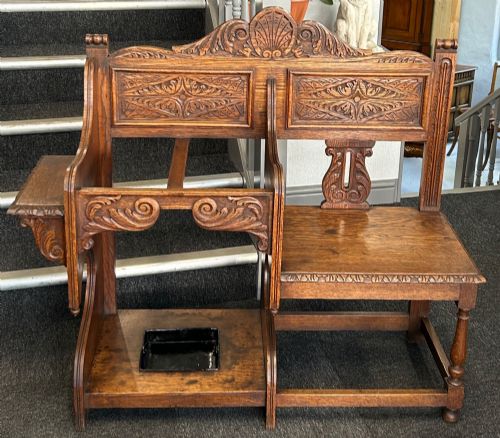
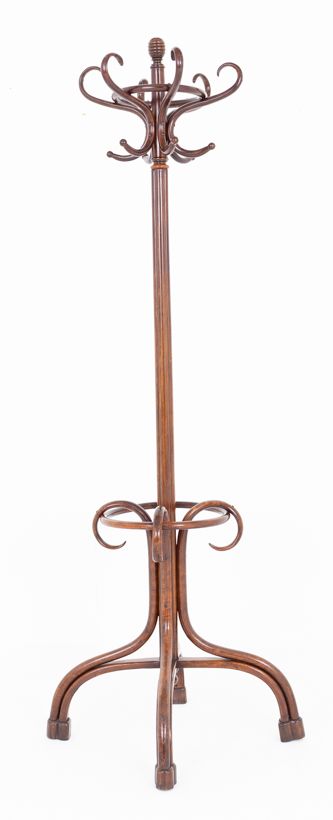
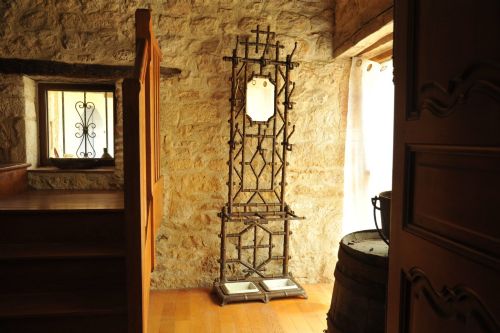
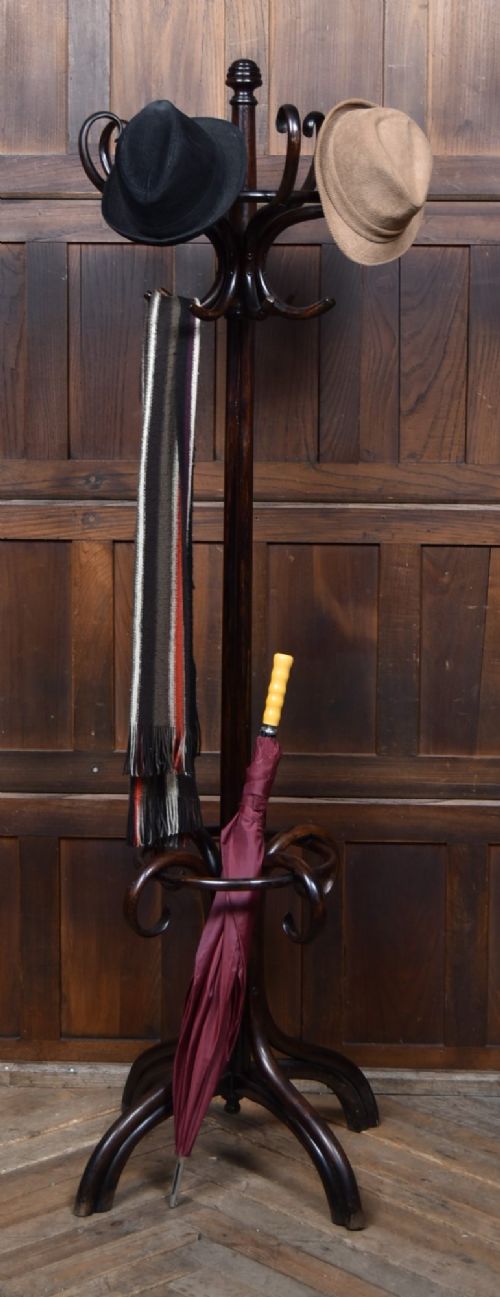
Most examples encountered here date from the Victorian period, appearing in solid oak, mahogany, or bentwood, alongside more unusual styles such as bamboo and cast iron. Pieces range from compact half-hall designs to large multi-functional seats with integrated mirrors.
Materials and Construction
Makers utilised hardwoods like oak and mahogany alongside beech for steam-bent components, constructing sturdy frameworks designed to bear heavy winter coats. Metal elements, particularly cast iron and brass, appear in structural brackets and drip pans.
Decorative techniques include deep relief carving, faux bamboo shaping, and steam bending, allowing makers to achieve both rustic Black Forest animal forms and clean Aesthetic Movement lines.
Listings feature materials spanning cast iron, bamboo, oak, mahogany, and bentwood across the Victorian and Edwardian periods.
Execution and Detail
Quality rests in the depth of the carving, the integration of original drip pans, and the stability of the central column under weight. Superior examples display crisp joinery and thoughtful detailing, such as bevelled mirror plates and well-turned pegs.
Simpler production relies on plain timber and minimal hardware, whereas finer specimens incorporate elaborate crests, figural carvings like Green Men, or branded maker labels on bentwood frames.
Thonet·J. Parker of Woodstock·Fischel·William Whiteley·Coalbrookdale
The Victorian Hall Tree Umbrella Glossary
- Bentwood
- Wood shaped by steaming and pressure into curves. This technique defines lightweight hall stands produced by major continental makers.
- Aesthetic Movement
- A late nineteenth century design style emphasising visual beauty over narrative function. Pieces often utilise bamboo or Japonisme motifs.
- Black Forest
- A regional style of carving originating in Germany. These stands frequently depict naturalistic animals such as bears holding card trays.
- Drip Pan
- A metal tray seated at the base of the umbrella section. It catches moisture from wet walking sticks and prevents floor damage.
Victorian Hall Tree Umbrella: Frequently Asked Questions
How do I use a hall stand?
These pieces organise an entrance hall by holding outerwear, hats, and walking sticks in one designated footprint. Many include integrated mirrors for a final check before departure.
Lower wells or trays catch rainwater from umbrellas, keeping hallways dry and clutter-free.
What woods were commonly used?
Oak and mahogany dominate the heavier Victorian and Edwardian pieces, providing dense structural support for multiple heavy garments. Beech appears frequently in steam-bent frames.
Alternative materials include bamboo for lighter Aesthetic pieces and cast iron for industrial durability.
How do I spot a bentwood stand?
Bentwood stands rely on curved wooden members formed through steam rather than traditional joints. They often feature smooth, rounded arches and lightweight profiles.
Signatures or paper labels from makers such as Thonet or Fischel sometimes appear underneath the base.
What is a Green Man carving?
A Green Man depicts a face surrounded by foliage, symbolising rebirth and spring. This motif appears frequently on nineteenth-century carved oak hall stands.
It adds a distinct gothic or revivalist character to the central crest of the furniture.