
Victorian Green Armchair
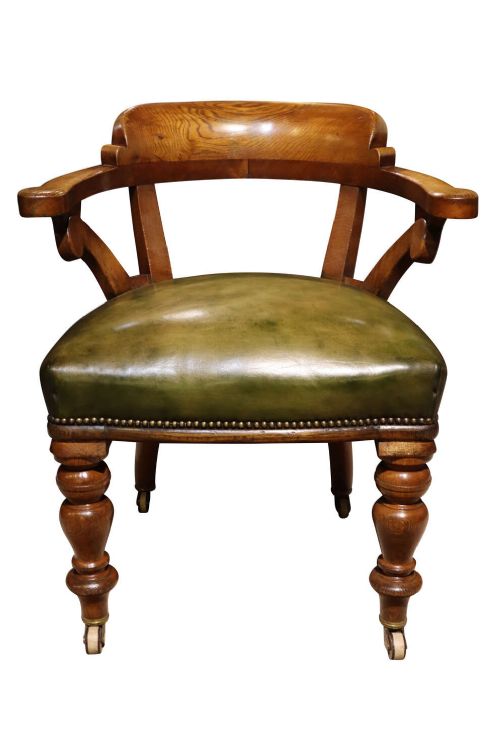
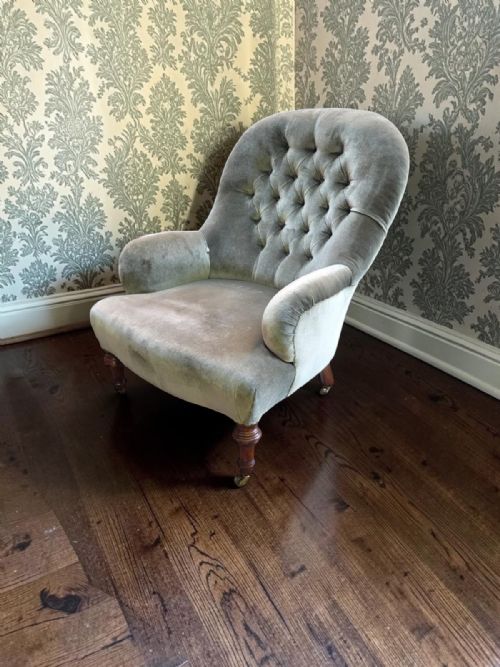
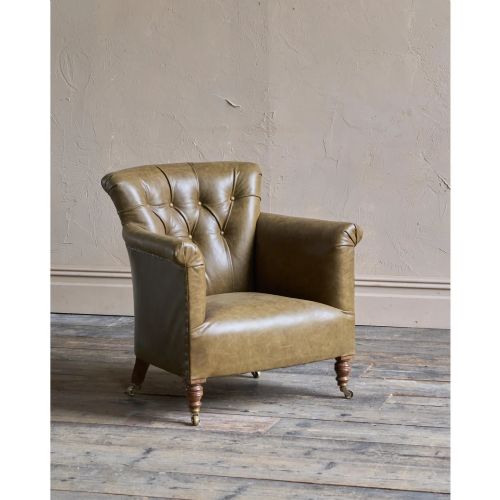
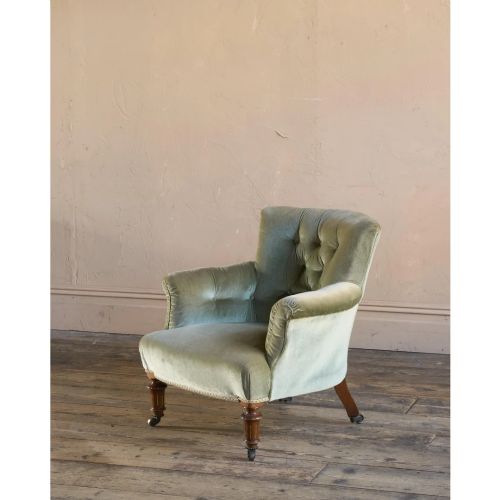
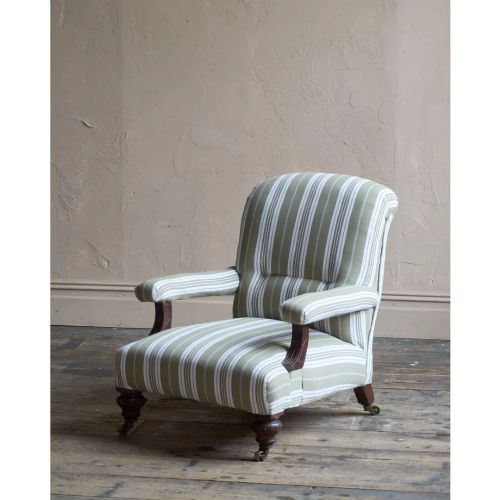
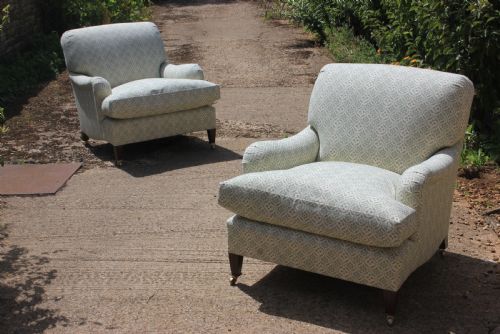
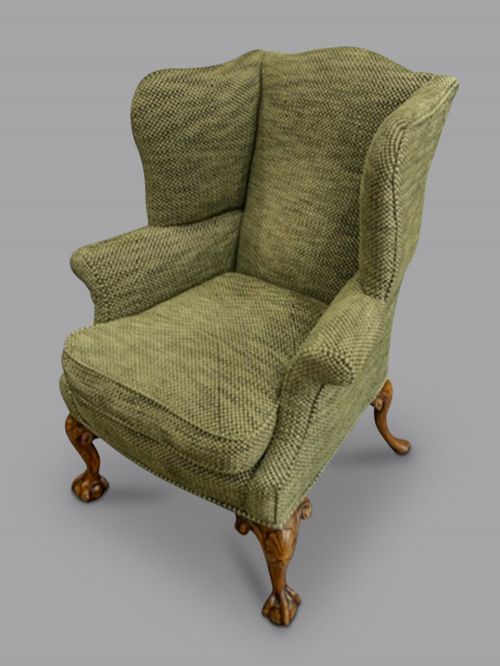
A victorian green armchair offers rich velvet, leather or fabric upholstery paired with robust mahogany, walnut or oak frames.
Victorian Green Armchair
A victorian green armchair encompasses seating produced primarily during the nineteenth century, ranging from library and desk chairs to nursing chairs and deep buttoned club chairs. The pieces found here span early Victorian and late Victorian periods, alongside related Regency, William IV and Edwardian examples.
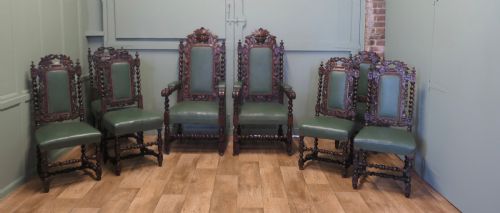
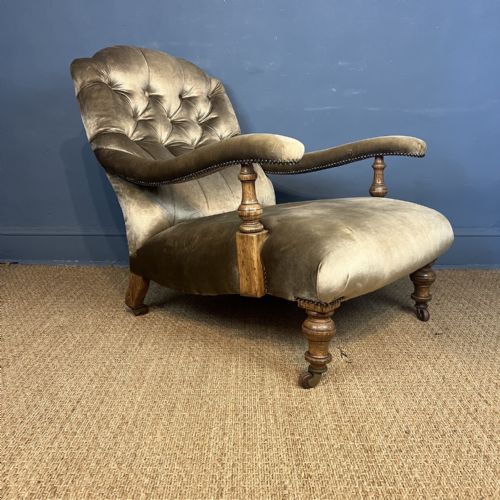
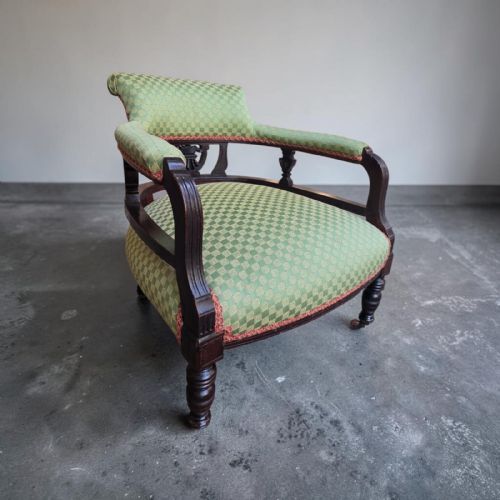
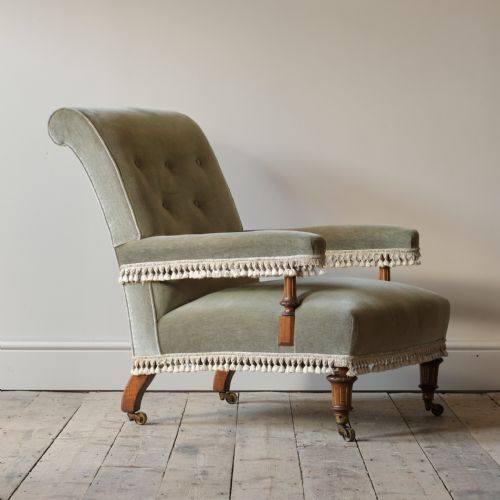
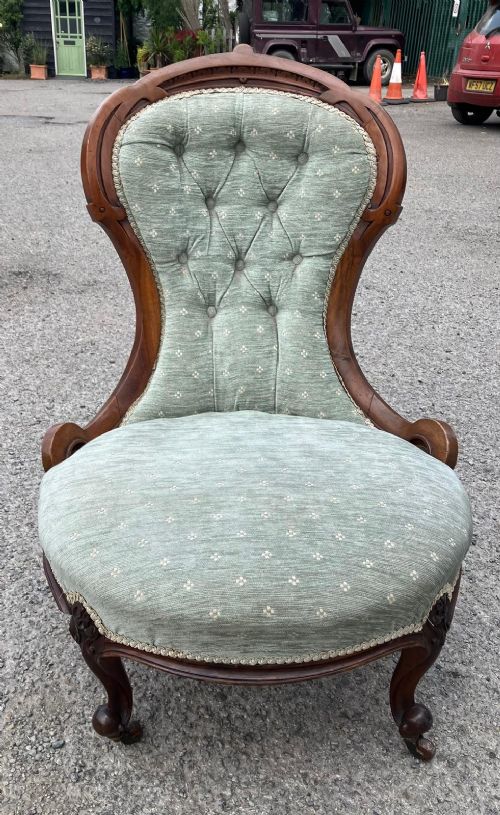
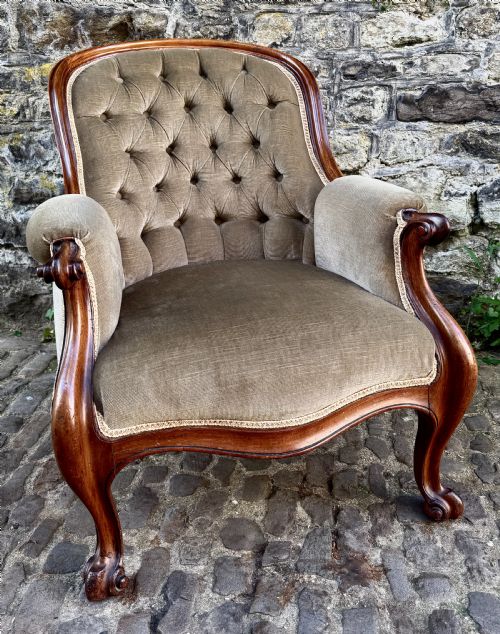
Most variations lean towards substantial gentleman's chairs or smaller tub and occasional seating upholstered in green leather, velvet, corduroy or fabric. Frames appear in solid woods like mahogany, walnut and oak, often detailed with turned legs, scroll arms or carved walnut.
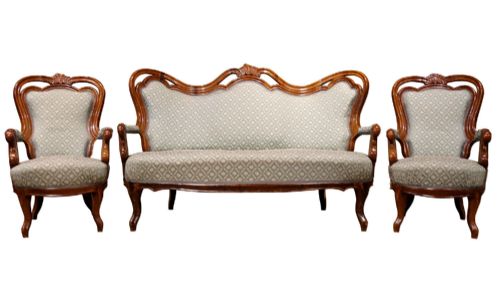
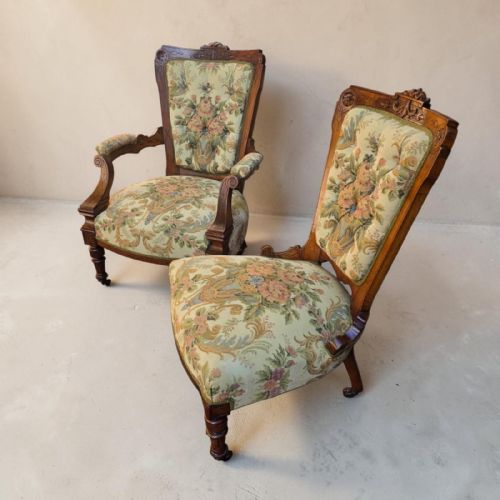
Makers such as Gillows, Howard and Sons, and Holland and Sons represent the higher tier of production found within these seating forms. Alongside individual armchairs, the selection includes pairs, salon suites and office desk chairs.
How they were made
Cabinetmakers constructed sturdy frames using native and imported hardwoods like mahogany, walnut, oak and rosewood, incorporating structural elements such as brass castors and iron frames. Woodwork often featured hand-carved details, cabriole legs, barley twist turns or scroll arms.
Upholstery techniques utilised buttoning and sprung supports covered in durable green leather, velvet or woven fabric. Frames were shaped through traditional joinery methods suited to library chairs, tub chairs and reclining daybeds.
Listings feature mahogany, walnut, oak and rosewood frames paired with brass hardware and iron structures.
What varies in quality
The distinction between standard production and fine execution lies in the depth of timber carving and the calibre of the underlying frame construction. Pieces originating from renowned workshops display superior joinery and more refined proportions in elements like scroll arms and turned legs.
Upholstery materials also signal differentiation, moving from simple corduroy or basic fabric to heavy hide leather, buttoned velvet and intricate show-wood framing. The presence of documented cabinetmaker attribution elevates the standing of individual library and desk chairs.
Gillows·Howard and Sons·Holland and Sons·Hampton and sons
The Victorian Green Armchair Glossary
- Bergere
- A closed-arm armchair with a cane or upholstered back and sides. These frames typically incorporate exposed wood such as mahogany or beech.
- Button back
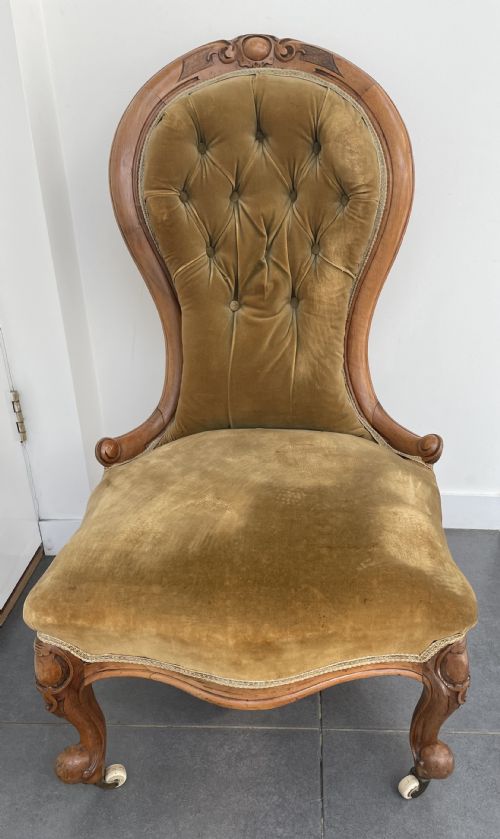
- An upholstery style where depressions are formed in the padding by pulling thread or twine tight and securing it with buttons. This technique provides firm tension across the velvet, leather or fabric.
- Cabriole leg
- A furniture leg that curves out and then narrows down in a graceful S-shape. It frequently terminates in carved scroll or pad feet on Victorian walnut and mahogany frames.
- Tub chair
- A low, rounded armchair where the back and arms form a single continuous curved rail. They often feature leather upholstery and compact proportions suitable for desks and libraries.
- Gentleman's chair
- A large, padded armchair designed for comfort, frequently featuring scroll arms and deep buttoning. These pieces are commonly upholstered in leather or velvet over robust hardwood frames.
Victorian Green Armchair: Frequently Asked Questions
How do I identify different periods?
Dating relies on stylistic shifts visible in the woodwork and upholstery frames. Earlier nineteenth-century examples often display Regency or early Victorian proportions, while later decades introduce distinct buttoning and carved walnut.
Materials also offer clues, as solid oak and mahogany give way to varied woods and iron framing by the late Victorian era.
Were these chairs used for offices?
Many library and captain chairs served functional roles at desks during the nineteenth century. Revolving mechanisms and sturdy leather upholstery made them suitable for daily workspace use.
Office and desk variants appear frequently in mahogany and oak, often paired with swivel bases or castors.
How do I care for leather upholstery?
Leather upholstery requires gentle cleaning to preserve the hide and maintain the rich green colour. Regular dusting and appropriate conditioning help prevent cracking over time.
Keeping these chairs away from direct heat sources protects both the leather surface and the underlying wooden frame.