

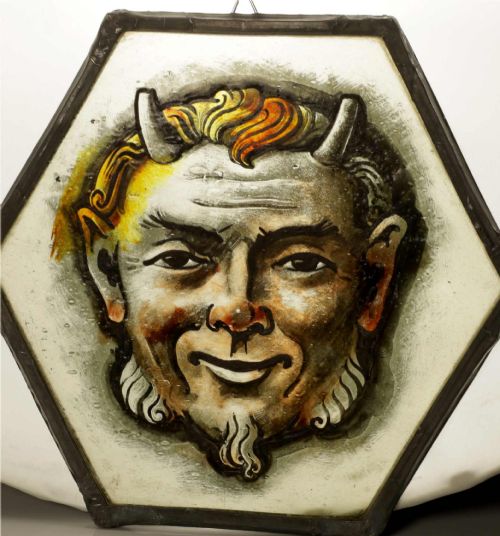
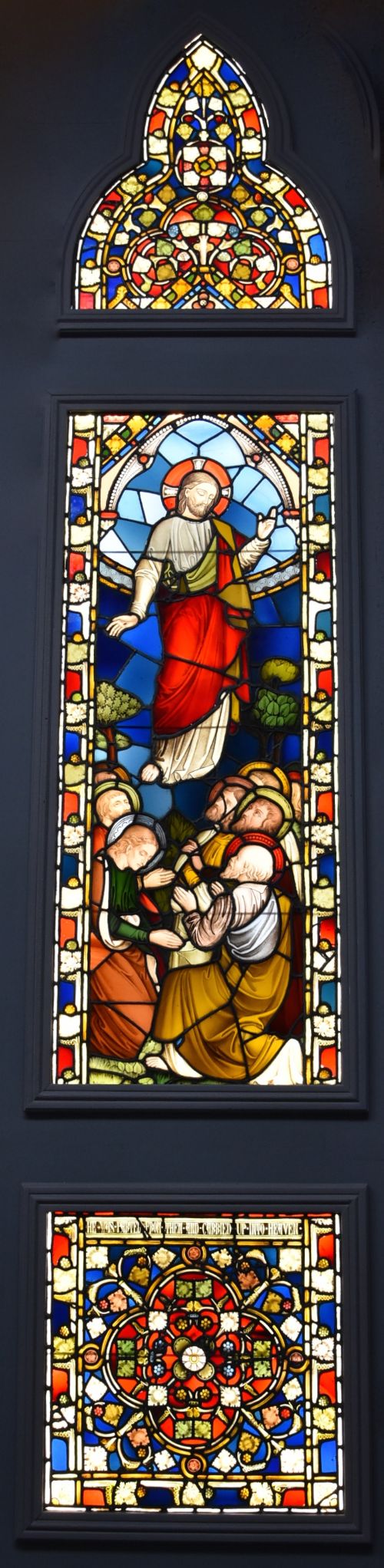


Victorian Gothic Glass Panel
A victorian gothic glass panel brings deep colour and historic architectural presence to a room, catching the light through rich painted detail.
Victorian Gothic Glass Panel
A victorian gothic glass panel encompasses stained and leaded windows, architectural salvage, and church windows originating from the nineteenth century. These pieces display the heavy influence of the Gothic Revival and Pre-Raphaelite styles through religious subjects, heraldic figures, and traditional window forms.
Buyers frequently encounter arched church windows, leaded domestic panels, and triptych formats executed during the Victorian era. The selection also includes related items like oak overmantel mirrors and secretaire bookcases set with brass panels.
Originating largely from English and continental workshops, these panels reflect the nineteenth-century revival of medieval glazing techniques. Each piece carries the distinct structural leadwork and hand-painted enamel typical of the period.
How they were made
Craftsmen built these panels by cutting coloured glass to shape and joining the pieces together with flexible lead cames. The joints were then soldered at the intersections to secure the entire matrix within a rigid framework.
Victorian Gothic Glass Panel Retail Price Guide 2026
Typical asking prices for victorian gothic glass panel among the pieces listed under this phrase on Sellingantiques today, from the lower quarter to the upper quarter. They describe what is for sale here now, not the wider market.
Listings for this phrase feature nineteenth-century items incorporating lead, glass, oak, and brass across architectural salvage and furniture forms.
What varies in quality
The sophistication of the hand-painted brushwork and the depth of colour within the glass determine the visual merit of a panel. Superior pieces exhibit precise kiln-fired enamel work and complex figural composition rather than simple geometric leading.
The integrity of the original lead network and the preservation of the glass surface influence the overall character. Panels that retain their original architectural framing or church provenance hold greater historical cohesion.
Sir Edward Burne-Jones
The Victorian Gothic Glass Panel Glossary
- Came
- A slender grooved strip of lead used to hold pieces of glass together in a window. These strips form the structural grid and linear design of the panel.
- Gothic Revival
- An architectural and artistic movement popular in the nineteenth century that drew inspiration from medieval design. It is characterised by pointed arches, religious iconography, and solemn vertical forms.
- Triptych
- A picture or carving divided into three panels, often hinged or displayed together. In glass panels, this format typically presents a central religious scene flanked by two related narrower panes.
- Leaded glass
- Glass pieces held together by a network of lead cames rather than set into a solid wooden sash. This method allows for intricate pictorial designs and varying window shapes.
Victorian Gothic Glass Panel: Frequently Asked Questions
How were these glass panels originally used?
These panels primarily served as windows in churches, ecclesiastical buildings, and wealthy domestic residences during the nineteenth century. They provided filtered light while depicting religious narratives, saints, and heraldic coats of arms.
Some smaller panels functioned as decorative transoms above interior doors or as decorative inserts within wooden furniture such as bookcases and overmantel mirrors.
How can I tell a Victorian panel from a modern replica?
Nineteenth-century glass shows subtle inconsistencies in thickness, bubbles, and surface texture resulting from period manufacturing methods. The lead cames often exhibit oxidation and mellow patination accumulated over decades.
Modern replicas typically feature uniform machine-rolled glass and bright, unoxidised lead with clean soldering that lacks age-related sagging or rigidity.
Can these windows be fitted into modern homes?
These architectural panels can be installed as interior room dividers, hung in front of existing double-glazed windows, or mounted on walls as illuminated art pieces. Many buyers utilise them as striking focal points in hallways or above fireplaces.
When placed exteriorly, older leaded panels usually require protective secondary glazing to shield the fragile historic glass from weather damage.