
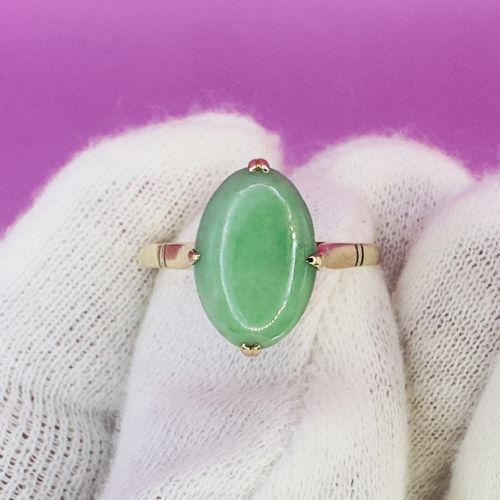


Victorian Gold Solitaire Ring
The victorian gold solitaire ring is a single-stone jewel defined by nineteenth-century craft and enduring proportion.
Victorian Gold Solitaire Ring
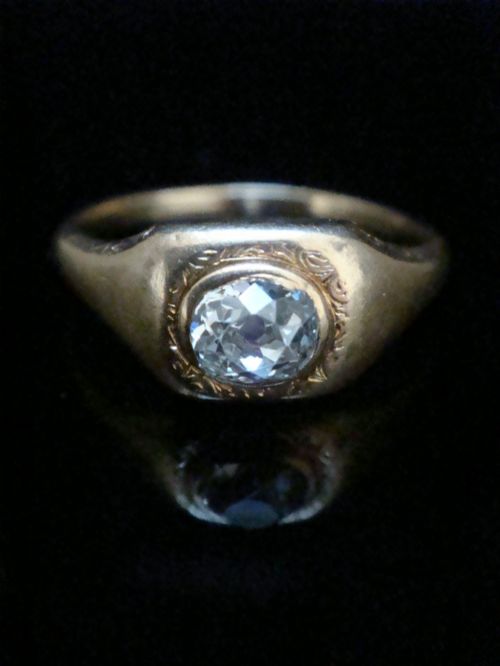
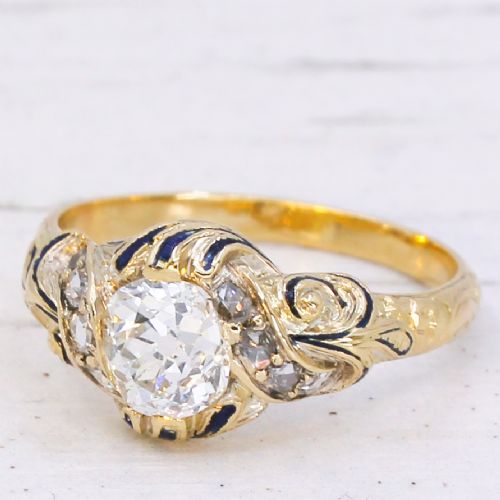
A victorian gold solitaire ring centres on a single prominent gem held within a yellow, rose or higher-carat gold band. These pieces emerge predominantly from the nineteenth century and the Edwardian era, spanning periods from the 1870s through to 1900 and beyond.
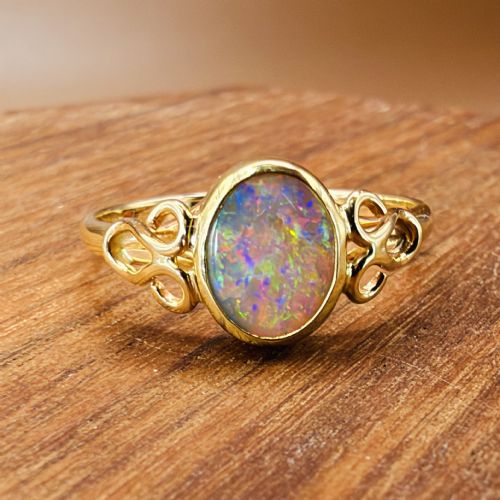
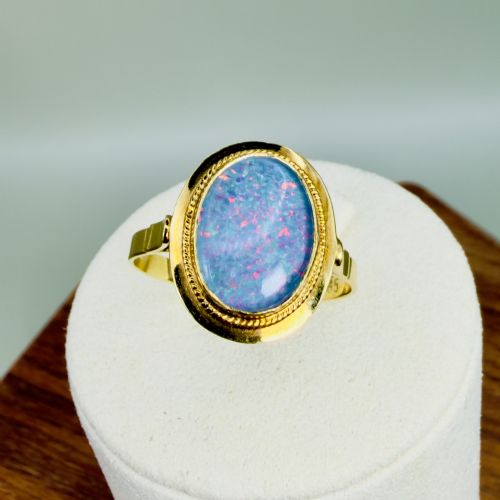
Buyers encounter traditional claw settings, flush gypsy mountings and bezel designs alongside distinct styles like Etruscan Revival. The selection balances diamond centre stones with alternative gems including opal, sapphire, ruby and turquoise.
Most surviving examples showcase hand-cut stones such as old European cuts or rose cuts set in yellow gold alloys ranging from nine to eighteen carats. The forms vary from delicate pinky rings to heavy men's bands and substantial engagement pieces.
Materials and technique
Goldsmiths utilised yellow gold in varied purities, combining 9ct, 15ct, 18ct and occasional 22ct alloys to shape the shanks and settings. Stones were secured using manual techniques including star settings, flush gypsy mounts and raised claws.
Gemstones were cut by hand rather than machine, resulting in distinctive old European cuts, mine cuts and rose cuts with deep pavilions and characteristic facets. These traditional methods ensure each mounting responds directly to the specific geometry of the individual stone.
Listings feature yellow gold, 18ct gold, and 9ct gold alongside silver, with gemstones including diamond, opal, sapphire, ruby, and turquoise across Victorian and Edwardian periods.
Variations in quality
Quality rests upon the weight, clarity and historical cut of the central gemstone, alongside the structural integrity of the surrounding gold band. Hand-cut diamonds with substantial carat weights and lively optical properties elevate a piece above standard commercial examples.
The refinement of the setting work distinguishes superior workshops, visible in the precision of star gypsy engravings and the secure execution of claw or bezel mounts. Preservation of original hallmarks and minimal wear to the gold shank further define the upper tier of surviving examples.
The Victorian Gold Solitaire Ring Glossary
- Solitaire
- A ring featuring a single set gemstone, designed to draw focus entirely to the central stone. This form became particularly popular for engagement rings during the nineteenth century.
- Old European Cut
- An early form of brilliant-cut diamond characterised by a small table, high crown and large culet. Cut by hand, these stones display distinctive broad light flashes under candlelight.
- Gypsy Setting
- A mounting style where the gemstone is flush-set directly into the thick metal band, often accented with star engravings. This technique offered durability for everyday nineteenth-century wear.
- Rose Cut
- A historic diamond cut featuring a flat base and a domed crown with triangular facets arranged in a symmetrical pattern. This style dates back centuries and produces a soft, translucent gleam.
- Bezel Setting
- A method of securing a gemstone where a thin collar of gold wraps entirely around the stone's perimeter. It provides a smooth, protective edge prized in antique design.
Victorian Gold Solitaire Ring: Frequently Asked Questions
How do I identify a Victorian solitaire?
Look for hand-forged gold shanks paired with early gem-cutting styles like old European or rose cuts. Maker marks, Birmingham assay stamps and distinct mounting techniques such as gypsy settings help confirm the period.
Examine the back of the setting and the profile of the band. Nineteenth-century pieces often display closed or semi-open collets and warmer yellow or rose gold alloys distinct from modern bright white metals.
How should I care for antique gold rings?
Clean these pieces gently using warm water, mild soap and a soft brush, avoiding harsh chemical ultrasonic cleaners. Antique settings, particularly opal or turquoise varieties, require careful handling to protect the stones from moisture and impact.
Store each ring separately in a fabric-lined box to prevent the gold bands and old-cut stones from scratching against other jewellery.
What is the difference between old cut and modern cut diamonds?
Old cut diamonds were shaped entirely by hand under natural light, resulting in smaller tables, steeper crowns and open culets. Modern cuts utilise precise machinery engineered for maximum mathematical brilliance.
An antique old cut stone emits a softer, chunkier pattern of light reflection that complements the handmade character of nineteenth-century gold mountings.