


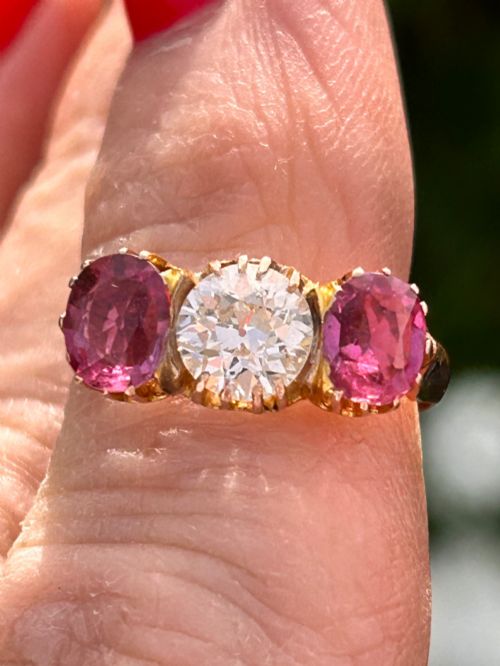
Victorian Gold Gemstone Ring
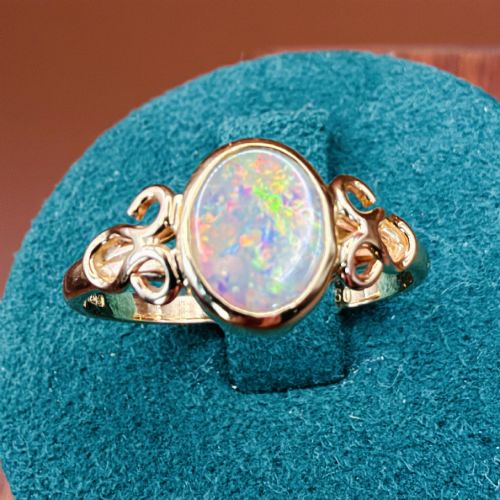
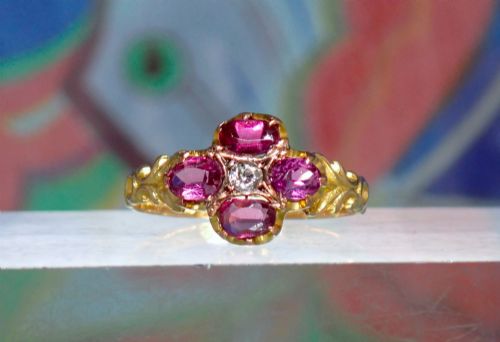
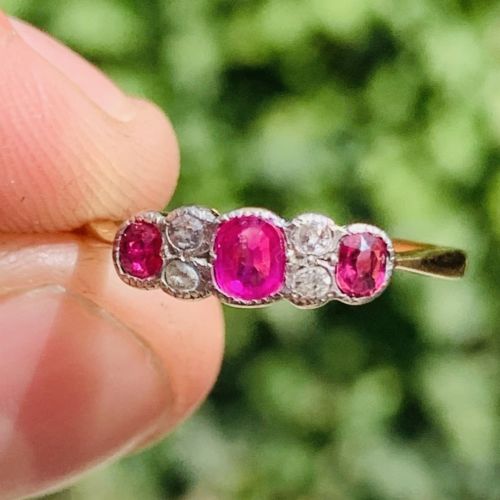
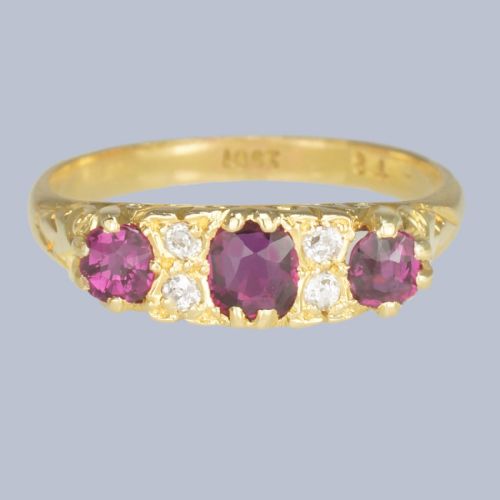
These pieces of a victorian gold gemstone ring carry the heavy warmth of nineteenth-century metalwork combined with bright stones.
Victorian Gold Gemstone Ring
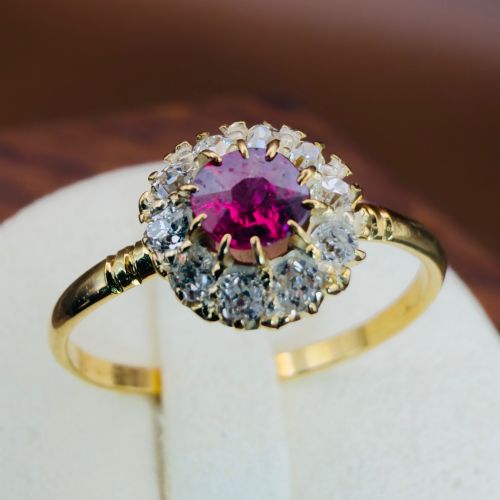
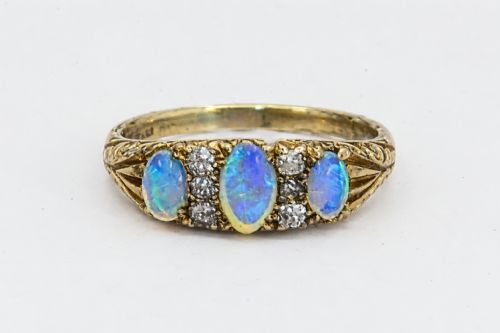
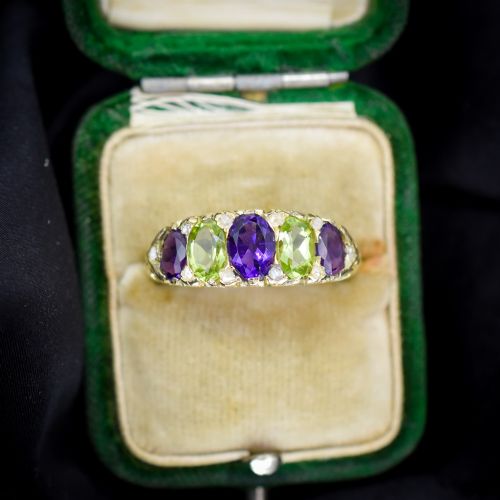
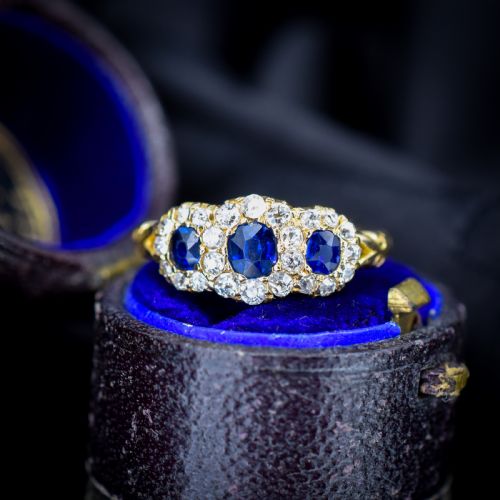
A victorian gold gemstone ring brings together yellow gold bands and settings with coloured gems such as ruby, sapphire, opal, garnet, and diamond. Buyers encounter cluster forms, multi-stone settings, and boat rings spanning the nineteenth century into the early twentieth century.
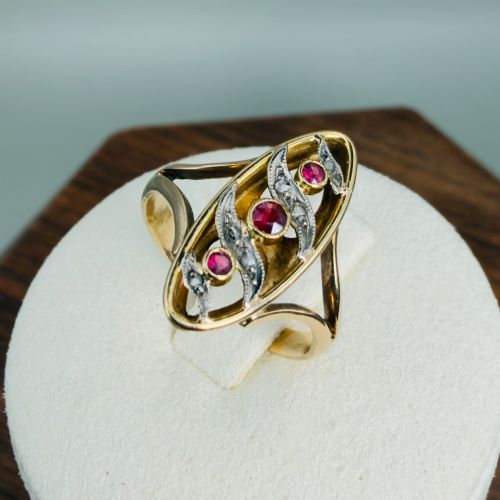
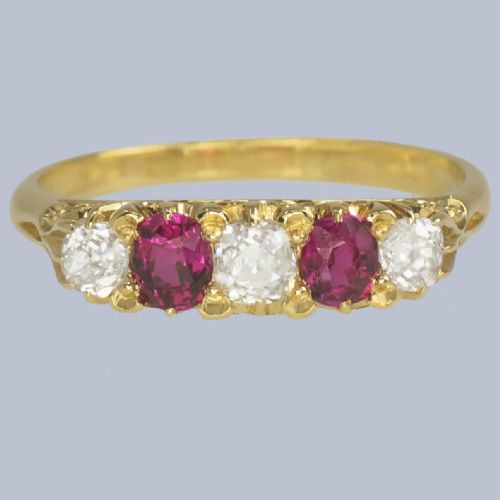
The materials recorded across these pieces rely heavily on eighteen-carat gold and fifteen-carat gold alongside precious stones. Standard configurations include five-stone bands, starburst motifs, and delicate navette silhouettes.
Origin details connect many examples to traditional British assay offices and continental workshops. Pieces range from formal late-Victorian cluster designs to softer Edwardian interpretations.
How they were made
Goldsmiths shaped high-karat yellow gold using hand-forged techniques, casting bands and soldering intricate settings by hand. Stones were secured using early claw mounts, bezel settings, and flush starburst engravings that held diamonds and coloured gems firmly in place.
Gemstones such as opals, rubies, and old-cut diamonds were hand-cut and polished to fit asymmetrical or geometric cluster arrangements. Metalwork often featured chased patterns along the band shoulders to complement the central stones.
Listings feature yellow gold settings spanning the Victorian, Edwardian, and Art Nouveau periods, alongside mid-twentieth-century revival pieces.
What varies in quality
The standard of a ring rests upon the depth of the gold work and the matching of the stones. Heavier gauge eighteen-carat gold bands hold their shape better over generations than lighter settings.
Gemstone selection dictates the distinction between standard production and finer pieces. Uniformity in colour saturation for rubies and sapphires, alongside lively play-of-colour in opals, separates simpler rings from more ambitious masterworks.
The Victorian Gold Gemstone Ring Glossary
- Navette
- A boat-shaped or marquise-like ring silhouette that elongates along the finger. This style was popular during the Victorian and Art Nouveau periods.
- Old mine cut
- An early diamond cut featuring a roughly square girdle, high crown, and large culet facet. These stones were hand-faceted before modern machinery.
- Cluster ring
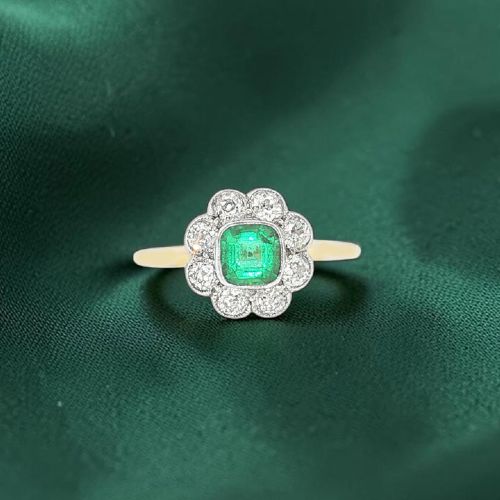
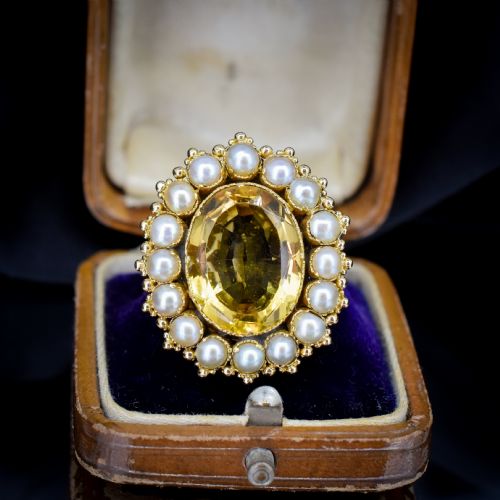
- A design featuring a central gemstone surrounded by a border of smaller stones, often diamonds. This arrangement maximises visual impact on the hand.
- Bezel setting
- A method where a thin collar of metal wraps around the perimeter of the gemstone to secure it. It offers a smooth profile against the finger.
- Trilogy
- A three-stone ring configuration representing past, present, and future. These settings commonly pair a central gem with two flanking diamonds.
Victorian Gold Gemstone Ring: Frequently Asked Questions
How do I care for my ring?
Clean these items gently using warm water and a soft cloth without harsh chemical immersion. Soft stones like opals and pearls require extra care to avoid scratches and moisture damage.
Store each piece separately in a lined box to prevent metal friction and gemstone contact. Regular checks by a professional jeweller ensure claws remain secure around the stones.
Were these rings worn daily?
Victorian rings were frequently worn as daily tokens of affection, engagement, or remembrance. Heavier eighteen-carat gold bands survived everyday wear remarkably well.
Lighter settings or softer gems like turquoise and opal were often reserved for special occasions. Owners historically treated them as personal heirlooms passed down through families.
How can I date a ring?
Hallmarks stamped inside the band provide direct clues through assay office symbols and date letters. Chester and Birmingham offices recorded specific years of manufacture on many surviving pieces.
Stylistic elements like starburst engravings, navette shapes, and old-cut diamonds also point toward specific decades between eighteen-seventy and nineteen-hundred.
What stones are most common?
Rubies, sapphires, and garnets appear frequently alongside sparkling diamonds in cluster and multi-stone band configurations. Opals and turquoises also feature prominently in nineteenth-century designs.
Coloured gemstones were often chosen for their symbolic meanings or personal significance to the original wearer. Combinations of diamonds with red or blue stones dominated the era.