


Victorian Gold Box
When you handle a victorian gold box, you hold a tangible piece of nineteenth-century craftsmanship designed to hold precious personal tokens.
Victorian Gold Box
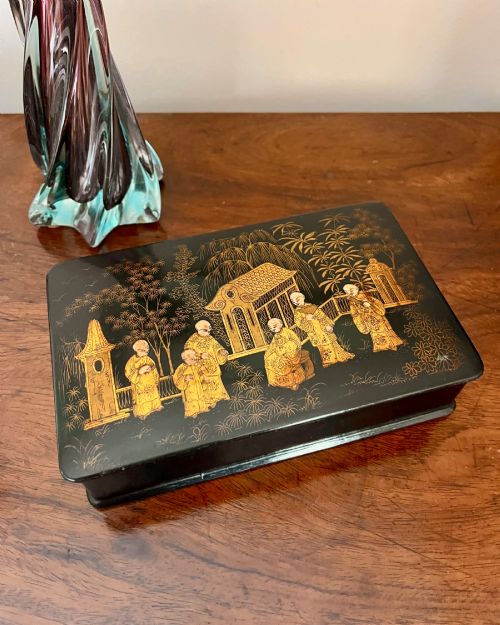
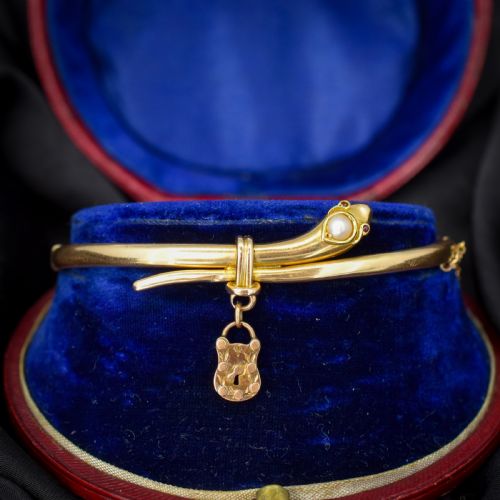
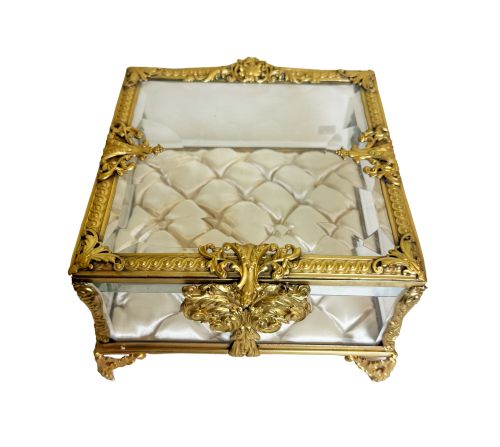
Collectors frequently encounter small circular or rectangular gold containers alongside fitted presentation cases that originally housed jewellery or medallions. The selection spans domestic English work alongside continental imports bearing hallmarks from the era.
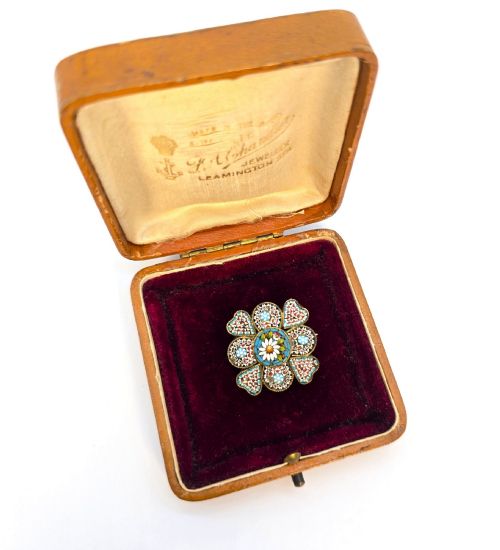
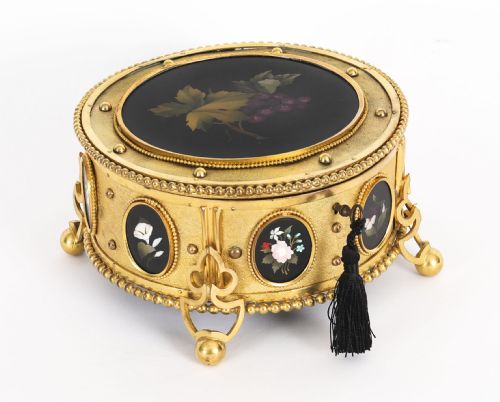
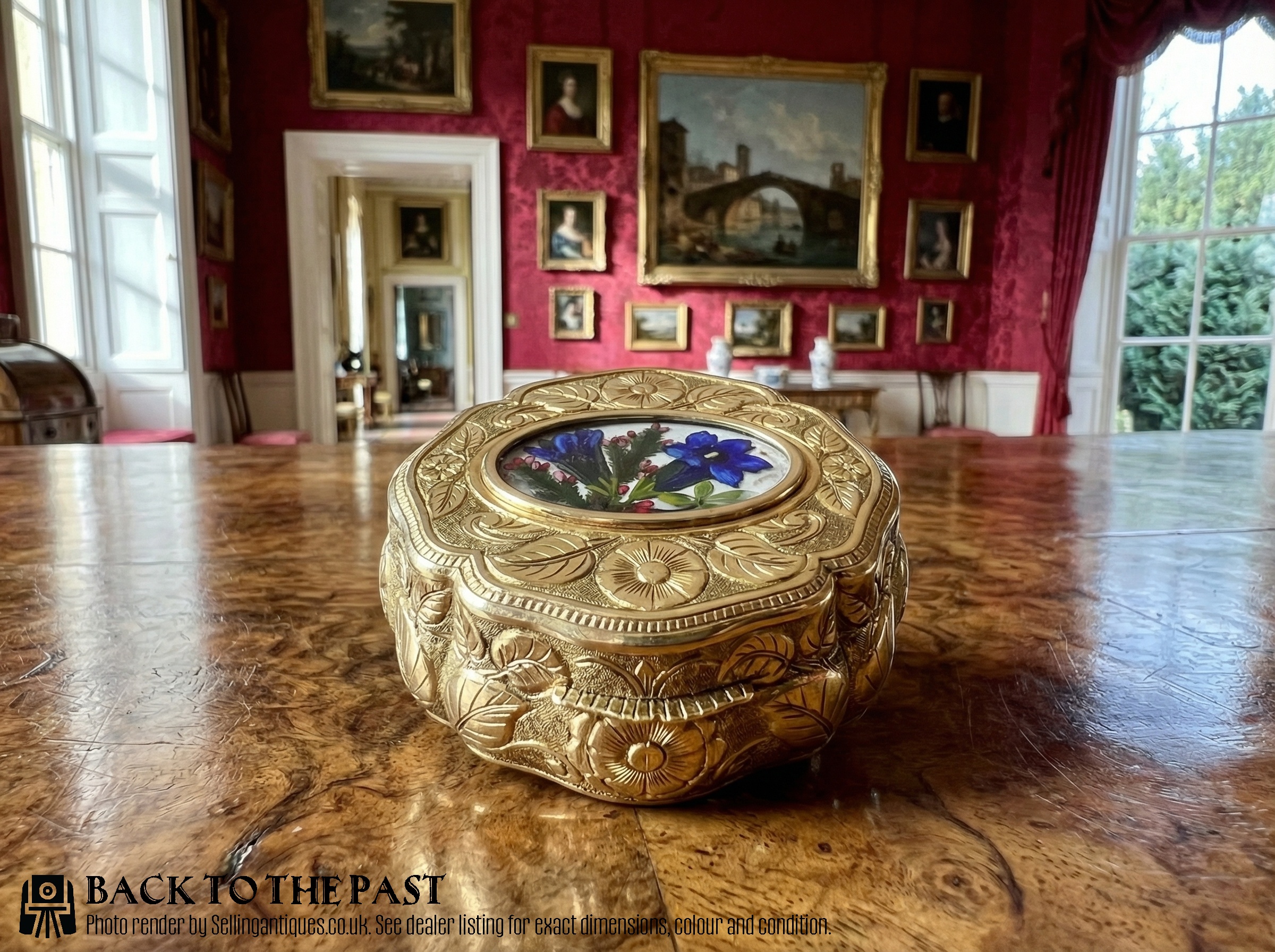
The forms range from plain polished gold surfaces to ornate chased lids, sometimes incorporating regional Scottish hardstones or delicate micro-mosaics. Each variant demonstrates the distinct utility and ornamental taste of the nineteenth century.
Materials and Techniques
Makers utilised high-carat yellow gold, ranging from nine to twenty-two carats, often combining different shades of gold alloy for decorative contrast. Precious metals were shaped through casting, hammering, and fine engraving.
Surface decoration frequently involved intricate chasing, engine-turning, and the setting of pearls, garnets, or agates into the metal lid. Interior compartments often lined themselves in silk or velvet to cradle the contents safely.
Some Victorian gentlemen hid tiny compartments inside their tobacco containers just to keep secret love tokens safe from prying eyes.
Assessing Quality
The distinction between standard workshop output and exceptional craftsmanship rests upon the crispness of the chasing and the structural integrity of the hinges and closures. Superior pieces exhibit a seamless fit when the lid shuts, with no lateral play in the pin.
The weight of the gold and the presence of clear hallmarks or maker marks elevate an object's standing significantly. Master goldsmiths employed heavier gauge metal and more complex decorative programs than those found on simpler commercial wares.
Howell & James London·Eade & Son·Negretti & Zambra·Samson Mordan·Hawkes & Co·David McDonald·Hamilton & Co·Carlisle & Watts·Goldsmiths & Silversmiths Co
The Victorian Gold Box Glossary
- Hallmark
- Official stamps applied to precious metals indicating purity, origin date, and the assay office responsible for testing.
- Chasing
- The technique of hammering a metal design from the front to create low-relief surface decoration.
- Engine-turning
- A mechanical method of engraving precise geometric patterns into metal using a specialised lathe.
- Snuff box
- A small pocket-sized container specifically designed to hold powdered tobacco.
- Pietra dura
- An artistic technique using inlaid cut and fitted polished coloured stones to create pictorial images.
Victorian Gold Box: Frequently Asked Questions
What were these boxes used for?
Owners kept powdered tobacco, stamps, or small personal trinkets inside these containers. They served as functional pocket accessories for polite society.
Larger variations sat upon dressing tables to secure rings, brooches, and loose coins at the end of the day.
How do I know the gold purity?
Look inside the lid or along the rim for stamped hallmarks and numerical designations indicating the carat weight. British pieces usually carry assay office marks.
Unmarked items require professional testing to determine the precise alloy content used by the maker.
Are original presentation cases common?
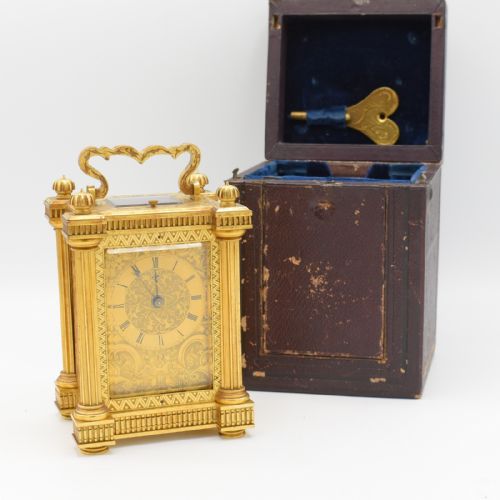
Original fitted boxes do survive with certain pieces, lined in velvet or silk to match the contours of the gold object inside. These cases protect the contents and often bear the retailer's name on the inner lid.
Finding a piece complete with its original housing enhances the historical completeness of the item.
How should I clean my gold box?
Dust the exterior gently with a soft microfibre cloth to remove surface particles without scratching the soft high-carat gold. Avoid chemical dips that might damage inlaid stones or fabric linings.
Consult a professional conservator if the hinge requires adjustment or if stubborn tarnish accumulates in the recessed chasing.