



Victorian Gold Bar Pin
A victorian gold bar pin brings together slender length and fine gemstone setting, offering a refined fastening for lapels and collars.
Victorian Gold Bar Pin
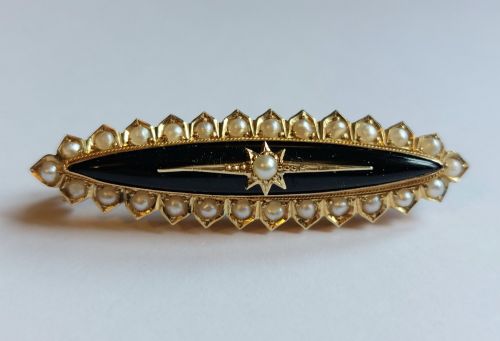
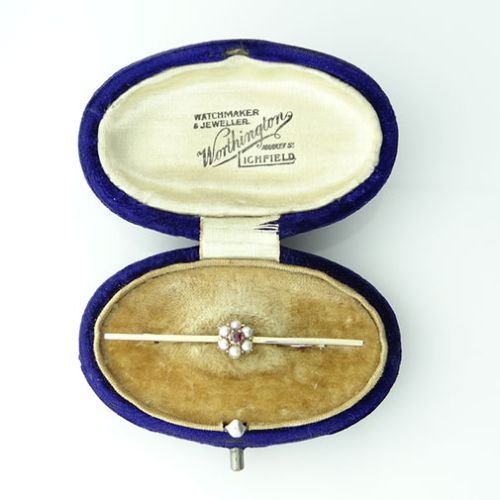
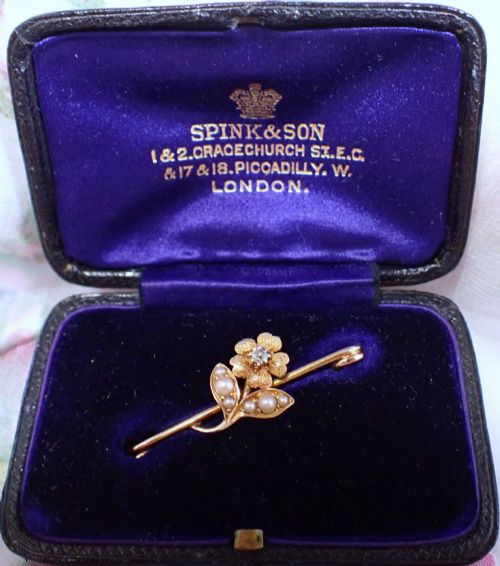
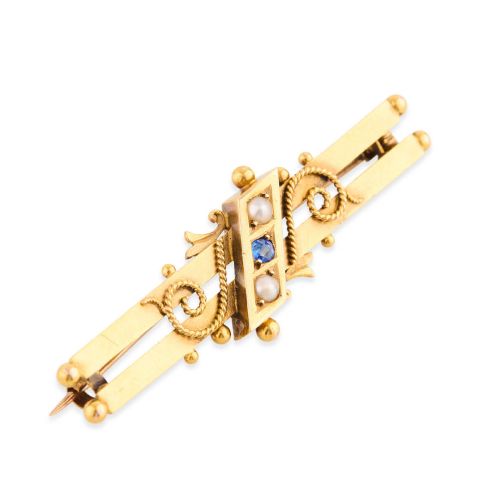
A victorian gold bar pin typically presents a linear metal shaft mounted with central clusters, floral motifs, or gemstone clusters. These pieces originate predominantly from the Victorian and Edwardian periods, stretching into the early twentieth century.
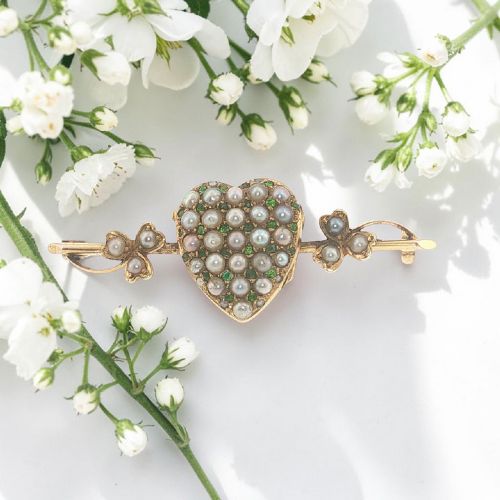
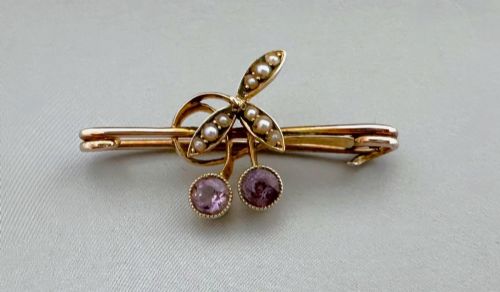
The selections here span simple linear shafts to elaborate figural and botanical subjects such as swallows, dragonflies, hearts, and crescents. Brooches and related pin forms constitute the primary objects encountered within this grouping.
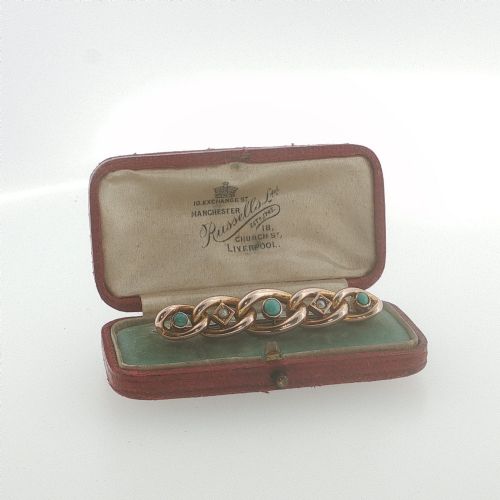
Many examples incorporate regional hallmarks, assay marks, and specialised formations like double bars or fitted presentation boxes. Buyers encounter both robust fifteen-carat yellow and rose gold alloys alongside nine-carat alternatives.
What varies in quality
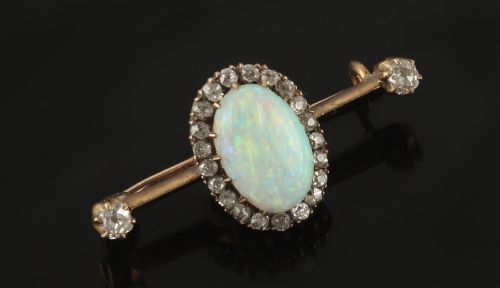
The distinction between standard examples and superior work rests on the fineness of the gold alloy and the selection of gemstones. Higher-tier pieces employ fifteen-carat gold paired with well-matched natural stones like unheated sapphires, imperial pink topaz, or clean old-cut diamonds.
Construction rigidity and the intricacy of miniature motifs also separate exceptional items from ordinary production. Original safety chains, clean claw work, and intact box housings elevate the overall character of a piece.
Several insects and animals populate these pins, including monkeys, spiders, swallows, dragonflies, and cockerels.
The Victorian Gold Bar Pin Glossary
- Bar Brooch
- A horizontal metal pin designed to secure garments while displaying central ornamentation. These long slender forms typify nineteenth-century fastening jewellery.
- Seed Pearl
- A tiny, naturally formed saltwater or freshwater pearl utilised in delicate clusters. Jewellers arranged them tightly to form floral petals and crescent moons.
- Old Cut Diamond
- A hand-faceted diamond cut prior to the development of modern brilliant standards. These stones exhibit smaller tables and open culets that catch candlelight warmly.
- Assay Mark
- An official stamp indicating the purity of the precious metal content. Marks such as those from Chester provide reliable chronological anchors for evaluation.
Victorian Gold Bar Pin: Frequently Asked Questions
How do I wear a bar pin safely?
Thread the pin diagonally through dense fabric rather than delicate silk to distribute weight evenly across the garment. Utilising a small protective backing on the pin stem prevents accidental loss during daily wear.
Store the item flat in a lined jewellery box when not in use to protect protruding gemstones and delicate hinged mechanisms.
Are these pins marked with gold purities?
Many examples feature stamped hallmarks indicating nine-carat or fifteen-carat gold content alongside maker marks and assay office symbols. Unmarked pieces rely on traditional alloy colouration, weight, and testing for verification.
Periods transition from unmarked early Victorian items to strictly regulated stamped pieces by the late nineteenth century.
What gems appear on these pins?
Pearls, old-cut diamonds, garnets, turquoises, and opals form the primary decorative elements across these listings. More uncommon variants introduce chrysoberyl, peridot, aquamarine, and unheated sapphires.
Stones are typically selected for their colour contrast against yellow and rose gold backgrounds.
How do I clean antique gold safely?
Use a soft, dry microfibre cloth to remove surface dust from the metal and gemstone settings. Avoid liquid immersion, harsh chemical dips, and ultrasonic cleaners, as these can dislodge seed pearls or damage soft stones like opals.
Professional jewellers should inspect fragile settings if deep cleaning becomes necessary.