



Victorian Gold Bar Brooch
A victorian gold bar brooch brings together slender precious metal foundations and finely clustered gemstones that catch the light with quiet restraint.
Victorian Gold Bar Brooch
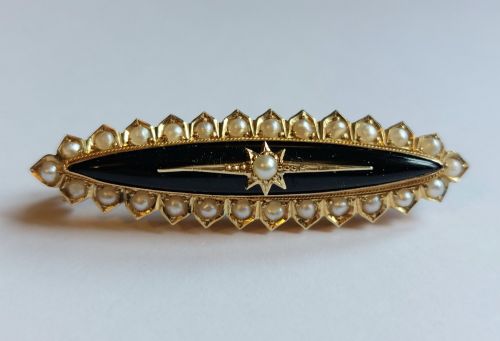
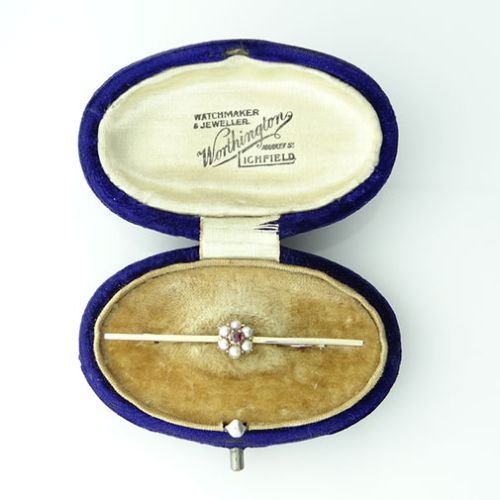
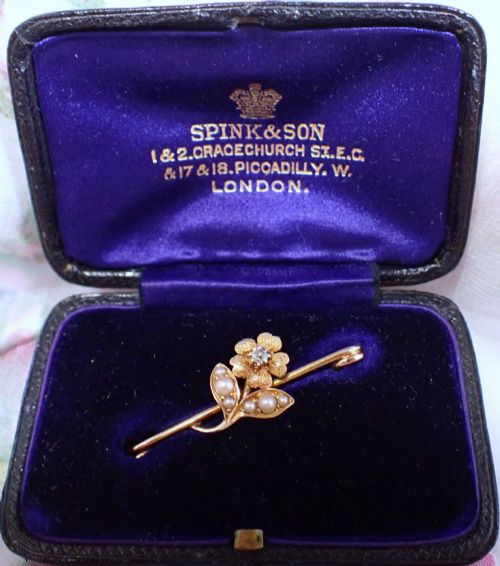
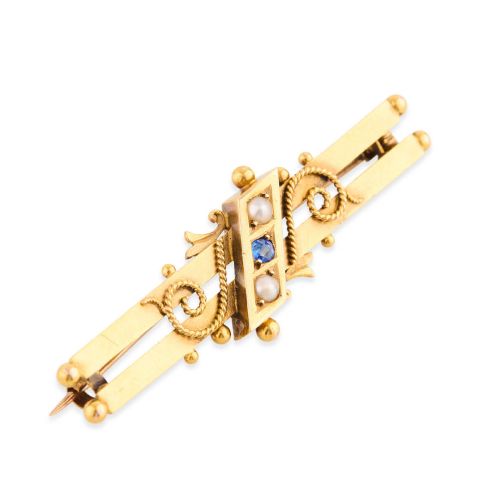
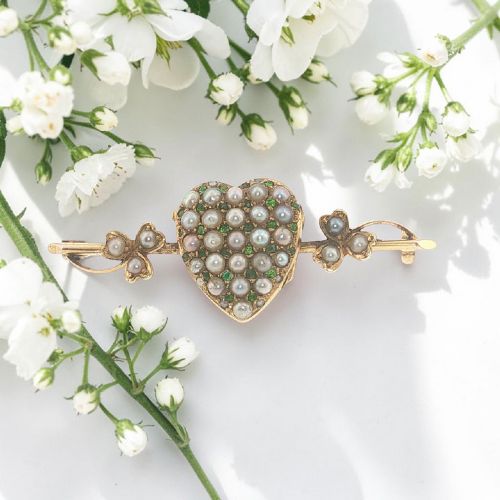
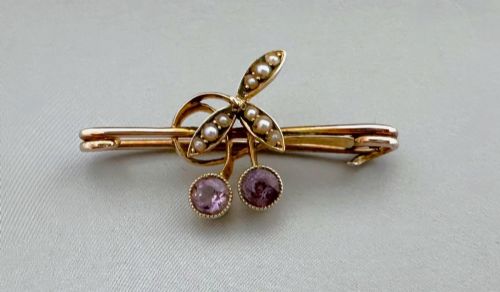
A victorian gold bar brooch consists of a narrow linear metal pin designed to fasten securely onto heavy fabrics while displaying decorative motifs along its length. These pieces frequently incorporate central floral clusters, crescent moons, insects, or hearts fashioned from precious stones.
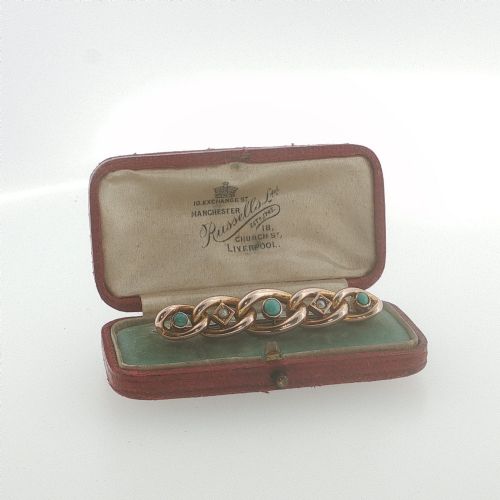
The selections encountered here span from the nineteenth century into the early twentieth century, encompassing both traditional Victorian designs and Edwardian interpretations. Makers constructed these items in various gold purities, including nine-carat and fifteen-carat yellow and rose gold.
Beyond straightforward bar pins, the selection includes double bar formations and pieces accompanied by dangling pendants or integrated safety chains. Collectors often find themed configurations such as swallows, horseshoes, and clover leaves mounted directly onto the central bar.
Materials and construction
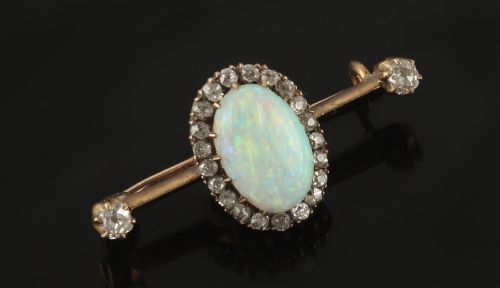
Goldsmiths utilised high-purity yellow and rose gold alloys, casting or drawing the metal into sturdy yet slender bars to support the weight of mounted gems. Stones such as seed pearls, diamonds, sapphires, rubies, and peridots were then painstakingly set using traditional claw, bezel, or star settings.
Intricate motifs like flowers, crescents, and animals required detailed hand-fabrication, often combining multiple coloured gemstones with split pearls or enamel work. Secure hinged pins and C-clasps or safety catches completed the reverse of each brooch, ensuring practical fastening for daily wear.
The listings demonstrate a strong preference for fifteen-carat gold alongside nine-carat variants, accompanied by seed pearls, diamonds, and coloured gemstones.
Quality and craftsmanship
Superior examples display crisp casting and stone settings that hold each gem firmly without excess metal obscuring the facets. The choice of stones creates a distinct tier in quality, where finely matched natural sapphires, unheated rubies, or clean old-cut diamonds elevate a piece significantly above standard glass or lesser garnet alternatives.
The complexity of the subject matter and the integrity of the gold work dictate the standing of an item. Brooches featuring fully articulated elements, multiple gem varieties like tourmaline and aquamarine, or traceable hallmarks reflecting regional assay offices demonstrate superior workshop origin.
The Victorian Gold Bar Brooch Glossary
- Bar brooch
- A decorative pin featuring a narrow horizontal metal rod as its main structural element. This format became immensely popular during the nineteenth century for securing cravats and heavy woolen garments.
- Seed pearl
- A very small natural or saltwater cultured pearl, typically measuring under two millimetres in diameter. These tiny pearls were frequently clustered together to form flowers, stars, or crescent moons.
- Old-cut diamond
- A hand-faceted diamond cut prior to the standardisation of the modern brilliant cut in the early twentieth century. These stones typically feature smaller tables, higher crowns, and open culets.
- Rose-cut diamond
- A gemstone cut characterised by a flat base and a domed crown covered in triangular facets resembling an unopened rosebud. This historic style emits a soft, glowing lustre rather than sharp brilliance.
- Assay mark
- An official stamp applied to precious metal items to guarantee their gold or silver purity. These marks often indicate the specific town or city testing office and the year of manufacture.
Victorian Gold Bar Brooch: Frequently Asked Questions
How do I wear a bar brooch safely?
Fasten the pin securely through tightly woven fabrics like wool coats, heavy scarves, or structured lapels to prevent the slender bar from bending. Utilising an additional safety pin backing or protector can provide extra security when wearing vintage pieces.
Ensure the C-clasp or rolling catch is fully engaged before stepping out. Storing the brooch flat in a dedicated velvet-lined box prevents the pin from warping when not in use.
What is the difference between Victorian and Edwardian brooches?
Victorian pieces often lean towards heavier gold weights, romantic motifs like hearts and mourning elements, and rich arrangements of garnets, opals, and seed pearls. The aesthetic prioritizes substance and deeply symbolic designs.
Edwardian items frequently showcase lighter platinum-topped gold settings, diamond-heavy swallows, and delicate openwork filigree. The focus shifts towards airiness, intricate floral sprays, and luminous pastel gemstones.
Are these brooches suitable for everyday wear?
These historic pieces withstand regular wear provided they receive gentle care and are pinned to appropriate garments. Avoiding delicate silks and fragile weaves prevents accidental tearing from the sturdy pins.
Removing the jewellery before swimming, exercising, or applying lotions protects both the gold and softer organic gems like pearls and opals from chemical damage.
How should I clean my gold bar brooch?
Use a soft, dry microfiber cloth to gently wipe away surface dust and skin oils after each wearing. Avoid harsh chemical dips or ultrasonic cleaners, especially if the piece contains pearls, turquoise, or opal.
For stubborn grime on the metal portions, a damp cloth with a mild soapy solution works well, provided the brooch is dried immediately and thoroughly afterwards.