

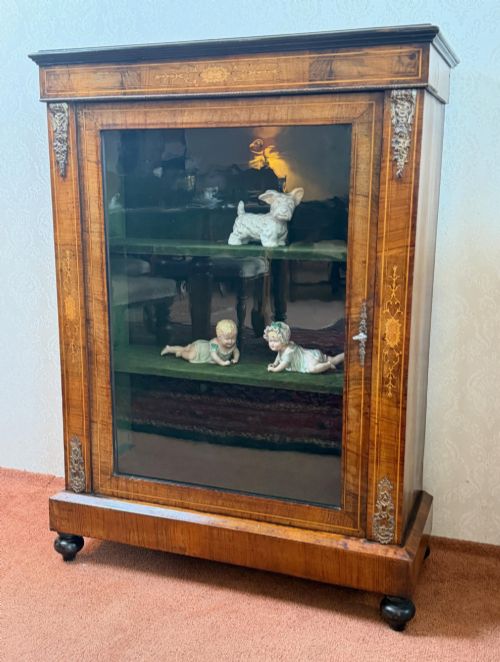
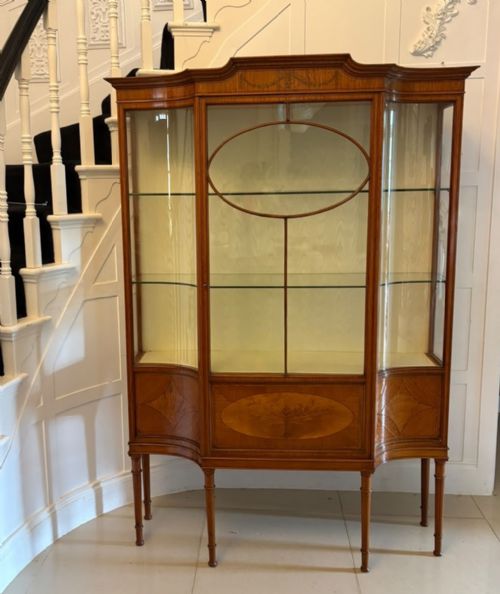
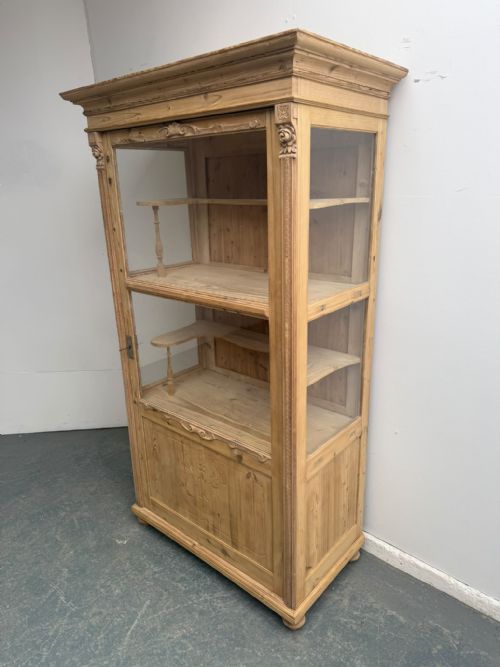
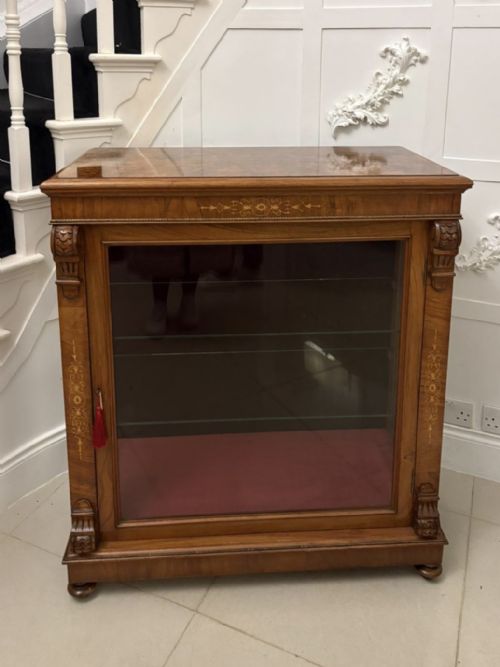
Victorian Glazed Front Bookcase
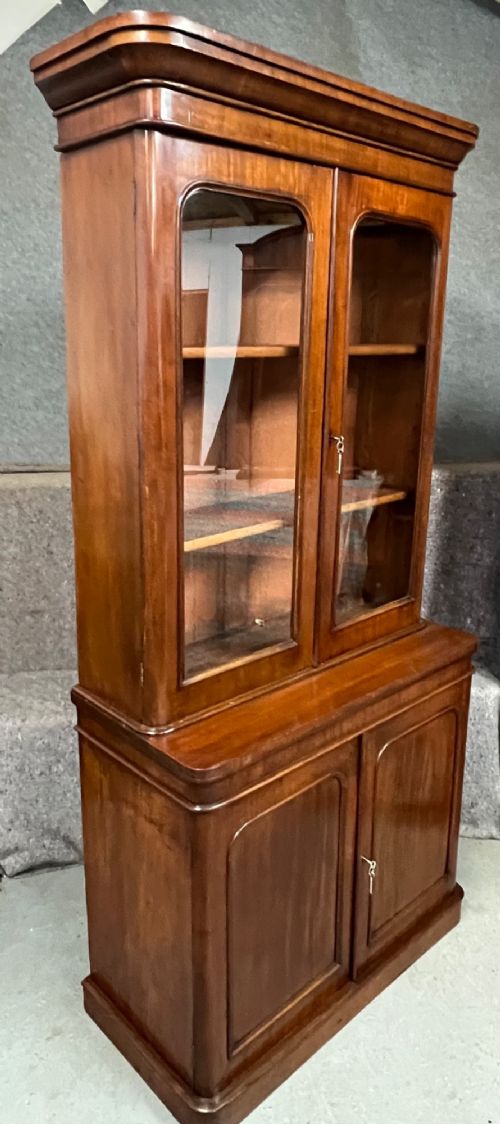
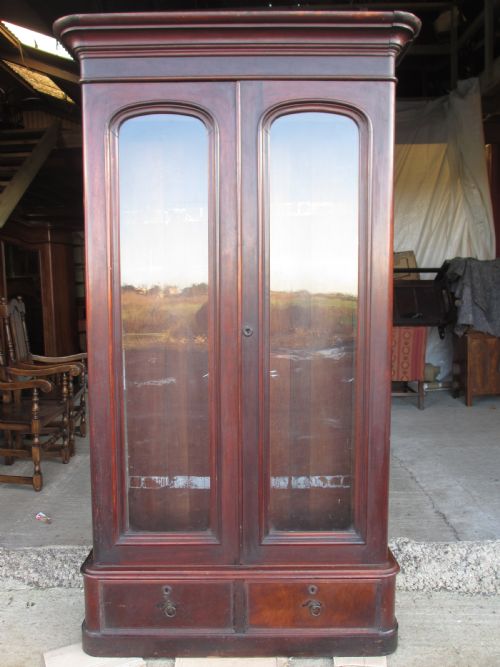
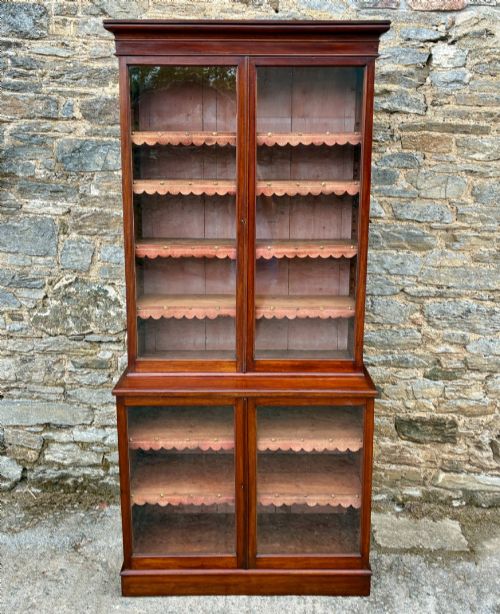
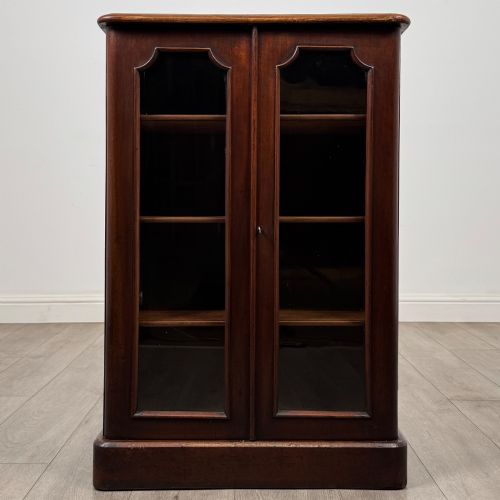
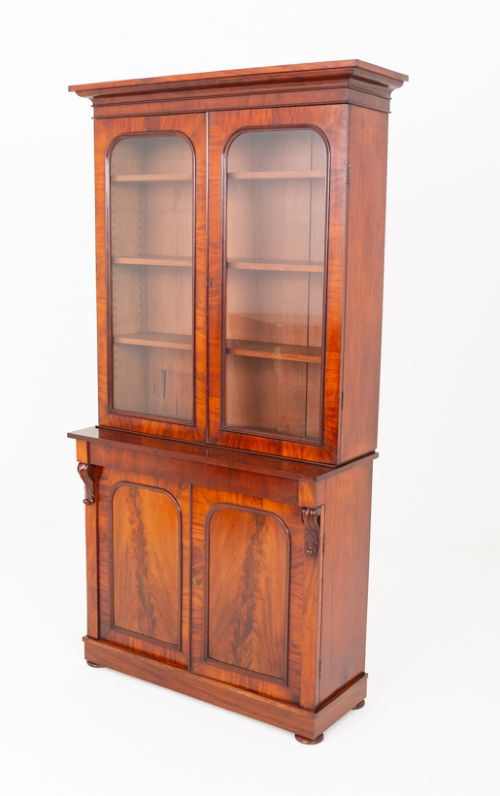
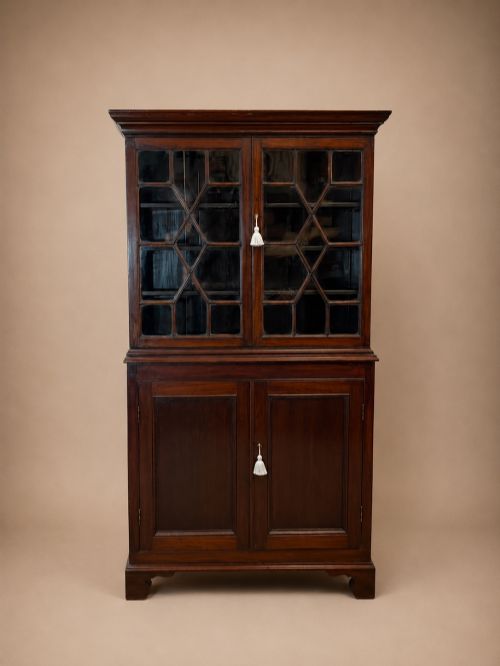
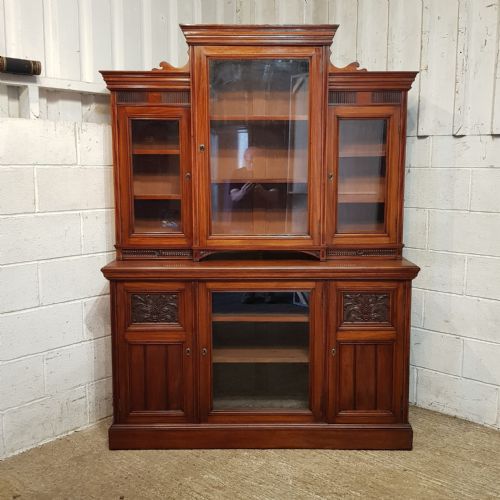
A victorian glazed front bookcase brings warmth and order to a room, storing volumes safely behind glass panels while displaying fine timber grain.
Victorian Glazed Front Bookcase
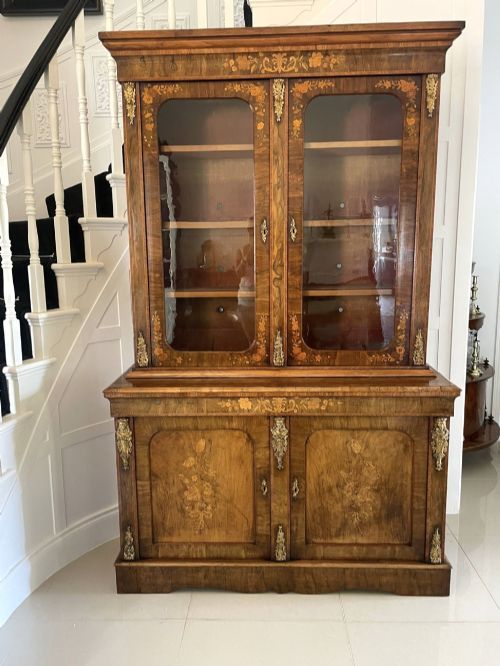
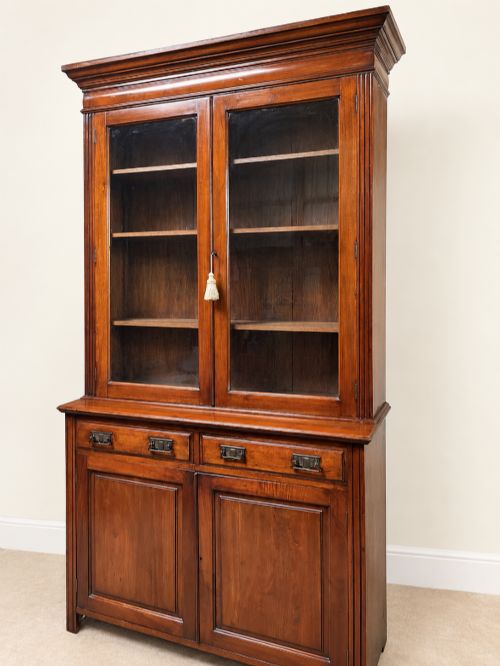
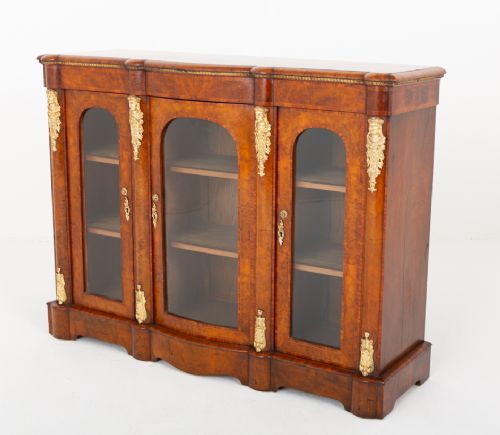
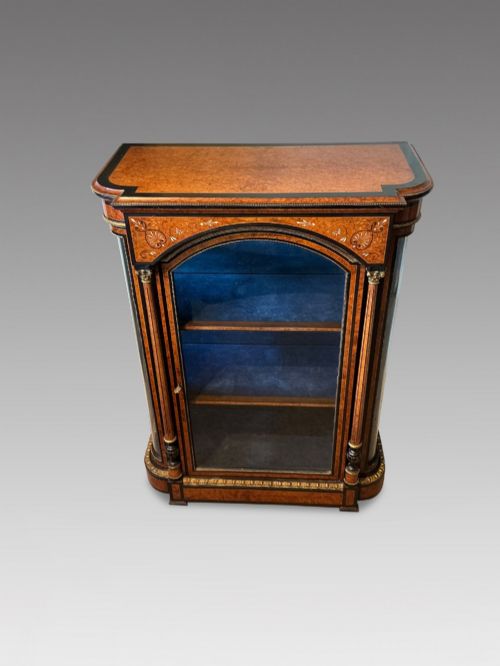
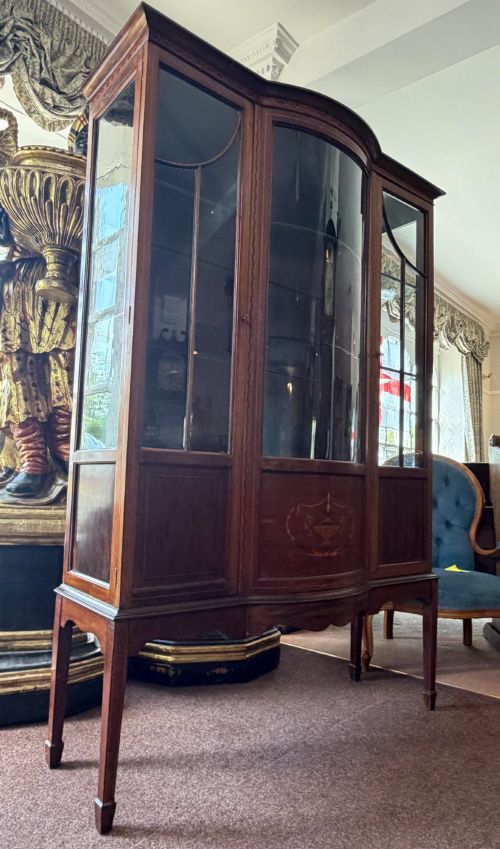
A victorian glazed front bookcase is a timber cabinet designed to hold books and display objects behind transparent glass doors. These items appear across the nineteenth century in forms ranging from slim pier cabinets and credenzas to large breakfront library pieces.
The majority of pieces met on this page are mahogany or burr walnut constructions dating from the mid to late nineteenth century. Bureau and secretaire variants also occur, combining a writing desk workspace with upper glazed shelving.
How they were made
Cabinet makers utilised solid timbers like mahogany and oak for structural integrity, applying fine veneers of burr walnut, satinwood, and rosewood to visible exterior surfaces. Marquetry inlay and crossbanding provide decorative contrast along the cornices and doors.
Glazing bars hold individual glass panes within wooden door frames, while brass hardware secures closures and mounts. Ormolu mounts and velvet linings appear on high-status display pieces and credenzas.
Victorian Glazed Front Bookcase Retail Price Guide 2026
Typical asking prices for victorian glazed front bookcase among the pieces listed under this phrase on Sellingantiques today, from the lower quarter to the upper quarter. They describe what is for sale here now, not the wider market.
Listings feature woods including mahogany, burr walnut, satinwood, rosewood, oak, and brass hardware.
What varies in quality
The sophistication of the timber figure and the precision of the marquetry inlay distinguish superior examples from standard utility storage. Burr walnut with rich natural patterning and crisp floral or geometric marquetry commands greater visual presence.
Construction details such as adjustable internal shelving, solid brass mounts, and well-executed breakfront or serpentine forms separate ambitious cabinet work from simpler production.
Edwards & Roberts
The Victorian Glazed Front Bookcase Glossary
- Burr walnut
- Timber taken from the warted growths of walnut trees, yielding complex, swirling grain patterns. It is highly valued for decorative veneer work on Victorian cabinets.
- Breakfront
- A cabinet design where the central section projects forward from the flanking wings. This architectural arrangement creates shadow and depth across the front elevation.
- Secretaire
- A desk form featuring a pull-down writing flap that conceals small drawers and pigeonholes. In these pieces, it sits beneath the main glazed bookcase section.
- Marquetry
- The art of applying decorative pieces of wood veneer to a structure to form intricate patterns. Makers utilise contrasting timbers to create floral or geometric designs.
- Pier cabinet
- A low, narrow cabinet designed to stand against the wall space between windows. They frequently feature glass doors and velvet-lined interiors for displaying porcelain.
- Ormolu
- Gilded bronze mounts applied to furniture for decorative effect. It adds metallic contrast to dark timber surfaces.
Victorian Glazed Front Bookcase: Frequently Asked Questions
What is a secretaire bookcase?
A secretaire bookcase incorporates a pull-down writing drawer into the cabinetry beneath the glazed upper shelves. This provides a compact writing desk alongside standard book storage.
Such hybrid furniture suited Victorian domestic spaces where efficiency and multifunctionality mattered.
What wood was used most often?
Mahogany and walnut form the primary structural timbers seen across nineteenth-century examples. Cabinet makers frequently added burr walnut or satinwood veneers for decorative effect.
Oak also appears in structural elements and specific architectural bookcase commissions.
Where were pier cabinets placed?
Pier cabinets were built to occupy the narrow wall space between tall windows, known as the pier. Their shallow depth allowed them to fit snugly into these architectural gaps.
Glass doors protected delicate collections from dust while maintaining light reflections in the room.