

Victorian Glazed Case
A victorian glazed case protects and frames precious objects behind glass, bringing nineteenth-century craftsmanship into a modern interior.
Victorian Glazed Case
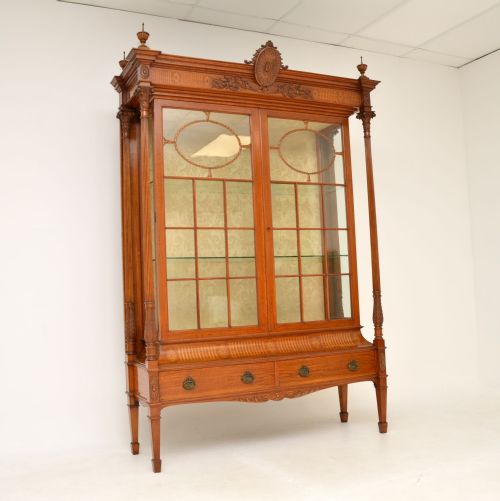
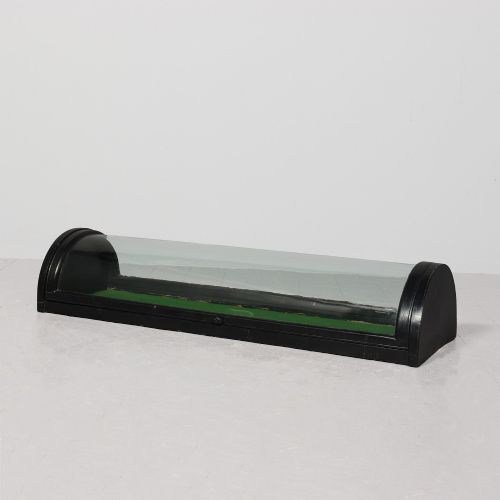
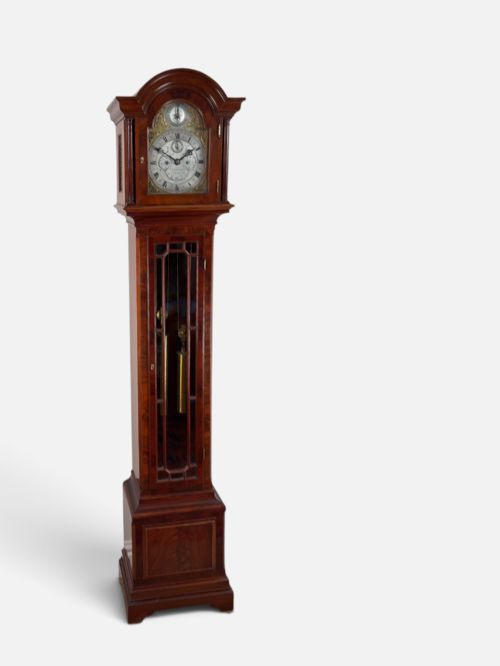
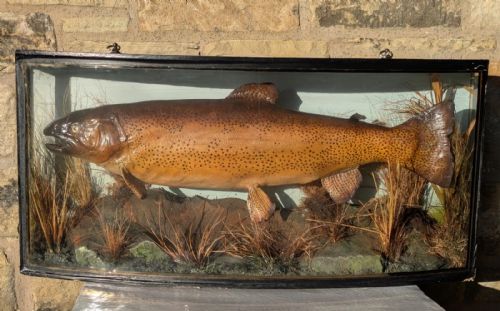
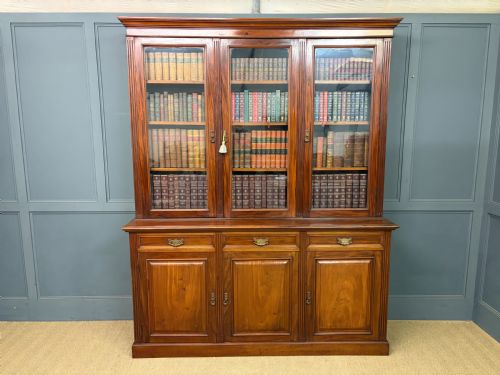
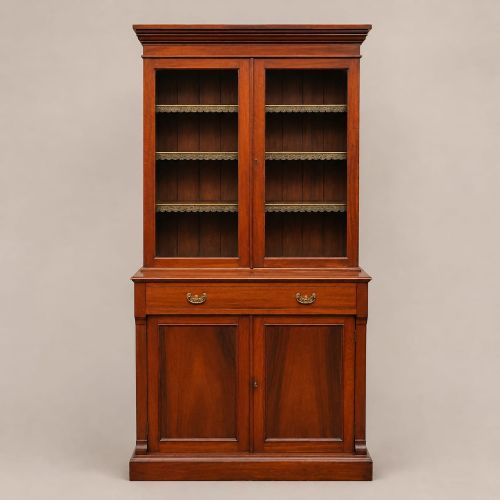
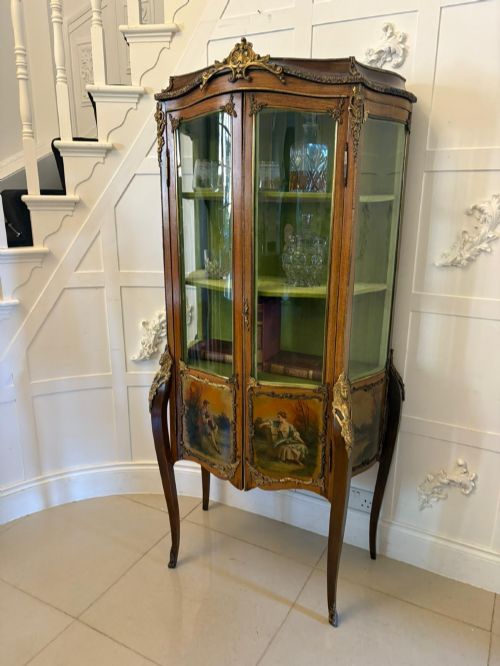
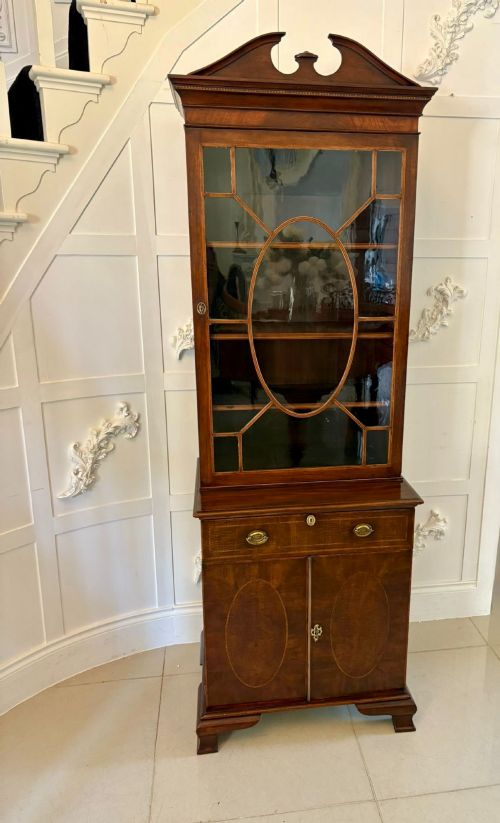
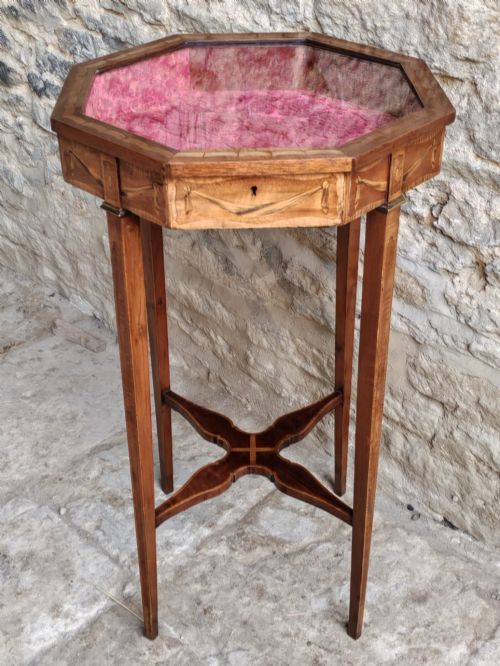
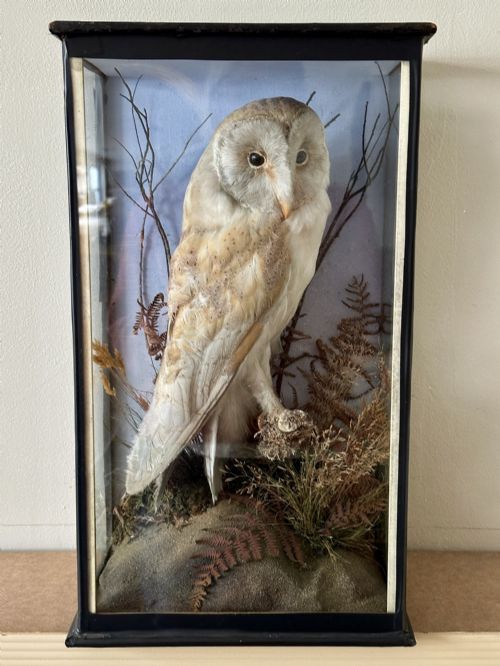
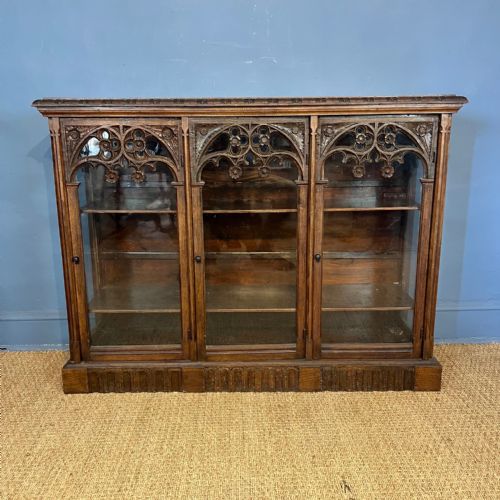
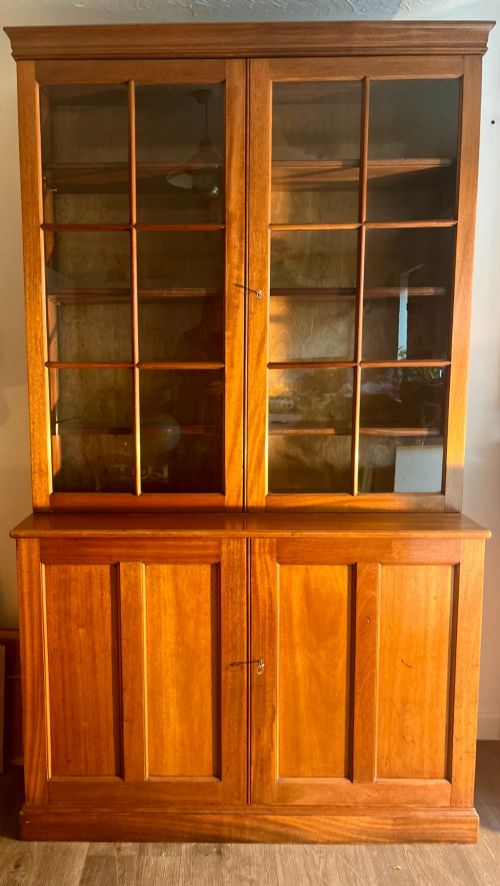
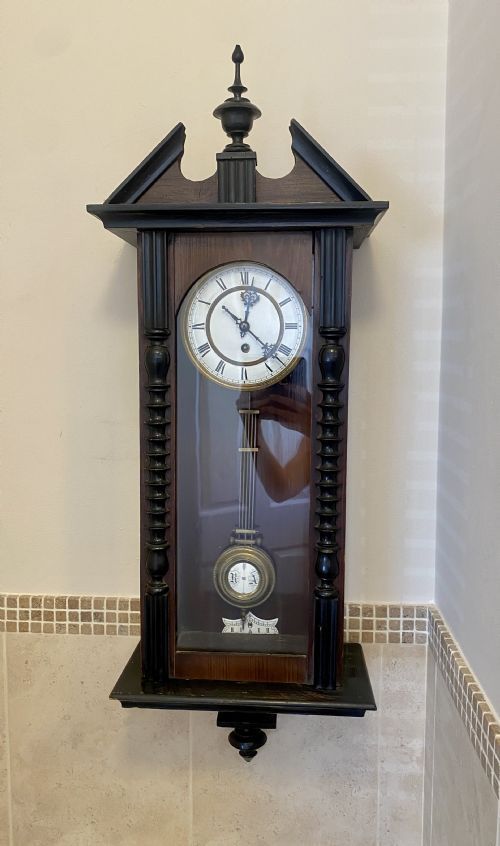
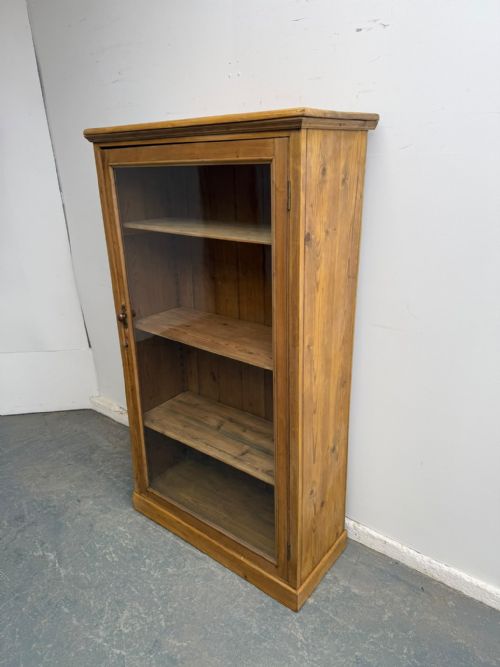
A victorian glazed case encompasses a wide variety of enclosed wooden furniture designed to display books, taxidermy, clocks and ornaments. The forms range from compact table-top cabinets and wall-mounted clocks to large library bookcases and pier cabinets.
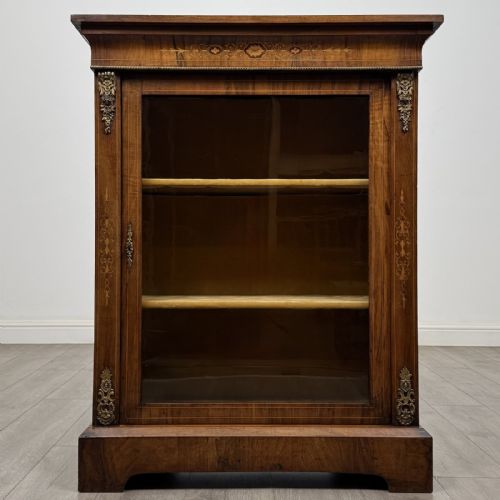
Buyers will most frequently encounter walnut and mahogany display cabinets, often featuring inlaid details and single glass doors. These pieces reflect the domestic tastes of the mid to late nineteenth century, spanning various regional and stylistic revivals.
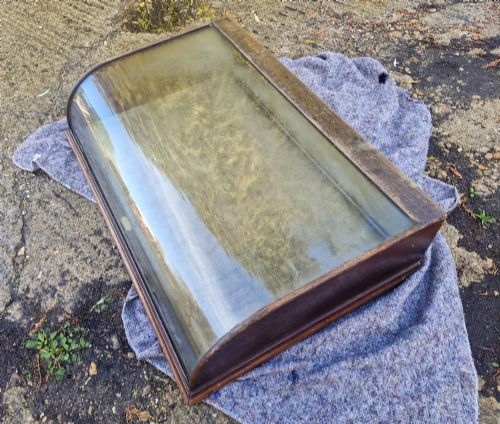
The selection includes specialised items such as taxidermy enclosures, shop counters and music cabinets, demonstrating how glass-fronted storage served both commercial and private spaces during the period.
Materials and Construction
Cabinet makers utilised dense hardwoods such as mahogany, walnut and oak, frequently incorporating burr veneers to create decorative patterns on door panels and facades. Pine served as a secondary timber for internals and backing boards.
Glazing techniques required timber frames, or glazing bars, to securely hold glass panes in place while maintaining maximum visibility for the contents within. Brass hinges, locks and galleries provided functional metalwork accents.
Victorian Glazed Case Retail Price Guide 2026
Typical asking prices for victorian glazed case among the pieces listed under this phrase on Sellingantiques today, from the lower quarter to the upper quarter. They describe what is for sale here now, not the wider market.
Listings feature woods such as walnut, mahogany, oak and pine, paired with glass and brass elements.
Assessing the Pieces
The refinement of timber selection and the precision of veneer matching dictate the visual appeal of a cabinet. Subtle marquetry and thoughtful carving distinguish superior workshop output from utilitarian storage.
Structural integrity relies on the retention of original glass, tight joinery in the door frames, and well-preserved internal velvet linings or wooden shelving.
J.W. Benson of London·Jas Shoolbred
The Victorian Glazed Case Glossary
- Pier cabinet
- A low nineteenth-century cabinet designed to fit the wall space between windows. These pieces typically feature a single glazed door and flat top.
- Bijouterie table
- A glass-topped display table intended for showing small valuables, medals or trinkets. They often stand on slender legs with glazed sides.
- Vitrine
- An enclosed glass display cabinet designed primarily for porcelain and ornaments. The term derives from the French word for glass.
- Ormolu
- Gilt bronze mountings applied to furniture for decoration. This technique adds metallic highlights to the wood surfaces.
- Dentil cornice
- A moulding pattern composed of small, evenly spaced rectangular blocks. It appears along the upper edge of bookcases and display cabinets.
Victorian Glazed Case: Frequently Asked Questions
What did they store inside?
These cabinets housed library books, scientific specimens, taxidermy birds and family collections of porcelain or silver.
The glass kept dust away from delicate items while allowing guests to admire the contents without handling them.
How do I date a piece?
Dating relies on timber choices, construction methods and stylistic markers associated with specific decades of the nineteenth century.
Walnut veneer work often points to the mid-Victorian era, while lighter aesthetic movement details suggest the final decades of the century.
Are the shelves adjustable?
Some larger library bookcases and display cabinets incorporate rack-and-pinion or wooden peg systems for moving shelves.
Smaller pier cabinets and wall-mounted units typically feature fixed wooden supports.
How do I clean the glass?
Old glass requires careful cleaning with mild solutions applied to a cloth rather than sprayed directly onto the surface.
This prevents moisture from seeping into aged wooden frames and historic adhesives.