



Specimen Display Box
A specimen display box lets you live with preserved nature and tidy curiosities, bringing genuine Victorian and Edwardian history right into your room.
Specimen Display Box
When you search for a specimen display box, you are looking at glazed cabinets and table cases designed to hold and protect natural history items and small collections. These pieces range from multi-drawer collector chests to wall-hanging and table-top display cases intended for public or private viewing.
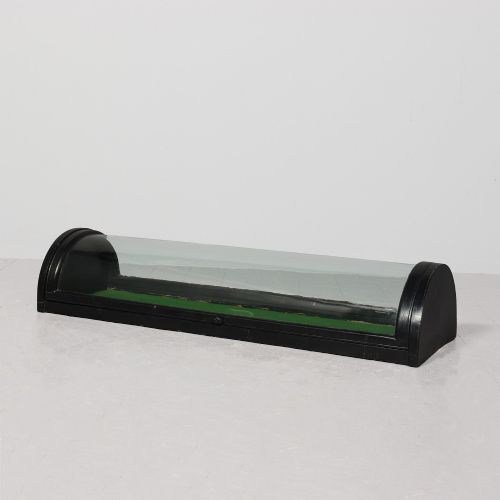
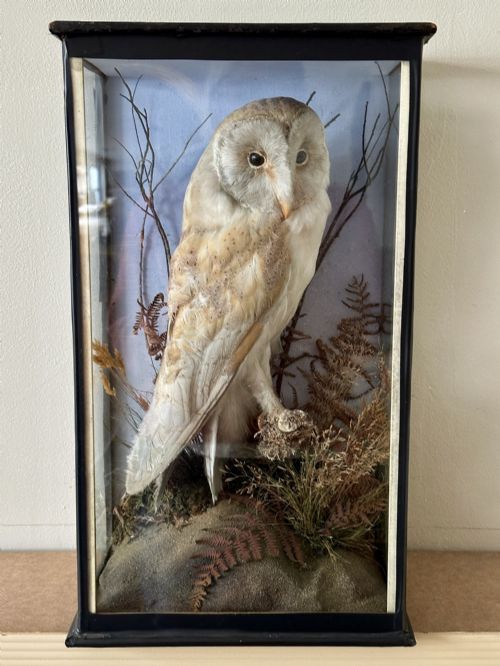
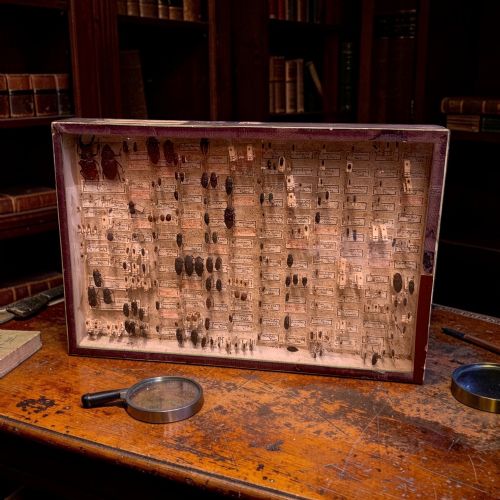
You are most likely to meet Victorian and Edwardian examples on this page, spanning the nineteenth and early twentieth centuries. The selection includes specific natural history forms such as entomology cases and bird taxidermy enclosures, alongside maritime industrial brass and glass vessels and burr walnut table cabinets.
These items originate from an era when collecting natural specimens and curiosities was a widespread pursuit among households and institutions. The forms vary from multi-drawer storage units to single-compartment table-top vitrines designed specifically to showcase individual items of interest.
Materials and construction
The construction relies heavily on timber frames joined to glazed panels of glass, allowing a clear view of the contents while protecting them from dust and handling. Wood choices include mahogany, ebonised wood, and burr walnut, often paired with internal linings of baize to cushion the objects.
Many cases incorporate brass hardware, such as hinges, locks, and handles, particularly evident in Admiralty pattern enclosures and fine table cabinets. Internal mounts and structural framing work together to support fragile taxidermy, dried flora, and delicate natural specimens safely.
Specimen Display Box Retail Price Guide 2026
Typical asking prices for specimen display box among the pieces listed under this phrase on Sellingantiques today, from the lower quarter to the upper quarter. They describe what is for sale here now, not the wider market.
Object forms span taxidermy enclosures, multi-drawer collector cabinets, and demi-lune wall cabinets designed for natural history display.
Distinctions in quality
Quality rests upon the selection of timbers and the precision of the joinery, distinguishing utilitarian storage from pieces intended for refined domestic display. Fine examples feature decorative veneers like burr walnut and substantial brass fittings rather than plain secondary woods and simple ironwork.
The clarity of the glass and the tightness of the case closure dictate how well the piece protects its contents over time. Superior boxes display careful proportion in their glazing bars and clean integration of drawers that run smoothly within their carcases.
The Specimen Display Box Glossary
- Ebonised wood
- Timber treated to imitate ebony, giving a dense black finish popular on nineteenth-century display pieces.
- Demi-lune
- A half-moon or semicircular shape, often seen in table-top or wall cabinets designed to sit flush against a vertical surface.
- Baize
- A coarse woolen material used to line the interiors and drawer bases of cabinets to protect delicate specimens from sliding or damage.
- Vitrine
- A glass-fronted cabinet or case specifically designed for displaying fine objects or curiosities.
- Entomology case
- A shallow glazed box constructed specifically for the safe arrangement and study of insect collections.
Specimen Display Box: Frequently Asked Questions
What fits inside a specimen display box?
These boxes accommodate a wide variety of small objects, ranging from dried flora and natural specimens to taxidermy birds like Eurasian jays and shoveler ducks. They were originally built to house entomology collections or geological samples, making them adaptable for modern displays of small curiosities.
The depth of the case and the presence of internal drawers determine whether you store flat collections or three-dimensional items. Table-top vitrines and wall cabinets offer visible space for items you wish to keep dust-free while maintaining an open view.
How do I date a Victorian display case?
Dating relies on observing construction methods, timber choices, and hardware styles associated with the nineteenth century. Victorian examples often utilise ebonised finishes, mahogany framing, or distinctive brass locks typical of the period from 1860 to 1900.
Secondary indicators include the thickness of the glass panes and the paper or baize used for internal linings. Examining the joinery on the reverse or inside the drawers provides further confirmation of the manufacturing era.
How do I care for antique glass and wood?
Maintenance involves keeping the timber clean with appropriate wax polishes and cleaning the glass panels gently to maintain clarity. Avoid placing these pieces in direct sunlight or areas of high humidity, which can warp the wooden frames and damage internal linings.
Ensuring the environment remains stable protects both the exterior casework and any delicate historic contents stored inside. Regular inspection of the brass hinges and locks helps keep the doors functioning smoothly.