


Victorian Glass Sweetmeat Dish
These victorian glass sweetmeat dish pieces are delightful serving vessels for preserves and small confections that bring period charm directly to the dining table.
Victorian Glass Sweetmeat Dish
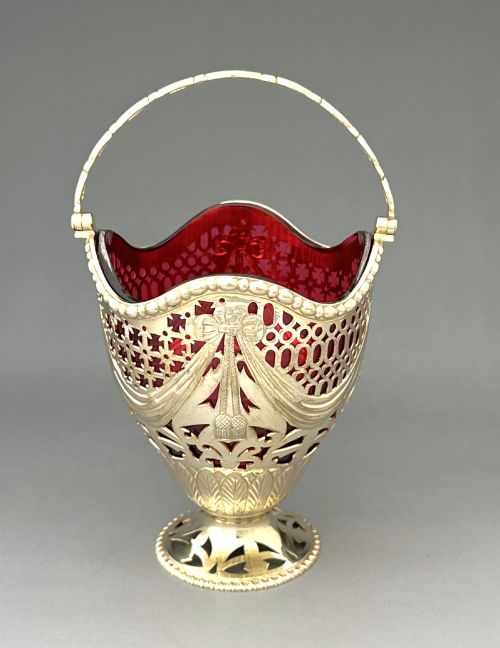
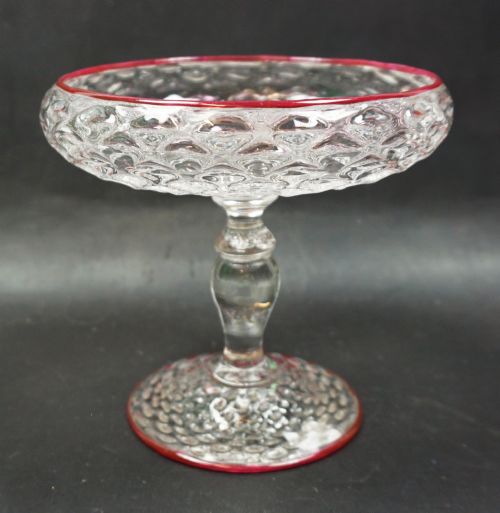
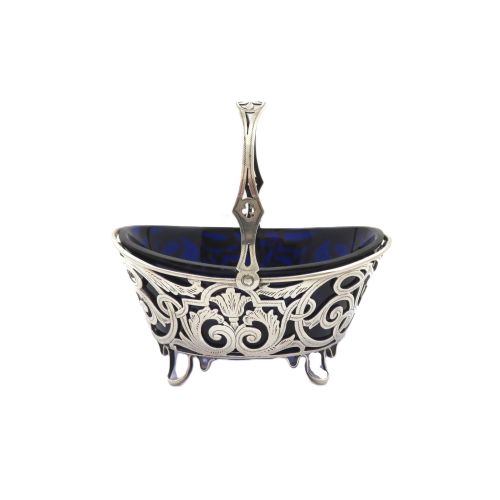
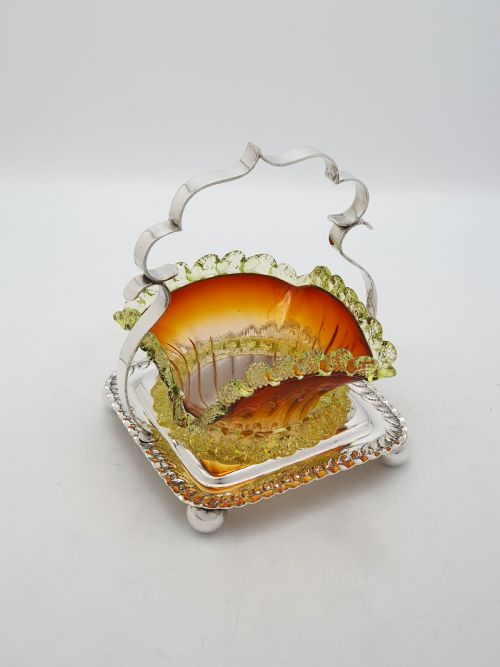
A victorian glass sweetmeat dish typically takes the form of a tazza, bowl, basket, or jar designed to present sweet delicacies during formal meals. The selection available spans the nineteenth and early twentieth centuries, featuring vessels mounted on stands or paired with metalwork.
Makers utilised various decorative glass techniques, producing pieces in vibrant cranberry, cobalt, ruby, pink opaque, and turquoise shades alongside clear cut crystal. Many examples incorporate metal elements such as sterling silver, silver plate, or silver gilt mounts, frames, and handles.
What varies in quality
Quality rests upon the depth of the glass colour, the crispness of the cut crystal facets, and the precision of any cane or thread decoration integrated into the vessel. Superior examples display substantial weight, unblemished surfaces, and harmonious proportions between the glass body and its metal mount.
The artistry of the metalwork also distinguishes finer pieces, with cast floral handles and heavy silver or silver gilt mounts indicating higher craftsmanship. Integration between the fitted glass insert and its carrier demonstrates the care taken during initial manufacture.
Stevens & Williams·Baccarat·George Fox
The Victorian Glass Sweetmeat Dish Glossary
- Sweetmeat dish
- A small vessel designed for serving confectionery, nuts, or preserved fruits. These pieces often feature raised stands or low bowls.
- Tazza
- An ornamental shallow cup or bowl mounted on a stem and foot. This form elevates sweetmeats above the surface of the dining table.
- Cranberry glass
- A rich red transparent glass coloured with gold chloride. It appears frequently in nineteenth-century tableware and liners.
- Latticinio
- A glassblowing technique incorporating opaque white or coloured threads within clear glass. This creates intricate linear patterns inside the vessel wall.
- Silver gilt
- Silver covered with a thin layer of gold on its surface. This finish provides a warm, reflective tone to basket mounts and frames.
Victorian Glass Sweetmeat Dish: Frequently Asked Questions
What is a sweetmeat dish used for?
These dishes served small sugary confections, preserved fruits, and nuts at the conclusion of a formal meal. Diners partook in these sweet morsels as a final course before clearing the table.
Today, they function as decorative accent bowls or serve small items on a dressing table or sideboard.
How do I identify a Victorian glass dish?
Examine the weight, manufacturing marks, and decorative styles typical of the mid to late nineteenth century. Characteristics such as heavy cut crystal, cranberry colouring, and silver-plated stands point toward this era.
Matching the form to period catalogues or noted makers confirms the production timeframe.
Can I use these dishes for food?
Most antique glass and silver-mounted pieces can safely hold dry foods or individually wrapped sweets. Hand washing in warm, soapy water preserves the antique glass and delicate metal finishes.
Avoid subjecting older glass to sudden temperature changes or modern dishwashers.
What is the difference between a tazza and a bowl?
A tazza stands upon a distinct central stem and foot, elevating the vessel above the table surface. A standard bowl rests directly on its base or sits within a metal frame.
Both forms served sweetmeats, but the tazza provided greater height for table arrangements.