
Victorian Glass Lights
Victorian glass lights bring nineteenth-century illumination into modern spaces through brass framing, coloured glass, and oil or gas forms.
Victorian Glass Lights
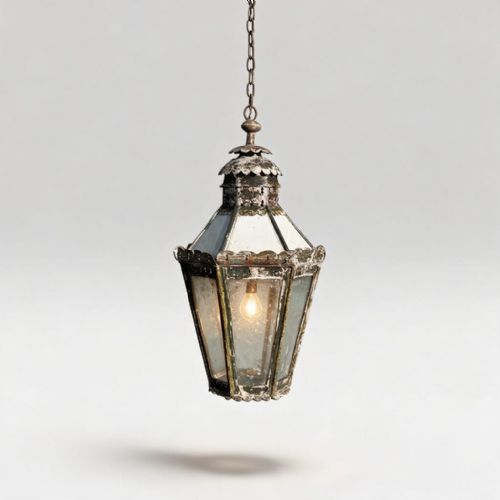
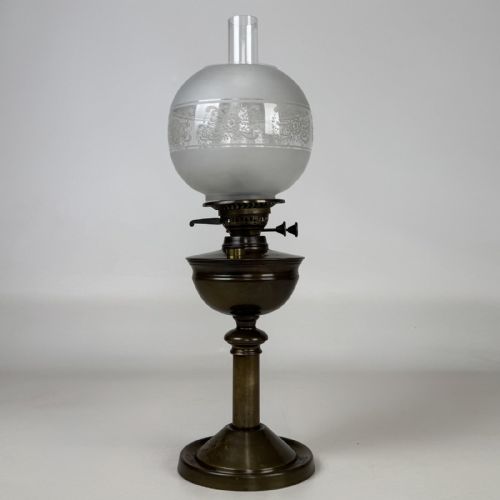
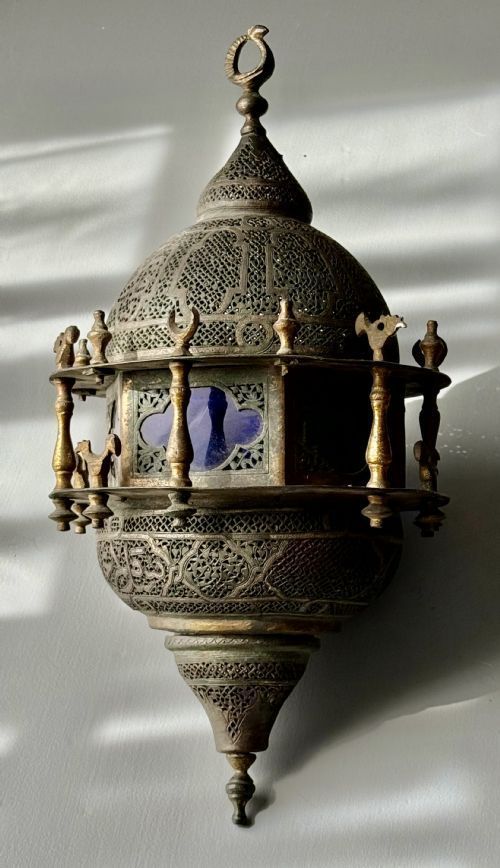
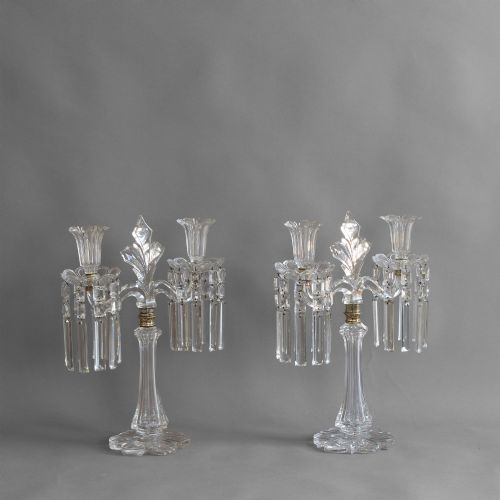
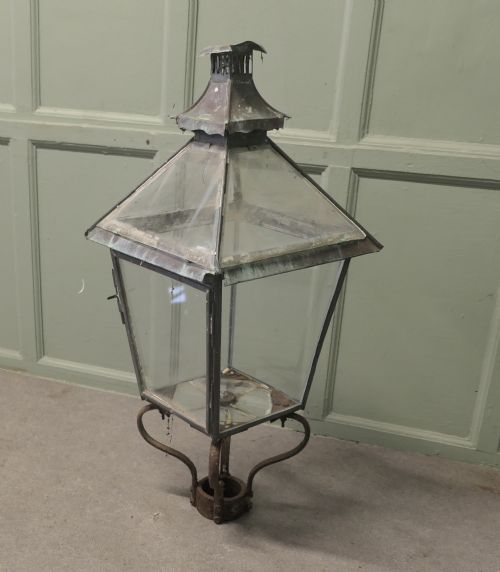
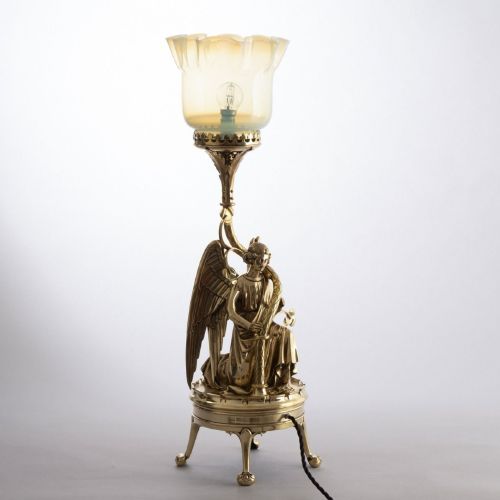
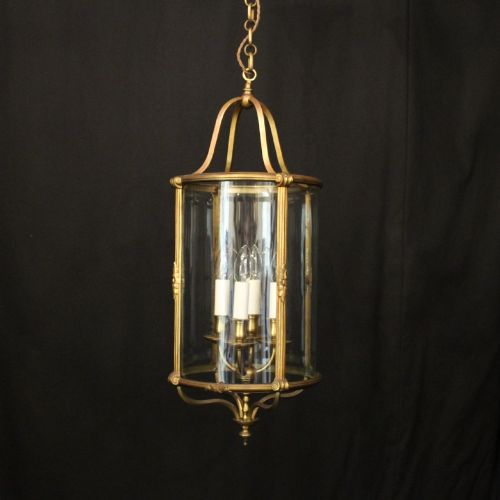
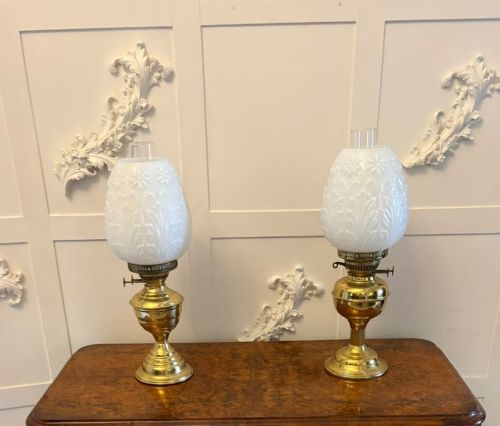
When you search for victorian glass lights, you encounter a range of nineteenth-century and early twentieth-century lighting fixtures designed for domestic and public interiors. These pieces encompass oil lamps, ceiling lights, hall lanterns, chandeliers, and wall sconces produced across the Victorian, Edwardian, and adjacent periods. The primary forms include table lamps with decorative columns and hanging lanterns framed in brass, copper, or gilt bronze.
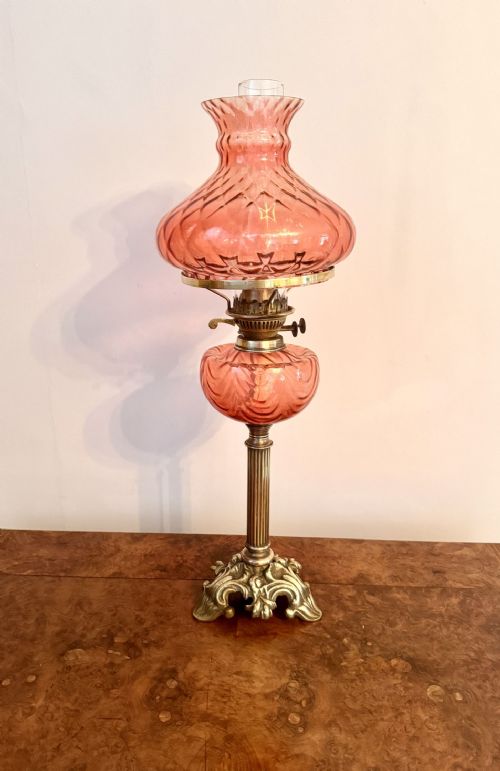
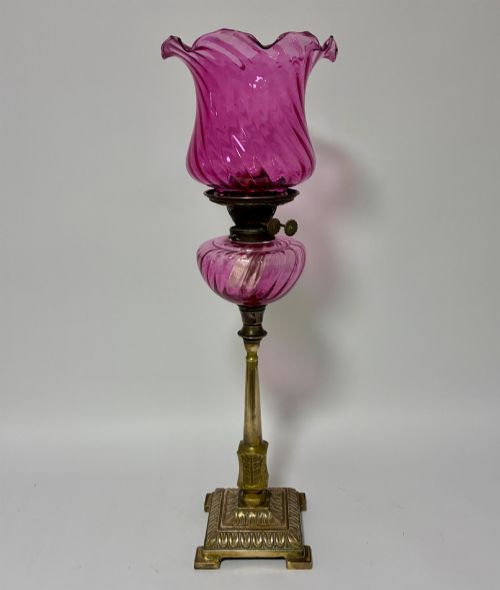
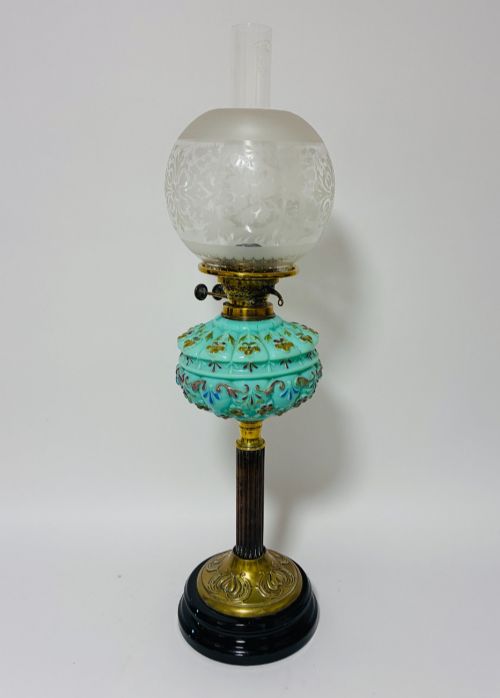
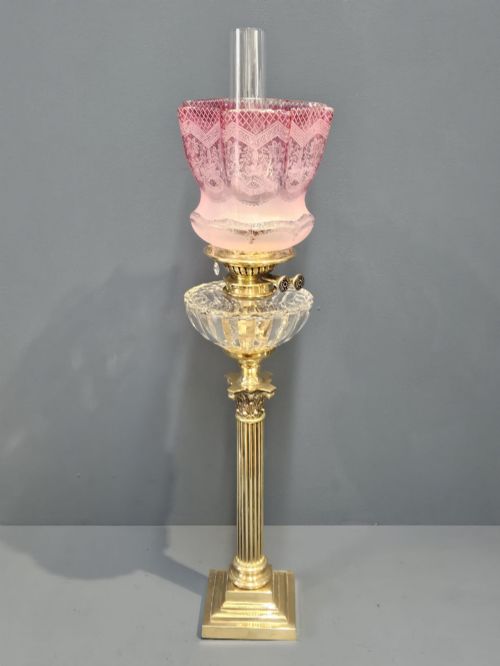
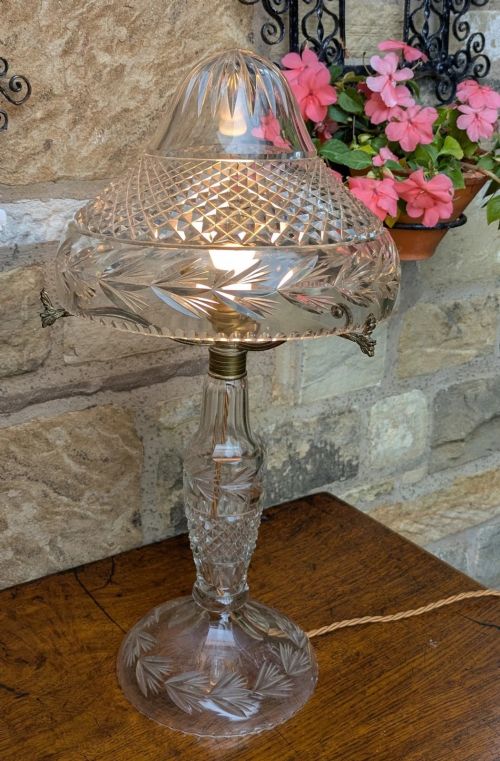
The most common versions on this page pair metal structures with glass components, such as opaline, cranberry, or cut crystal shades. Surviving examples often incorporate burners, fonts, and suspension mechanisms from the nineteenth century, reflecting the lighting technology of the era. Whether intended for a hall, table, or ceiling, these lights demonstrate the decorative metalwork and glass manufacturing techniques characteristic of the period.
Materials and Construction
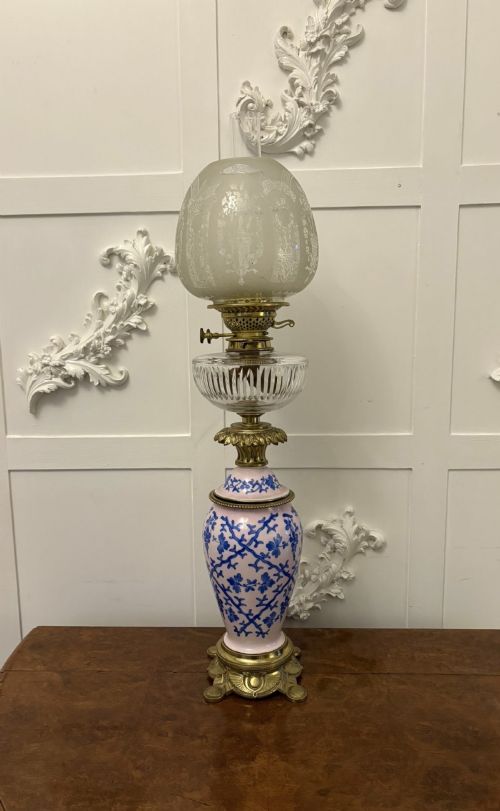
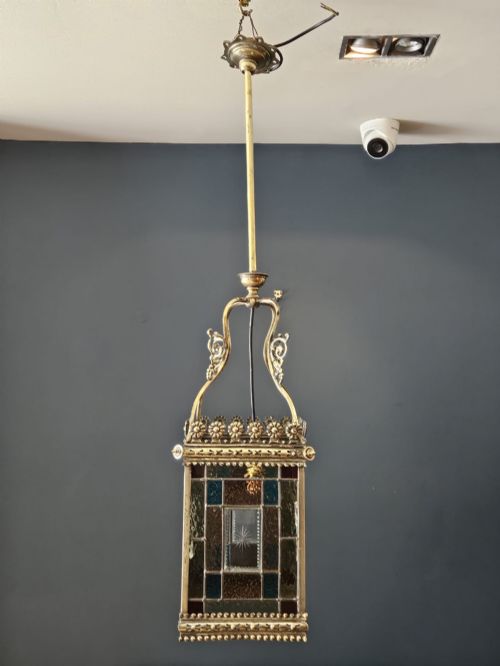
Makers utilised brass, copper, and bronze for the structural frames, columns, and wall brackets, frequently combining these metals with leaded, cut, or blown glass. Oil lamps and chandeliers rely on cast and turned brass components, sometimes featuring ceramic or porcelain reservoirs paired with metal burners. Lanterns employ soldered copper or brass framing to secure leaded, bevelled, or curved glass panels.
Glass elements range from mould-blown opaline and vaseline shades to hand-painted and cut crystal domes. Cranberry and ruby glass achieved their rich hues through specialised mineral additions during the melting process, while opalescent shades diffuse light through dense chemical suspensions. Metal mounts are frequently joined by threaded fixings or rivets, supporting heavy glass reservoirs and shades.
Severe winters inspired domestic comfort, evidenced by an antique Corinthian column oil lamp featuring a hand-painted snow winter scene shade.
Evaluating Quality and Craftsmanship
The standard of a piece rests upon the weight of its metal casting, the clarity and depth of the glass, and the crispness of decorative detailing. Superior oil lamps and lanterns feature substantial brass or bronze columns with sharply defined Corinthian capitals and robust structural joints, whereas simpler examples rely on stamped sheet metal. The quality of the glass shade - evident in hand-cut facets, consistent colour saturation, and absence of excessive bubbles - distinguishes standard utility lighting from finer decorative items.
Makers who produced high-end fixtures incorporated complex mechanisms such as rise-and-fall pulley systems or double-burner assemblies with finely engraved brass collars. Original matching components, including burners, fonts, and shades issued together, elevate the integrity of a fixture. Conversely, later replacement shades or altered metalwork shift a piece away from its original factory specification.
Osler·Hinks·Sitzendorf
The Victorian Glass Lights Glossary
- Cranberry Glass
- A transparent red glass produced by adding gold chloride to the molten batch. It appears frequently in Victorian oil lamp shades and mantel lustres.
- Opaline Glass
- An opaque or semi-translucent pale glass, often white or pastel, used for diffusing light softly in period lamp shades.
- Corinthian Column
- A classical architectural column form frequently utilised for the stems of nineteenth-century table oil lamps in brass or bronze.
- Mantel Lustre
- A decorative glass or porcelain vase fitted with hanging crystal prisms, displayed on mantelpieces during the nineteenth century.
- Gasolier
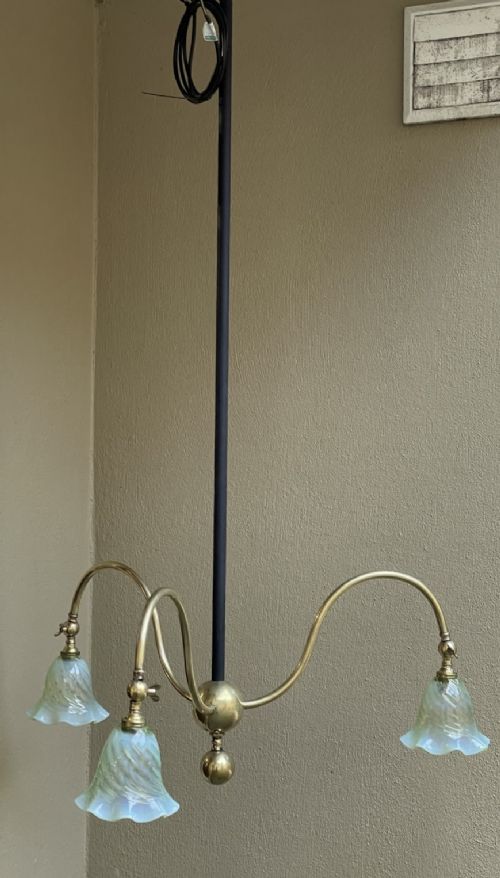
- A multi-branched ceiling light fixture designed specifically to burn coal gas before the widespread adoption of domestic electricity.
Victorian Glass Lights: Frequently Asked Questions
How do I convert these to electricity?
Most antique oil lamps and gasoliers can be adapted for modern electrical wiring by running a concealed flex through the existing central burner or column.
Professional electricians carry out this work without damaging the structural metalwork or requiring the alteration of original external surfaces.
Were these originally for oil or gas?
Lighting fixtures from the nineteenth century were manufactured to burn either liquid fuel through a wick or coal gas piped directly into the building.
Oil lamps feature removable metal fonts and burners, whereas gas fixtures utilise rigid iron or brass supply arms terminating in keyed gas cocks.
How do I clean period glass shades?
Wash glass components gently in warm water using mild soap, avoiding abrasive pads that can scratch delicate hand-painted decoration or soft lead crystal.
Dry thoroughly with a lint-free cloth before reassembling the shade onto its brass gallery or fitter ring.
Are original glass shades marked?
Victorian and Edwardian glass shades rarely carry maker signatures or factory stamps, as most glasshouses relied on distinctive decorative styles and shapes for identification.
Matching a shade to a base depends on the fitter size, glass colour, and period-appropriate manufacturing techniques.