


Victorian Glass Lidded Jar
These Victorian glass lidded jars bring tactile weight and polished metal mounts to dressing tables and sideboards.
Victorian Glass Lidded Jar
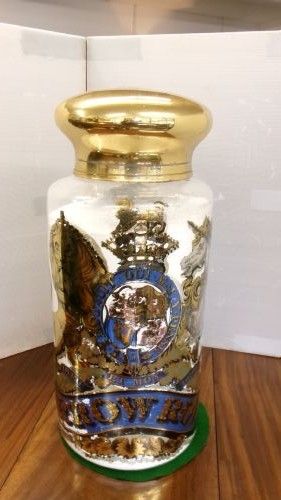
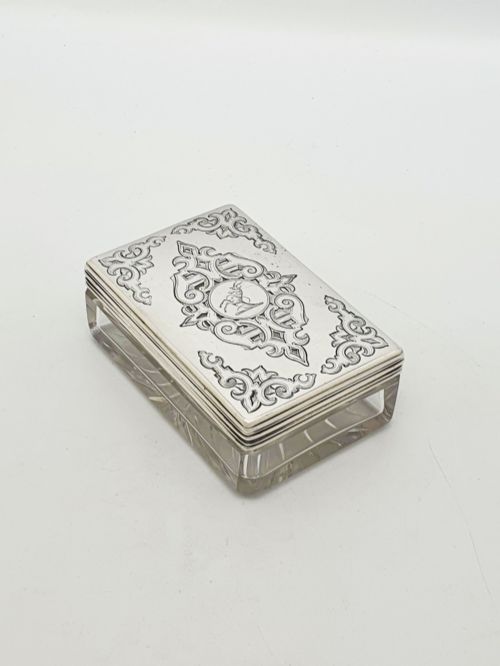
A victorian glass lidded jar combines heavy glass bodies with metal fittings, appearing primarily as trinket boxes, biscuit barrels, vanity jars, and apothecary display vessels.
The pieces span the nineteenth century into the Edwardian era, incorporating French, Bohemian, and British workshop origins.
Buyers commonly encounter cut glass vessels with sterling silver or silver-plated mounts alongside colourful cranberry glass and enamel-painted bodies.
Materials and construction
Makers utilised heavy lead crystal and cut glass alongside plain, cranberry, and latticinio glass, often shaping them into thick-walled jars and vases.
Metal components in sterling silver and silver plate provide fitted collars, hinged lids, and locking mechanisms secured to the glass rims.
Surface decoration relies on wheel-cutting, enamel painting, and etched detailing, sometimes paired with porcelain elements or ruby glass liners.
Some gentlemen required a lockable cologne bottle to keep their preferred morning scent safe from household staff.
Distinctions in quality
Quality rests upon the depth and crispness of the glass cutting, where sharp facets catch the light differently than softer, moulded surfaces.
The weight of the metal mounts and the precision with which silver or silver plate fits the glass rim separate standard production from finer work.
The integration of decorative techniques, such as detailed enamel painting or intricate silver lock mechanisms, elevates individual examples.
Baccarat·Clichy·Mary Gregory
The Victorian Glass Lidded Jar Glossary
- Cranberry glass
- A rich red-pink glass created by adding gold chloride to the molten batch, popular for Victorian tableware and biscuit barrels.
- Latticinio glass
- An opaque white glass technique incorporating coloured glass canes in swirling patterns, seen in French production.
- Sweetmeat jar
- A covered vessel originally designed to hold small sweet confections, fruits, or preserves on the dining table.
- Biscuit barrel
- A covered container intended for storing dry biscuits, typically fitted with a metal bale handle and a hinged lid.
- Trinket box
- A small lidded container for storing personal items and jewellery on dressing tables and vanity surfaces.
Victorian Glass Lidded Jar: Frequently Asked Questions
What were glass lidded jars used for?
These vessels served diverse domestic functions, from holding dry biscuits in the dining room to storing cosmetics and personal trinkets on a dressing table.
Apothecary versions held medicinal goods, while sweetmeat jars contained preserves or confectionery for guests.
How do I care for silver mounted glass?
Clean the glass body using warm soapy water while keeping moisture away from any paper linings or internal adhesives.
Polish the sterling silver or silver plate mounts gently with a soft cloth to avoid touching the surrounding glass surface.
How can I tell Victorian from Edwardian jars?
Victorian pieces often display heavier wheel-cut crystal patterns, vibrant cranberry hues, and ornate silver hallmarks from the nineteenth century.
Edwardian examples tend to introduce lighter proportions, simplified cutting styles, and early twentieth-century silver plate mount designs.
Are the metal mounts solid silver?
Mounts vary significantly between pieces, ranging from solid sterling silver bearing town hall assay marks to silver-plated base metals.
Examination of the metal often reveals stamped hallmarks that indicate the specific year and town of manufacture.