


Antique Lidded Apothecary Jar
These antique lidded apothecary jar examples bring practical historical utility and striking shelf presence to any room through centuries of glass and ceramic craft.
Antique Lidded Apothecary Jar
When you search for an antique lidded apothecary jar, you find containers created to hold medicines, dry ingredients, and tobacco across multiple centuries of domestic and commercial use. The selection spans the eighteenth, nineteenth, and early twentieth centuries, drawing on both British and continental traditions.
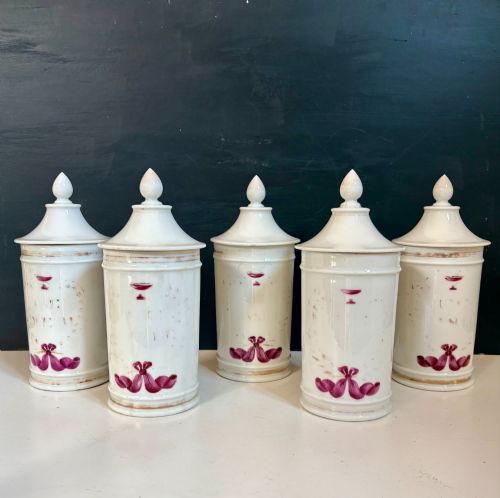
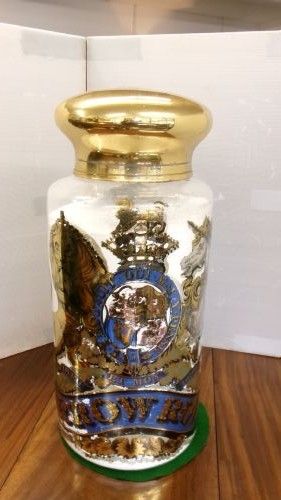
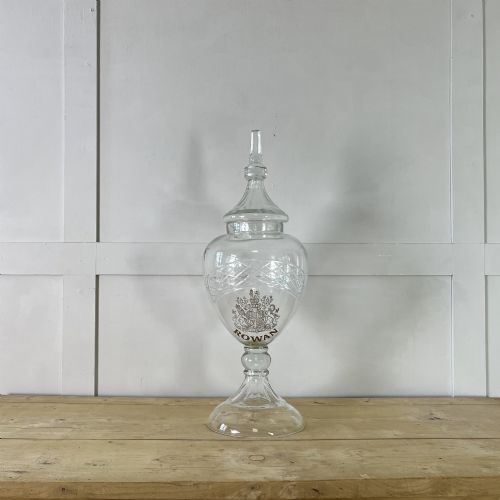
You are most likely to encounter nineteenth-century cut glass and Victorian examples on this page, alongside earlier earthenware and delft pieces. Forms range from large display jars with fitted covers to sets of matching canisters, originally destined for chemist shops or domestic dispensaries.
Origins stretch from English workshops to Dutch and Italian kilns, encompassing utilitarian storage jars as well as decorative vases and urns with lids. Each piece combines historical storage purpose with distinctive period aesthetics, from clear lead crystal to tin-glazed ceramics.
How they were made
Glass vessels rely on heavy cutting and clear moulding to achieve deep facets and light-catching surfaces, frequently paired with matching fitted covers. Lead crystal and standard glass provide the weight and clarity necessary for pharmaceutical display.
Ceramic pieces utilise tin-glazed earthenware and box wood construction, reflecting traditional pottery and turning techniques of the eighteenth and nineteenth centuries. Glazed surfaces protect the porous body beneath while offering a smooth ground for painted decoration.
Makers shaped these containers on the potter's wheel or formed them in glasshouses, ensuring lids matched the precise collar of each jar for secure containment.
Listings feature cut glass, box wood, and tin-glazed earthenware across Victorian, Edwardian, and eighteenth-century periods.
What varies in quality
Quality rests in the crispness of the glass cutting, the weight of the metal or crystal, and the preservation of the original glaze and cover. Superior cut glass jars show sharp, deep facet work and heavy handle proportions that indicate skilled manufacturing.
The sophistication of the painted surface or the density of the box wood marks the distinction between standard utility vessels and superior decorative items. Matching sets retain higher desirability when all associated covers survive intact alongside their corresponding bodies.
The Antique Lidded Apothecary Jar Glossary
- Cut Glass
- Glass shaped and patterned by abrasive wheels, producing sharp facets that refract light. This technique defines the heaviest Victorian display pieces.
- Tin-Glazed Earthenware
- Pottery coated with an opaque white glaze containing tin oxide, providing a smooth surface for painting. Dutch delft tobacco jars rely on this method.
- Lead Crystal
- Glass containing metallic lead oxide, giving the material greater weight, brilliance, and clarity. It allows for deeper, sharper cutting than standard glass.
- Mary Gregory
- A style of glassware decorated with white or tinted enamel figures, typically depicting children in Victorian landscapes. It appears on late nineteenth and early twentieth-century pieces.
Antique Lidded Apothecary Jar: Frequently Asked Questions
What did apothecary jars hold?
These jars originally contained dried herbs, chemical powders, pills, and tobacco for medicinal and commercial distribution.
Chemists and merchants lined their shelves with these vessels to keep contents dry and protected from light.
How do I date a glass jar?
Dating relies on glass clarity, weight, depth of the facet cutting, and the shape of the cover.
Victorian pieces often feature heavy lead crystal, while earlier examples display distinct manufacturing pontil marks on the base.
Are the lids original?
Lids matched to the jar during manufacture share the same wear patterns, glass tint, and weight.
Checking the collar and rim ensures the cover sits correctly within the historical parameters of the piece.
How should I clean them?
Gentle dusting with a soft cloth preserves the delicate surfaces of cut glass and tin-glazed earthenware.
Harsh chemical immersion damages historic glazes and fragile enamel work found on decorated vessels.