




Victorian Glass Ewer
A victorian glass ewer is a poured vessel of form and colour, prized for its decorative presence on the dining table or sideboard.

Victorian Glass Ewer
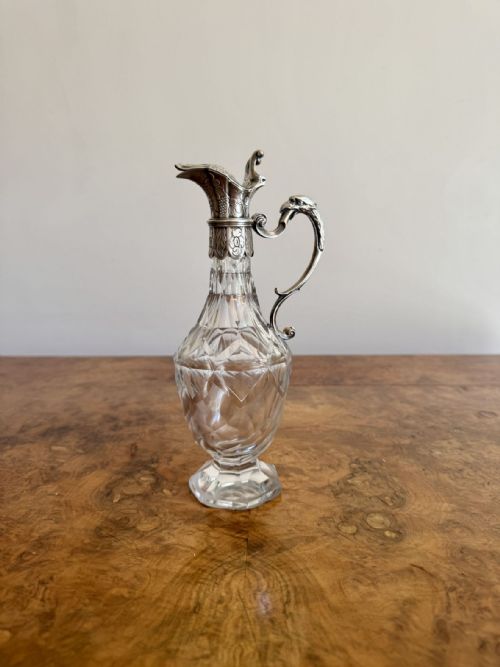
A victorian glass ewer takes the form of a handled pitcher or jug, often designed for serving wine, water, or liqueurs. These pieces span from the mid-nineteenth century through to the early twentieth century, taking shapes that range from classical decanters to ornamental vessels.
The selections on this page demonstrate varied geographic origins, including English, French, Italian, German, and Venetian workshops. Forms appear as single decorative ewers, matched pairs, or functional wine jugs complete with stands.
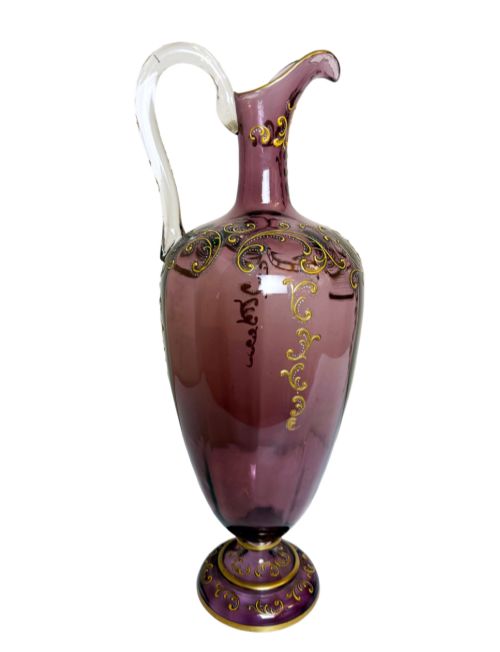
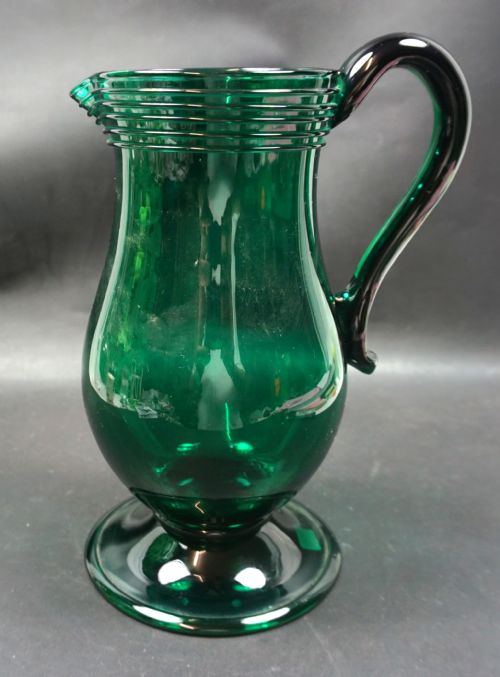
Buyers will encounter distinct stylistic revivals, particularly French and Victorian Rococo Revival, alongside Art Nouveau and Venetian art glass designs. Colour plays a central role in these pieces, with green, blue, violet, and Burmese glass appearing frequently.
Materials and construction
Makers utilised blown glass, hand-blown glass, and clear crystal, shaping vessels with folded feet and applied trail rims. Techniques such as latticinio decoration introduced delicate white glass threads within the clear matrix.
Surface ornament often involved hand-painted gilt applique, enamel work, and Mary Gregory style white enamel painting depicting figures. Many examples incorporate metalwork mounts, combining glass bodies with silver plate or solid silver collars, handles, and hinged lids.
Victorian Glass Ewer Retail Price Guide 2026
Typical asking prices for victorian glass ewer among the pieces listed under this phrase on Sellingantiques today, from the lower quarter to the upper quarter. They describe what is for sale here now, not the wider market.
Materials recorded include clear crystal, blown glass, silver plate, and gold leaf.
Judging quality in glass ewers
Quality rests upon the ambition of the glassblower's form and the crispness of any cut glass facets. Superior examples display balanced proportions, skilful handle application, and refined weight in the hand.
The integration of decorative elements dictates the upper tier of these pieces. Fine execution in hand-painted gilt applique, precise enamel detailing, and heavy, well-fitted silver plate mounts separate ordinary production from exceptional decorative works.
Baccarat·WEBB and Son
The Victorian Glass Ewer Glossary
- Ewer
- A large jug with a wide spout and handle, historically used for pouring water or wine at table. In the nineteenth century, these vessels became increasingly ornamental.
- Latticinio
- A decorative glass technique involving opaque white or coloured glass threads twisted inside a clear glass vessel. It creates an intricate, web-like pattern across the body.
- Gilt applique
- Applied metal or metallic paint details adhered to the exterior surface of the glass. This ornament was frequently hand-painted with floral or geometric motifs.
- Trail rim
- A decorative glass thread applied around the rim or body of a vessel while hot. It adds texture and visual contrast to the silhouette.
Victorian Glass Ewer: Frequently Asked Questions
What were victorian glass ewers used for?
These vessels served practical functions on the dining table for pouring wine, claret, water, or oil and vinegar. Pairs were frequently utilised for service during formal meals or dessert courses.
Over time, many of these pieces transitioned into purely decorative objects. Displayed on sideboards or mantelpieces, they showcased the homeowner's taste and the maker's skill.
How do I identify a victorian piece?
Look for characteristic stylistic markers such as Rococo Revival curves or Art Nouveau organic lines. The presence of nineteenth-century manufacturing traits, including pontil marks on the base, helps confirm age.
Materials also offer clues, as specific colours like Burmese glass and techniques like latticinio point directly to nineteenth-century production periods. Silver plate mounts and specific maker signatures further narrow down the chronology.
Are these ewers safe for serving wine?
Most antique glass ewers function adequately for serving wine or water if handled with care. However, pieces with delicate hand-painted gilt applique or enamel work require gentle hand washing.
Many collectors prefer to keep these fragile antique vessels for display rather than daily dining use. Metal mounts, particularly silver plate, also need appropriate maintenance to prevent tarnishing.