
Victorian Gilt Mantel Clock
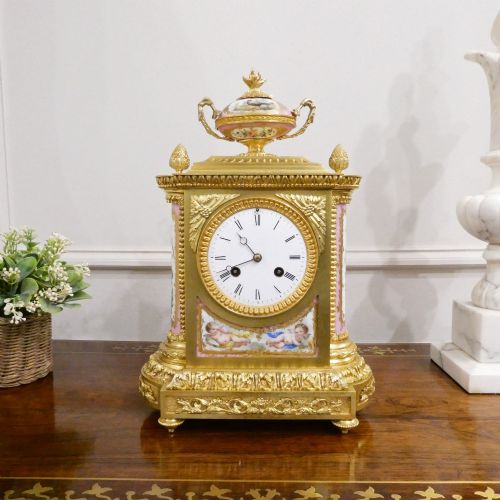
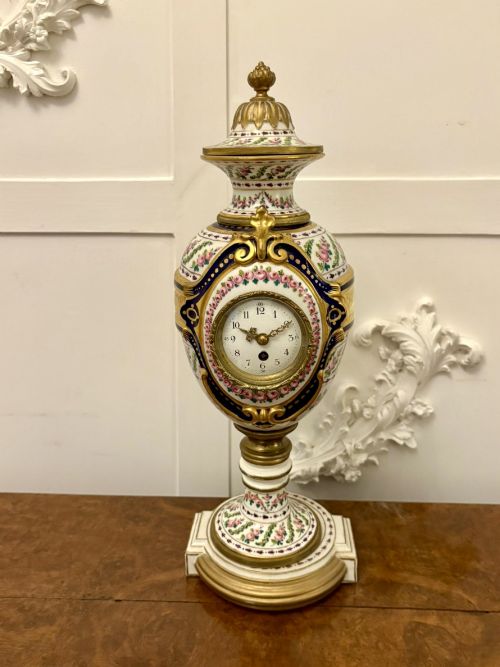
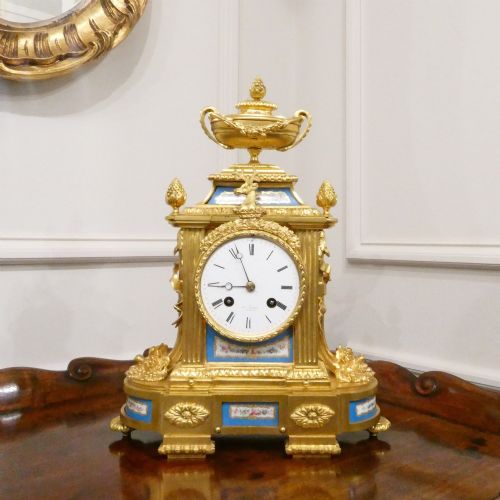
A victorian gilt mantel clock brings heavy metalwork and porcelain panels into a room, serving both as a timepiece and a focal point on a shelf or fireplace.
Victorian Gilt Mantel Clock
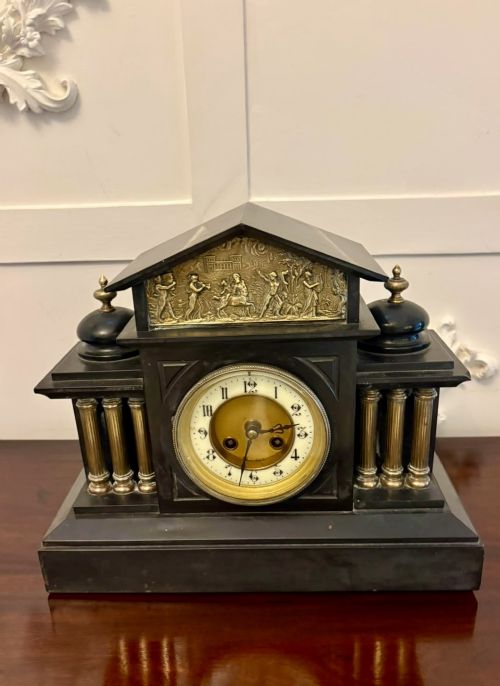
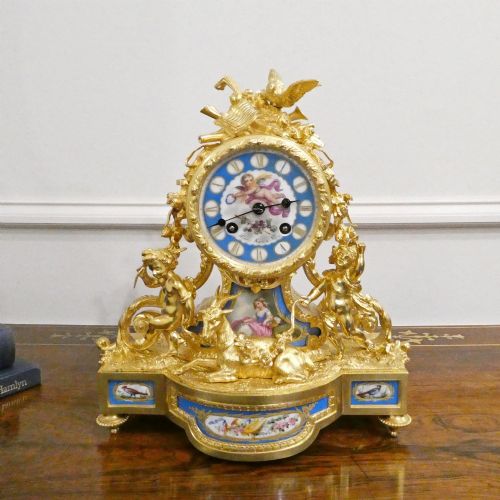
When searching for a victorian gilt mantel clock, a buyer encounters a mix of heavy architectural pieces and ornate French designs. The selection relies heavily on styles such as French Rococo Revival, Louis XVI Revival, and Napoleon III, produced during the nineteenth century.
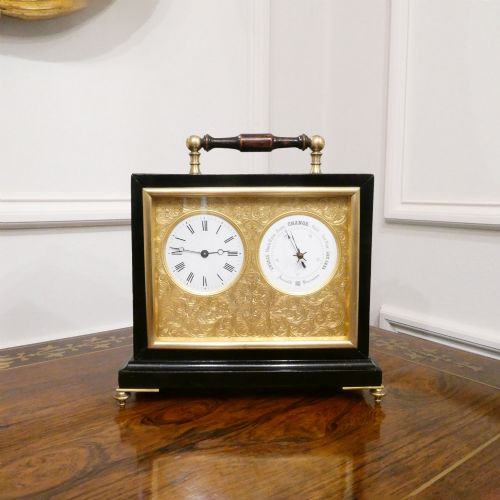
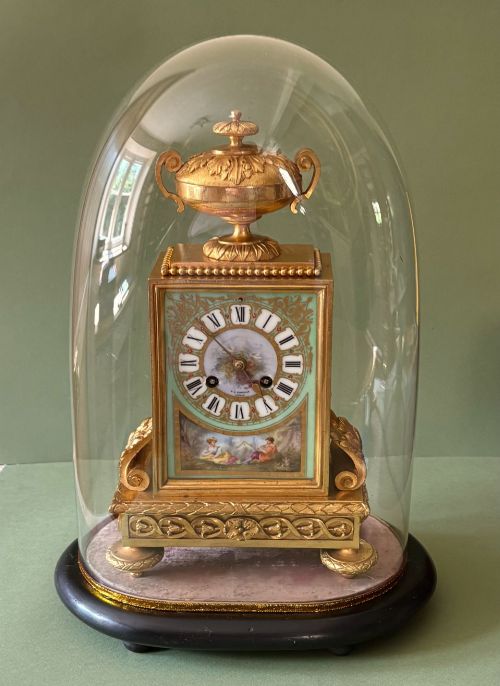
The objects take several distinct forms, ranging from traditional mantel clocks and drumhead clocks to clock garniture sets with matching side urns or candelabra. Many examples integrate marble bodies or glass panels alongside gilt brass and gilt bronze.
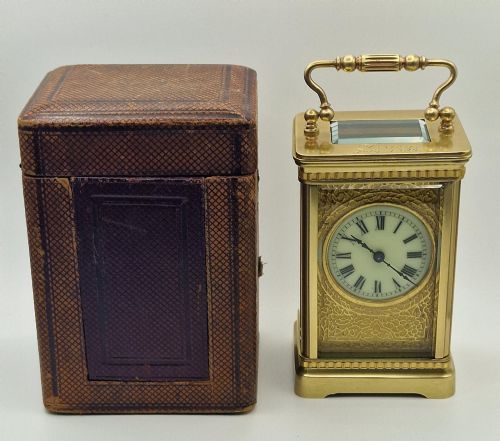
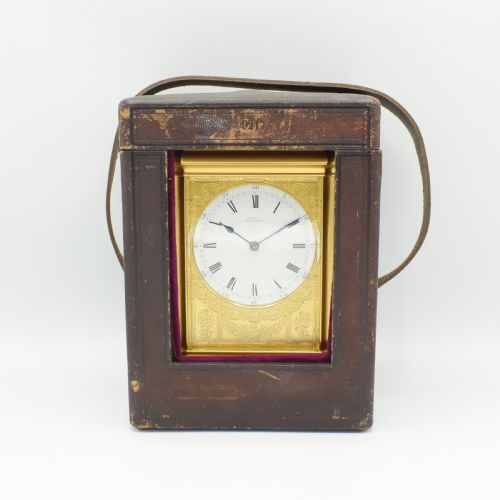
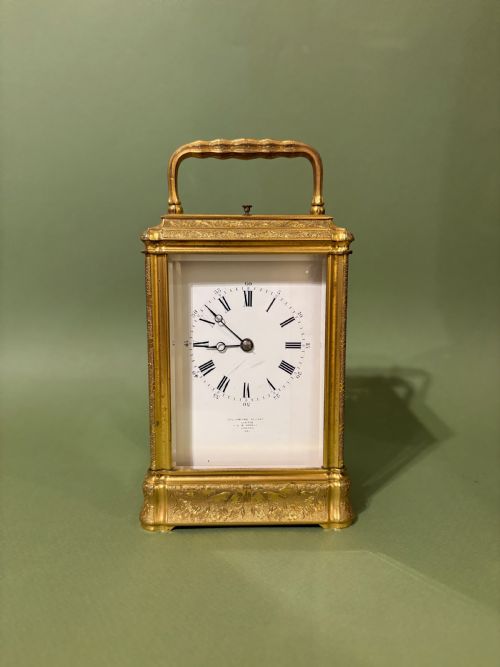
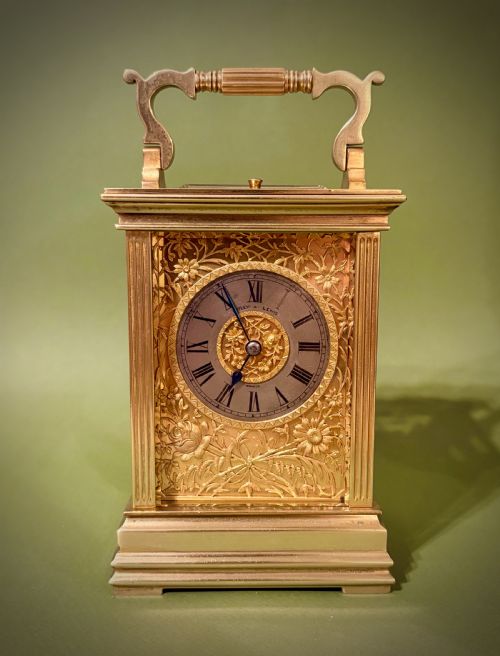
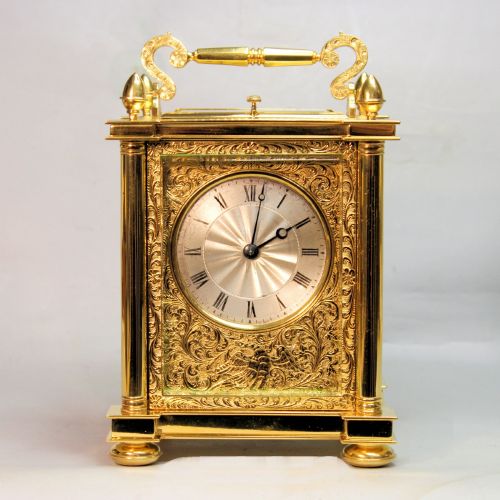
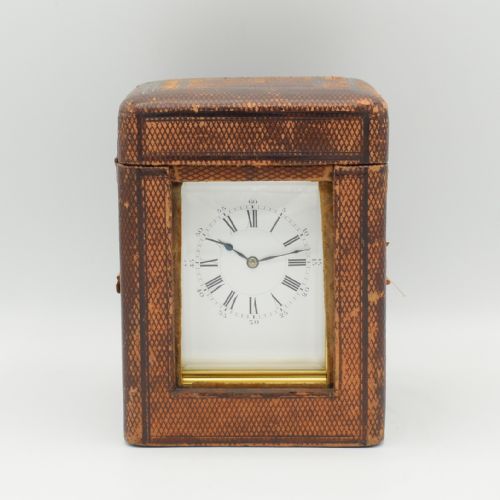
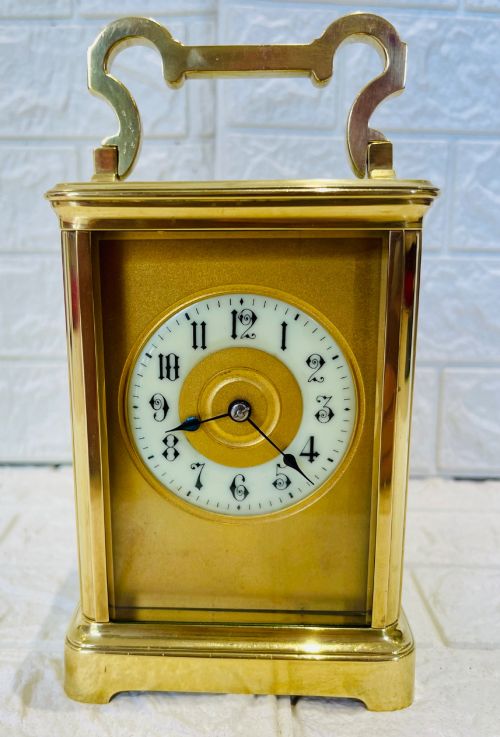
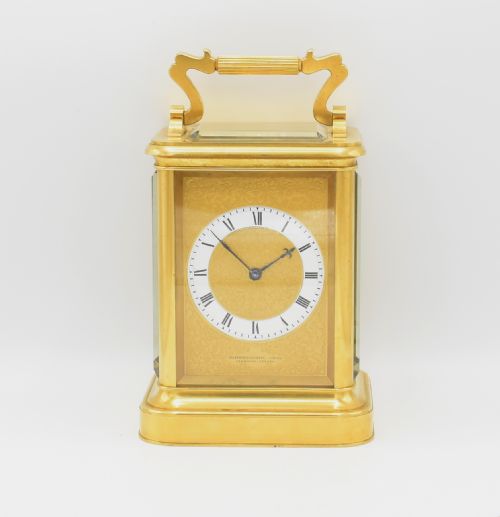
Carriage clocks also appear frequently within this grouping, often housed in engraved brass cases with enamel dials. These pieces span periods from the eighteen-sixties through to the Edwardian era, reflecting both British and continental workshops.
Materials and construction
Makers constructed these clocks using cast gilt bronze, ormolu, or gilt brass mounted over robust frames of marble, slate, or porcelain. Enamel dials and hand-painted porcelain panels frequently decorate the front faces and sides.
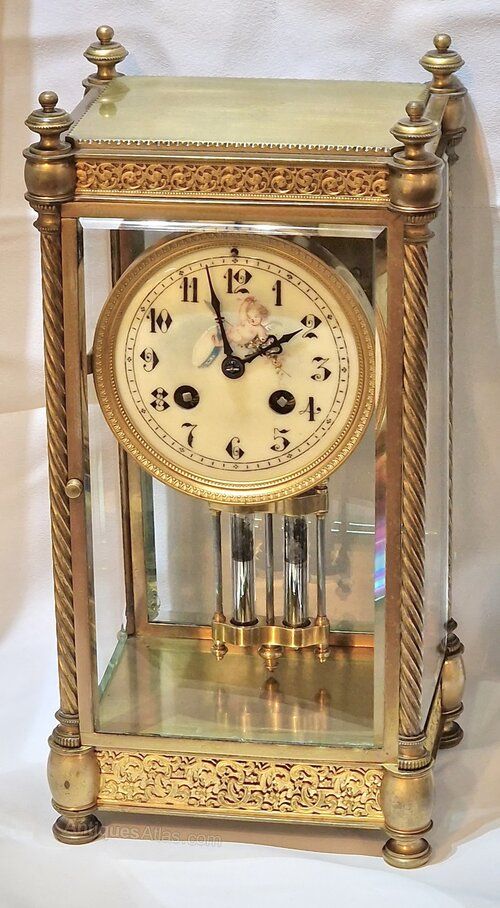
Interior movements typically involve mechanical brass gear trains, ranging from simple timepieces to striking and repeating mechanisms. Glass components, including bevelled panels in four-glass cases, allow visibility of the oscillating balance wheels or pendulums.
Cherubs peer out from clock dials and cast metal mounts, keeping watch over the passing hours on nineteenth-century mantelpieces.
Differences in execution
The distinction between standard production and top-tier execution rests in the crispness of the gilt metal casting and the precision of the hand-chased surface detail. Signed movements by known makers and fully engraved carriage cases indicate higher workshop standards.
The integration of hand-painted porcelain panels and matching clock garniture sets adds complexity that elevates an object above simpler architectural marble designs.
HENRI JACOT·COUSENS & WHITESIDE·Henry Marc·Goldsmiths Alliance Ltd·Ansonia New York·Samuel Marti
The Victorian Gilt Mantel Clock Glossary
- Gilt bronze
- Metal cast and coated with a layer of gold, providing a bright, durable finish found on many revival mantel clocks. This technique prevents oxidation of the base metal beneath.
- Ormolu
- Finely ground gold-mercury amalgam applied to bronze objects, popular in French nineteenth-century decorative arts. The process creates a rich, matte yellow lustre.
- Clock garniture
- A set comprising a central mantel clock flanked by matching ornamental pieces such as urns or vases. These sets create symmetrical arrangements on a fireplace mantel.
- Champleve enamel
- A technique where troughs are dug into a metal surface and filled with vitreous enamel before firing. It appears frequently on late nineteenth-century dials and bezels.
- Four glass clock
- A mantel clock housed within four glass panels that expose the mechanical movement from all sides. These pieces often feature mercury pendulums.
Victorian Gilt Mantel Clock: Frequently Asked Questions
How do I wind a mechanical mantel clock?
Winding requires a matching key inserted into the winding arbours on the dial face. Turning the key clockwise or anticlockwise tightens the mainspring depending on the specific train.
Care must be taken not to overwind the spring, stopping as soon as resistance increases. Most nineteenth-century movements require winding once a week or every eight days.
What is a clock garniture set?
A clock garniture set includes a central clock accompanied by two matching side pieces, such as urns or candelabra. These items were designed to sit together symmetrically on a mantelpiece.
The side pieces often share the exact same materials, such as marble bodies or gilt bronze mounts, matching the design of the main clock.
How do I identify a French movement?
French movements often feature circular stamped maker marks on the back brass backplate, occasionally including award medals or serial numbers. The pendulum suspension on these clocks frequently uses a silk thread or a small spring.
Many of these movements also include striking mechanisms that ring on bells or coiled gongs for the hours and half-hours.
Where should I place a heavy marble clock?
Heavy marble and slate mantel clocks require a sturdy, level surface that can support considerable weight. Fireplace mantels or heavy wooden sideboards provide a stable base.
Keeping the clock level ensures the pendulum swings evenly and the escapement mechanism keeps accurate time without stopping.