
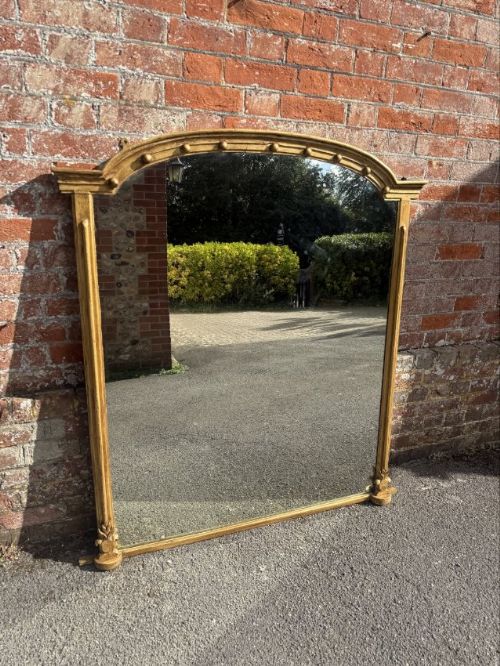
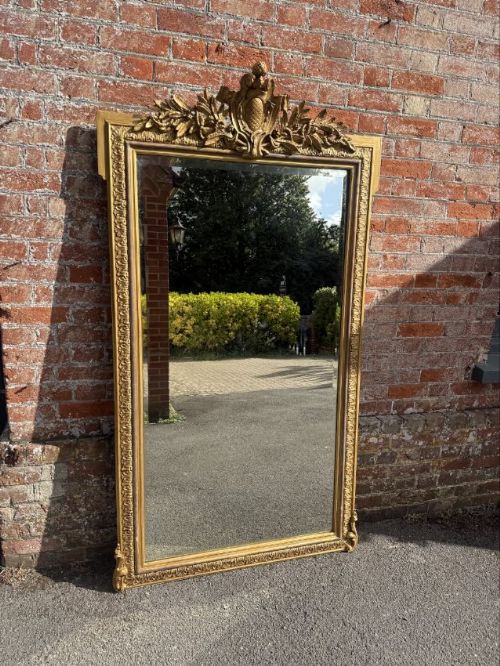
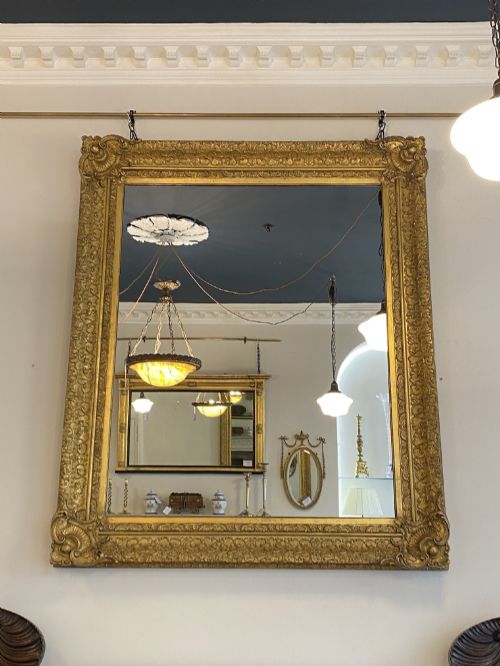
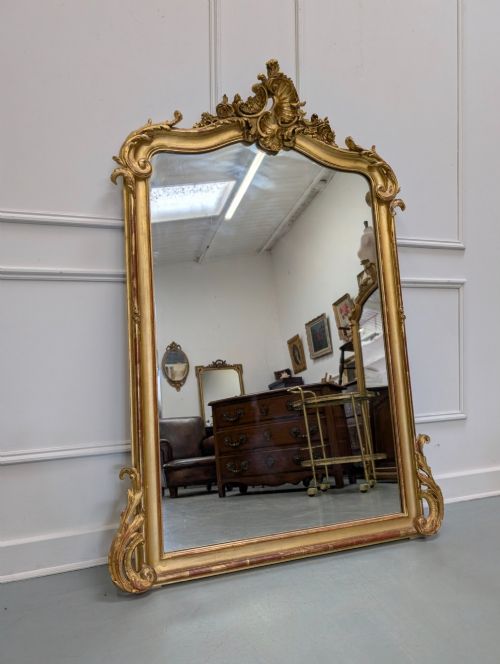
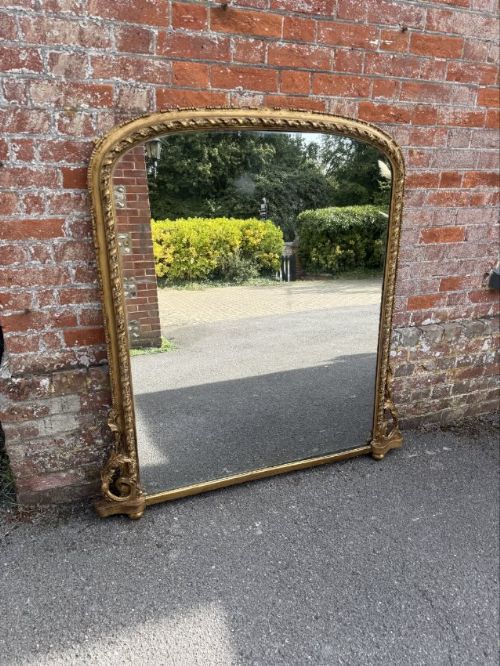
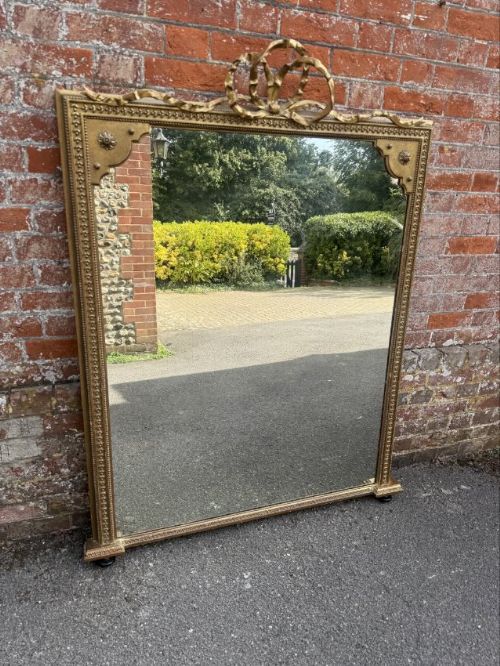
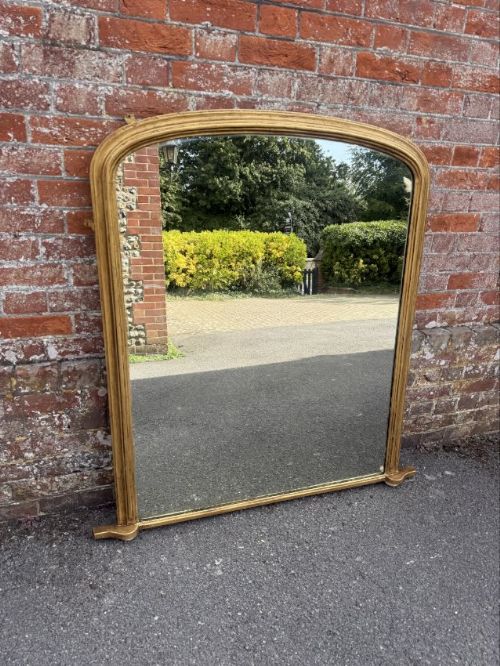
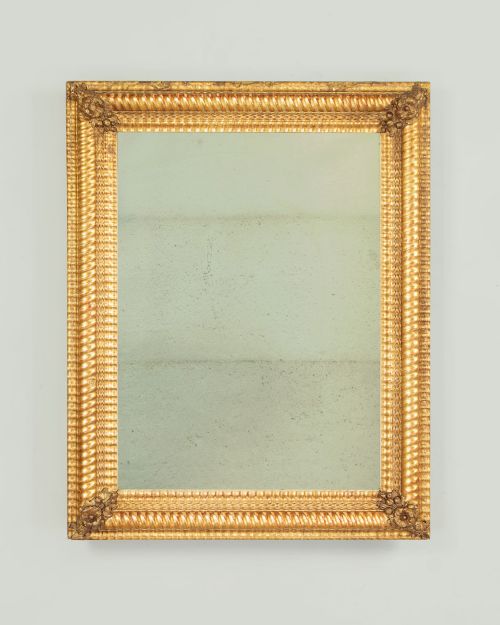
Victorian Gilt Gesso Mirror
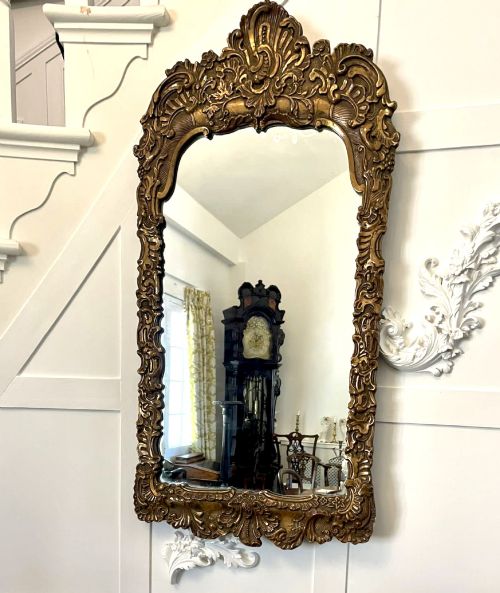
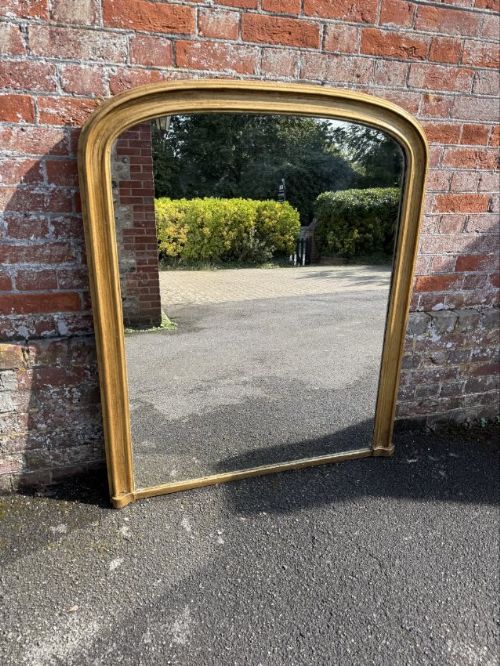
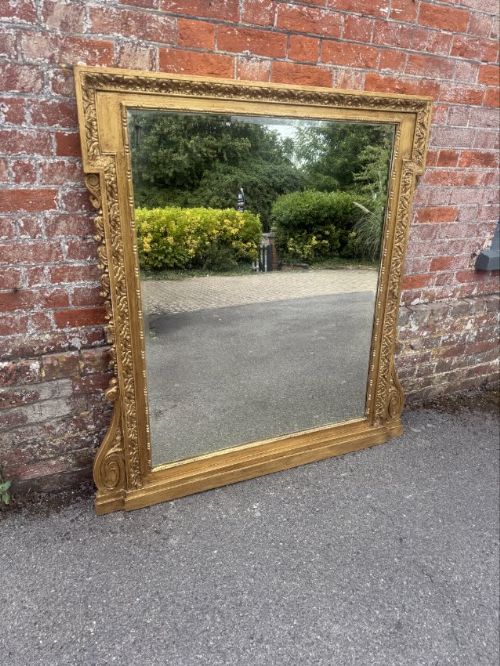
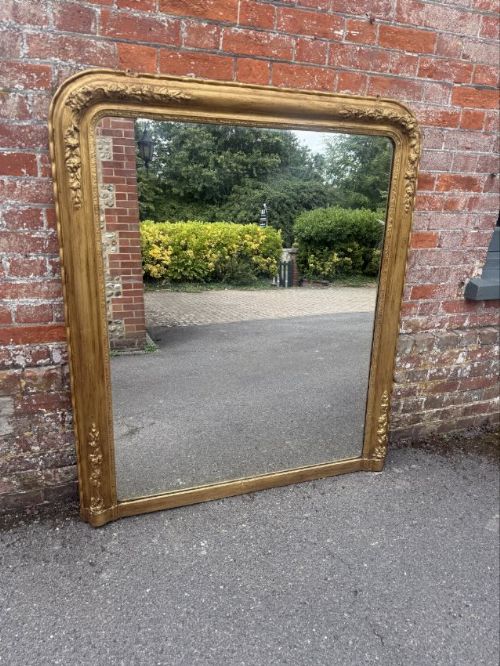
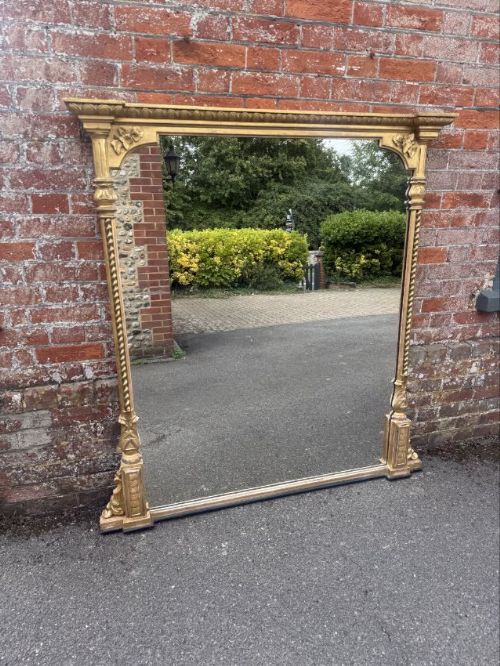
These ornate pieces of Victorian gilt gesso mirror bring striking nineteenth-century reflection and heavy decorative presence to any room.
Victorian Gilt Gesso Mirror
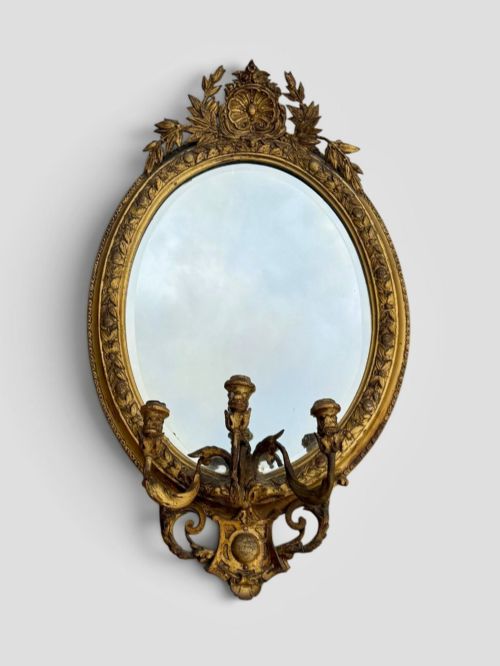
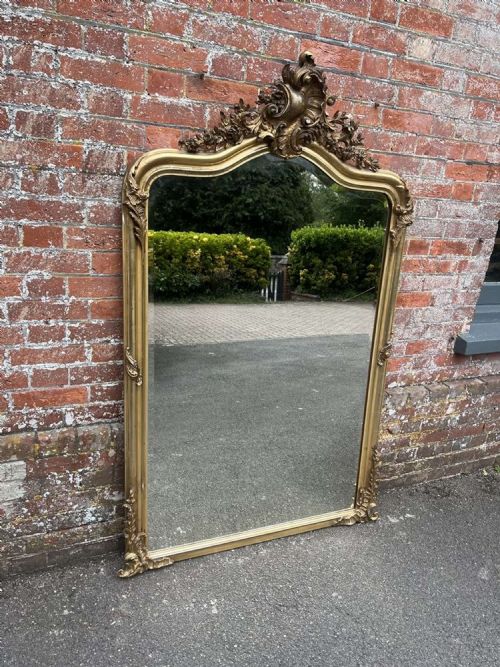
When searching for a victorian gilt gesso mirror, collectors typically encounter large overmantel frames and tall wall-hanging formats designed to dominate a room. These pieces feature heavily moulded details and expansive glass, originating mainly from English and French workshops across the middle and late nineteenth century.
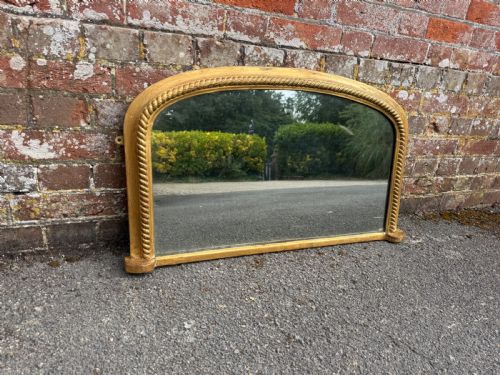
The selection ranges from grand arched top overmantels intended to sit above a fireplace to smaller oval wall mirrors, girandole designs with candle sconces, and dressing table toilet mirrors. Common stylistic revivals include French Rococo, Italian Baroque, and Neoclassical themes executed in deeply carved wood and plaster compounds.
How They Were Made
Artisans built the structural core of these frames from carved wood, applying layers of gesso - a mixture of chalk and binder - to the wooden base to create raised ornaments, scrolls, and floral reliefs. Once dried and carved into crisp detail, the gesso surface received applications of gold leaf or metallic paint to achieve a brilliant gilded finish.
The mirror glass itself was typically hand-silvered and fitted into the rabbet behind the frame, sometimes secured with wooden backing boards. Specialised techniques like rope twist moulding, ribbed columns, and applied compo ornaments added texture and depth to the outer borders.
Materials recorded across the inventory include carved wood, gesso, gold leaf, mirror glass, and metal.
What Varies In Quality
The fineness of the gesso work dictates much of the distinction between standard and exceptional pieces, with superior examples displaying sharply undercut foliage, crisp cartouche shapes, and meticulously hand-modelled putti rather than soft, muddy casts. The depth and integrity of the original gilding also set superior mirrors apart from later over-paints or dull finishes.
Structural robustness plays a major role, as heavier overmantel frames required sturdy underlying joinery to support large expanses of mirror glass without sagging at the corners. Furthermore, the retention of original mirror plates with authentic foxing or clear reflection contributes significantly to a piece's integrity.
Charles Nosotti
The Victorian Gilt Gesso Mirror Glossary
- Gesso
- A plaster-like mixture applied to a wooden substrate to form a smooth or moulded surface suitable for carving and gilding. This material allowed makers to achieve intricate relief decorations that carved wood alone could not easily produce.
- Giltwood
- Timber that has been coated with gold leaf or metal leaf. It forms the lustrous, reflective golden surface characteristic of these formal nineteenth-century mirrors.
- Overmantel Mirror
- A large horizontal mirror specifically scaled to hang on the wall directly above a fireplace mantelpiece. These pieces often feature arched tops to fit beneath high ceilings or decorative mouldings.
- Girandole
- A decorative wall mirror featuring attached candle sconces that reflect candlelight into the room. They are frequently ornamented with elaborate gilded frames and mirrored backplates.
- Cartouche
- An ornamental tablet or panel frame with a scrolled or rolled edge, resembling a scroll of paper. This shape frequently defines the crests and borders of mid-nineteenth-century mirrors.
- Patera
- A circular ornamental plaque carved in relief to resemble a classical libation dish. They appear frequently on neoclassical frames as junction points or corner decorations.
Victorian Gilt Gesso Mirror: Frequently Asked Questions
Where should I hang a large overmantel mirror?
These grand mirrors were traditionally designed to anchor the space directly above a drawing room fireplace, where they visually expand the room and reflect light from windows.
In modern interiors, they function equally well mounted above a low sideboard, a heavy console table, or as a focal point on an unobstructed main wall.
What is the difference between an overmantel and a pier mirror?
Overmantel mirrors are built wide and horizontally proportioned to span the expansive wall space above a fireplace hearth.
Pier mirrors are typically taller and narrower, designed specifically to hang on the solid section of wall space situated between two windows.
Can I replace the original mirror glass safely?
Replacing antique glass is generally discouraged because original plates show characteristic age spots, slight distortion, and historical silvering that confirm authenticity.
If the glass is dangerously cracked, a restorer can source period-appropriate replacement glass with matching bevels and historical imperfections.