

Victorian Gilt Framed Prints
Victorian gilt framed prints encompass framed imagery and works on paper encased in gilded timber mounts, prized for period wall display.
Victorian Gilt Framed Prints
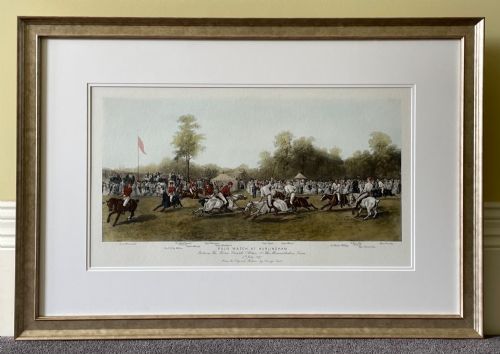
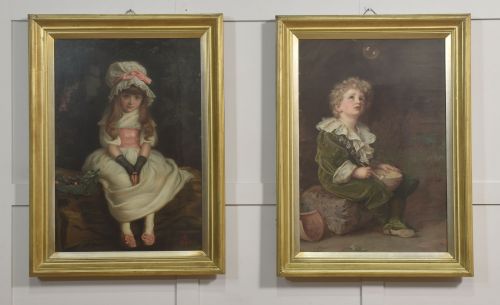
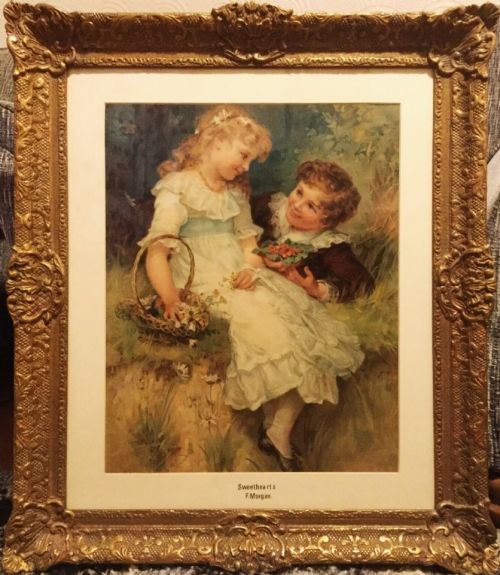
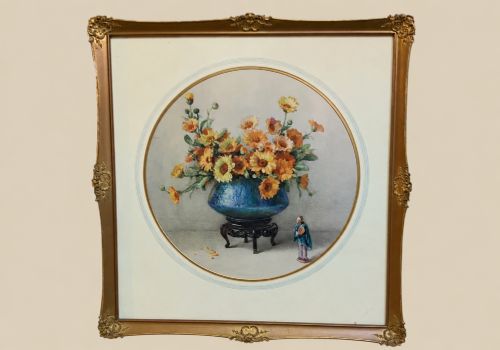
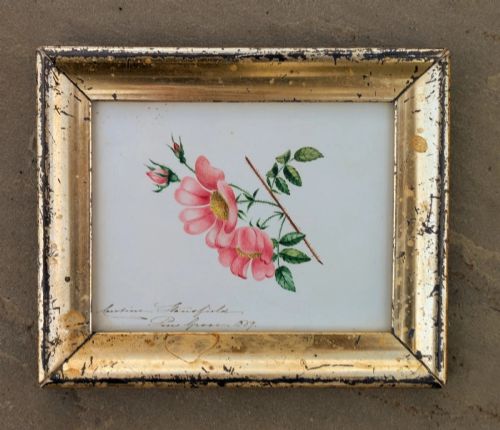
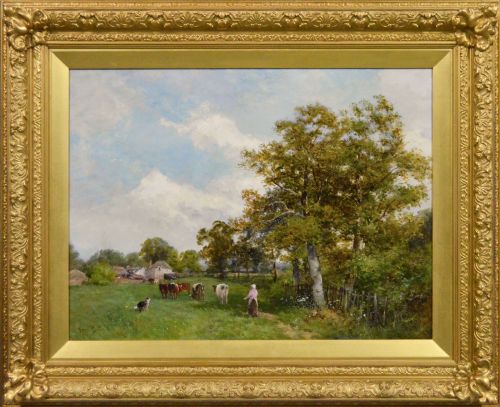
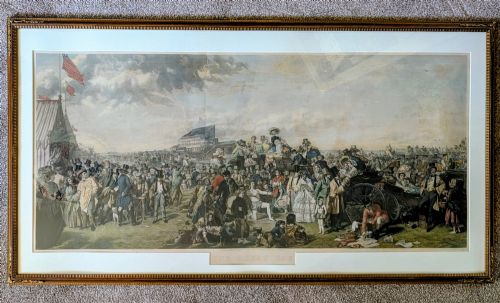
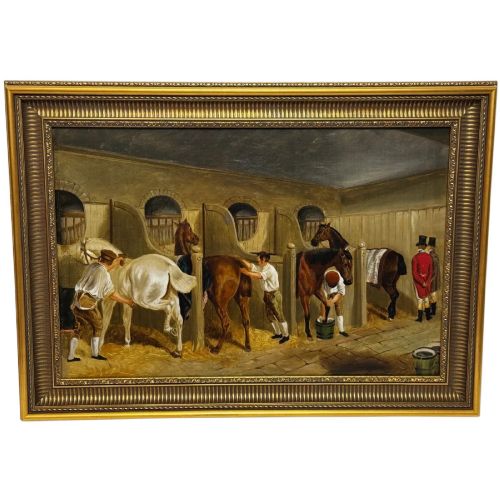
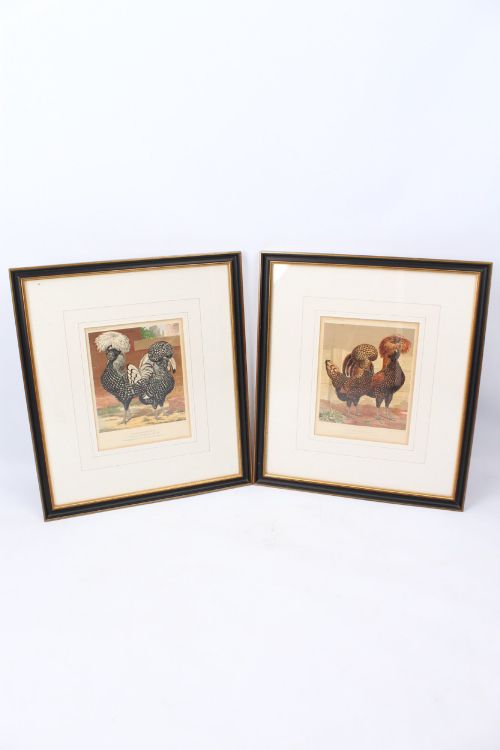
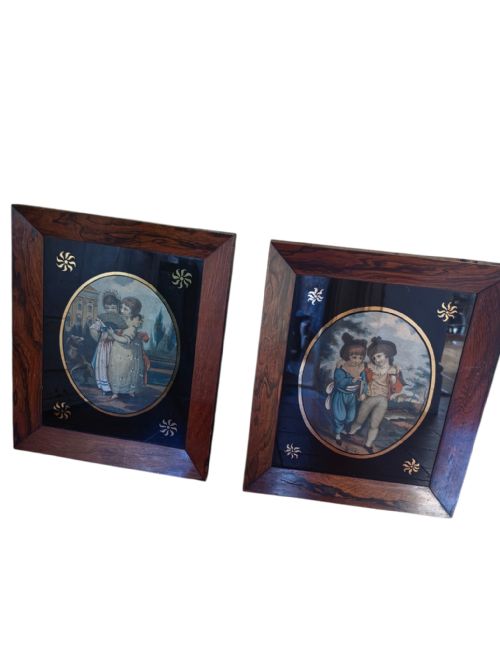
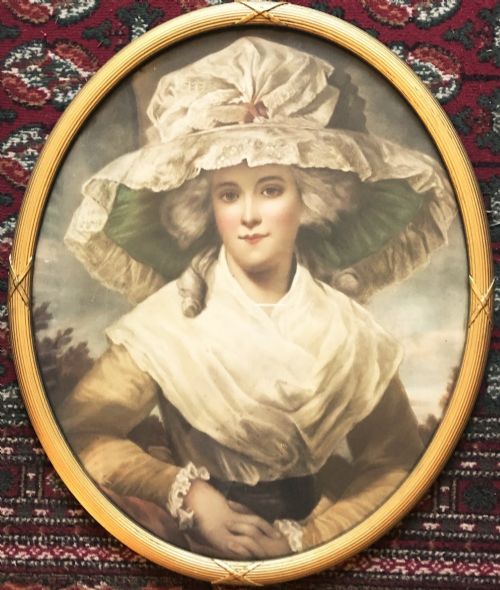
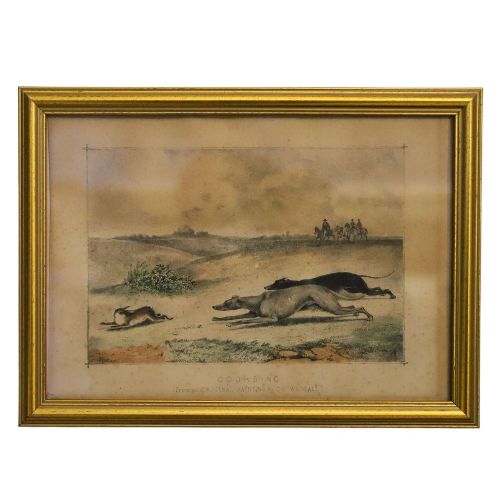
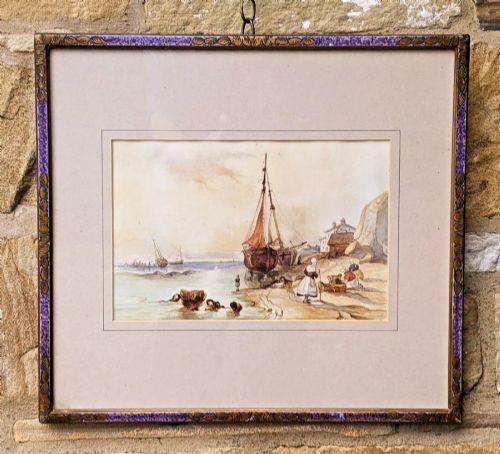
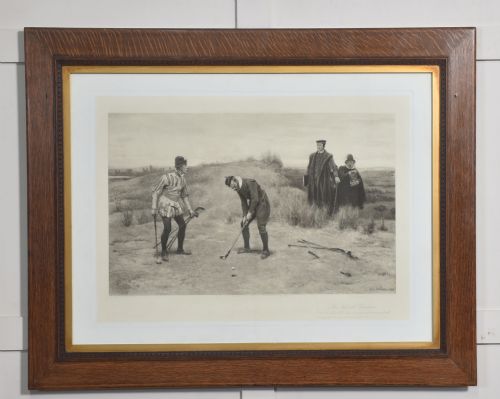
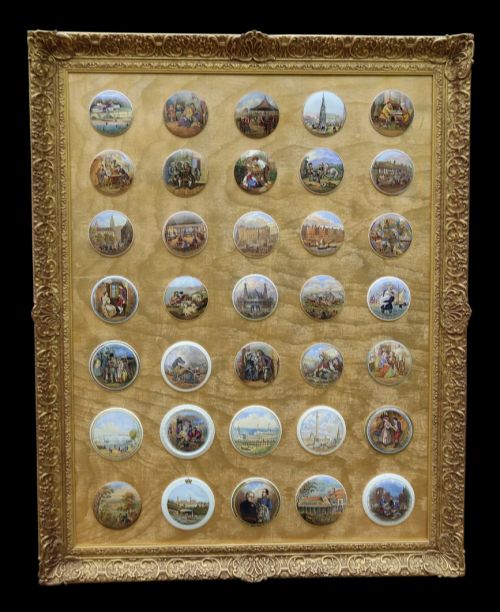
Victorian gilt framed prints bring together framed prints, engravings, lithographs, and oil paintings originating largely from the nineteenth century, alongside later reproductions extending into the twentieth century. Buyers encounter diverse subjects including sporting scenes, pastoral studies, portraits, and advertising prints housed in period surrounds.
The objects span varied forms, from large wall art and oval portraits to intimate pairs of animal and botanical lithographs. Frames incorporate gilded wood and gesso, protecting works behind glass alongside unglazed canvases.
Materials and construction
Makers utilised wood as the primary structural material for frames, applying gesso layers to form ornamental mouldings before finishing surfaces with gold leaf or gilt paint. Prints and works on paper required specialised techniques such as lithography, chromolithography, engraving, and mezzotint.
Glazing with glass protected delicate paper surfaces, watercolours, and hand-coloured plates. Oil paintings utilised canvas supports, while mixed media and woodblock prints demonstrated alternative visual methods.
Cats, dogs, and farmyard chickens frequently share wall space with Victorian politicians.
Assessing quality
Distinctions in quality arise from the crispness of the impression in printed works and the precision of hand-colouring applied to engravings or lithographs. Finer examples display meticulous detail in the original plate-work and depth in the surrounding giltwood or gesso frames.
The integrity of the frame's moulding and the preservation of the original surface finish differentiate superior survivals from pieces that have sustained heavy restoration or modern alterations.
Frederick Morgans·William Powell Frith·Horatio Henry Couldrey·Charles Burton Barber·Gustave Doré
The Victorian Gilt Framed Prints Glossary
- Lithography
- A planographic printing process utilising a flat stone or metal plate. Artists draw images using greasy substances to transfer ink onto paper.
- Gesso
- A plaster mixture applied to wooden frame bases. Craftsmen mould this substance into decorative reliefs before applying gilding.
- Chromolithography
- A multicolour planographic printing technique. This method builds up vibrant hues through successive impressions from different stones.
- Mezzotint
- A tonal printmaking method belonging to the intaglio family. Workers roughen copper plates to achieve subtle graduations of light and shade.
- Engraving
- A technique where lines are cut directly into a metal plate with a burin. The resulting incisions hold ink for pressing onto paper.
Victorian Gilt Framed Prints: Frequently Asked Questions
How do I date these frames?
Dating relies upon examining the timber construction, the composition of the gesso mouldings, and the specific style of the gilding. Earlier nineteenth-century frames often display deeper profiles and hand-carved details.
Paper content and backing boards also provide supporting chronological evidence. Comparing the joining techniques at the frame corners helps establish the manufacturing period.
Are these prints original?
Many items represent period printings pulled from the original plates or stones during the nineteenth century. Others comprise later commercial reproductions or advertising issues produced around the early twentieth century.
Examining the ink distribution under magnification reveals whether an image is a true period impression or a modern photographic copy. Plate marks on engravings further confirm period authenticity.
How should I hang these pieces?
Gilt framed works require sturdy wall fixings due to the substantial weight of timber and gesso mouldings. Positioning them away from direct sunlight protects vulnerable paper and watercolours from fading.
Maintaining stable room humidity prevents the timber frames and gesso ornamentation from cracking. Hanging artwork at eye level ensures optimal viewing of fine detail.