



Victorian Gillows Table
A victorian gillows table brings the celebrated workshop furniture of Lancaster and London into a room with assured craftsmanship and classic proportion.
Victorian Gillows Table
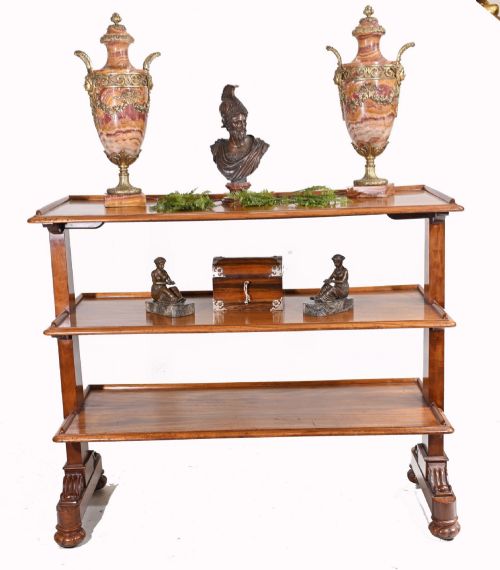
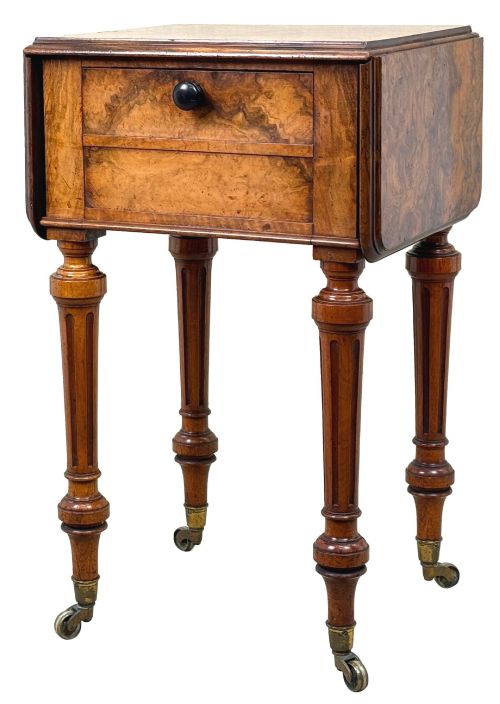
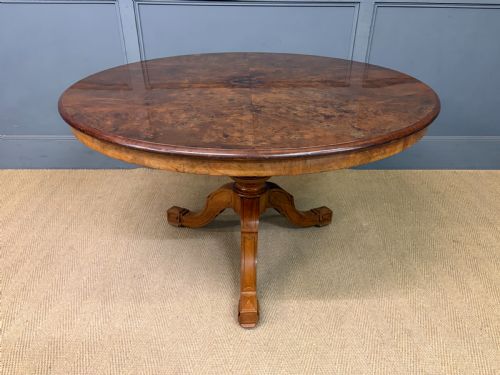
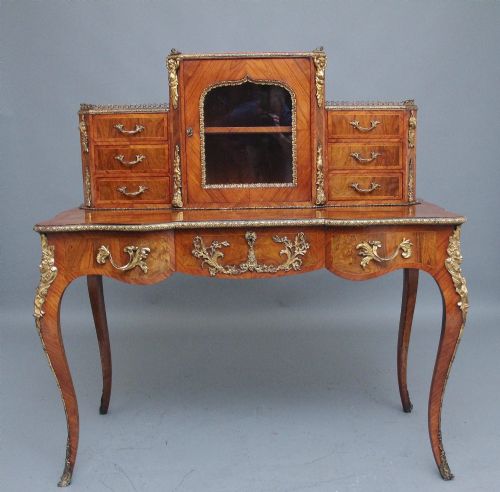
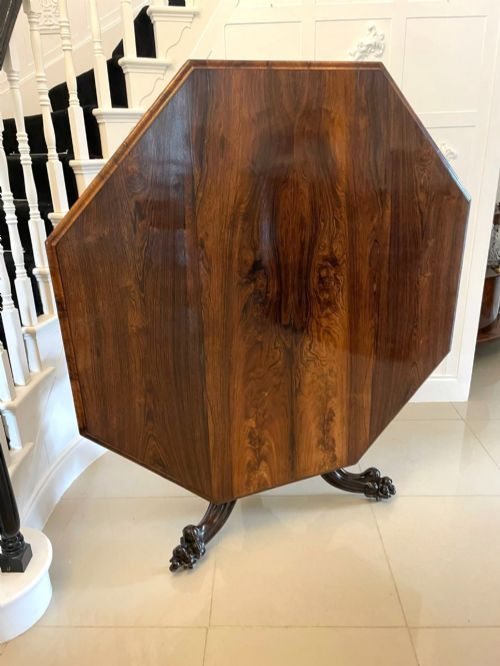
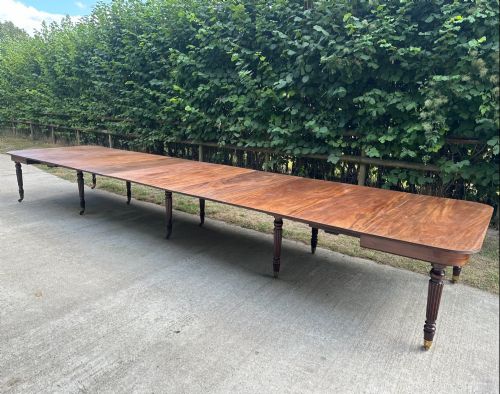
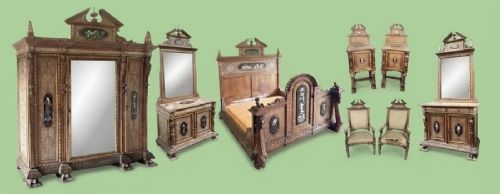
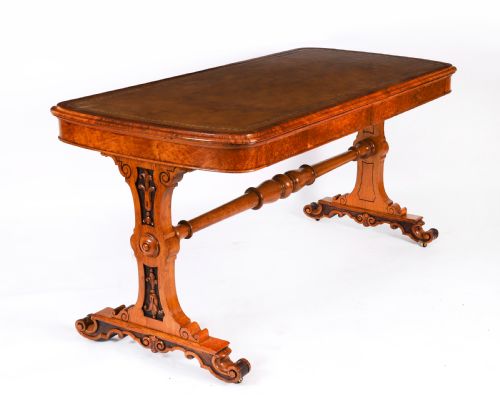
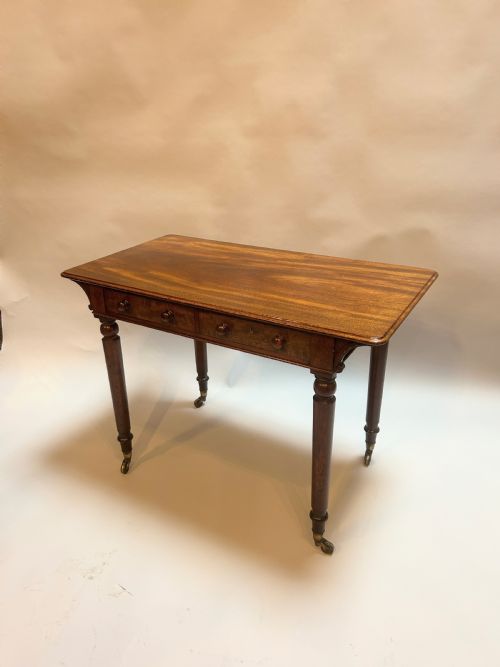
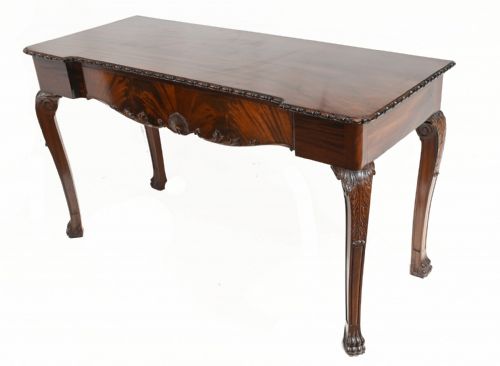
A victorian gillows table encompasses dining tables, writing desks, and side tables produced by the renowned firm or following its established design principles. Pieces range from large mahogany extending dining boards to smaller rosewood centre tables and walnut writing desks.
How They Were Made
Cabinet makers utilised dense timber stocks including mahogany, rosewood, burr walnut, and oak, often pairing figured veneers with solid framing. Secondary woods provide structural stability inside drawers and beneath tabletops.
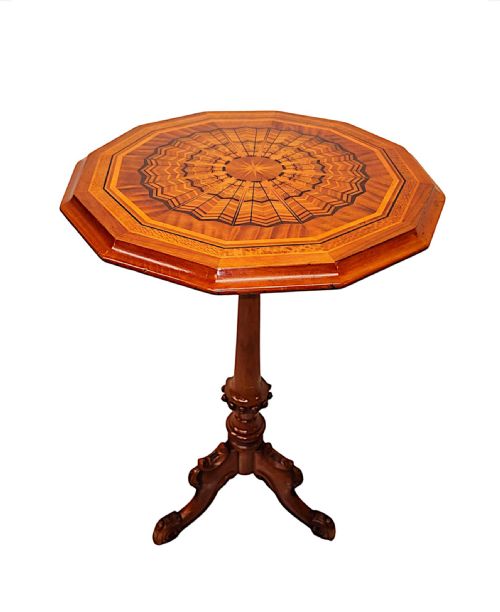
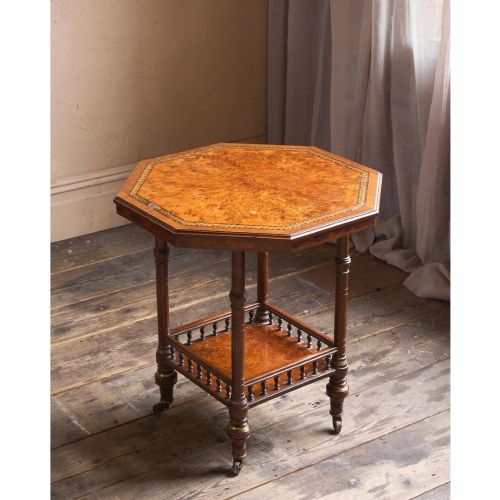
Inlaid decoration incorporates satinwood, amboyna, and parcel gilt highlights, while brass mounts and castors facilitate movement on larger extending dining formats. Joinery relies on traditional methods designed to endure heavy domestic and boardroom use.
Victorian Gillows Table Retail Price Guide 2026
Typical asking prices for victorian gillows table among the pieces listed under this phrase on Sellingantiques today, from the lower quarter to the upper quarter. They describe what is for sale here now, not the wider market.
Some tables hide clever mechanisms designed to hold tea canisters securely during stormy sea voyages.
What Varies in Quality
Selection of timber grain dictates visual appeal, with highly figured burr walnut, pollard oak, and matched mahogany veneers marking out the finest examples. The depth of carved detail and precision of marquetry inlay also distinguish standard production from exhibition pieces.
Mechanical execution in extending dining tables and writing desks separates standard workshop output from superior commissions. Smooth action in runner systems, drawers, and folding leaves demonstrates the highest standards of Lancaster and London joinery.
Gillows·Gillow and Co·Waring and Gillow
The Victorian Gillows Table Glossary
- Extending dining table
- A large dining board featuring internal leaves and mechanical runners to expand the surface area. This mechanism allows a compact dining room setup to accommodate numerous guests.
- Centre table
- A freestanding piece finished on all sides designed to stand in the middle of a room rather than against a wall. These tables often feature circular or oval rosewood and walnut tops.
- Pedestal desk
- A writing table supported by two banks of drawers rather than four distinct legs. Examples associated with this maker often incorporate gilt-tooled leather writing surfaces.
- Teapoy
- A small lidded container on a central pillar used for storing loose tea leaves. These decorative table-height pieces reflect the formal hospitality customs of the period.
Victorian Gillows Table: Frequently Asked Questions
How do I identify a authentic piece?
Authentication relies on locating workshop stamps, written signatures, or distinct cabinet-making signatures characteristic of the Lancaster firm.
Construction details such as drawer lining and timber selection also help verify attribution.
Were these tables used for dining?
Large mahogany and oak examples served formal dining functions in nineteenth-century homes and boardrooms.
Many incorporated extending mechanisms with multiple leaves to accommodate large gatherings.
How should I care for timber surfaces?
Maintain polished wood surfaces by avoiding direct sunlight and excessive moisture fluctuation in the room.
Apply traditional wax sparingly to nourish the grain without building up heavy residue.
What is the difference between attribution and a stamp?
A stamped piece carries the physical mark or signature impressed directly into the wood by the maker.
Attribution indicates that construction methods, design, and materials strongly link the object to the workshop without bearing a brand.