

Victorian Genre Painting Artwork
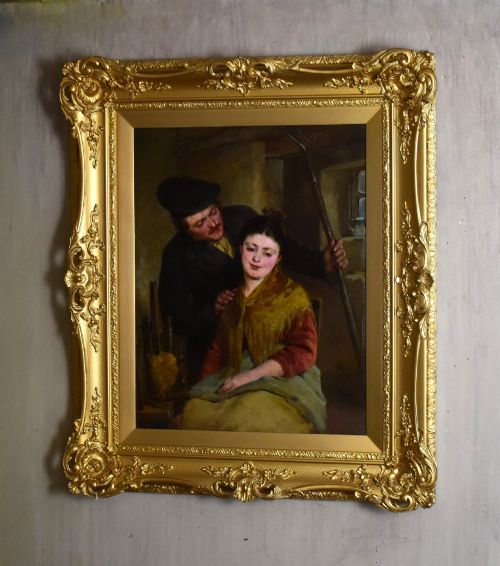
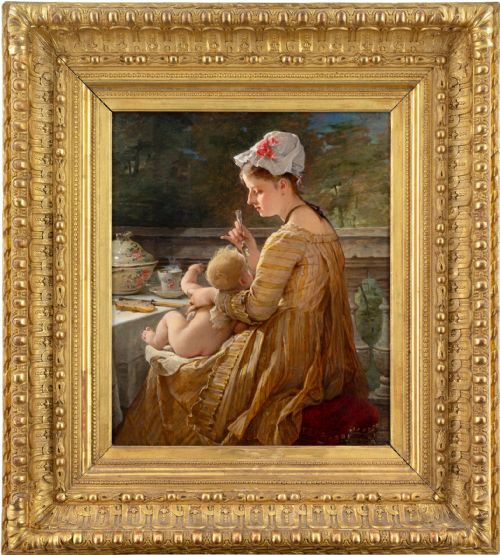
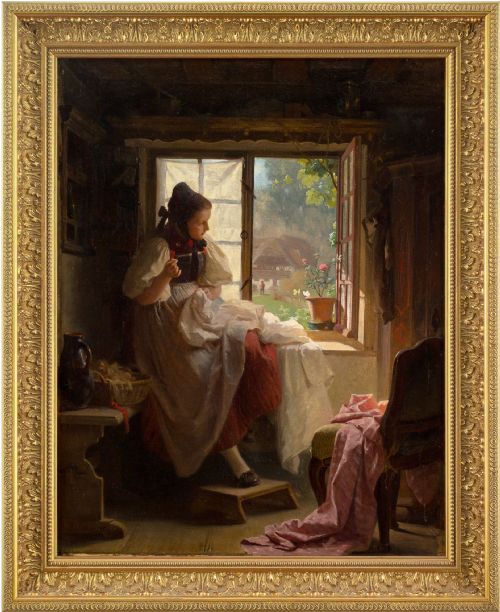
These pieces of victorian genre painting artwork capture domestic scenes, social history and rustic life from the nineteenth century.
Victorian Genre Painting Artwork
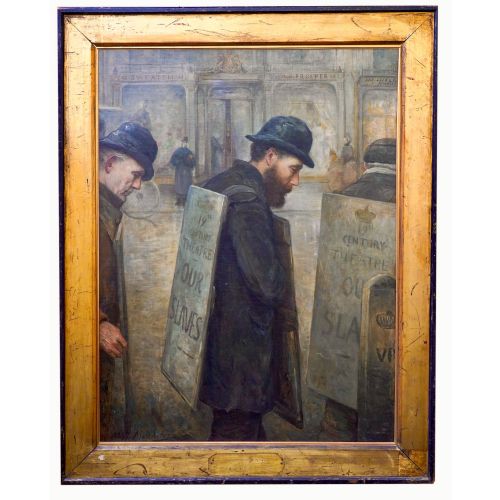
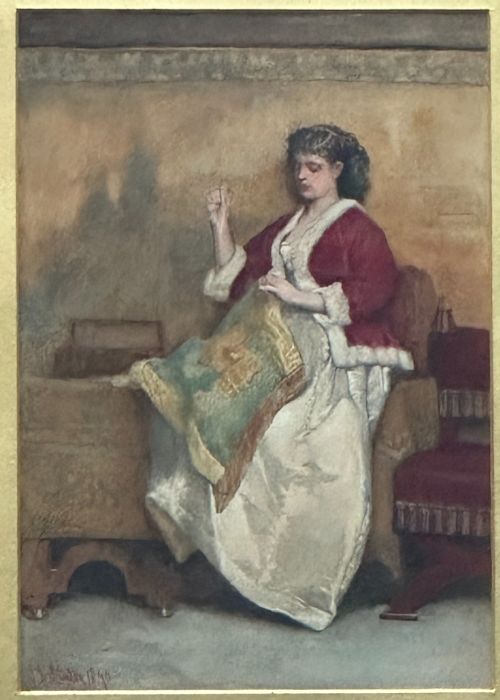
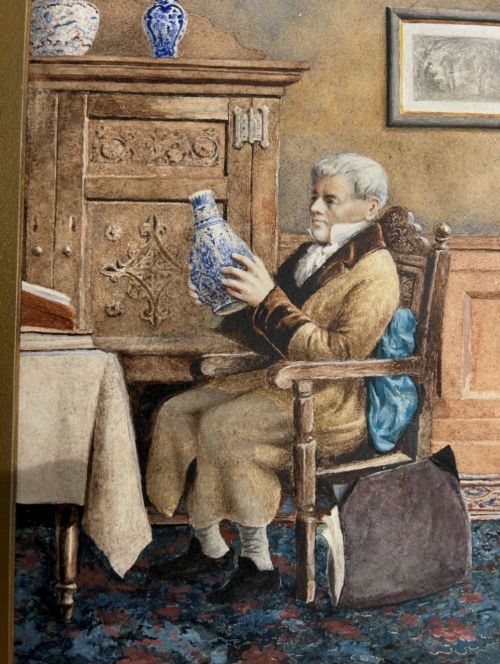
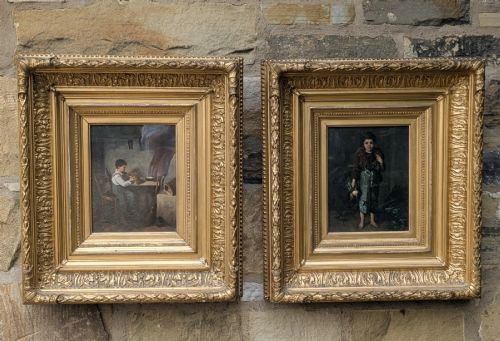
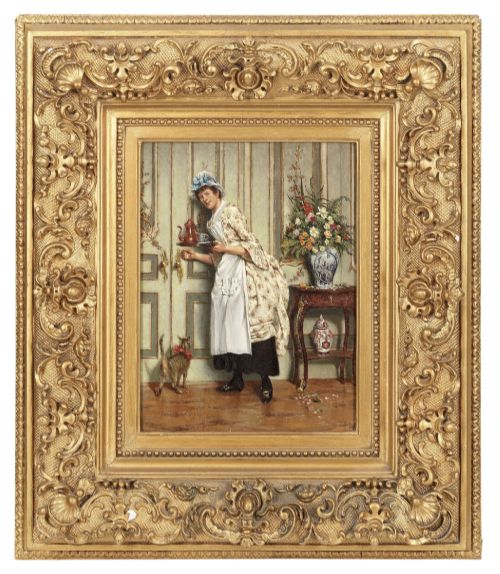
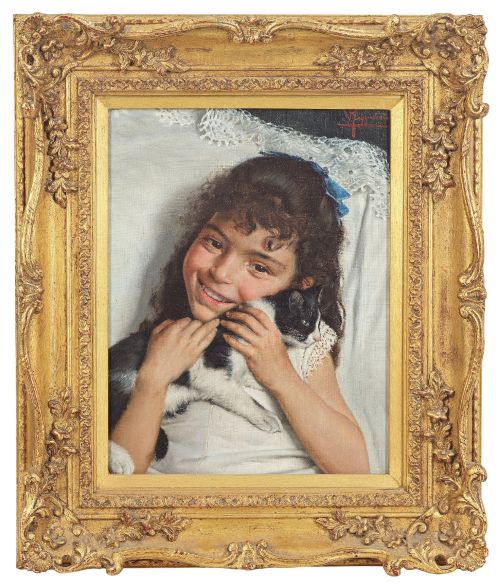
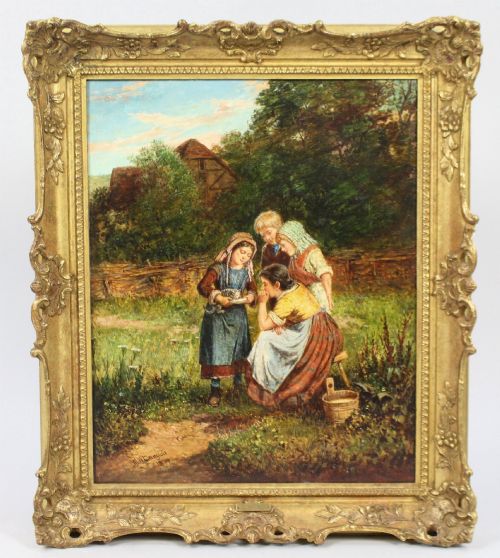
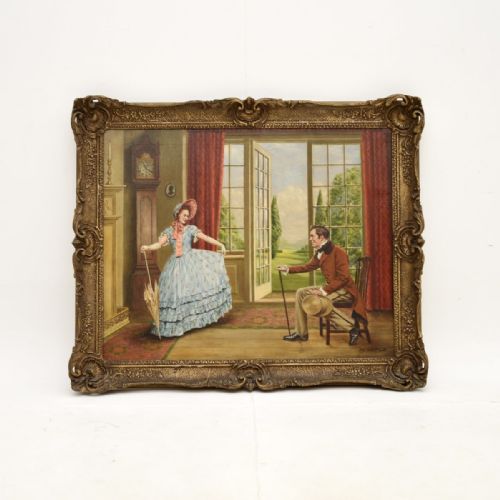
When you search for victorian genre painting artwork, you encounter framed compositions depicting everyday people, children at play, domestic interiors and historical narratives. These works document nineteenth-century life through intimate storytelling, often focusing on quiet moments like sewing, tea time or children feeding animals.
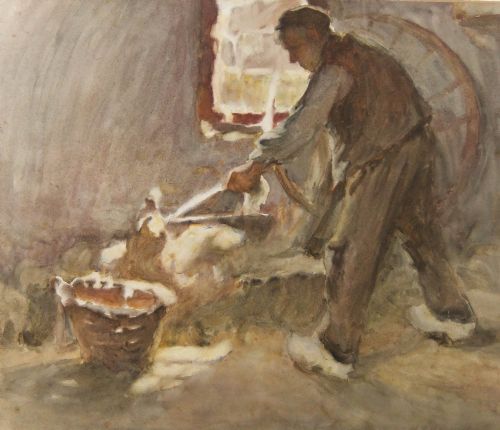
On this page, you are most likely to meet oil paintings on canvas and watercolours dating from the Victorian period through to the early twentieth century. These pieces range from detailed interior scenes involving domestic pets to outdoor studies of fishermen and blacksmiths.
The subjects reflect both British and continental schools, capturing social realism alongside picturesque country house settings. Many pieces present named subjects or figures engaged in recognisable trades and pastimes.
Materials and Technique
The primary support for these works is oil paint applied to canvas, wood panel or board, alongside watercolours executed on paper. Artists utilised rich oil pigments to build depth in interior lighting and fabric textures, while watercolours allowed for delicate washes in portraiture and landscape elements.
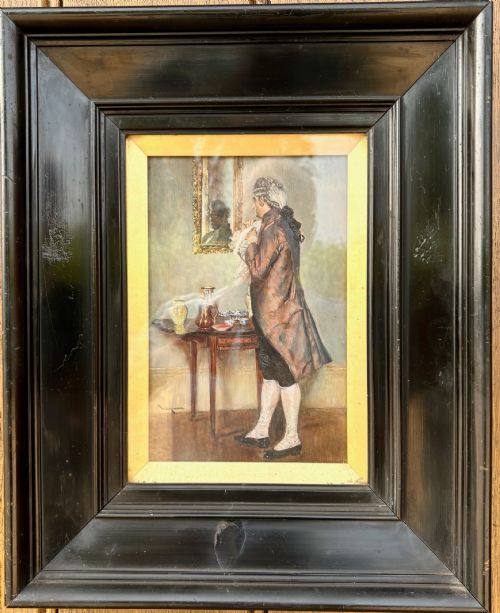
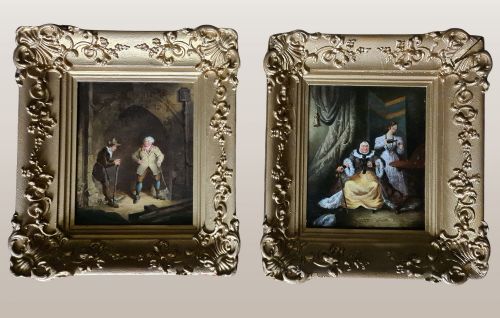
Framing forms an integral part of the physical object, with many works retained in their original gesso, giltwood or carved wooden frames enhanced by gold leaf. These frames provide period context and protect the delicate painted surfaces from atmospheric changes.
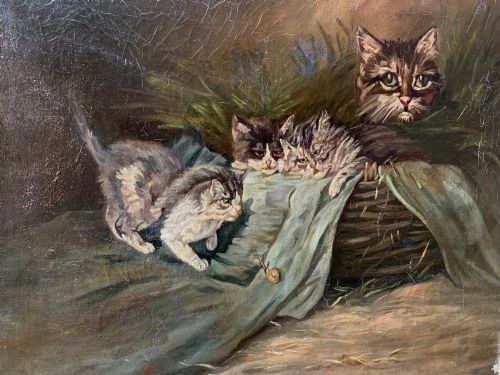
Kittens appear with surprising frequency, plotting mischief beside sewing baskets and milk pails.
Quality Variations
Quality in these works rests upon the artist's ability to render facial expressions, hands and fabric textures with psychological conviction rather than mere technical neatness. Stronger examples command attention through balanced composition and subtle handling of light within domestic or rustic interiors.
The integrity of the original surface, including stable pigment adherence and minimal restoration to the canvas or paper, separates superior works from those with extensive overpainting. Furthermore, the presence of a well-preserved period giltwood frame enhances the overall coherence of the piece.
Felix Stone Moscheles·Sir James Dromgole Linton·Valentine T. Garland·Henry Stacy Marks·Stephen Samuel Lewin·Vittorio Reggianini·Mark William Langlois·Henry Silkstone Hopwood·Alfred Lyndon Grace·W. D. Almond·Howard Helmick·Adelaïde Salles-Wagner·Max Kaltenmoser·George Augustus Holmes·Joseph H Barnes·Frederick Walker·Louis Charles Verwee·James Hamilton·Carlo Ferranti·Cowper·Renato Moretti·Alfred Arthur Brunel de Neuville·Delapoer Downing·Thomas Kent Pelham·Miles Birkett Foster
The Victorian Genre Painting Artwork Glossary
- Genre painting
- Depiction of aspects of everyday life by depicting ordinary people engaged in common activities. This style forms the core of the works catalogued here.
- Gesso
- Plaster-like mixture used as a base for moulding intricate decorative patterns on antique picture frames. It is frequently gilt to create a polished metallic finish.
- Social realism
- Artistic movement that aims to draw attention to the everyday conditions of the working classes and the poor. Works in this vein record contemporary social issues.
- Giltwood
- Wood that has been coated with thin gold leaf or gilt powder. This finish is typical of traditional nineteenth-century picture frames.
Victorian Genre Painting Artwork: Frequently Asked Questions
What subjects do these paintings show?
These works focus on everyday human activities, domestic interiors, and rural labour rather than grand historical or mythological events.
Subjects range from children playing with kittens and families taking tea to blacksmiths at work and fishermen resting by the sea.
Were these works meant for homes?
Nineteenth-century patrons purchased these paintings to display in domestic parlours, dining rooms, and drawing rooms.
Their manageable scale made them suitable for private residences rather than public galleries or large institutions.
How do I care for an oil painting?
Keep paintings away from direct sunlight, high humidity, and rapid temperature fluctuations to protect the canvas and paint layers.
Dust the surface gently with a soft, dry brush and avoid using chemical cleaners or water on the paint.
How do watercolours differ from oils?
Watercolour paintings use pigment suspended in a water-soluble vehicle applied to paper, producing a luminous and translucent effect.
Oil paintings utilise slow-drying paint on canvas or wood, allowing artists to build thick textures and rich, deep tones.