




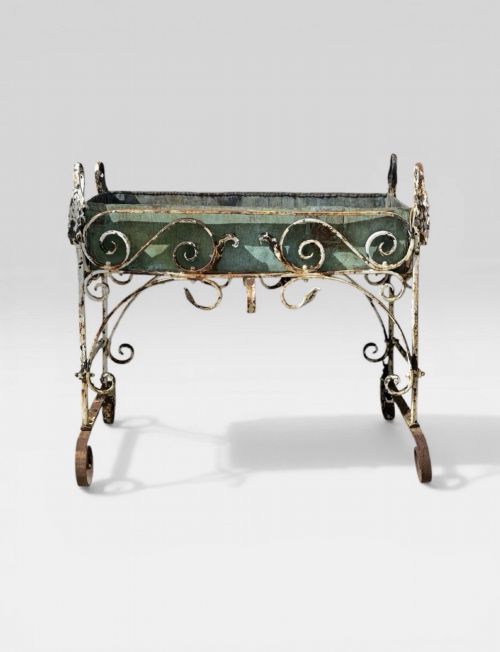
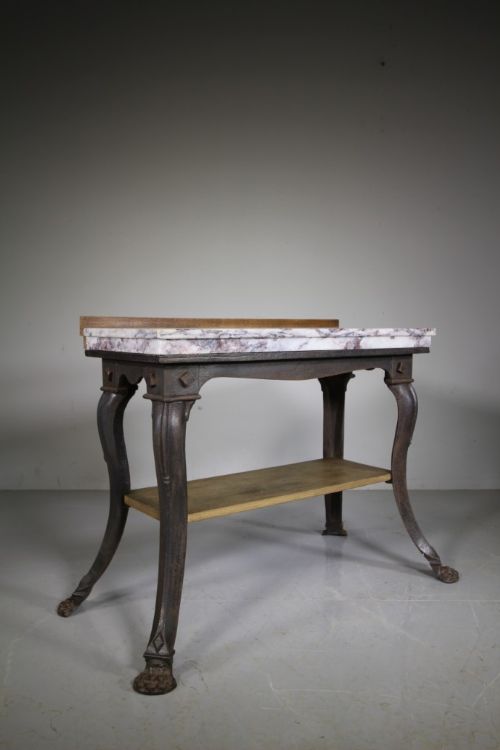


Victorian Garden Stand
These Victorian garden stand pieces bring structure to outdoor planting, offering solid iron and terracotta staging that collectors use to elevate ferns and urns.
Victorian Garden Stand
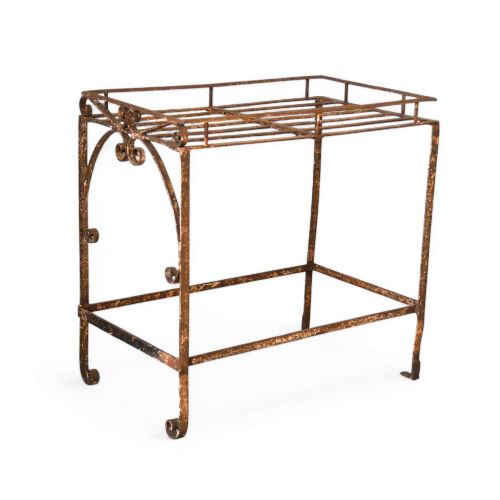
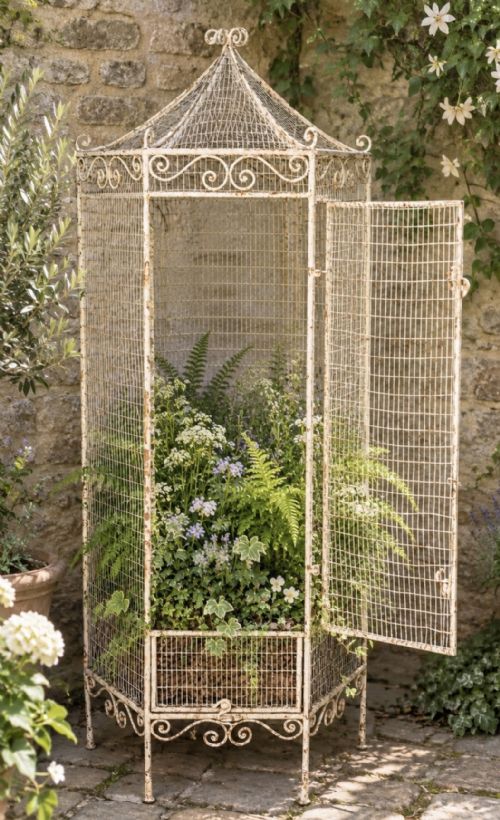
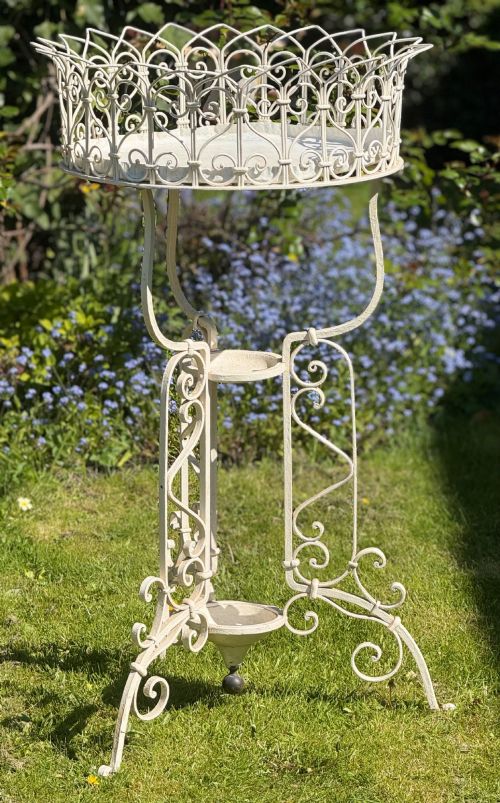
A victorian garden stand serves to display plants, urns, and decorative ceramics upon porches, terraces, and within conservatories. These items range from simple utilitarian racks to ornate tiered structures designed for maximum visual impact.
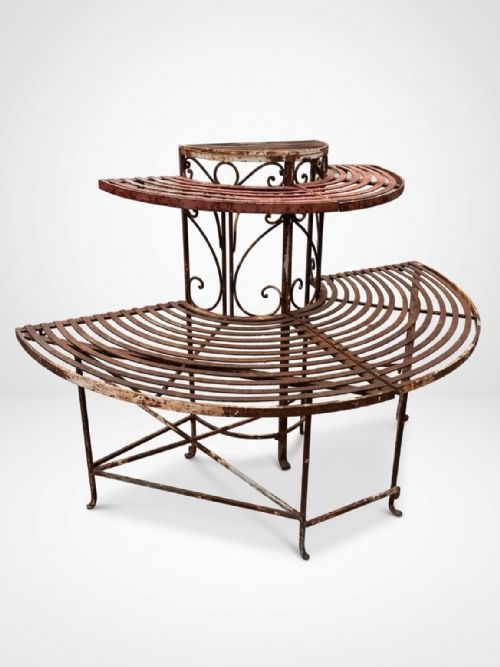
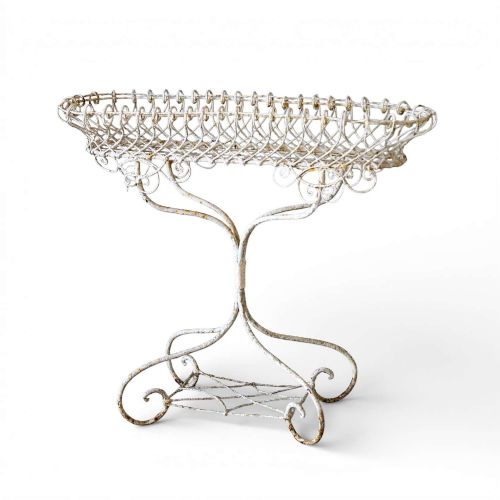
Buyers will most frequently encounter multi-tiered plant stands, campana urns on matching plinths, and wirework conservatory staging originating from the nineteenth century. Cast iron and wrought iron forms dominate the selection, often finished in period paint.
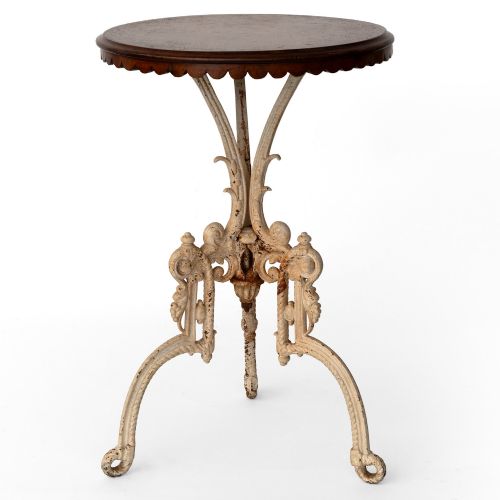
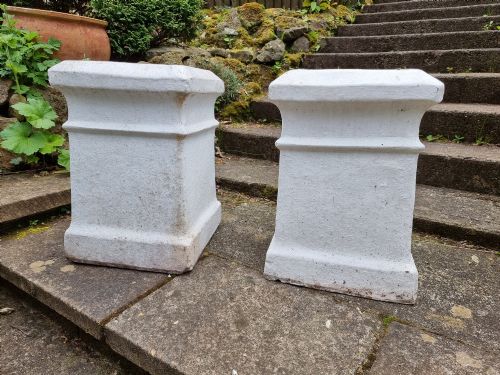
The category encompasses associated architectural elements such as terracotta display columns, ceramic garden seats, and side tables intended for exterior or conservatory placement.
Materials and Construction
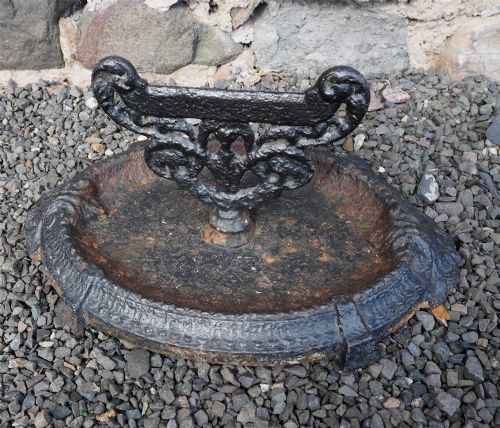
Foundry work defines the metal pieces, utilising cast iron for heavy urns and plinths alongside wrought iron and delicate wirework for tiered plant stands. Artisans shaped metal through casting, riveting, and intricate scrollwork to create sturdy frameworks.
Ceramic and earthenware elements rely on traditional pottery techniques, resulting in terracotta planters, creamware seats, and glazed stoneware columns. Painted finishes frequently protect the metal surfaces while adding decorative character.
Victorian Garden Stand Retail Price Guide 2026
Typical asking prices for victorian garden stand among the pieces listed under this phrase on Sellingantiques today, from the lower quarter to the upper quarter. They describe what is for sale here now, not the wider market.
Assessing Craftsmanship and Condition
Quality rests upon the crispness of casting detail, the complexity of wirework scroll execution, and the proportional harmony between urns and their supporting stands. Superior pieces exhibit refined architectural motifs such as acanthus leaves or classical revival lines.
Original surface patination and surviving early paint layers distinguish exceptional examples from those stripped or heavily restored. Heavier gauge iron and substantial ceramic walls indicate robust original manufacture designed to withstand garden environments.
Dunfermline Clay Company·Coalbrookdale·Minton
The Victorian Garden Stand Glossary
- Campana urn
- A bell-shaped garden vessel with a flaring rim, often mounted on a square plinth or pedestal base. These classical forms became immensely popular during the nineteenth century for formal planting.
- Wirework
- A technique utilising bent and interwoven iron wire to create lightweight yet resilient plant stands and conservatory staging. This openwork style allowed adequate light and air circulation around potted specimens.
- Plinth
- A heavy base or architectural block that elevates an urn, statue, or jardiniere above ground level. They appear in cast iron, terracotta, and stone across nineteenth-century gardens.
- Jardiniere
- An ornamental pot or stand specifically made to hold a large flowering plant or fern. They often feature naturalistic motifs, classical revival styling, or decorative lattice baskets.
- Terracotta
- Fired, unglazed clay taking on a warm reddish-brown hue, widely employed for garden pedestals and display columns. The porous material provides a breathable environment for plant roots.
Victorian Garden Stand: Frequently Asked Questions
What is a victorian garden stand?
A victorian garden stand is a functional piece of outdoor or conservatory furniture designed to hold plants, urns, or decorative items above ground level. These range from heavy cast iron multi-tiered plant displays to delicate wirework frames.
They were built using durable materials like iron, terracotta, and ceramic to withstand the elements while providing decorative structure to garden layouts.
Where were they placed originally?
These stands found homes on exterior terraces, gravel paths, and within glasshouses or conservatories where delicate plants needed elevation and sunlight.
Lighter wirework stands suited indoor or sheltered glass environments, while robust cast iron urns and heavy plinths anchored formal garden paths.
How do I care for iron stands?
Maintaining cast and wrought iron pieces involves monitoring outdoor exposure and applying protective paint coatings when necessary to prevent excessive oxidation.
Keeping the metal clean and dry during harsh winter months helps preserve original surfaces and structural integrity for years to come.
How do I identify nineteenth century pieces?
Identifying period pieces relies on examining construction methods such as hand-riveted joints, traditional foundry casting marks, and appropriate patination on the iron or terracotta.
Stylistic cues like classical revival motifs, acanthus leaf detailing, and specific nineteenth-century proportions also help confirm the era of manufacture.