

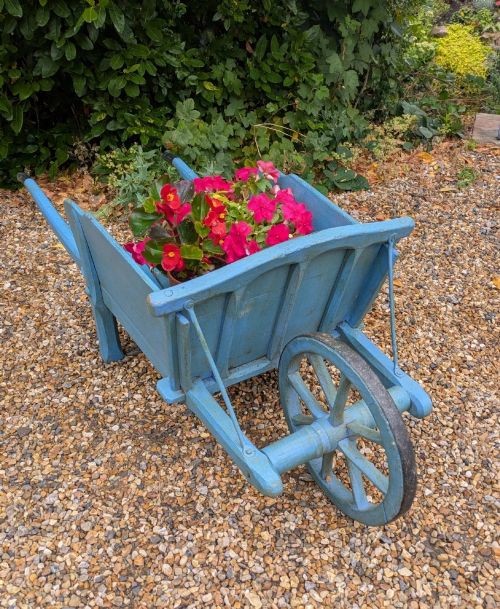
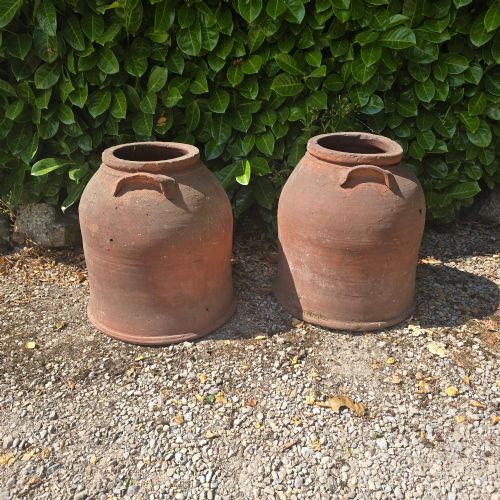
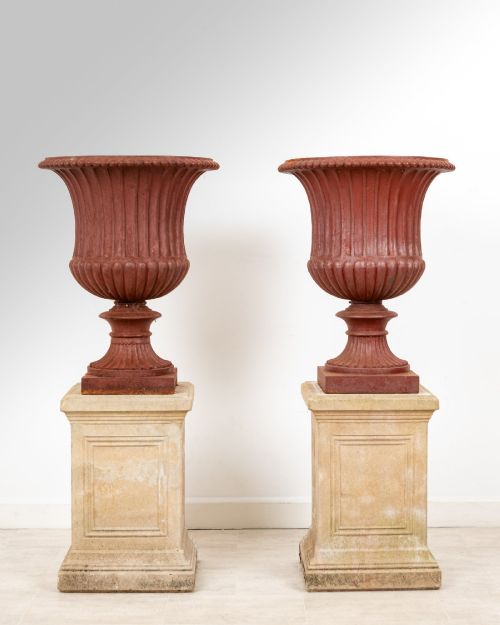
Victorian Garden Planters
These Victorian garden planters bring heavy metal and weathered clay into outdoor spaces with grounded, historical authority.
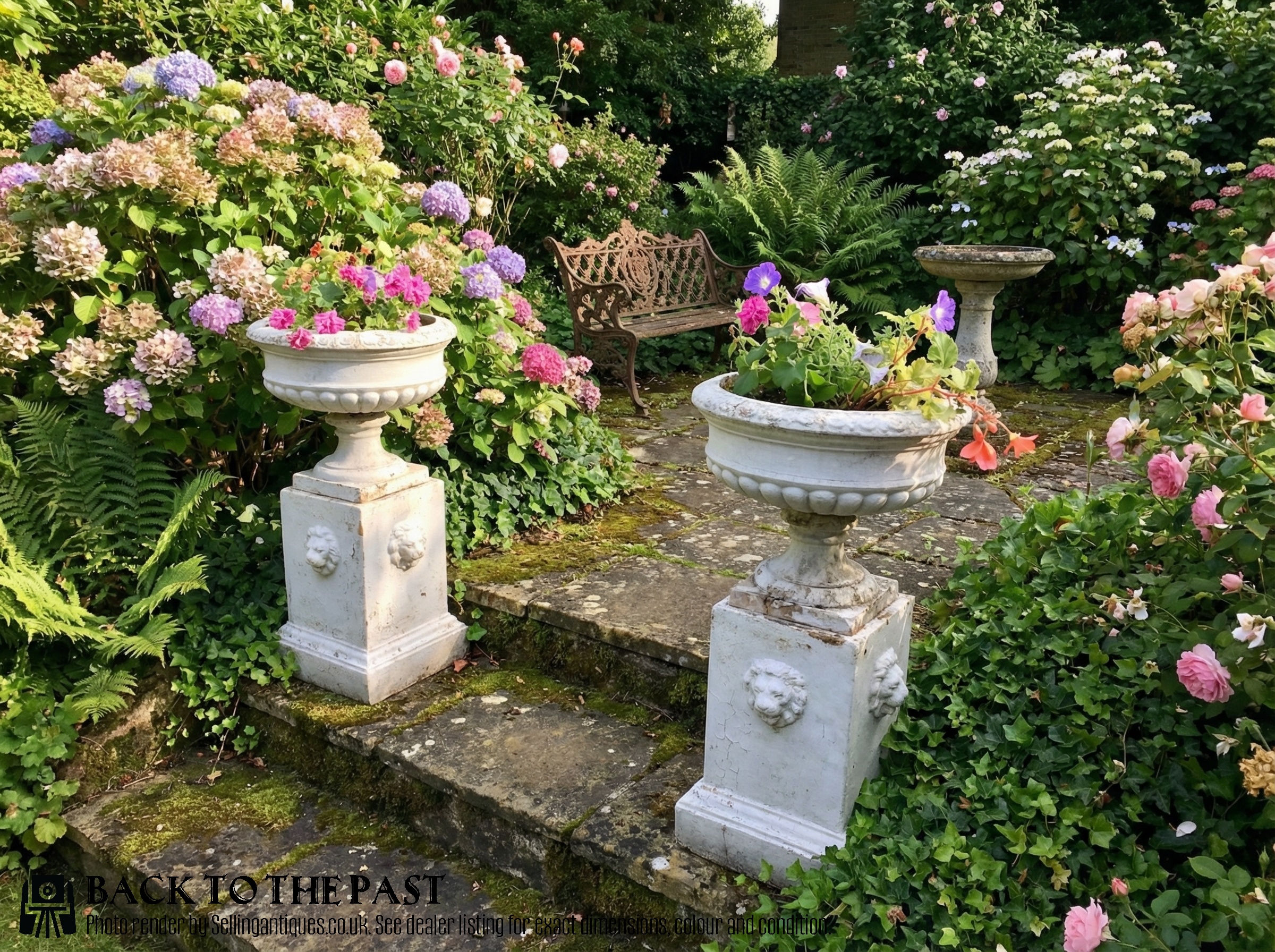
Victorian Garden Planters
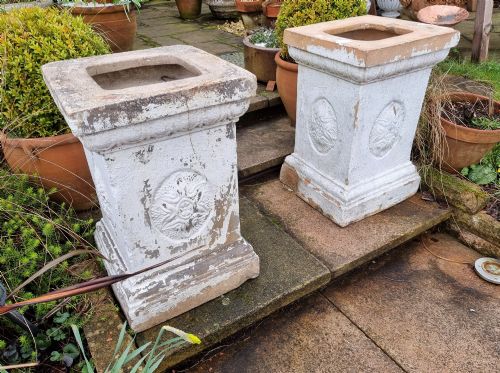
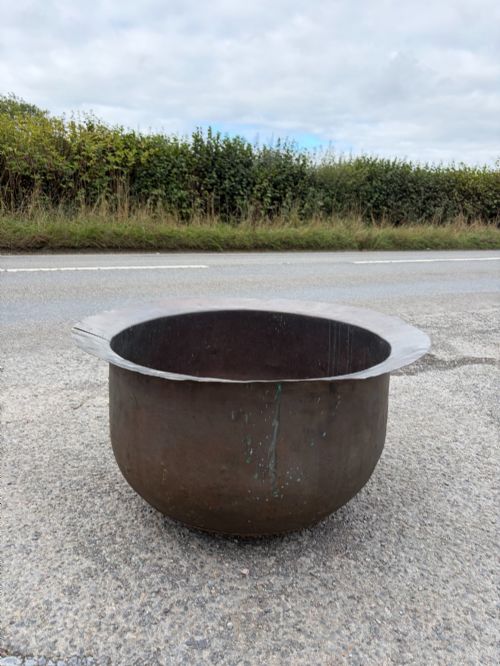
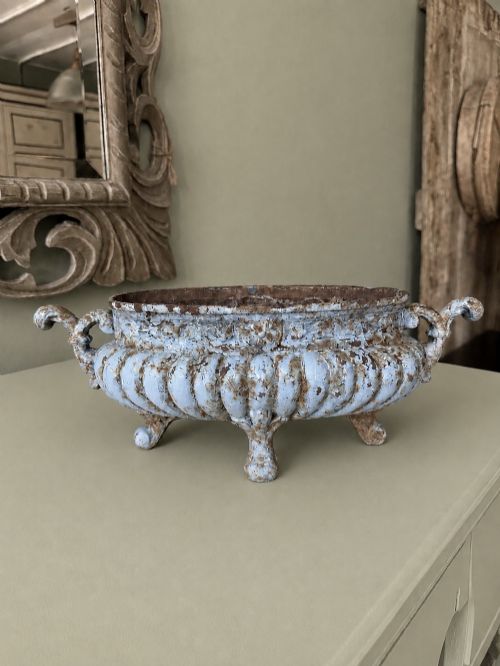
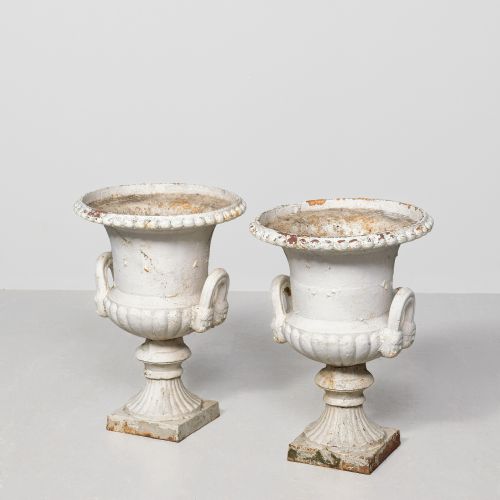
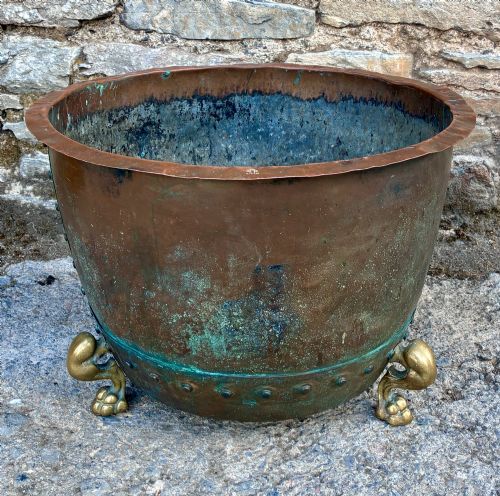
Victorian garden planters span substantial cast iron urns, copper vessels, and terracotta pots originating from the nineteenth century. Buyers encounter robust campana urns, plant stands, and repurposed dairy or wash vessels designed for outdoor display.
Cast iron and copper examples dominate the offerings, often showing decades of weathering, original paint, or natural verdigris. These forms range from French and English foundries to estate-made wrought iron racks and garden wheelbarrows.
Materials and Construction
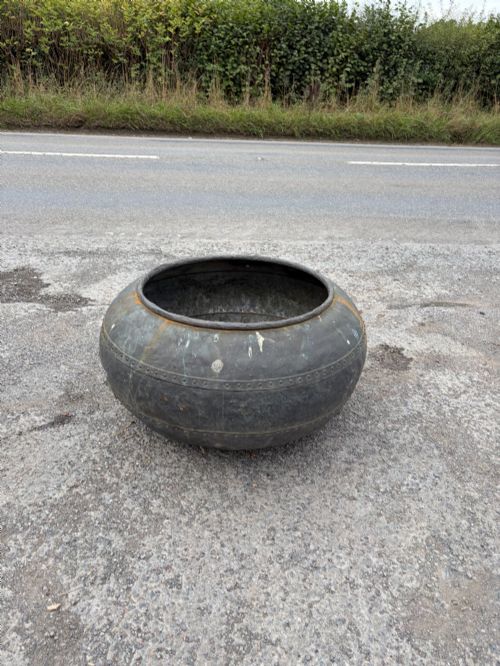
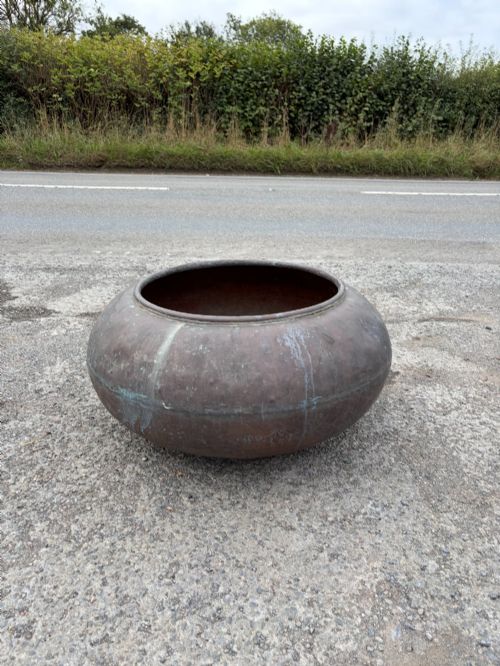
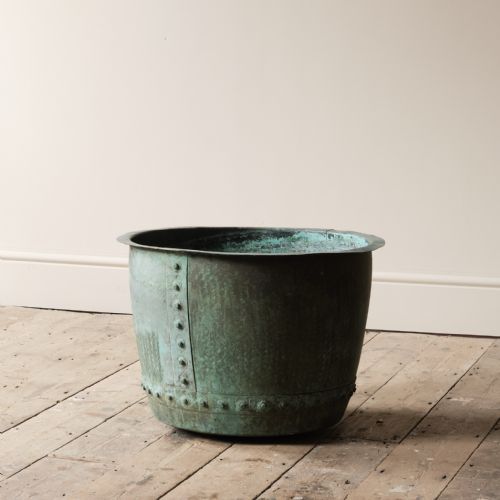
Foundries shaped heavy cast iron into classical campana and acanthus leaf urns, utilising moulds that captured crisp architectural detail. Workers assembled copper pots and wash tubs by hand-riveting sheet metal seams to hold water and soil securely.
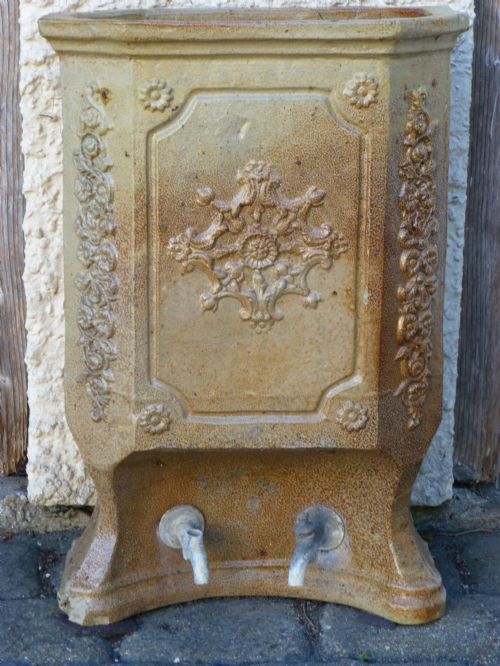
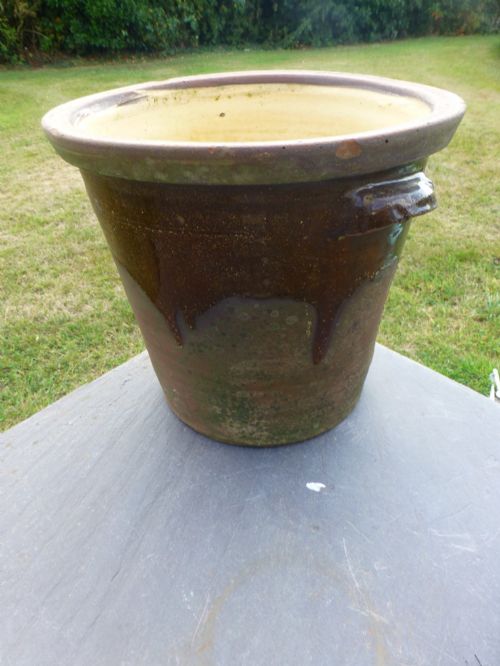
Potters fired clay and terracotta to produce porous garden vessels, rhubarb forcers, and salt-glazed dairy crocks designed to breathe around plant roots. Stoneware and soft stone options provided alternative frost-resistant choices for estate grounds.
Victorian Garden Planters Retail Price Guide 2026
Typical asking prices for victorian garden planters among the pieces listed under this phrase on Sellingantiques today, from the lower quarter to the upper quarter. They describe what is for sale here now, not the wider market.
Shrimps and fairground boats occasionally join the flora as unexpected cast iron planter subjects.
Quality Variations
The distinction between tiers rests on foundry origin, casting crispness, and the integrity of hand-riveted or forged joints. Pieces marked by known foundries or featuring original lids and paint retain higher integrity than generic utility items.
Surface patination and structural survival define the upper end of the range, where natural verdigris and undisturbed weathered iron surfaces tell a clear history. Lower tiers show more recent repairs or loss of original structural components.
Dunfermline Clay Company·Coalbrookdale·Andrew Handyside·Val D Osne Foundry
The Victorian Garden Planters Glossary
- Campana Urn
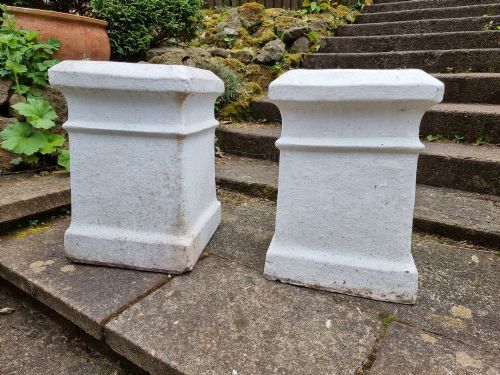
- A bell-shaped garden vessel with a flared rim, popular in classical and nineteenth-century garden design. These pieces often stand on square plinths or stone pedestals.
- Jardiniere
- An ornamental pot or stand designed to hold growing plants or flowers. They appear in cast iron, ceramic, and copper across nineteenth-century collections.
- Rhubarb Forcer
- A ceramic cover placed over plants to block light and blanch stems early in the season. These tall vessels now find second lives as garden planters.
- Verdigris
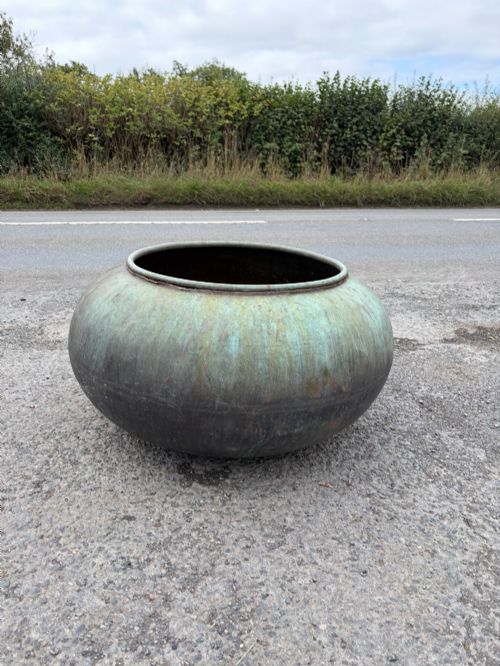
- The green patina that forms naturally on copper and brass through atmospheric oxidation. This surface layer protects the metal underneath while marking age.
- Faux Bois
- A decorative technique mimicking wood grain in concrete, stone, or terracotta. Artisans carved or moulded these surfaces to resemble natural timber logs and branches.
Victorian Garden Planters: Frequently Asked Questions
How do I protect cast iron planters in winter?
Cast iron handles frost well, but trapped water expanding inside unlined vessels can crack the metal over time. Elevating the base on pot feet ensures proper drainage during freezing weather.
Lining the interior with protective material prevents wet soil from sitting directly against historic iron surfaces. Checking drainage holes regularly keeps moisture moving freely away from the roots.
Can antique copper pots sit outside?
Copper withstands outdoor environments easily, developing a stable verdigris patina when exposed to rain and air. These vessels were originally built for heavy daily wash use.
Placing them in sheltered garden spots preserves the hand-riveted seams from excessive strain. Ensuring the base does not pool standing water prevents accelerated bottom wear.
What is a rhubarb forcer used for?
Gardeners placed these ceramic domes over emerging rhubarb shoots to block sunlight and encourage tender, pale stalks. Their distinctive tall, lidded shapes make striking focal points in modern planting schemes.
Today they function as unusual vertical planters for herbs or trailing flowers. The original access lids allow for easy planting and watering inside the deep cavity.
How do I date a cast iron urn?
Foundry marks, registration numbers, and catalogued classical shapes help anchor production dates to the nineteenth century. Finer casting details and heavier metal walls often point to earlier Victorian manufacturing.
Surface finishes like original paint or layered historical pigments provide further clues to age. Comparing construction methods with documented foundry pieces confirms the period.