






Victorian Garden Landscape
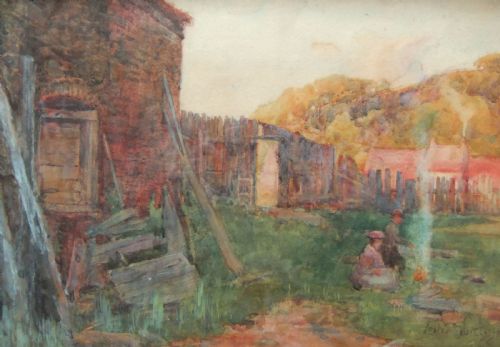
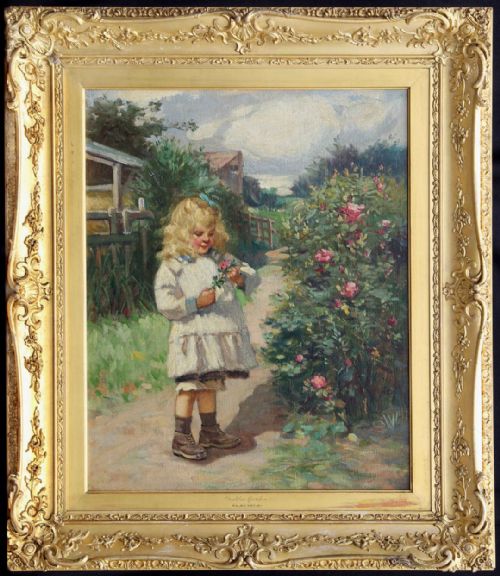
These Victorian garden landscape works capture the quiet charm of nineteenth-century planting and rural domestic life through delicate watercolours and oils.
Victorian Garden Landscape
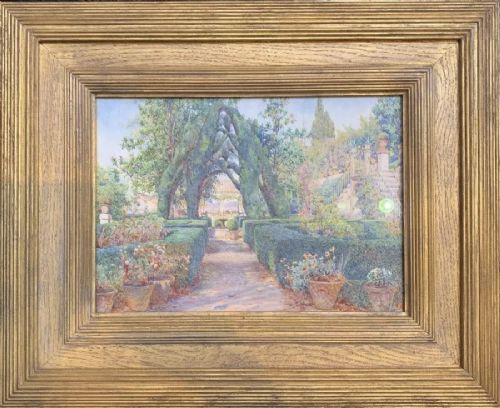
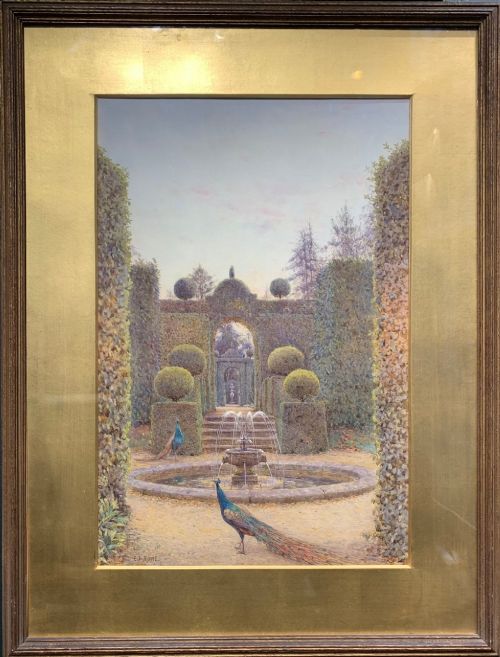
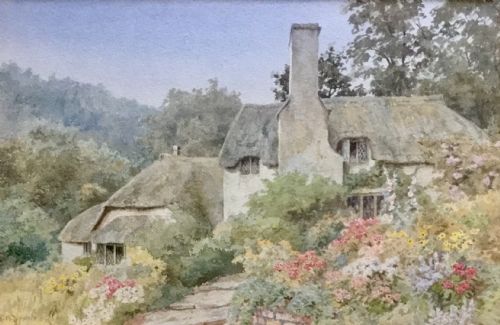
A victorian garden landscape typically takes the form of a framed watercolour painting or an oil on canvas depicting cottage gardens, floral borders, and rural estates. You will frequently encounter works produced around the turn of the twentieth century, spanning from the late nineteenth century through to the Edwardian period.
The subjects range from formal estate grounds like Kew Gardens and Gwydir Castle to intimate cottage scenes featuring herbaceous borders, stone pathways, and figures engaged in quiet domestic pursuits. These pieces record a vanished era of horticultural design and rural tranquility.
Most examples found in this collection originate from British artists working within pastoral, rural genre, and early impressionist traditions. The scale is generally intimate, designed for domestic display within traditional interior settings.
Materials and technique
Watercolour pigment on paper forms a significant portion of these works, allowing artists to capture the translucent quality of natural light and delicate floral details. Artists also utilised oil on canvas for larger compositions, building rich textures across the painted surface.
Framing typically involves wood and gilt wood surrounds that complement the traditional subjects and protect the fragile paper or canvas surfaces. The application of pigment ranges from meticulous botanical observation to looser, impressionistic brushwork.
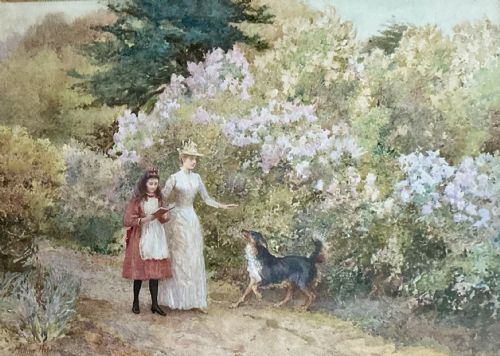
Gardens populated by hens, scythe-wielding gardeners, and children with pets ensure the canvas remains perpetually lively.
Judging quality and execution
Quality rests upon the artist's ability to render light, atmosphere, and botanical accuracy with confidence and fluidity. Superior examples demonstrate a strong command of perspective and colour harmony, particularly in capturing complex floral arrangements and natural foliage.
The handling of figures within the landscape also dictates the standing of a piece, with dynamic, well-integrated human elements elevating the composition beyond a simple botanical study. Furthermore, the preservation of the original paper or canvas and the quality of the period framing contribute substantially to the overall desirability of the work.
Ernest Arthur Rowe·Harry Wanless·Arthur Hopkins·Samuel Sidley·Paul Viry·David Woodlock·Arthur Claude Strachan·Thomas Nicholson Tyndale·Lester Sutcliffe·Benjamin D. Sigmund·Edgar Bundy·William Greaves·Ralph Hedley·John F. Pasmore·Minnie Smythe
The Victorian Garden Landscape Glossary
- Watercolour
- A painting method in which the paints are made of pigments suspended in a water-based solution. It provides a translucent finish on paper surfaces.
- Oil on canvas
- A traditional painting medium utilising pigments mixed with a drying oil, applied to a stretched fabric support. This technique allows for rich texture and deep colour saturation.
- Gilt wood
- Wood that has been coated with a thin layer of gold leaf or gilt paint. It is commonly found on traditional frames surrounding nineteenth-century artworks.
- Rural genre
- A style of painting depicting scenes of everyday life in the countryside. These works often feature cottages, gardens, and local inhabitants engaged in domestic tasks.
- Pastoral
- Relating to the rural countryside, often depicted in an idealized or romantic manner. In these paintings, it describes tranquil settings featuring fields, gardens, and rustic architecture.
Victorian Garden Landscape: Frequently Asked Questions
What periods do these paintings cover?
The works primarily date from the nineteenth century through to the early twentieth century, encompassing the Victorian and Edwardian eras. Painters working during this period captured both formal estate grounds and rustic domestic gardens.
While the core of the collection stems from the Victorian epoch, you will also find pieces extending into the nineteen-tens and nineteen-twenties that maintain a strong traditional aesthetic.
How should I care for a watercolour painting?
Watercolour paintings on paper require careful protection from direct sunlight to prevent the pigments and paper from fading over time. Displaying them in rooms with stable humidity levels ensures the paper remains free from moisture damage.
Glazing with appropriate conservation glass further safeguards the delicate painted surface from environmental pollutants and physical wear.
What subjects besides gardens appear in these paintings?
Artists frequently integrated domestic scenes into the landscape, such as figures tending to hens, knitting outside cottages, or children playing with pets. Architectural elements like historic castles, greenhouses, and country homes also feature prominently.
These additions provide a narrative element, placing the horticultural subject within the context of daily rural life during the nineteenth century.