
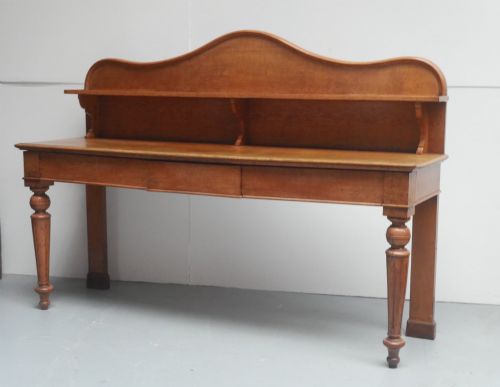


Victorian Gallery Sideboard
A victorian gallery sideboard anchors a dining room with timber weight and a raised rear tier for display.
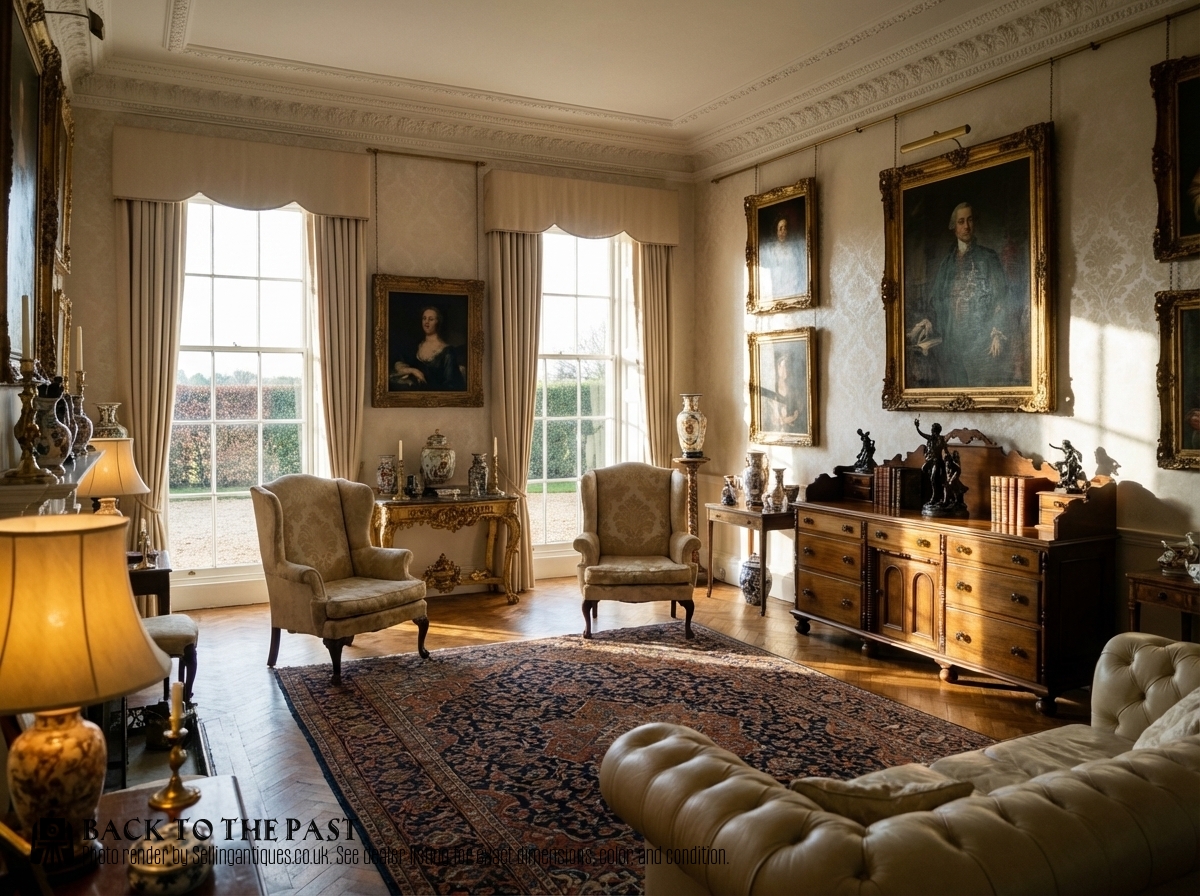
Victorian Gallery Sideboard
When searching for a victorian gallery sideboard, a buyer encounters substantial serving furniture designed for nineteenth-century dining rooms. These pieces combine lower storage cupboards and drawers with an elevated shelf or gallery back intended for plates and glassware.
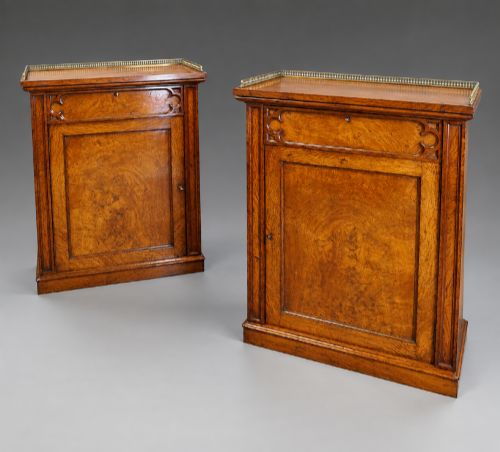
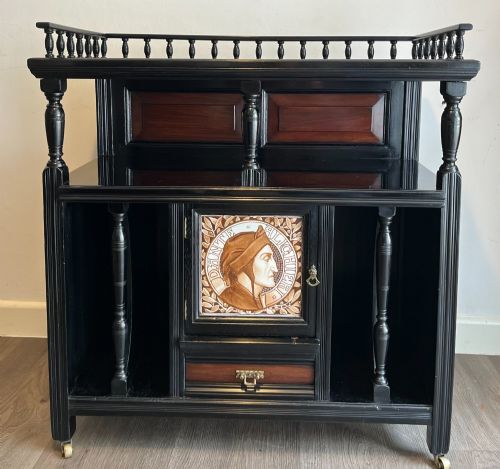
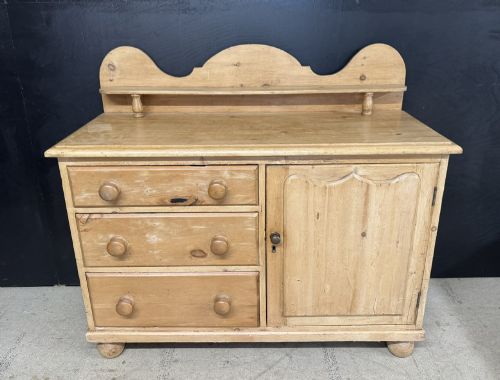
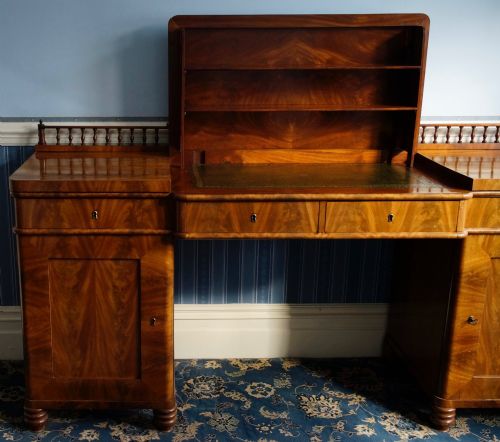
The pieces on this page appear in various timber tones and regional interpretations spanning the nineteenth century. Common variants include mahogany serving tables, walnut chiffoniers, and pine dressers featuring raised backs.
Makers of the period adapted these cabinets for practical dining service, incorporating compartments for linen and bottles beneath a flat top surface. The raised gallery prevents items from sliding off while framing the display space above.
Materials and Construction
Cabinetmakers utilised dense hardwoods such as mahogany, walnut, and rosewood alongside softer pine and oak for internal framing and country pieces. Flame mahogany veneers and burr walnut provided decorative grain patterns across primary drawer fronts and cabinet doors.
Construction techniques involved traditional joinery, dovetailing for drawer construction, and hand-turned supports like barley twist columns. Brass fittings, glass panels, and marble tops appear on specific regional and stylistic variants.
Listings feature mahogany, walnut, rosewood, and pine timbers across nineteenth-century dining furniture.
Assessing Quality
Quality in these sideboards rests upon the selection of timber figures and the crispness of carved details such as foliage or scrollwork. Superior examples display thoughtful proportions where the gallery integrates harmoniously with the lower serving surface rather than appearing as an afterthought.
The integrity of secondary timbers, original hardware, and flush-fitting doors distinguish finer workshop output from simpler vernacular furniture. Heavier pieces benefit from substantial construction that supports marble tops or extensive shelving without structural sagging.
The Victorian Gallery Sideboard Glossary
- Gallery
- A raised wooden, brass, or metal rail situated along the back or top edge of a sideboard to retain objects. This feature often incorporates carved fretwork or small display shelves.
- Chiffonier
- A compact sideboard or cabinet developed in the nineteenth century, typically featuring enclosed cupboards below and a shelf structure above. These pieces suited smaller drawing rooms and parlours.
- Credenza
- A sideboard or buffet lacking legs, designed to stand directly on the floor with enclosed cupboards. Victorian examples frequently showcase burr walnut and amboyna veneers.
- Padauk
- A dense tropical hardwood displaying rich reddish-brown tones utilised in Anglo-Indian and cabinet furniture. This material accommodated intricate hand carving.
- Pitch Pine
- A durable resinous pine variety employed for nineteenth-century functional furniture and kitchen pieces. It offers a distinct grain pattern when finished.
Victorian Gallery Sideboard: Frequently Asked Questions
What is a gallery sideboard?
A gallery sideboard is a dining room storage cabinet featuring a raised shelf or railing along the rear edge. This elevated section provides a decorative backdrop and secure space for displaying serving dishes.
Lower sections typically comprise cupboards and drawers for cutlery and table linen. The combination offers both surface utility and vertical display capacity.
How do I clean a mahogany sideboard?
Clean mahogany surfaces using a soft, dry cloth to remove dust without scratching the polished grain. Avoid modern silicone sprays that build up residue and dull the timber over time.
Apply a traditional beeswax sparingly when the wood appears dry, buffing gently to maintain the natural lustre. Protect the top from moisture using coasters beneath glasses and serving vessels.
Where were these sideboards placed?
These cabinets stood primarily against dining room walls to assist with serving meals and storing tableware. They held heavy platters and dispensed wine before dining tables became self-contained.
Later Victorian homes also utilised smaller side cabinets and chiffoniers in reception rooms for displaying ornaments and books. Their substantial weight anchored large rooms with high ceilings.
How do I date a Victorian sideboard?
Dating relies upon stylistic cues, construction methods, and timber choices spanning the nineteenth century. Early pieces often reflect Regency influences, while mid-century examples favour heavy mahogany and carved scrolls.
Later Victorian items may incorporate aesthetic movement details or lighter satinbirch and pine. Drawer construction using hand-cut dovetails generally points to nineteenth-century origin.