
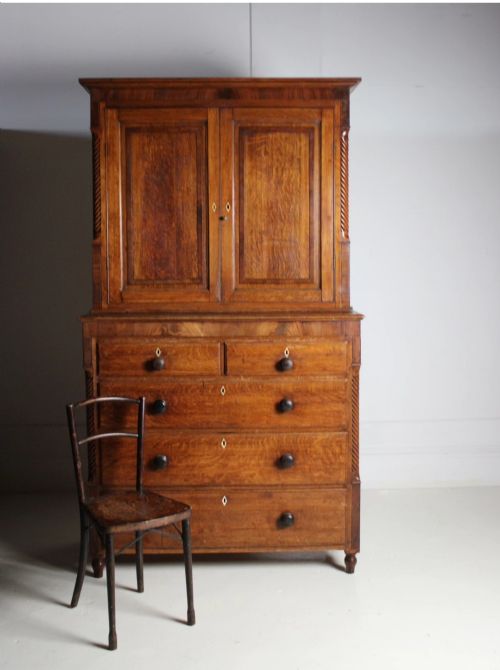
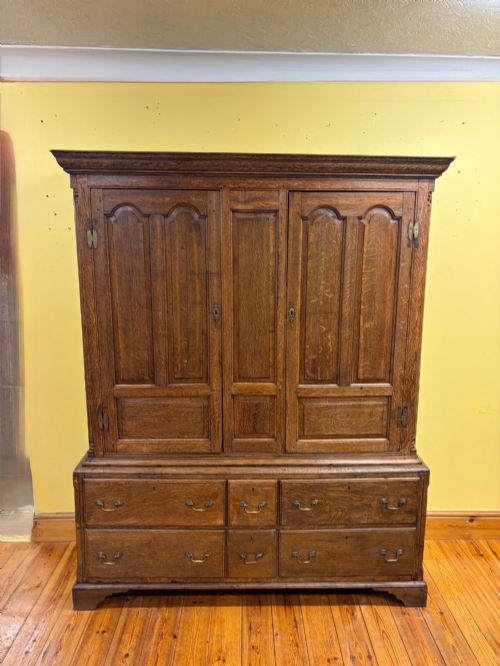
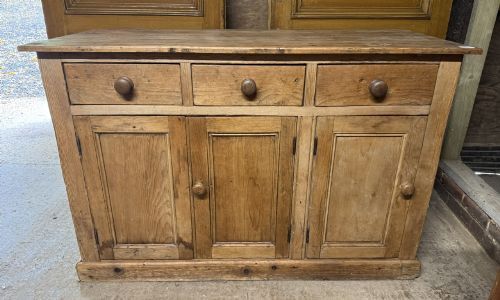
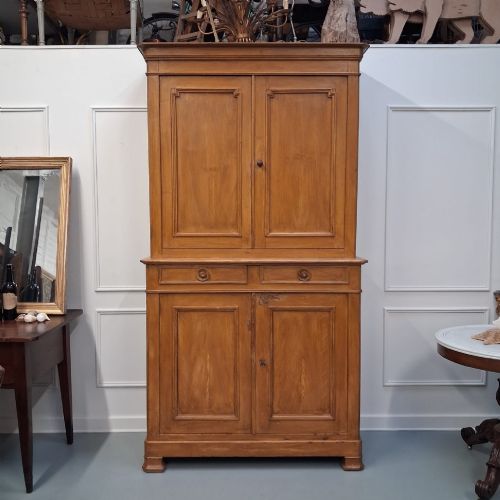


Housekeepers Dresser Base
These housekeepers dresser base examples are robust utility cupboards built for large domestic storage, offering timeless architectural presence and practical shelving.
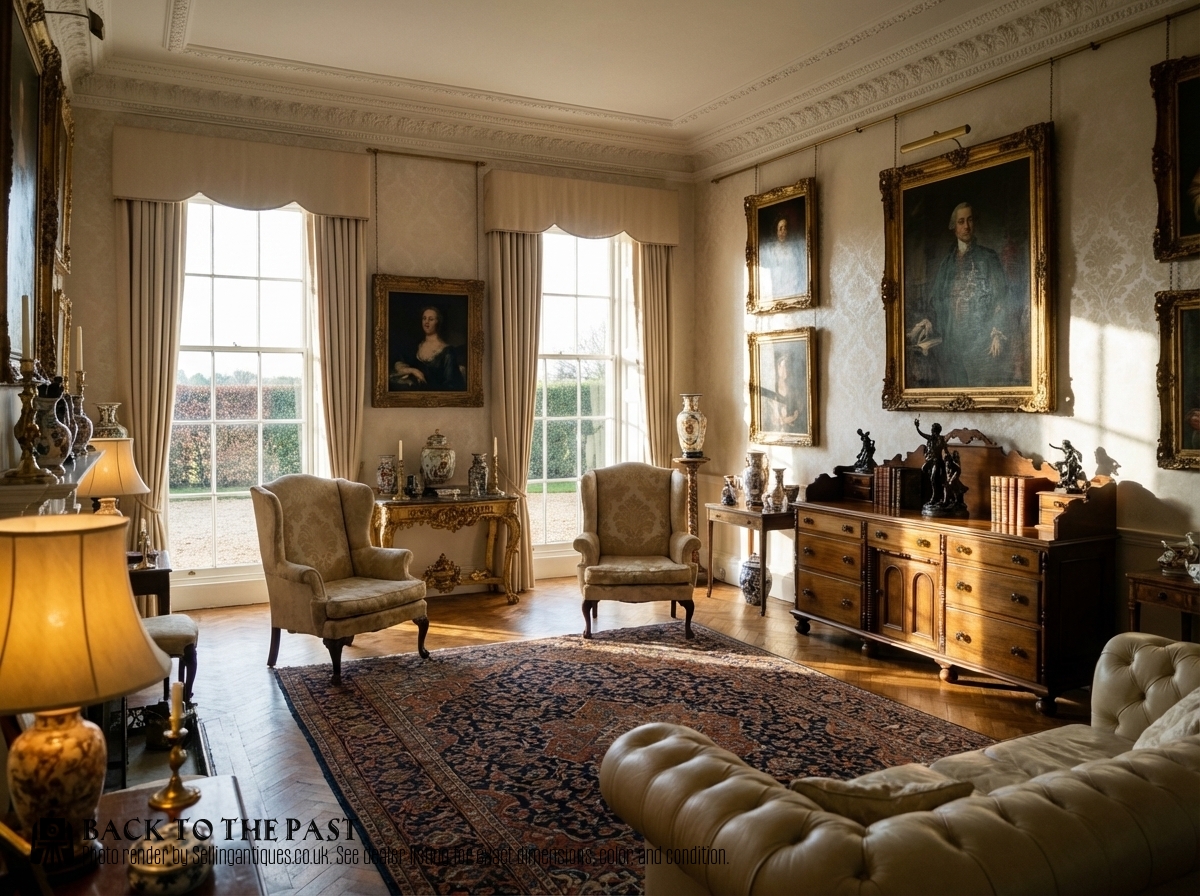
Housekeepers Dresser Base
When you search for a housekeepers dresser base, you are looking at substantial storage furniture designed for domestic linen, provisions, and estate management. These pieces frequently appear from the eighteenth and nineteenth centuries, spanning Georgian and Victorian periods.
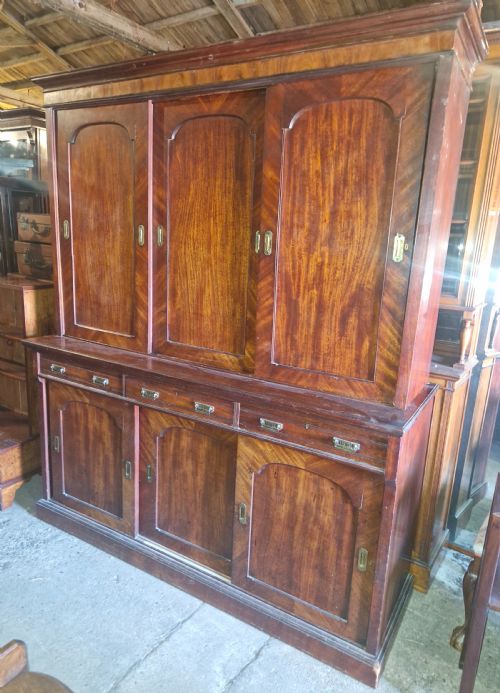
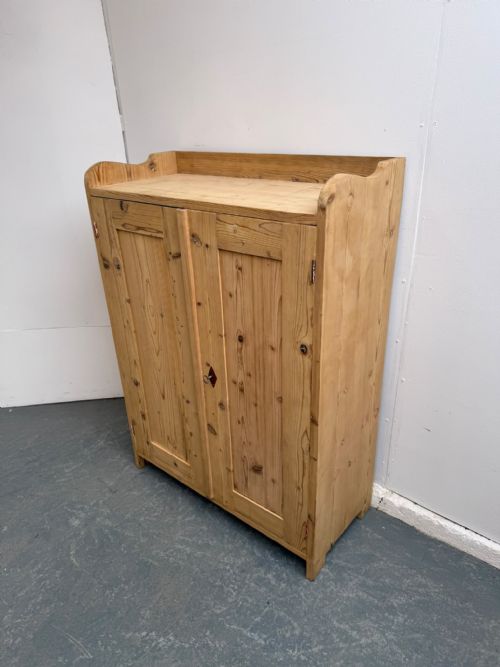
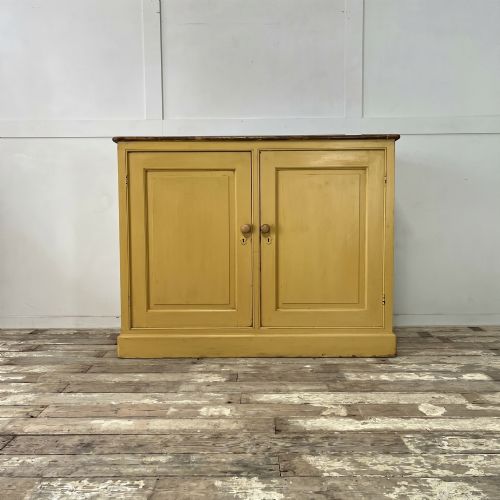
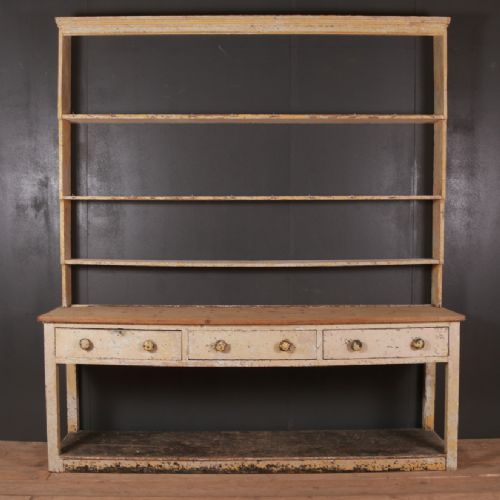
You are most likely to meet painted pine, oak, and mahogany variants on this page, reflecting both utilitarian country utility and more formal country house aesthetics. Forms range from large multi-door cupboards to potboard dressers and estate office cabinets.
The regional origins and styling lean heavily toward English country traditions, alongside occasional French provincial examples. Their primary function remains robust storage, translating easily into modern kitchens and bootrooms.
How they were made
Makers utilised solid timbers such as oak, pine, pitch pine, and mahogany to construct these heavy carcases. Secondary woods often supported internal shelving, whilst brass and iron hardware provided functional strength for multiple doors.
Surface finishes vary between original paint, stripped waxed pine, and polished mahogany. Joinery techniques relied on sturdy pegged construction and panelled doors designed to withstand daily domestic use in large households.
Current listings feature eighteenth-century oak and pine examples alongside nineteenth-century Victorian painted pine and mahogany pieces.
What varies in quality
The distinction between standard utility cupboards and finer pieces lies in the choice of timber and the sophistication of the mouldings. Dense oak and figured mahogany sit at the formal end, whilst scrubbed or painted pine represents the practical country tradition.
Proportion and internal configuration dictate the overall character. Pieces retaining their original brass or iron hardware and untouched painted surfaces command greater interest from collectors than heavily altered examples.
The Housekeepers Dresser Base Glossary
- Potboard dresser
- A kitchen sideboard featuring an open lower shelf for displaying heavy earthenware pots and tableware. This lower tier sits directly above the floor on short feet.
- Pitch pine
- A resinous softwood noted for its strong grain pattern and durability, commonly utilised in nineteenth-century utilitarian furniture. It resisted moisture well in domestic service areas.
- Estate office cabinet
- A large storage piece built for administrative and archival utility in country houses. These items often include numerous fitted internal compartments.
- Linen cupboard
- A tall storage carcase specifically designed to air and house household textiles. Interior shelving provided ventilation for folded linens.
- Georgian
- The architectural and furniture design period spanning the reigns of the first four Georges. It encompasses classicism, proportion, and solid cabinet-making.
Housekeepers Dresser Base: Frequently Asked Questions
What is a housekeepers dresser base?
A housekeepers dresser base is a heavy storage cabinet traditionally used in large country houses to store provisions, linens, and domestic equipment.
These pieces typically feature panelled doors, sturdy timber carcases, and substantial internal shelving designed for heavy-duty household administration.
How were housekeepers cupboards used?
Housekeepers managed daily domestic supplies, preserves, and household linens from these central storage cupboards.
The lower sections and base units provided heavy-duty space for bulk stores, while upper or internal compartments organised smaller items.
How do I date a dresser base?
Dating relies on identifying timber species, construction joints, hardware, and surface treatments visible across the piece.
Eighteenth-century examples often feature pegged oak construction, whereas Victorian pieces frequently utilise pine, pitch pine, or mahogany with machine-sawn elements.
Can I use one in a modern kitchen?
These cupboards integrate naturally into contemporary kitchens and bootrooms as freestanding pantries or linen stores.
Their generous proportions and deep shelving offer substantial concealed storage capacity for modern cookware and provisions.