


Victorian French Work Table
A victorian french work table combines continental elegance with practical compartment design, offering a charming surface for sewing and writing.
Victorian French Work Table
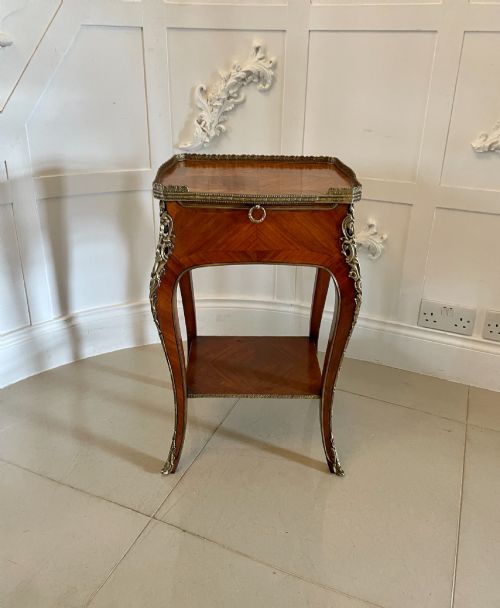
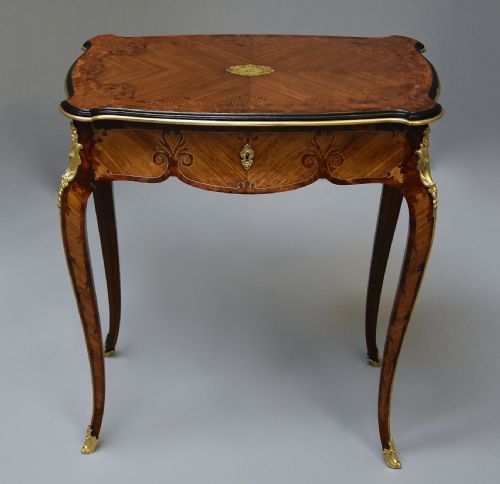
A victorian french work table generally takes the form of an occasional piece, sewing table, or poudreuse designed for domestic use. The pieces appearing here span the nineteenth century, drawing heavily on Louis XV and Louis XVI revivals as well as Napoleon III aesthetics.
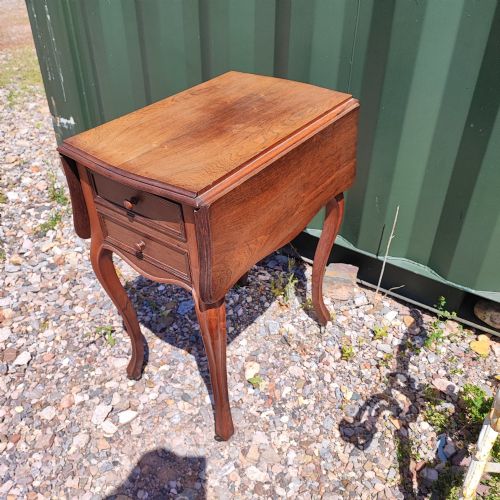
Most examples function as ladies' work tables or dressing tables featuring internal compartments, drawers, or drop leaves. Alongside these domestic sewing pieces, the selection includes related side tables and centre tables rooted in French design traditions.
Makers and cabinetmakers of the period utilised domestic and exotic timbers to create multifunctional furniture intended for sitting rooms and boudoirs. Buyers encountering these items will find surfaces adapted for display alongside hidden storage for needlework and correspondence.
Evaluating craftsmanship and execution
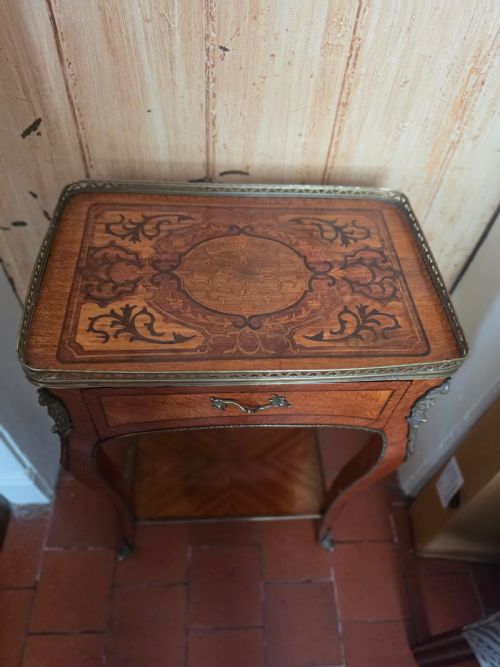
The refinement of the timber marquetry and the precision of the veneer matching set individual pieces apart. Superior examples display crisp, intricate inlay work across the top and sides, whereas simpler items rely solely on figured wood grain.
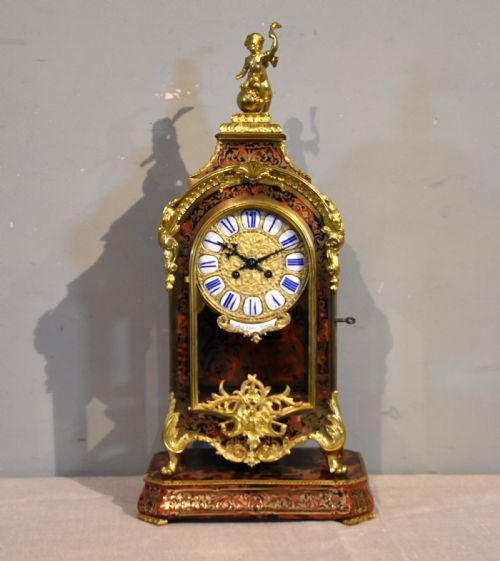
The quality of the cast ormolu mounts and brass fittings indicates the standard of production. Finer tables feature chased and fire-gilt mounts that integrate seamlessly with the timber contours.
Internal complexity also dictates the grade of the piece, distinguishing standard occasional surfaces from sophisticated sewing boxes equipped with working mechanisms, fitted trays, and integrated mirrors.
Hidden compartments inside these tables occasionally retain stray nineteenth-century pins and paper scraps left behind by past embroiderers.
The Victorian French Work Table Glossary
- Ormolu
- Gilded bronze mounts applied to furniture for decoration. This technique creates a rich golden contrast against dark timbers like rosewood and kingwood.
- Marquetry
- Decorative veneer patterns formed from different woods, shells, or metals laid onto a carcass. It frequently depicts floral or geometric scenes on table tops.
- Poudreuse
- A French dressing table equipped with a mirror and compartments for cosmetics. These often double as writing or work surfaces.
- Boulle
- An inlay technique using tortoiseshell and brass cut in opposing patterns. Named after the French cabinetmaker, it yields a distinctive shimmering surface.
- Kingwood
- A dense, heavily figured timber prized in nineteenth-century cabinetmaking. Its rich brown tones and dark streaks suit polished French revival designs.
Victorian French Work Table: Frequently Asked Questions
What is a work table used for?
A work table served primarily as a designated spot for ladies to perform needlework, embroidery, and small sewing tasks. The internal compartments kept threads, needles, and fabric neatly organised out of sight.
Over time, many owners repurposed these versatile pieces as lamp tables or bedside stands in sitting rooms and bedrooms.
How do I identify French revival styles?
French revival pieces incorporate curved cabriole legs, asymmetrical floral marquetry, and prominent ormolu mounts inspired by Louis XV and Louis XVI aesthetics. The proportions remain delicate and decorative rather than purely utilitarian.
Cabinetmakers working during the nineteenth century adopted these continental motifs to satisfy British demand for ornate drawing-room furniture.
Are these tables sturdy enough for daily use?
Most tables constructed from solid walnut or rosewood with robust internal framing remain entirely suitable for holding lamps, books, or decorative objects. However, delicate inlaid veneers and drop leaves require careful handling to prevent surface damage.
Occasional tightening of joints and gentle polishing will maintain the stability of these nineteenth-century items in a modern home.
What distinguishes a poudreuse from a standard table?
A poudreuse incorporates a hinged top that opens to reveal a built-in mirror and shallow compartments originally intended for powders and perfumes. This multi-tiered internal layout separates it from a basic side or sewing table.
Many examples also feature pull-out slides for writing alongside the main lidded compartment.