


Victorian French Settee
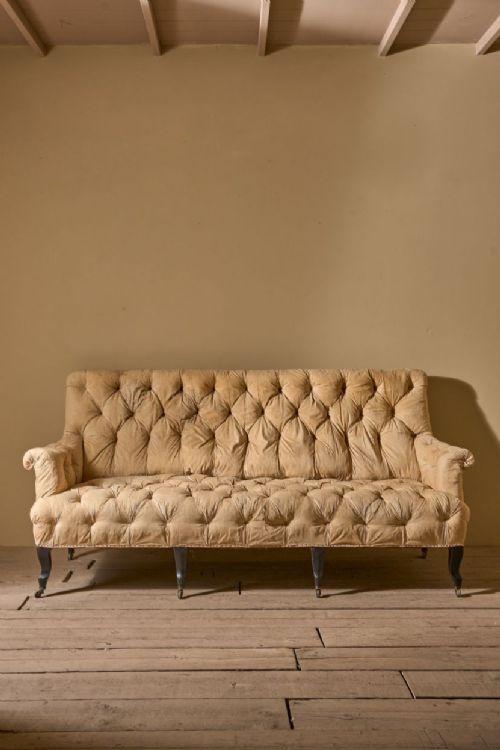
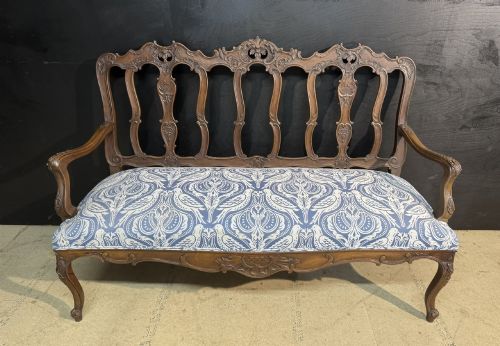
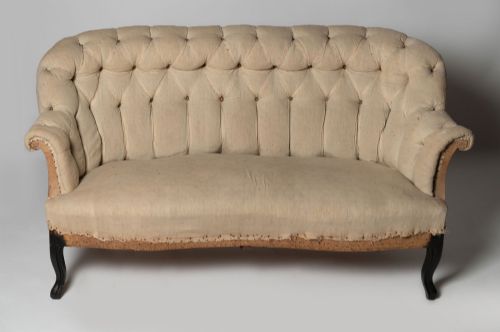
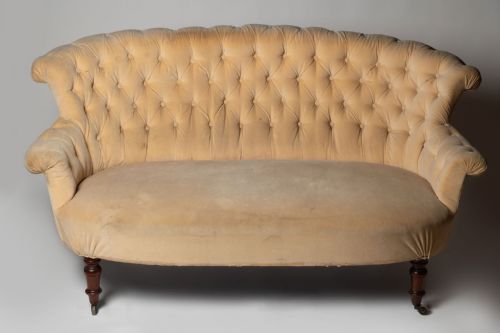
A victorian french settee brings continental seating elegance into a room, offering deep buttoned upholstery and carved wooden frames.
Victorian French Settee
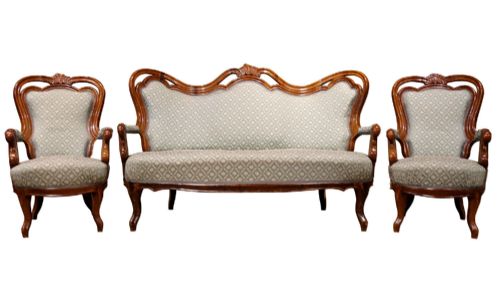
A victorian french settee encompasses upholstered seating forms shaped by nineteenth-century revivals, including salon suites, double end settees, and canapes. Buyers searching for a victorian french settee will find walnut, mahogany, and giltwood frames spanning the period from eighteen-forty to nineteen-twenty.
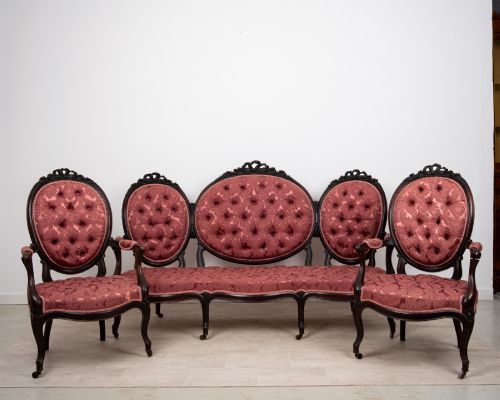
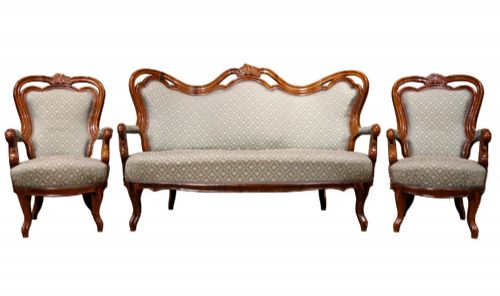
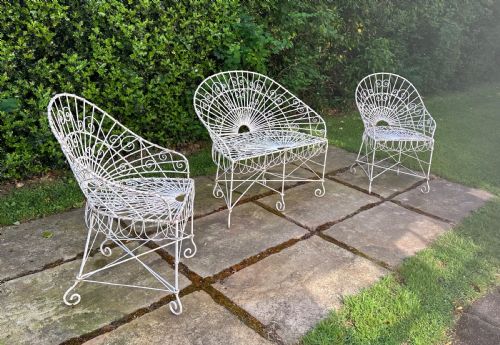
The selection ranges from large reception salon chaises to intimate two-seat couches and garden sets. Most examples on offer display stylistic influences from Rococo Revival and Louis XV designs executed during the nineteenth century.
How they were made
Frames rely on solid timbers such as walnut, mahogany, rosewood, and beech, shaped through carving and occasionally finished with gilding. Joinery supports structural forms designed to carry extensive textile coverings.
Upholstery incorporates deep buttoning, fabric, velvet, and textile trims, sometimes accented with brass elements or tassel details. Garden variants utilise cast iron construction for outdoor durability.
Listings feature nineteenth-century seating constructed from walnut, mahogany, and rosewood, upholstered in velvet and textile.
What varies in quality
The distinction between tiers rests upon the crispness of the timber carving on walnut and mahogany frames and the integrity of the original gilt. Finer items exhibit deeply sculpted frames and substantial salon proportions.
Upholstery execution alters the character of each piece, distinguishing simple fabric coverings from intricate buttoned work and specialised textile trims.
The Victorian French Settee Glossary
- Canape
- An ornamental sofa or settee with an upholstered seat and back. This French term typically describes pieces featuring exposed carved wooden frames.
- Rococo Revival
- A nineteenth-century design movement characterised by asymmetrical scrollwork, naturalistic floral carving, and serpentine outlines. It heavily influenced parlor seating and salon suites.
- Salon Suite
- A matched grouping of reception room seating comprising a settee and matching chairs. These suites unified the decorative scheme of formal nineteenth-century entertaining spaces.
- Giltwood
- Timber coated with a thin layer of gold leaf or gesso. It provides a reflective, ornate surface finish on formal reception furniture.
Victorian French Settee: Frequently Asked Questions
How do I use a settee in a modern room?
A victorian french settee serves as a striking focal point in a living room, hallway, or bedroom. Its compact footprint allows it to sit comfortably against a wall or float at the foot of a bed.
Pair the carved wood frame and velvet upholstery with neutral modern decor to let the nineteenth-century craftsmanship stand out without overwhelming the space.
What is the difference between a settee and a sofa?
Historically, a settee denotes a lighter, upholstered wooden-framed seat designed for two or three occupants. Sofas generally offer heavier, more fully upholstered construction.
In nineteenth-century terminology, terms like canape or couch often overlap with settee, depending on the framing and arm style.
How do I identify the period of a settee?
Dating relies on timber choices, carving styles, and upholstery techniques recorded across the nineteenth century. Walnut and mahogany predominate in mid-period pieces, while revival styles point toward specific decades like the eighteen-eighties.
Examine the construction methods and frame profiles to distinguish mid-nineteenth-century work from later twentieth-century reproductions.
Can I reupholster an antique settee?
Reupholstering preserves the utility of pieces that come to market needing fabric replacement. Many frames accommodate new textiles while retaining their original springs and webbing.
Select velvets or traditional patterned fabrics that respect the historical character of walnut frames and buttoned backs.