


Victorian Framed Landscape
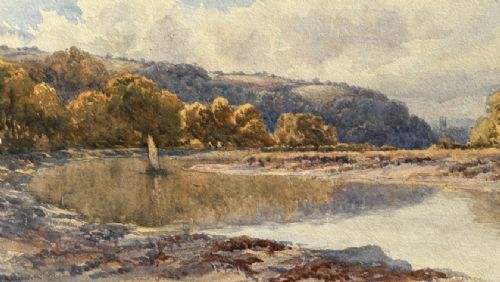
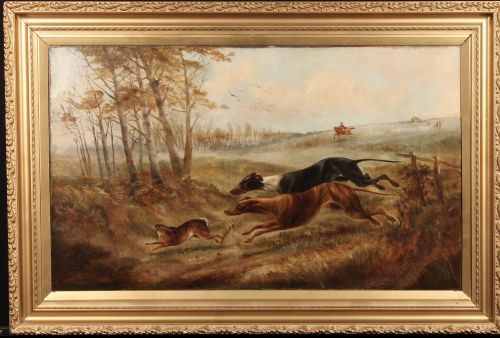
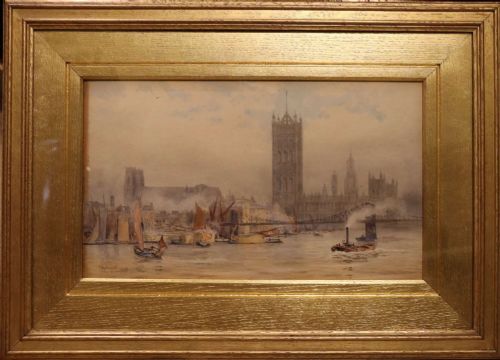
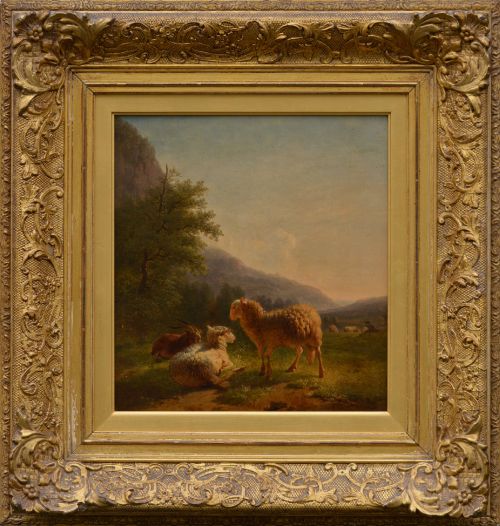
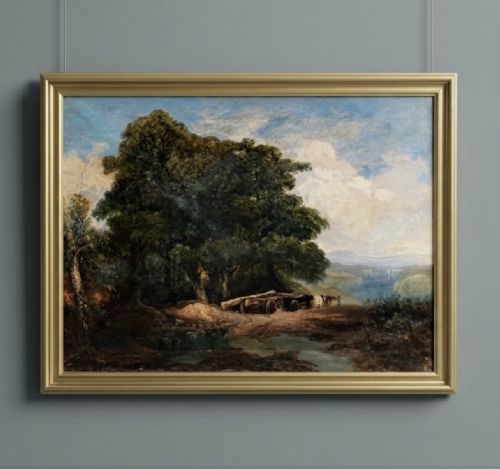
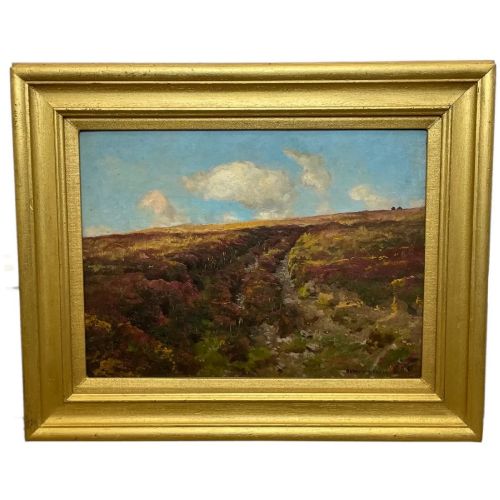
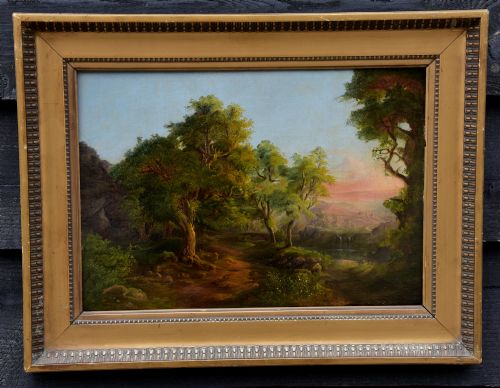
These pieces of victorian framed landscape art bring the open countryside and coastal views of the nineteenth century directly into a room.
Victorian Framed Landscape
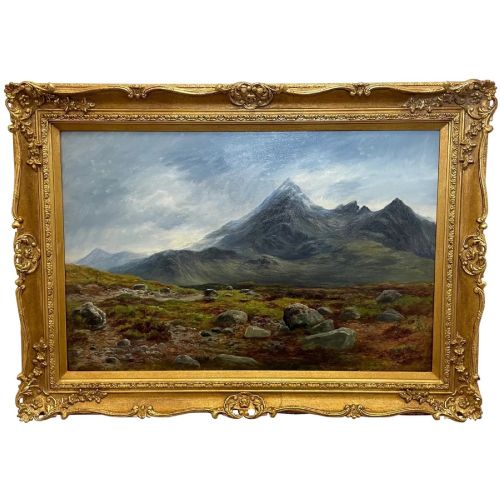
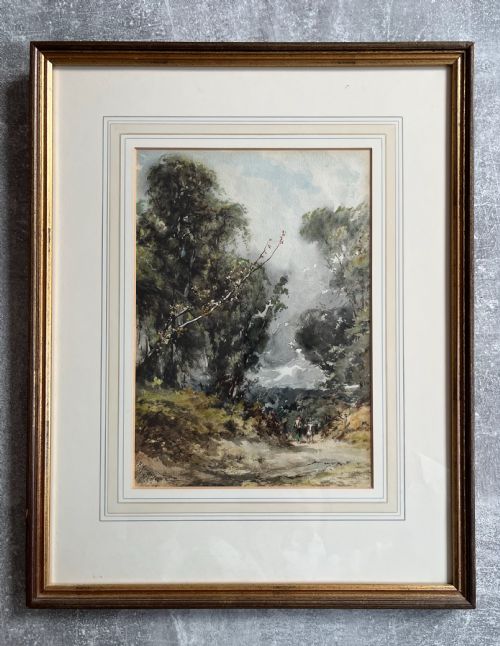
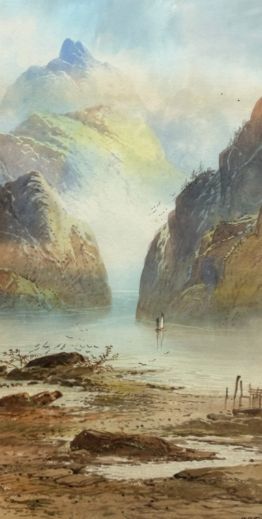
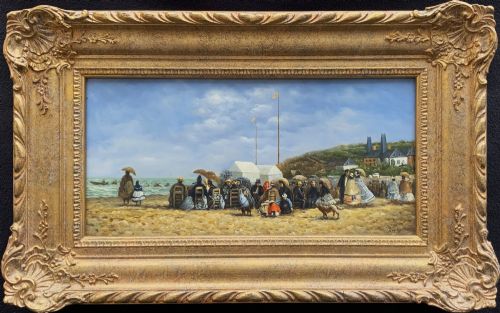
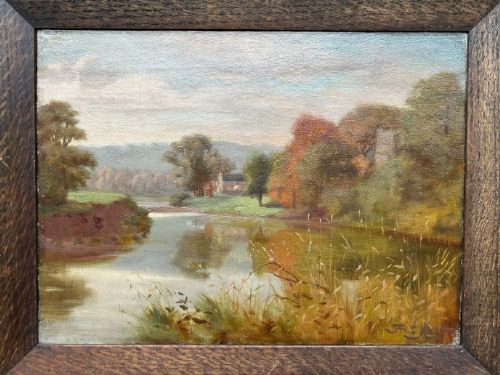
A victorian framed landscape captures the rural, marine, and pastoral scenery popular during the nineteenth century, often depicting Scottish lochs, English rivers, and coastal harbours. The selection spans oils on canvas, panel, and board alongside detailed watercolours, usually presented in their original protective surrounds.
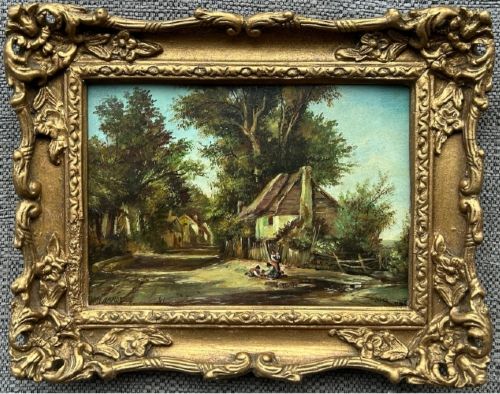
Most works date from the mid to late nineteenth century, reflecting movements like romanticism and pastoral realism through depictions of shepherds, livestock, and country cottages. These framed artworks range from intimate domestic watercolours to large oil paintings signed by recognised British and European artists.
How They Were Made
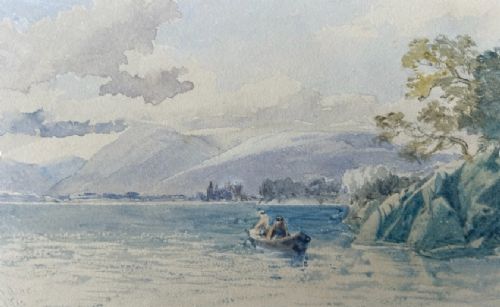
Makers applied oil paint to stretched canvas, wooden panels, or board, building up rich textures and deep tones for woodland and marine scenes. Watercolours on paper utilised washes and fine brushwork to capture the shifting light of lakes and skies.
The surrounding frames relied on wood, often heavily gilt or carved, designed to complement the perspective and depth of the painting within.
Sheep, cows, and attentive dogs frequently populate these rural scenes, occasionally stealing the focus from the grand Scottish mountains behind them.
What Varies in Quality
Quality rests in the precision of the brushwork and the artist's ability to render light, atmosphere, and natural movement within the scene. Superior works show confident handling of figures and animals integrated naturally into the topography.
The integrity of the original framing, the clarity of the signature, and the stability of the canvas or paper surface also separate standard decorative pieces from significant fine art.
Eugène Verboeckhoven·Richard Sebastian Bond·William Beattie-Brown·George Fotherly Hargitt·Thomas Miles Richardson Jnr·James Orrock·William Henry Earp·Frederick Marriott·Arthur Wardle·John Horace Hooper·John McDougal·Alfred Fontville de Breanski Jr·Edward Mills·William Banks Fortescue·Thomas W Lascelles·Robert A Nottingham·David Bates·Robert John Hammond·Alfred Pollentine·Walter Heath Williams·Robert W Macbeth·Francis Moltino·Bernard Benedict Hemy
The Victorian Framed Landscape Glossary
- Oil on Canvas
- Pigment mixed with drying oil applied to a woven fabric stretched across a wooden frame. This medium allowed artists to achieve deep colour saturation and rich surface texture.
- Watercolour
- Paint consisting of colour suspended in a water-soluble binder, traditionally applied to paper. It permits translucent washes that capture luminous atmospheric effects.
- Giltwood
- Wood carved and coated with thin sheets of gold leaf. It provided ornate, reflective borders that enhanced the lighting of the artwork within.
- Pastoral
- A genre of art focusing on rural life, shepherds, and idealized countryside scenes. These compositions emphasise tranquility and harmony between humans and nature.
Victorian Framed Landscape: Frequently Asked Questions
How do I identify a Victorian landscape?
Look for characteristic subjects such as romanticized Scottish lochs, pastoral farming scenes, or coastal shipping views rendered in deep earth tones or luminous watercolours. Signatures, dates, and framing styles often correspond directly to the mid-to-late nineteenth century.
Examining the reverse of the canvas or board can reveal historical labels, artist inscriptions, or stamps that confirm the period of origin.
Where should I hang a framed landscape?
These works suit traditional living spaces, libraries, or studies where their rich wooden frames and natural subject matter complement classic interiors. Position them away from direct sunlight and damp environments to protect the canvas, paper, and gilt surfaces.
Hanging them at eye level allows the fine brushwork and atmospheric details of the nineteenth-century composition to be fully appreciated.
What is the difference between oil and watercolour?
Oil paintings utilise pigments bound in drying oil on canvas, panel, or board, offering heavy texture and deep, enduring colour. Watercolours use water-soluble pigments on paper, presenting a lighter, more translucent quality.
Oils generally require heavy protective frames, whereas watercolours traditionally sit behind glass with a card mount to prevent surface contact.
Are these paintings signed by the artist?
Many examples feature artist signatures, monograms, or contemporary inscriptions on the front or reverse of the canvas, board, or paper. Signed works by documented nineteenth-century painters carry distinct historical attribution.
Unsigned pieces are often categorized by school or period, reflecting the wider output of British and European artists of that era.