
Gilded Frame Original Artwork
When you search for gilded frame original artwork, you encounter authentic period paintings and works on paper set within decorative metallic surrounds.
Gilded Frame Original Artwork
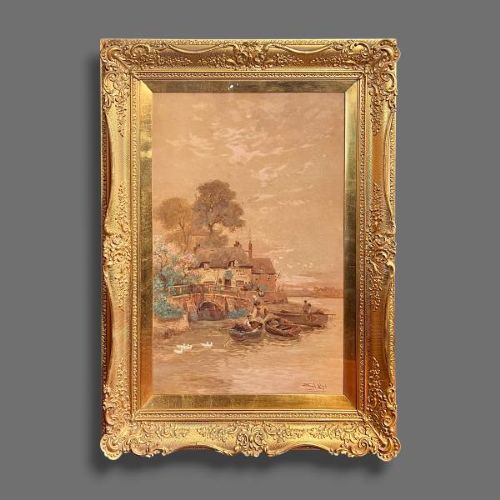
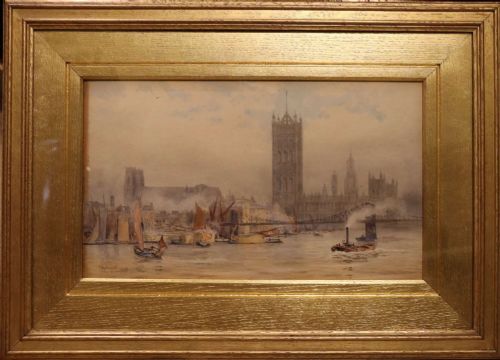
A gilded frame original artwork combines a unique historic painting, watercolour, pastel, or drawing with a decorative metallic surround. The selections span the eighteenth, nineteenth, and early twentieth centuries, encompassing Victorian, Edwardian, and continental European works.
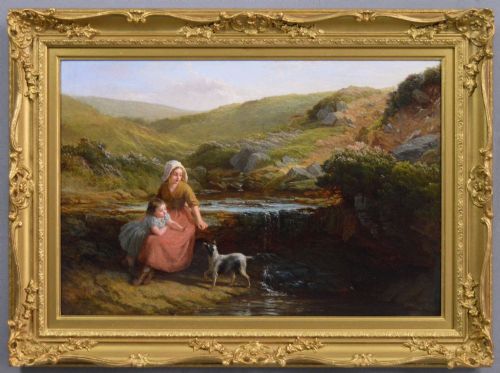
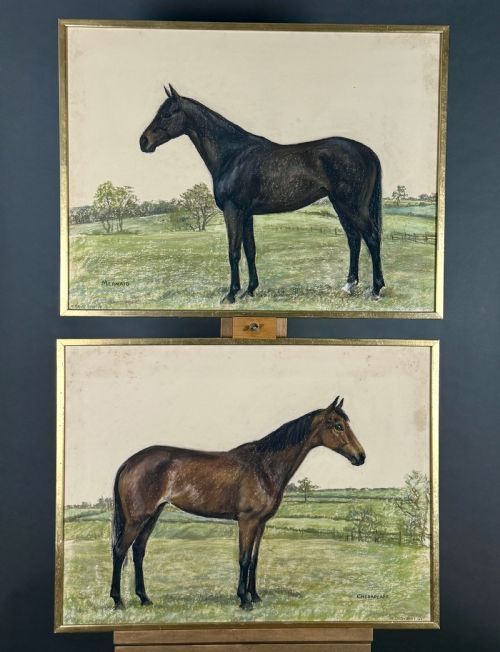
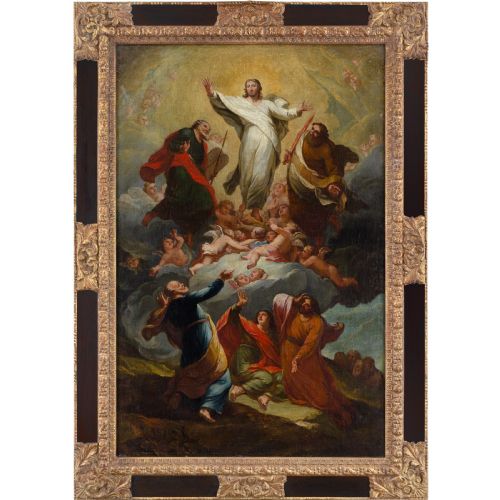
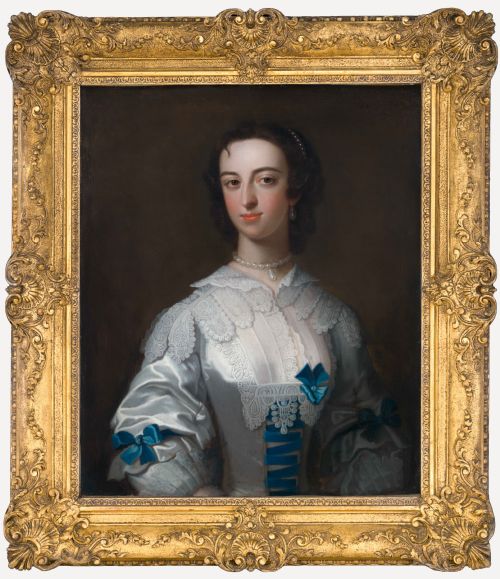
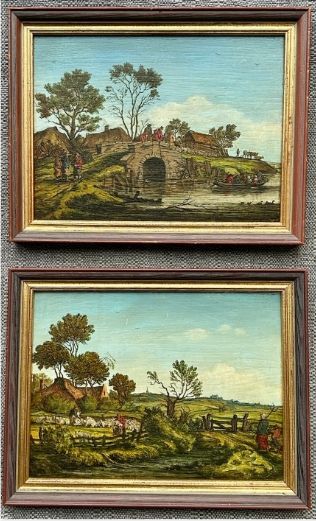
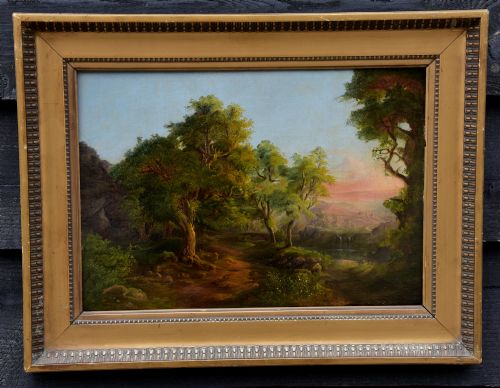
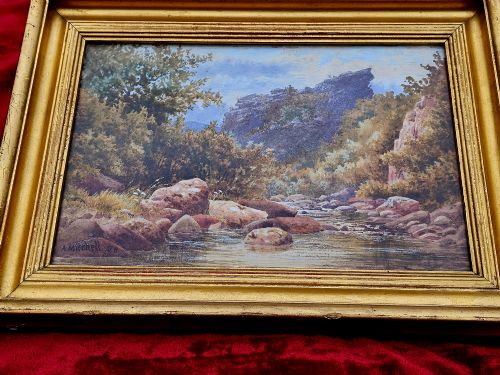
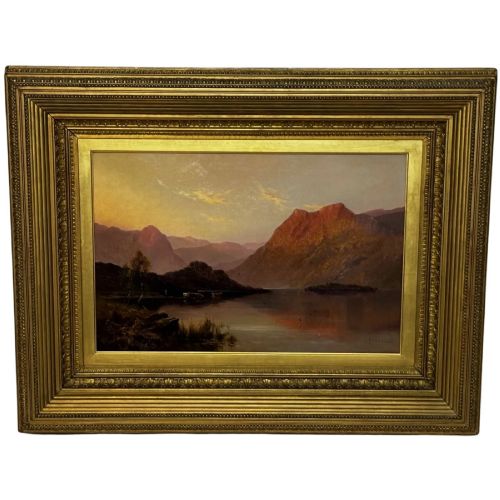
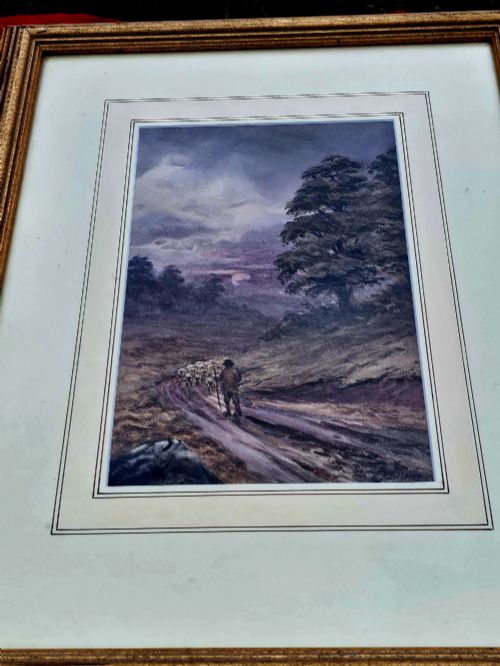
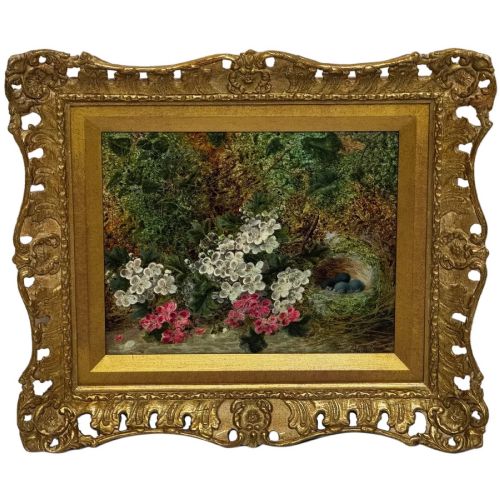
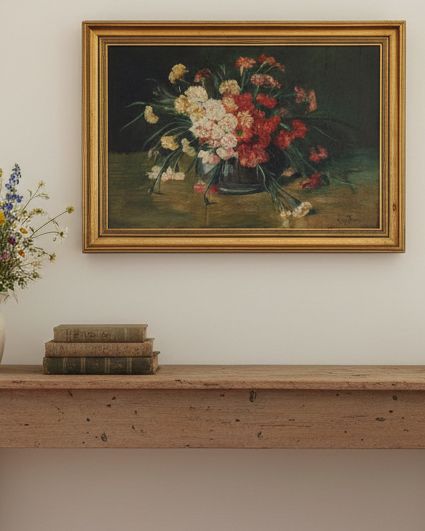
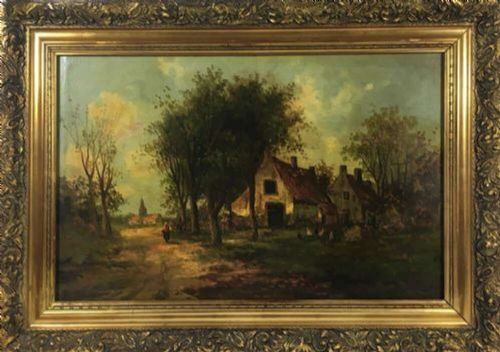
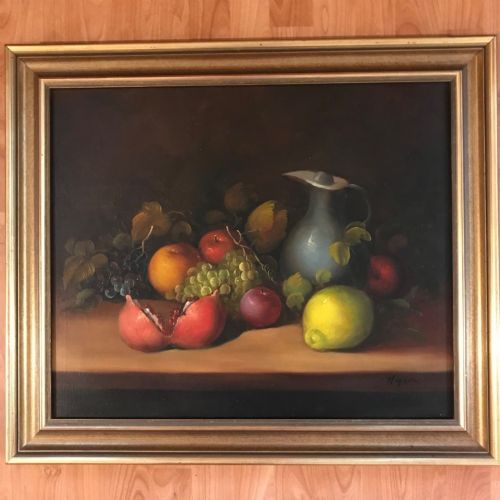
You meet a variety of subjects within these listings, including landscapes, maritime scenes, floral still lifes, animal portraits, and human character studies. Oil paintings on canvas, panel, and board sit alongside watercolours on paper and card, all paired with period frames.
The dominant forms are traditional oil paintings and watercolours created by named artists or historic schools such as the Barbizon School and the British School. These pieces range from intimate cabinet portraits to large-scale gallery watercolours.
How they were made
Artists painted primarily using oil paints on stretched canvas, wooden panels, or card, as well as watercolour on paper. Canvas supports were often prepared with gesso grounds before receiving layers of pigment and oil binder.
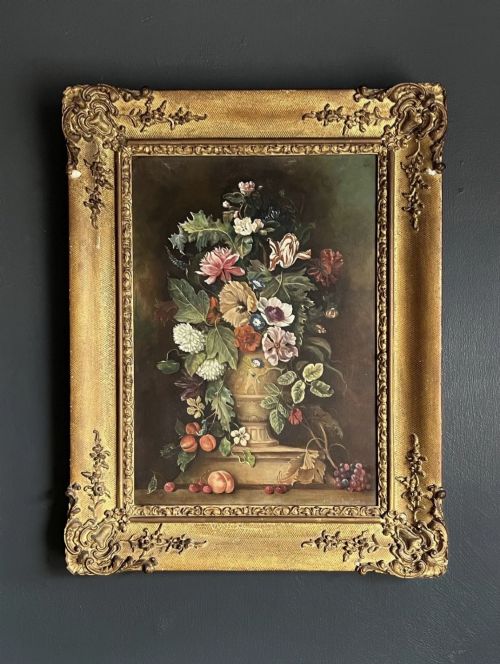
The frames accompanying these artworks utilise wood bases finished with gilt wood, gilt gesso, or applied metallic leaf. Artisans carved and moulded these surrounds to create ornate decorative profiles that complement the visual weight of the art.
Materials recorded across the inventory include oil paint, canvas, giltwood, paper, and watercolour.
What varies in quality
The execution of the brushwork and the confidence of the draughtsmanship distinguish the top tier of pieces from simpler works. Master painters achieve subtlety in facial expressions, atmospheric light, and natural textures that lesser hands miss.
The compatibility and craftsmanship of the enclosing frame also determine overall quality. Hand-carved gilt gesso surrounds with intricate ornamentation match the period and stature of the painting far better than plain or later replacement mouldings.
Henry Pickering·Stuart Lloyd·H Medlycott·Oliver Clare·Vittorio Reggianini·David Bates·Alfred Lyndon Grace·Alfred Pollentine·Albert Clark·John Hodgson Lobley·Manuela Bonati·William Watson Jnr·Frederick Tatham·Alfred Arthur Brunel de Neuville
The Gilded Frame Original Artwork Glossary
- Giltwood
- Wood carved and coated with gold leaf or metallic powder to create a bright, reflective surface. This finish is typical of high-end historic picture frames.
- Gesso
- A plaster-like mixture applied to wooden panels or frame mouldings to create a smooth, prepared surface for gilding or painting. It allows artisans to carve intricate details onto the frame.
- Oil on Canvas
- A technique where pigment mixed with drying oil is applied to a woven fabric support stretched over a wooden frame. This combination allows for rich colour blending and textured brushwork.
- Watercolour
- A paint medium consisting of water-soluble pigments applied to paper or card. It produces translucent washes of colour well suited for delicate landscapes and portraits.
Gilded Frame Original Artwork: Frequently Asked Questions
What is gilded frame original artwork?
These items are unique historic paintings and watercolours housed within decorative metallic frames. They represent various European and British art movements from the eighteenth through the early twentieth centuries.
Buyers encounter a wide range of subjects, from pastoral landscapes and maritime scenes to floral still lifes and detailed portraiture. Each piece pairs a hand-painted surface with a period-appropriate surround.
How were nineteenth-century paintings constructed?
Makers applied oil paint or watercolour to supports such as woven canvas, wooden panels, heavy paper, or card. These materials were often prepared with specific grounds to hold pigment securely over generations.
The accompanying frames were built from timber cores coated in gesso and finished with gold leaf or metallic gilding. Artisans shaped these surrounds to enhance the visual depth of the artwork.
Where should I hang these artworks?
Display these pieces in traditional reception rooms, studies, or hallways where lighting can be controlled. Keep them away from direct sunlight and excessive moisture to protect the paper, canvas, and gilded surfaces.
Pairing a gilded frame against a neutral or dark wall colour helps the metallic finish and the painted details stand out. Ensure the wall fixings match the substantial weight of wood and plaster frames.
How do I identify the period of a piece?
Examine the materials, painting style, and the construction methods of both the artwork and the frame. Signatures, artist biographies, and framing techniques often point to specific decades like the Victorian era or the early 1900s.
Stylistic cues such as costume, brushwork techniques, and subject matter also help narrow down the date of creation. Comparing the work to documented pieces by the same school provides further confirmation.