




Victorian Footed Vessel
These Victorian footed vessels bring nineteenth-century metalwork and ceramics into modern rooms, offering both decorative presence and practical utility.
Victorian Footed Vessel
A Victorian footed vessel encompasses a diverse range of raised decorative objects and utilitarian containers from the nineteenth century. Buyers searching this phrase will encounter items designed for plants, fuel storage, and display.
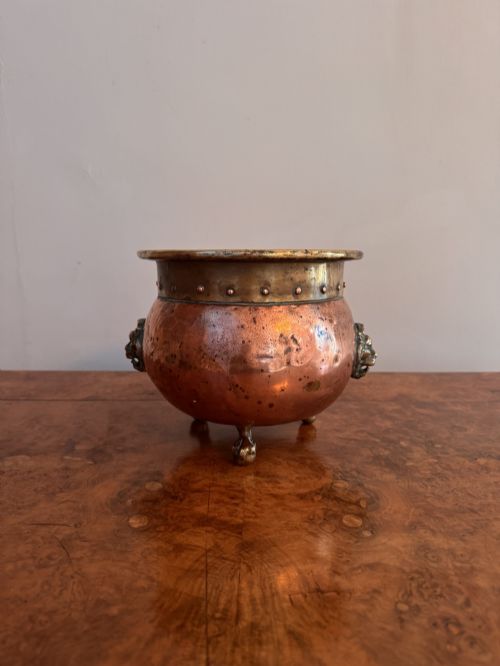
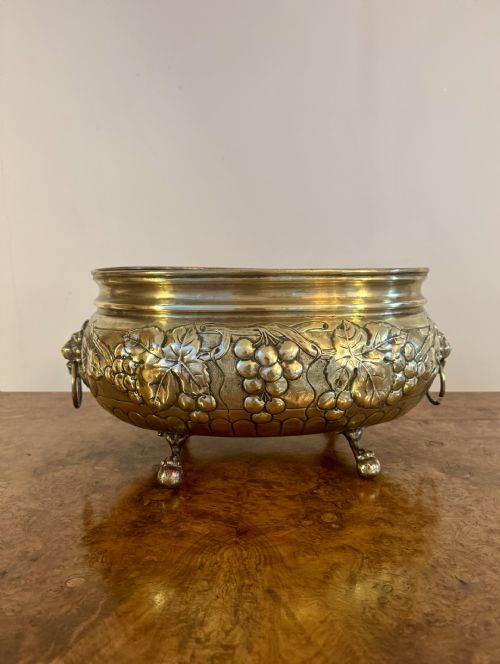
The selections on this page lean heavily toward metal containers, including brass planters, copper coal buckets, and decorative brass urns. Ceramic forms also appear, represented by earthenware bowls and porcelain pieces from periods spanning the nineteenth century and the early twentieth century.
Forms vary widely from utilitarian coal buckets and cauldrons to delicate vases and jardinières. Each piece utilises a raised foot or base to elevate the body from the surface below.
Materials and construction methods
Metal vessels in this category utilise brass and copper, shaped through handbeaten techniques, riveting, and casting. These methods produced robust containers such as coal bins and cauldrons alongside finer pierced planters.
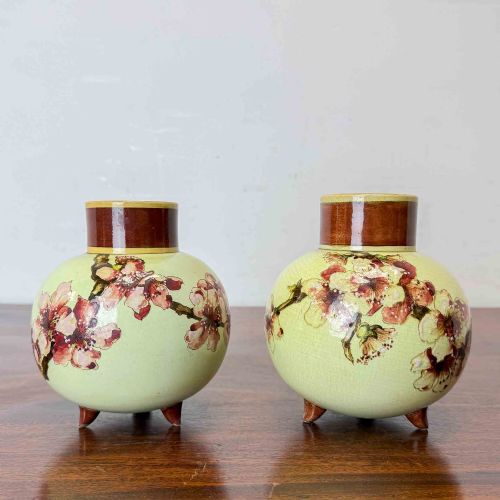
Ceramic vessels rely on earthenware, glazed pottery, and porcelain bodies finished with enamel or traditional glaze. Workshops applied decorative painting, such as cherry blossom motifs on faience, directly onto the fired clay.
Victorian Footed Vessel Retail Price Guide 2026
Typical asking prices for victorian footed vessel among the pieces listed under this phrase on Sellingantiques today, from the lower quarter to the upper quarter. They describe what is for sale here now, not the wider market.
Brass and copper dominate the material list, accompanied by earthenware, porcelain, and glazed pottery.
Assessing quality in metal and ceramic vessels
Quality in these vessels rests on the precision of the handcraftsmanship and the integrity of the materials. Heavier gauges of copper and substantial brass castings separate utilitarian items meant for daily service from lighter decorative pieces.
Artistic execution dictates the standing of ceramic and glass examples. Skill in the application of glazes and the refinement of surface decoration distinguish standard production items from workshop pieces bearing named attribution.
Doulton Lambeth Faience·William Soutter And Sons·Baccarat·Royal Worcester
The Victorian Footed Vessel Glossary
- Jardinière
- A large ornamental pot or stand for holding plants or flowers. These items often feature brass or ceramic construction and sit on an elevated foot.
- Faience
- Tinned earthenware decorated with opaque colours. This technique provides a smooth surface for detailed painted designs.
- Japonism
- The study of Japanese art and aesthetics that influenced European design during the nineteenth century. This style appears in specific bowls and vases.
- Cauldron
- A large metal pot used traditionally for boiling, adapted in the nineteenth century into heavy copper vessels with raised feet.
- Pierced brass
- Metalwork that has patterns cut through the sheet to create decorative openwork friezes. This technique is common on cylindrical planters.
Victorian Footed Vessel: Frequently Asked Questions
What were brass jardinières used for?
These decorative containers held potted plants indoors, protecting tabletops and floors while displaying foliage.
They served as prominent interior ornaments in nineteenth-century homes, often positioned near windows or on dedicated plant stands.
How do I clean antique copper coal buckets?
Gentle dusting and occasional wiping with a soft cloth preserve the natural metal finish and aged patina. Avoid harsh chemical cleaners that strip the historic surface.
Leaving the metal unpolished allows the characteristic oxidation of nineteenth-century copper to remain intact.
Where were nineteenth-century ceramic bowls placed?
These pieces functioned primarily as table centerpieces or decorative display items in reception rooms. Their raised feet elevated the ceramic body above furniture surfaces.
They accommodated floral arrangements or stood alone as works of art showcasing the maker's glaze techniques.