






Victorian Floral Ceramic Bowl
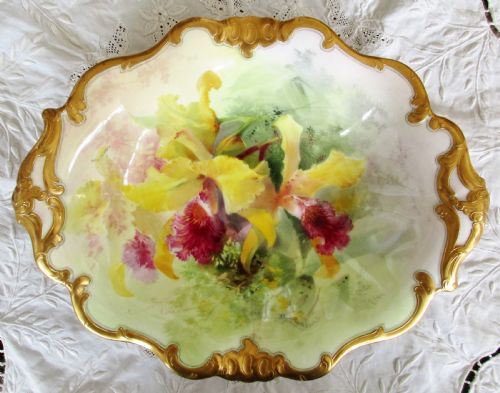
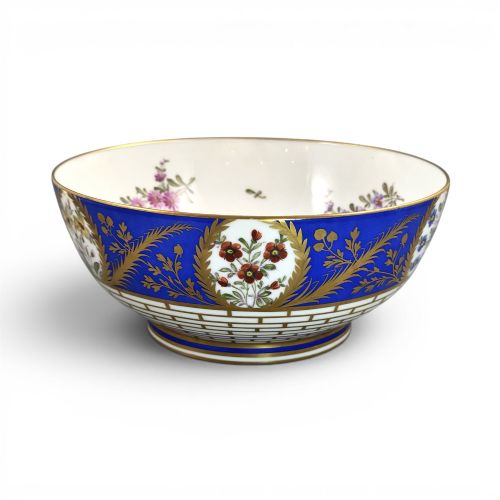
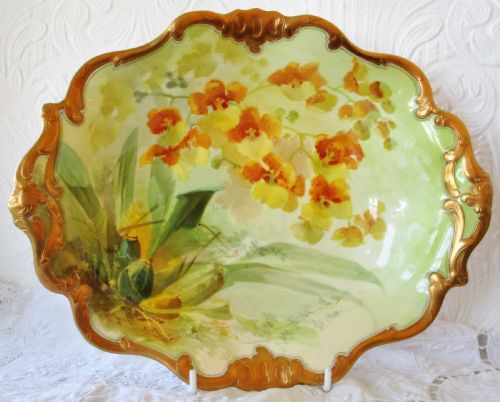
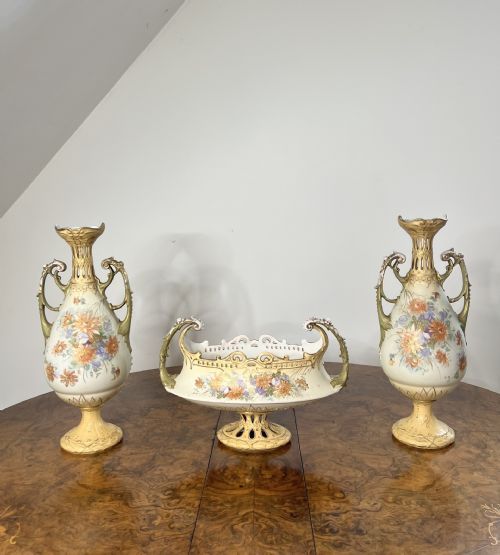
These pieces of a victorian floral ceramic bowl combine nineteenth-century domestic utility with delicate painted garden motifs.
Victorian Floral Ceramic Bowl
A victorian floral ceramic bowl brings nineteenth-century craftsmanship into the modern home through practical vessels and decorative centrepieces. The selection on this page ranges from large fruit bowls and cabinet dishes to washstand sets and jardiniere vessels.
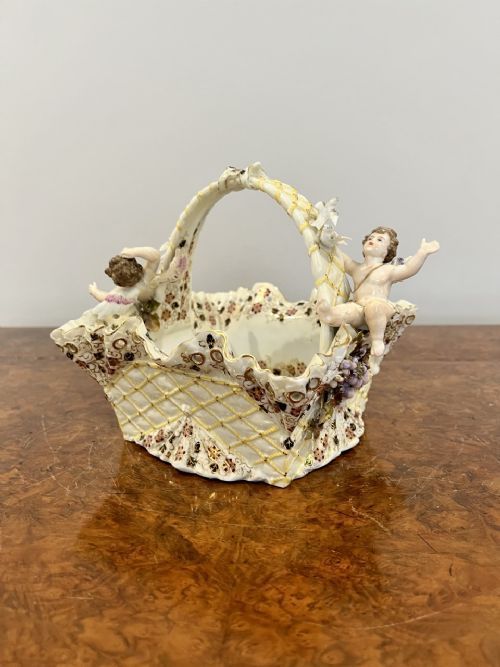
Most examples originate from the nineteenth century, including specific dates across the decades, alongside related Edwardian productions. Forms vary from simple earthenware basins to footed porcelain baskets and gilded shell dishes.
Makers and potteries span English manufactories like Royal Worcester and Doulton alongside continental houses, reflecting diverse regional styles from Victorian Rococo Revival to Art Nouveau.
How They Were Made
Potters shaped these vessels using porcelain, ironstone, and earthenware bodies, finished with durable glazes and fired in kilns. Surface decoration often combined hand-painted floral sprays with transfer-printed botanical motifs.
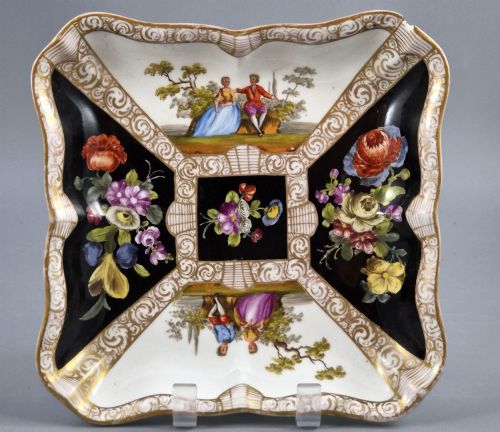
Many finer cabinet pieces and centrepieces incorporate applied enamel colours, intricate gold leaf detailing, and gilt edges. Ironstone provided a robust body for heavy-use items such as soup bowls and toilet sets, while porcelain suited delicate basket dishes and footed bowls.
Victorian Floral Ceramic Bowl Retail Price Guide 2026
Typical asking prices for victorian floral ceramic bowl among the pieces listed under this phrase on Sellingantiques today, from the lower quarter to the upper quarter. They describe what is for sale here now, not the wider market.
Listings feature nineteen-century porcelain, ironstone, and earthenware items decorated with enamel, glaze, and gold leaf.
What Varies in Quality
The standard of a victorian floral ceramic bowl depends on the precision of the hand-painting and the crispness of the moulded form. Fine brushwork on floral sprays and detailed gilding elevate factory production into high-art cabinet pieces.
Subtlety in glaze application and the definition of transfer-printed scenes distinguish standard domestic wash sets from exceptional exhibition pieces. The weight of the ceramic body and the preservation of original gold leaf edges also dictate the standing of individual items.
Royal Worcester·Royal Doulton·Doulton Burslem·Meissen·Davenport·Mann Co
The Victorian Floral Ceramic Bowl Glossary
- Ironstone
- A dense, durable type of earthenware patented in the nineteenth century for heavy domestic service. It resists chipping better than soft-paste porcelain.
- Jardiniere
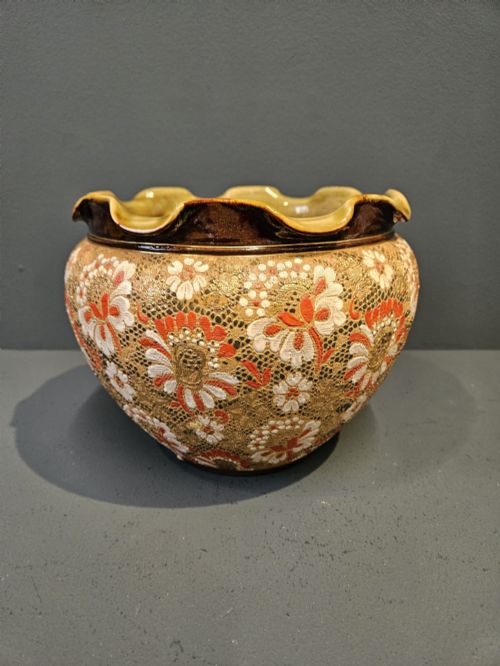
- An ornamental ceramic pot or stand designed to hold a plant or floral arrangement. These vessels often feature prominent floral motifs and painted scenes.
- Gilt
- A thin application of gold leaf or gold paint used to highlight rims, handles, and decorative borders. It adds a reflective finish to porcelain bowls and dishes.
- Spongeware
- Pottery decorated by applying pigment with a sponge or fabric pad to create mottled patterns. This technique produced rustic blue and white designs on nineteenth-century bowls.
- Comport
- A raised dish or bowl on a footed pedestal, traditionally used for serving fruit or dessert. These decorative pieces often occupy the centre of a dining table.
Victorian Floral Ceramic Bowl: Frequently Asked Questions
How were ceramic wash sets used?
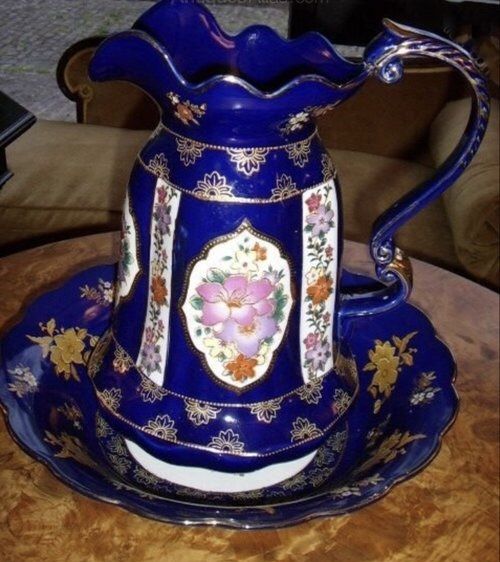
These sets stood on bedroom washstands to hold water for morning hygiene before indoor plumbing became universal. A large basin held the water while a matching jug served for pouring.
Smaller vessels contained soap or held toothbrushes, completing a functional ceramic suite for the Victorian bedroom.
Where should I place a jardiniere?
A jardiniere suits a bright windowsill or a sturdy side table where it can contain potted greenery or dried arrangements. Its decorative ceramic body acts as a focal point in a room.
Ensure the surface is protected from moisture if you place live plants inside without a liner.
How do I identify a nineteenth-century piece?
Look at the base for maker marks, registration numbers, or impressed factory stamps that correspond to historical archives. The weight of the earthenware or ironstone also offers clues to the manufacturing era.
Hand-painted details and crazing in the glaze typically indicate genuine nineteenth-century age rather than modern reproduction.
Can I use antique bowls for food?
Most antique decorative bowls and cabinet dishes serve better for display or dry storage rather than daily dining. Historic glazes may contain trace materials unsuited for modern acidic foods.
Ironstone soup bowls and sturdy ironstone basins saw heavy kitchen use originally, but display preserves their painted finishes today.