

Victorian Floor Stand
These substantial pieces known as a victorian floor stand anchor a room through height and presence, offering both practical utility and period character.
Victorian Floor Stand
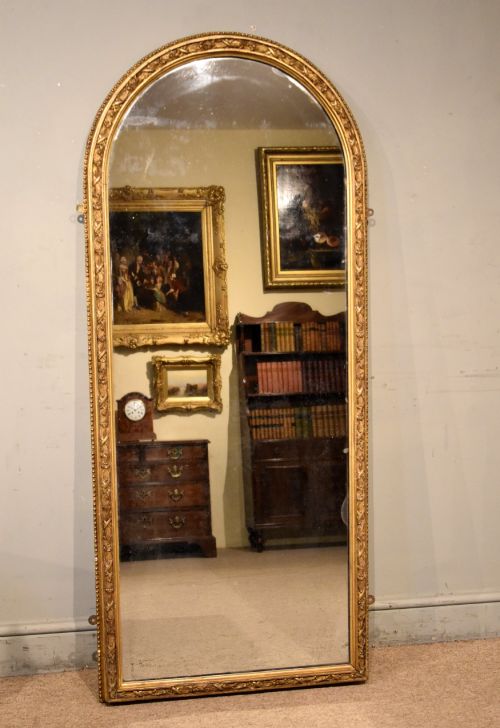
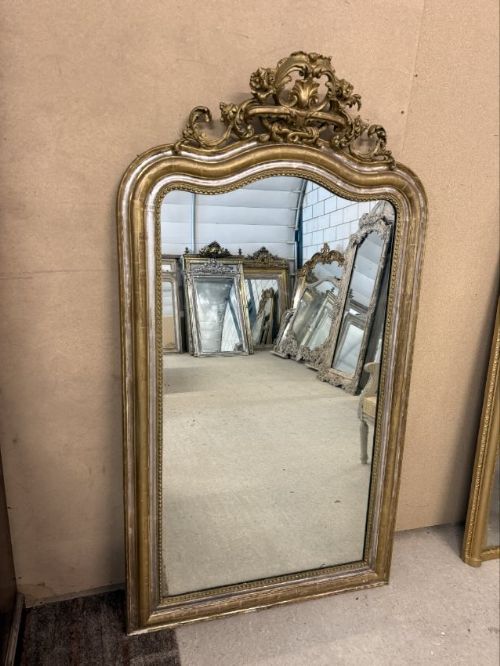
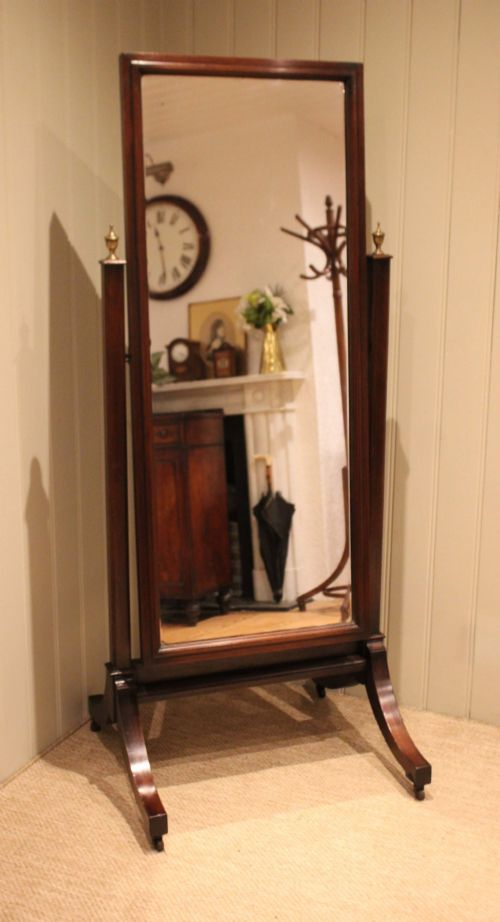
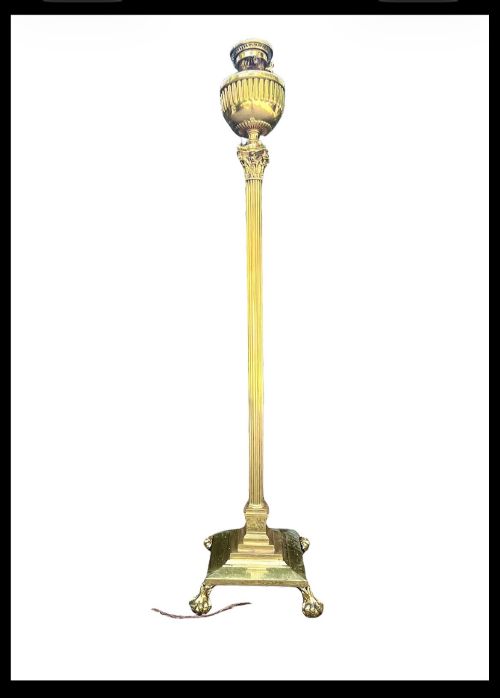
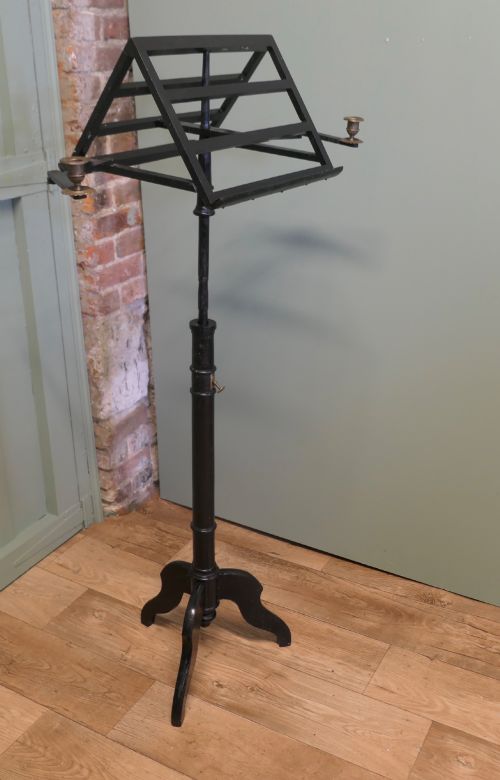
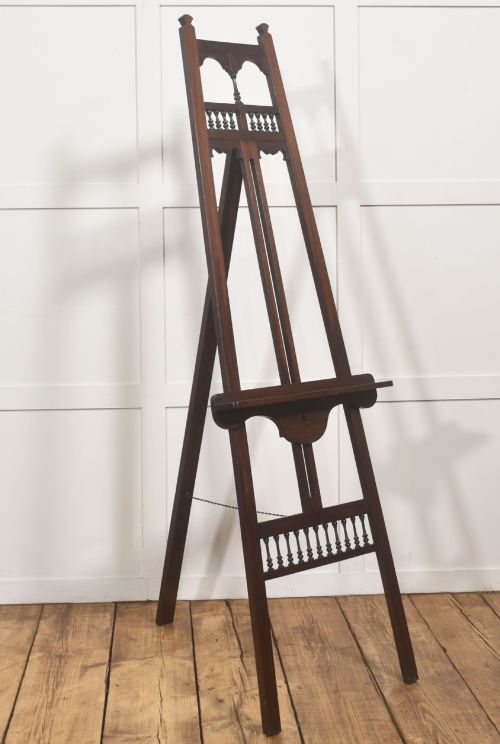
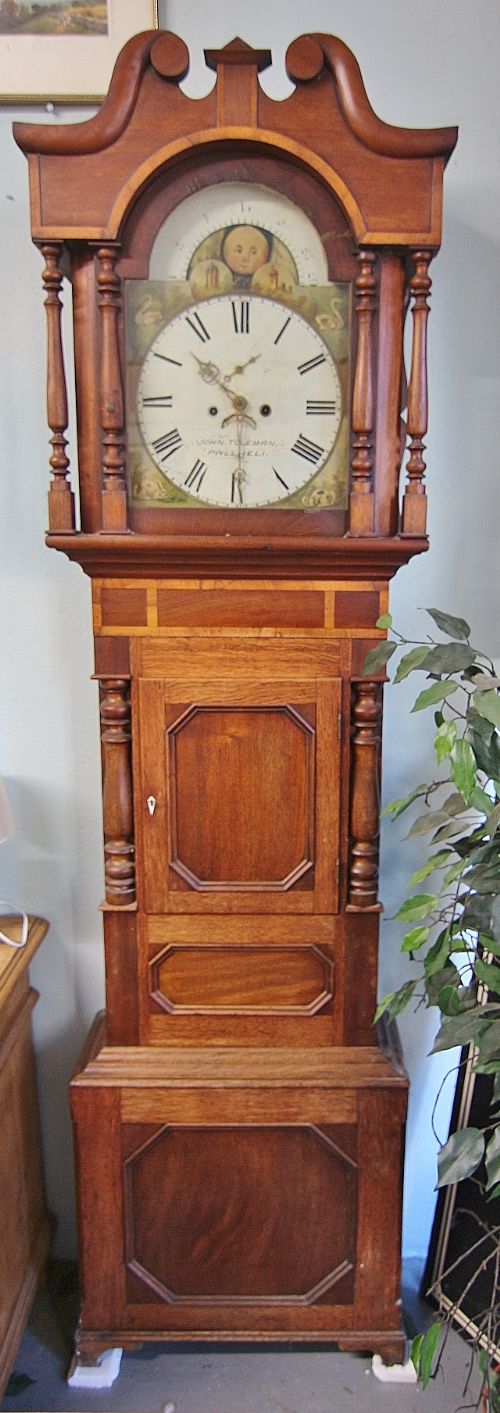
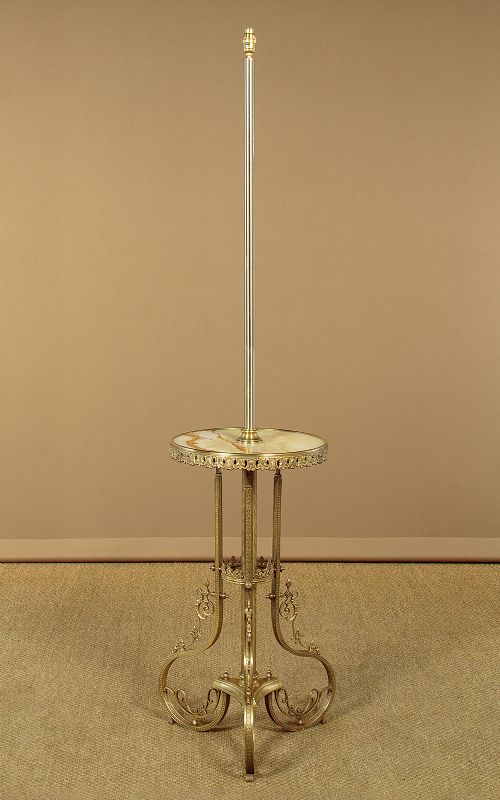
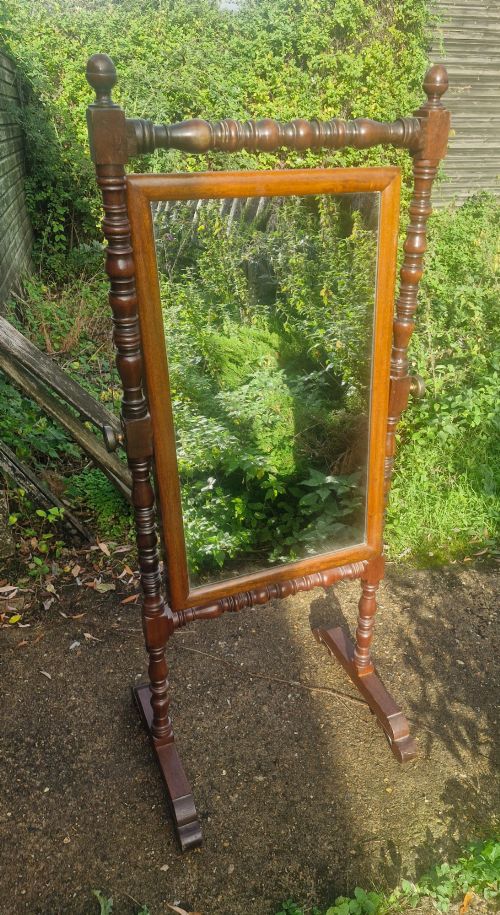
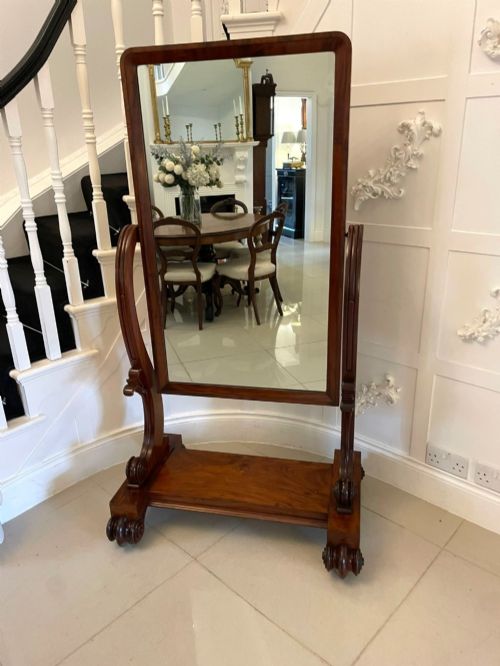
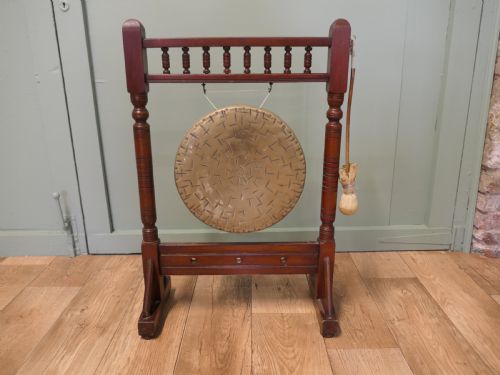
A victorian floor stand encompasses a diverse group of tall furnishings designed to rest directly upon the floor rather than a table or wall. Buyers browsing this selection most frequently encounter cheval mirrors, standard lamps, and longcase clocks alongside studio easels and reading stands.
The objects span the nineteenth century and into the early twentieth century, incorporating periods from the Victorian era proper to Edwardian and Arts and Crafts movements. Forms range from utilitarian oak reading podiums and artists' studio easels to decorative brass oil lamps and mahogany dressing mirrors.
Origins vary from English workshops to Welsh vernacular pieces and Japanese import items, reflecting the broad utility demanded of floor-standing items in period interiors. Each form serves a specific domestic or studio function, combining heavy vertical timbers or metals with functional mechanisms.
Materials and construction methods
Makers relied heavily on dense hardwoods such as mahogany and oak, often paired with structural metals including brass, cast iron, and bronze. These materials provided the necessary weight and stability for tall, freestanding objects like standard lamps and swinging cheval mirrors.
Construction techniques balanced decorative carving and ebonising with functional engineering, such as adjustable brass oil lamp stems, telescopic mechanisms, and weighted iron bases. Joinery and turning supported heavy rotating mirror frames, complex clock movements, and large studio easel ratchets.
Victorian Floor Stand Retail Price Guide 2026
Typical asking prices for victorian floor stand among the pieces listed under this phrase on Sellingantiques today, from the lower quarter to the upper quarter. They describe what is for sale here now, not the wider market.
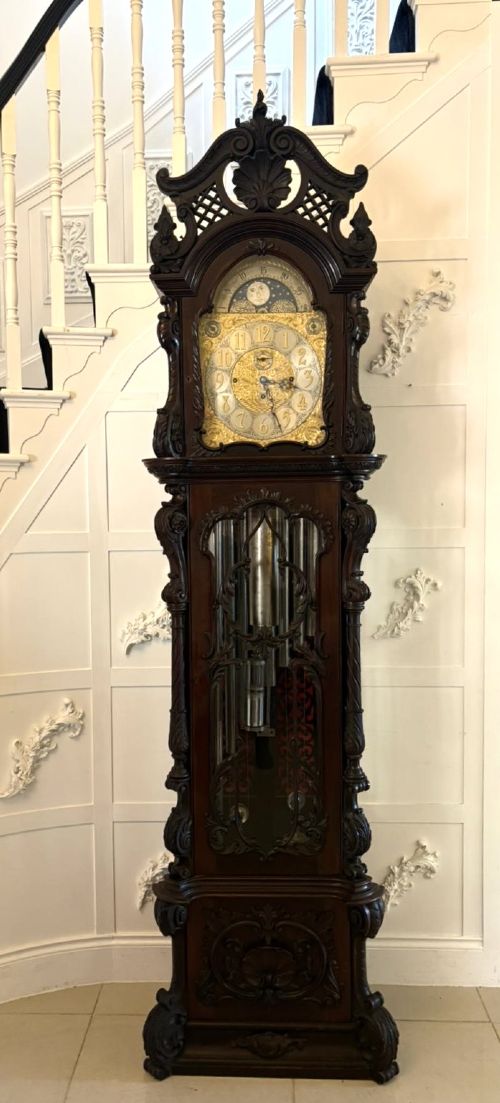
The inventory records longcase clocks ranging from simple arch dial formats up to complex nine-tube chiming movements.
Qualities that distinguish individual pieces
Quality rests in the integrity of the materials and the refinement of the mechanical adjustments, such as smooth-operating brass ratchets on reading stands or stable pivots on cheval mirrors. Superior examples display thoughtful proportions, crisp hand-carving, and dense timber grains.
The ambition of the design dictates distinction, separating standard utility items from exhibition-grade pieces featuring elaborate chiming mechanisms, musical movements, or specialised patinated bronze and brass work.
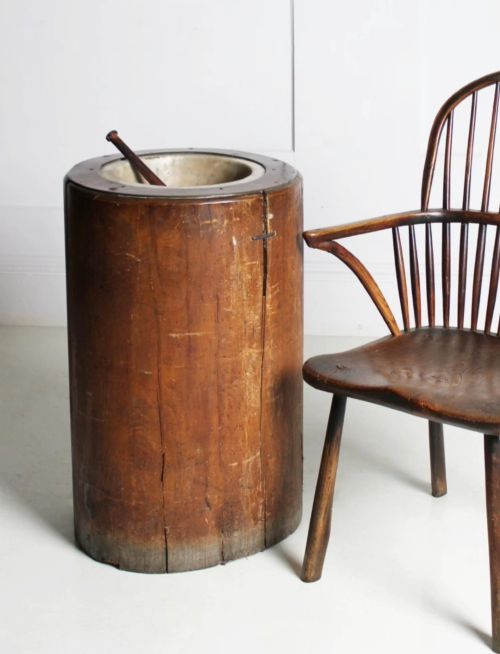
Winsor Bishop Norwich
The Victorian Floor Stand Glossary
- Cheval mirror
- A freestanding full-length mirror suspended on a vertical frame with side pivots allowing it to tilt. These large dressing mirrors usually feature substantial mahogany or satin birch supports.
- Standard lamp
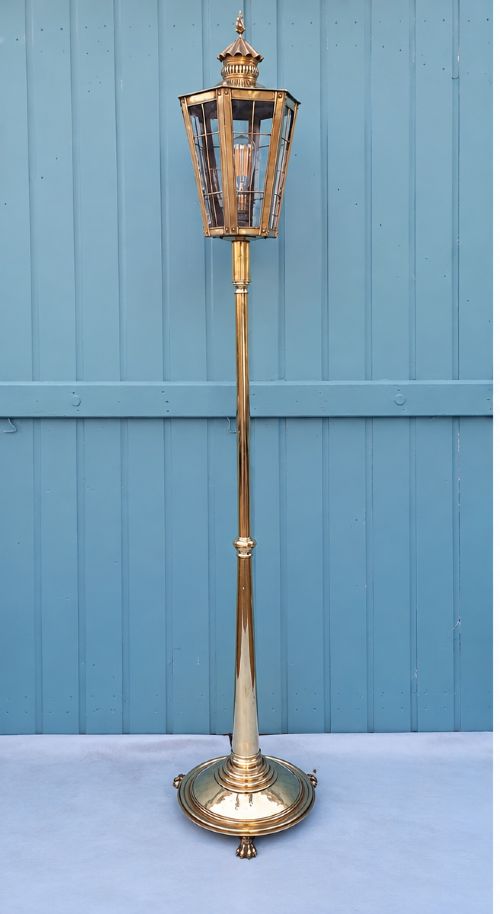
- A tall floor-standing lamp base originally designed for oil or candles and frequently converted to electricity. They often incorporate adjustable brass stems and secondary attached tables.
- Studio easel
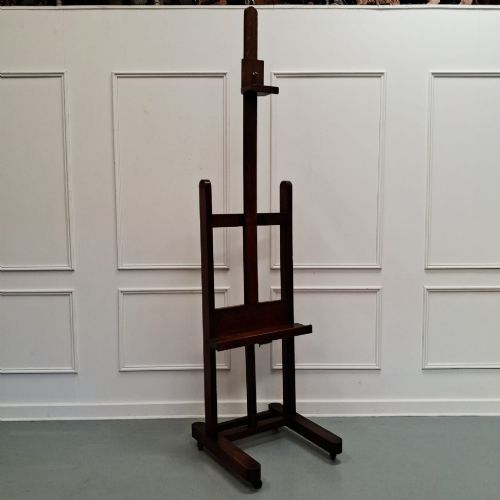
- A heavy, adjustable wooden stand used by artists to support large canvases during painting. They utilise internal ratchets and winding mechanisms to raise and lower heavy frames.
- Longcase clock
- A tall pendulum clock enclosed in a wooden case resting on the floor, also known as a grandfather or grandmother clock. These frequently house intricate multi-tube chiming or musical bell mechanisms.
Victorian Floor Stand: Frequently Asked Questions
What is a victorian floor stand?
A victorian floor stand is a broad category of tall, freestanding nineteenth-century furnishings designed to occupy floor space rather than rest on furniture. This group includes items as varied as cheval mirrors, standard lamps, reading podiums, and studio easels.
These pieces were constructed to serve specific domestic, horological, or studio functions while adding vertical architectural interest to high-ceilinged period rooms.
How do I use a cheval mirror?
A cheval mirror is designed for dressing rooms or bedrooms, offering a full-length reflection supported by a stable frame with pivoting side mounts. Users tilt the glass plate to the desired angle using the central axis handles.
Placement requires a corner or wall space with adequate clearance for the footprint of the wooden legs and the swinging arc of the mirror glass.
Were these standard lamps electrified originally?
Most standard lamps from the nineteenth century were constructed to burn oil or gas rather than electricity. Many surviving examples have been carefully converted for modern electric bulbs while retaining their original brass and bronze reservoirs.
This conversion allows period lighting to function safely in contemporary homes without altering the exterior appearance of the standard lamp.
How do I identify period studio easels?
Period studio easels are identified by their heavy timber construction, typically in oak or mahogany, and functional mechanical ratchets used to support large canvases. They often bear the marks of heavy studio use and adjustable peg systems.
Examining the turning, iron winding handles, and timber patina helps distinguish nineteenth-century examples from modern reproductions.