

Victorian Flatware
Victorian flatware comprises solid silver and plated forks, spoons, and serving utensils shaped by nineteenth-century silversmiths to grace formal dining tables.
Victorian Flatware
When you search for victorian flatware, you encounter nineteenth-century silver objects designed for dining, ranging from single tablespoons to full canteens for dozens of guests.
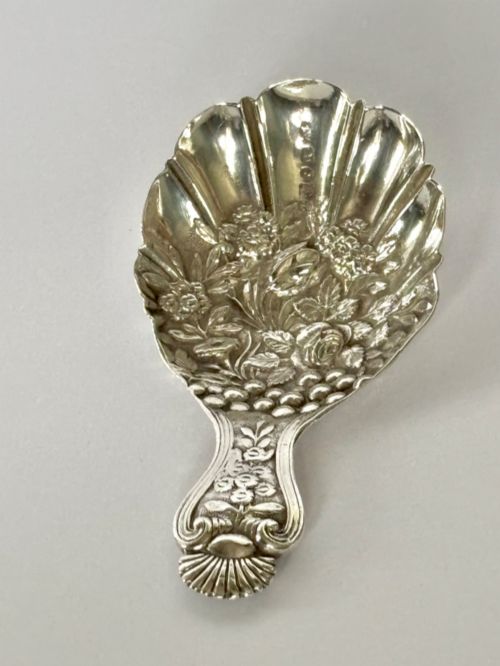
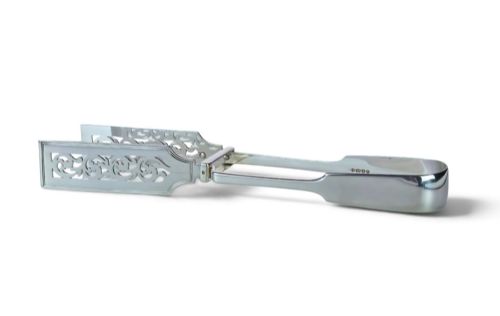
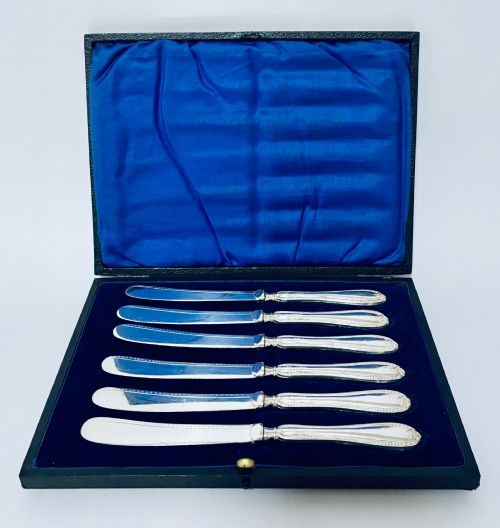
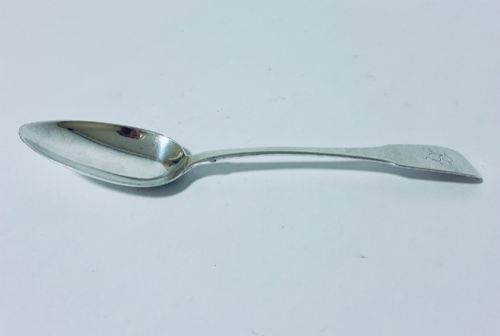
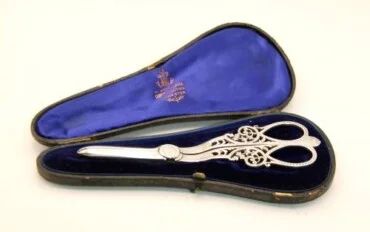
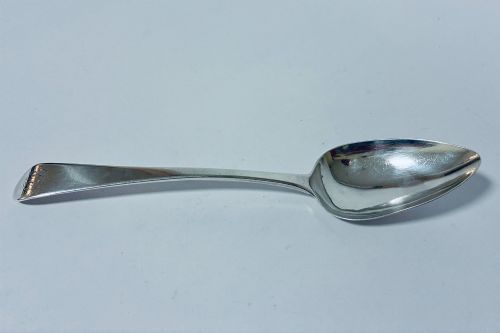
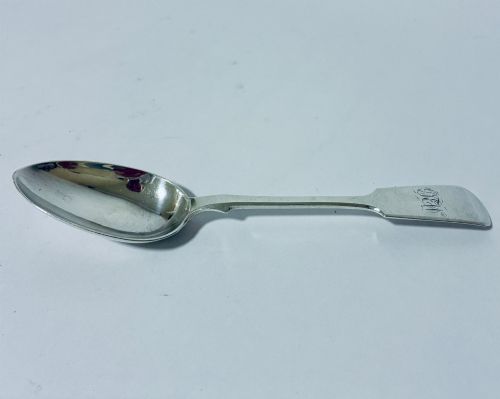
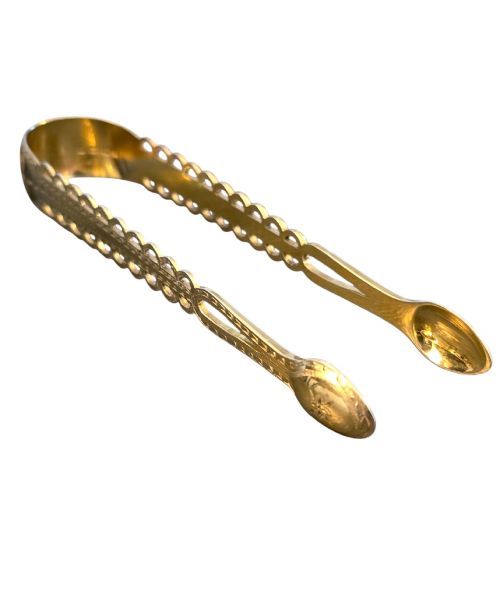
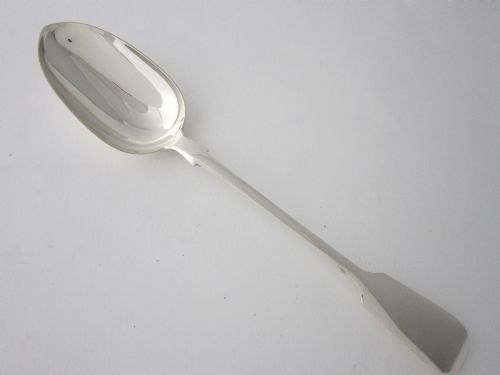
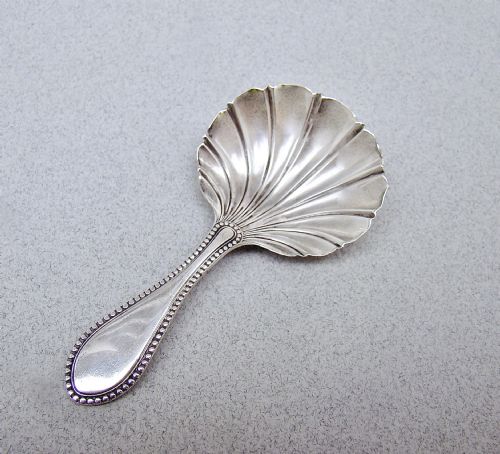
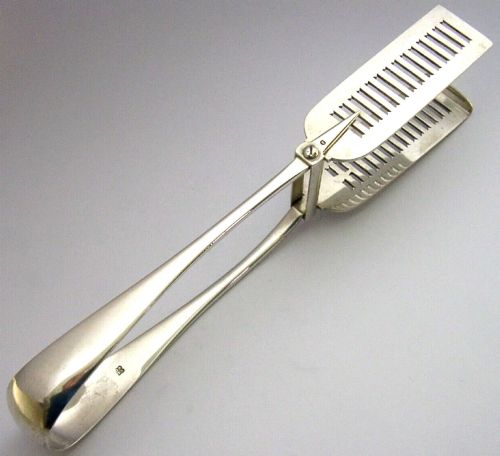
The selections here frequently include Fiddle pattern serving spoons, cased fruit knives, and specialised implements like grape scissors, sugar tongs, and fish servers.
Originating largely from major manufacturing centres and provincial hubs, these items bridge Georgian utility and Edwardian elaboration.
Materials and construction
Makers fashioned these pieces primarily from sterling silver or silver plate, often incorporating steel for knife blades and silver-gilt for interior bowls.
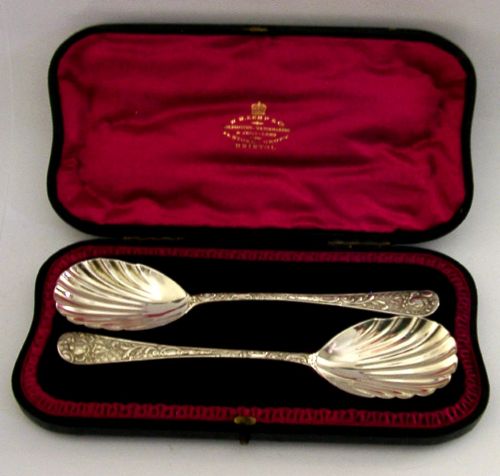
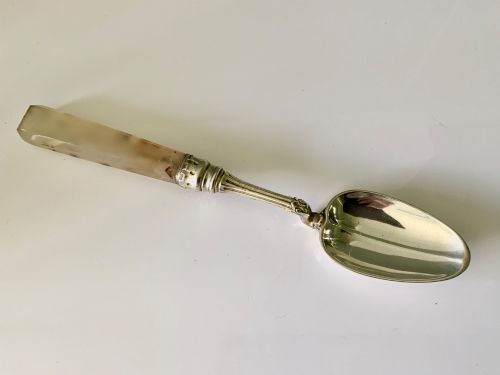
Handles introduce contrasting textures through organic elements such as agate, alongside fitted presentation cases lined in velvet, silk, or leatherette.
Victorian Flatware Retail Price Guide 2026
Typical asking prices for victorian flatware among the pieces listed under this phrase on Sellingantiques today, from the lower quarter to the upper quarter. They describe what is for sale here now, not the wider market.
Listings feature sterling silver and silver plate objects spanning from the Georgian era through the Victorian period into the early twentieth century.
Distinctions in standard
Subtleties of execution separate standard service items from bespoke creations, visible in the depth of hand-engraving and the crispness of cast Rococo revival motifs.
Completeness of original fitted boxing and legible hallmarks applied by regional assay offices strongly influence the character of individual sets.
George William Adams·Martin Hall and Co·Henry Wilkinson·Hamilton and Inches·John Walton
The Victorian Flatware Glossary
- Fiddle pattern
- A nineteenth-century flatware handle design characterised by a narrow stem widening towards a squared, shoulders-and-notch terminal.
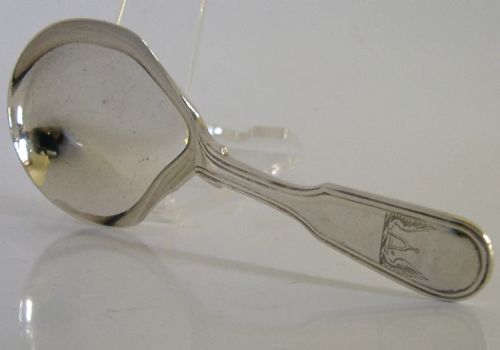
- Caddy spoon
- A short-handled scoop specifically made for measuring loose tea from a caddy into a pot.
- Silver-gilt
- Sterling silver that has been coated with a thin layer of gold on its surface, frequently seen on the interior bowls of berry spoons and sugar sifters.
- Marrow scoop
- A narrow, trough-like utensil with differing sized bowls at each end, historically used for extracting bone marrow.
- Assay office
- An official body responsible for testing the purity of precious metals and stamping items with appropriate hallmarks.
Victorian Flatware: Frequently Asked Questions
What pieces make up a canteens?
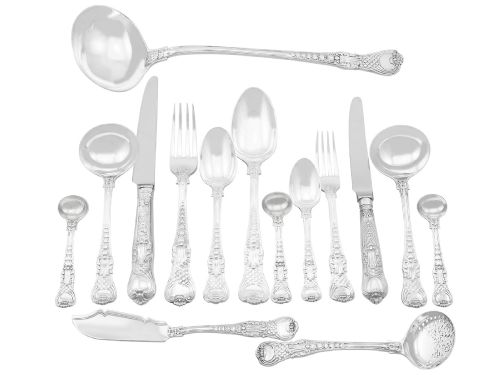
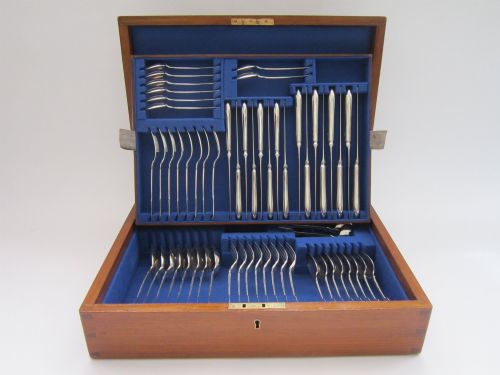
Canteens gather matched sets of forks, spoons, and knives designed to serve groups ranging from eight up to thirty persons for formal meals.
These collections often include specialised serving utensils like ladles, tongs, and fish slices alongside standard place settings.
How are family crests identified?
Engraved crests and initials appear on many nineteenth-century spoons and forks, reflecting the original aristocratic or bourgeois commissioning households.
Researching the specific heraldry connects individual pieces to documented historical families.
Were these items used daily?
While many sets served for grand nineteenth-century dinners, numerous specialised items remained preserved in fitted presentation boxes.
Christening sets and dessert services saw occasional use during family celebrations rather than routine meals.
How do I spot provincial silver?
Provincial pieces bear hallmarks from assay offices outside London, such as Exeter, Newcastle, or Glasgow, alongside maker marks from regional workshops.
Scottish provincial silver often displays distinct local variations in pattern and weight.