

Victorian Flask
A victorian flask brings portable luxury and everyday utility together through delicate glass, precious metals and durable leather.
Victorian Flask
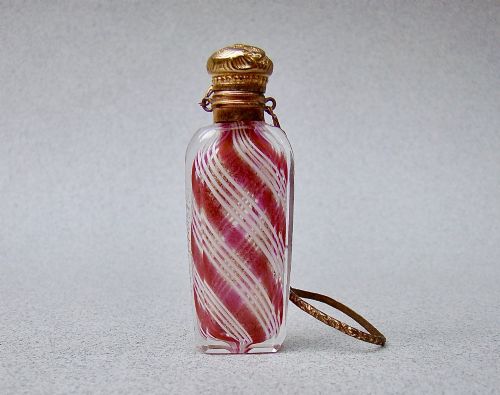
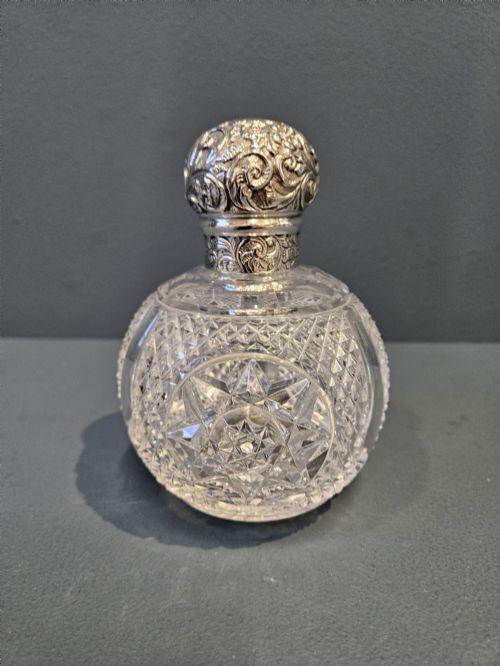
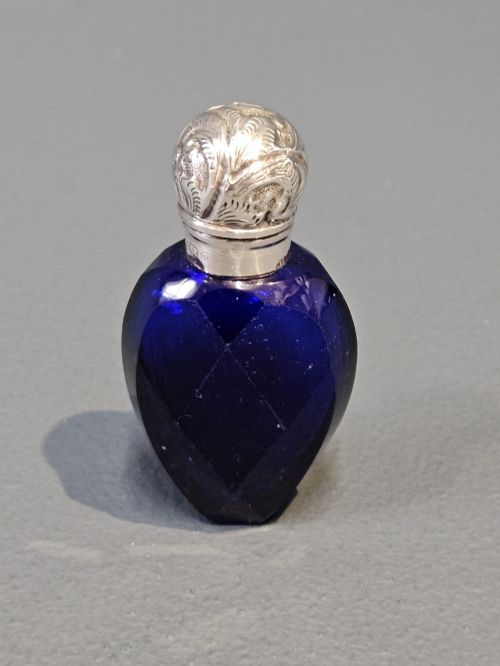
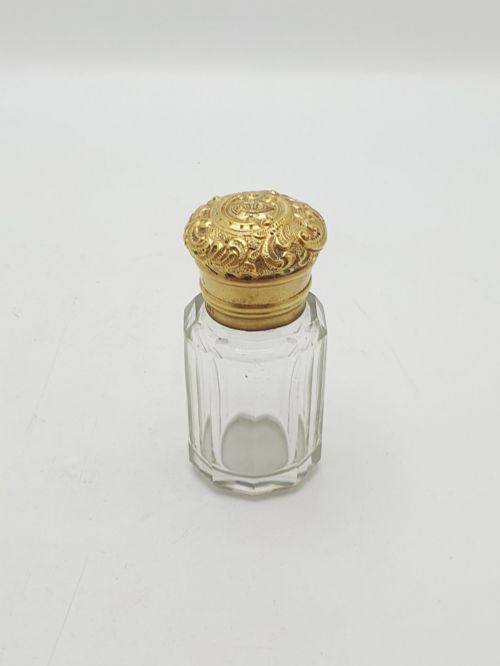
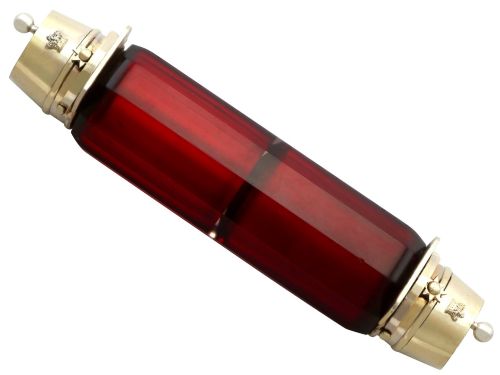
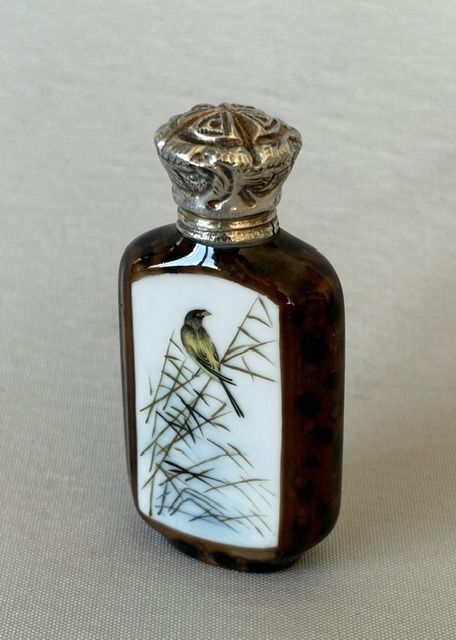
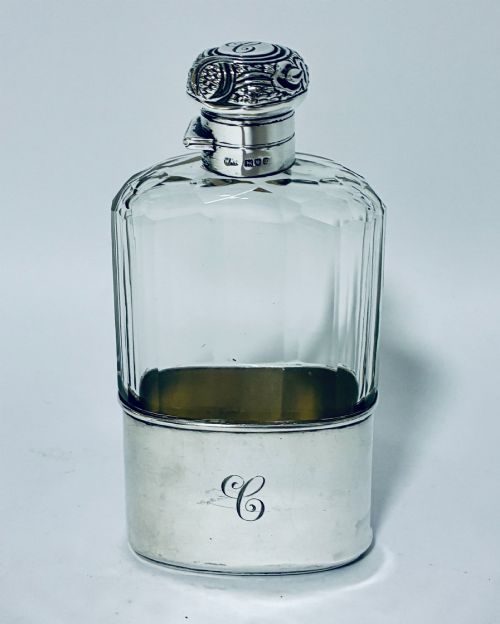
A victorian flask encompasses a diverse array of pocket containers, scent bottles, and field spirit sets designed for personal grooming and refreshment. Collectors encounter everything from miniature glass scent phials mounted in sterling silver to robust leather-cased military hip flasks.
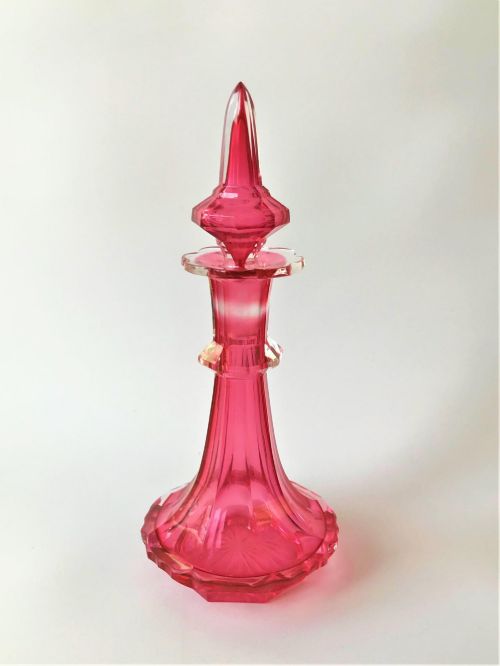
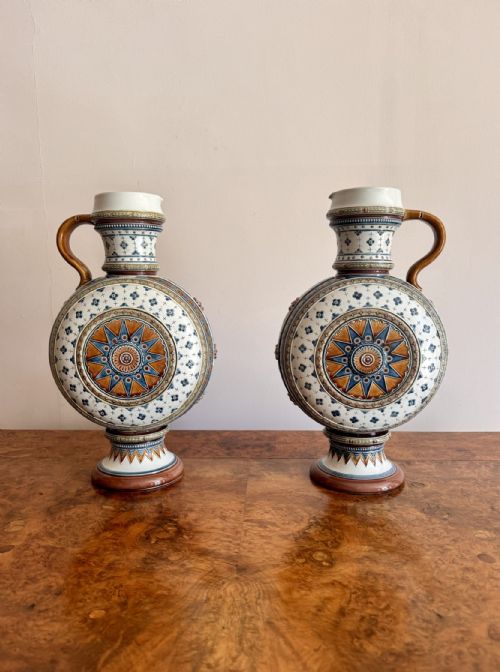
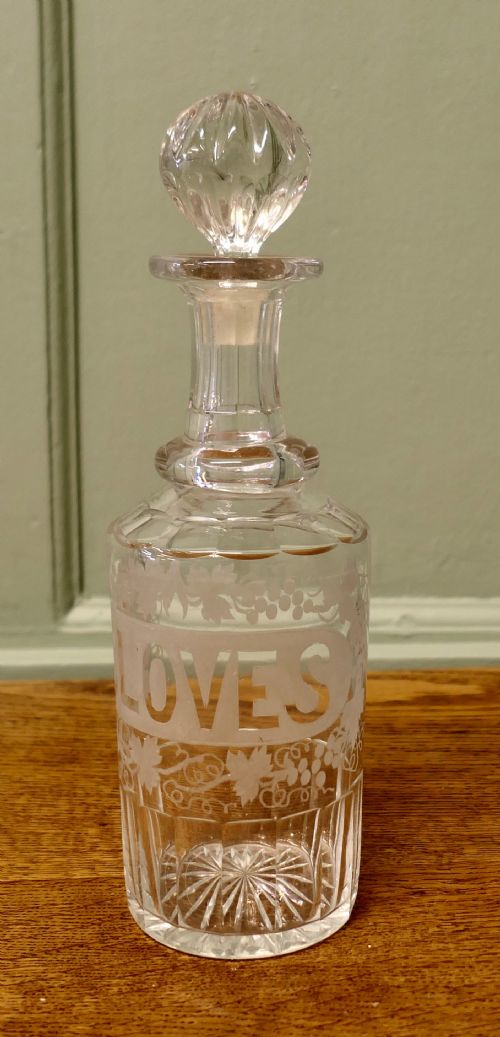
The objects span scent bottles, perfume containers, pocket hip flasks, decanters, and stoneware whisky vessels produced across the nineteenth century and into the early twentieth century. These pieces reflect the varied social habits of the era, catering to both domestic vanity and outdoor pursuits.
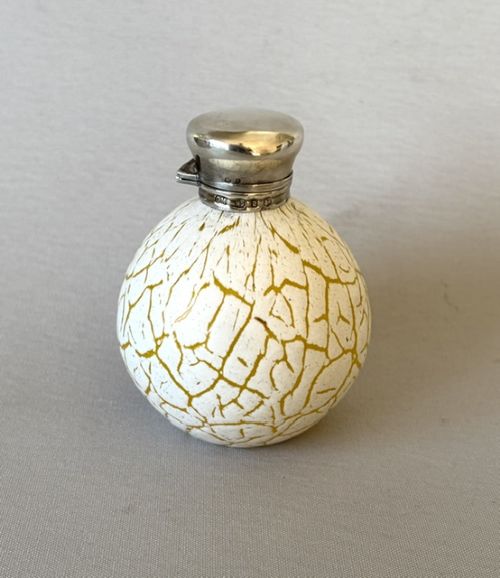
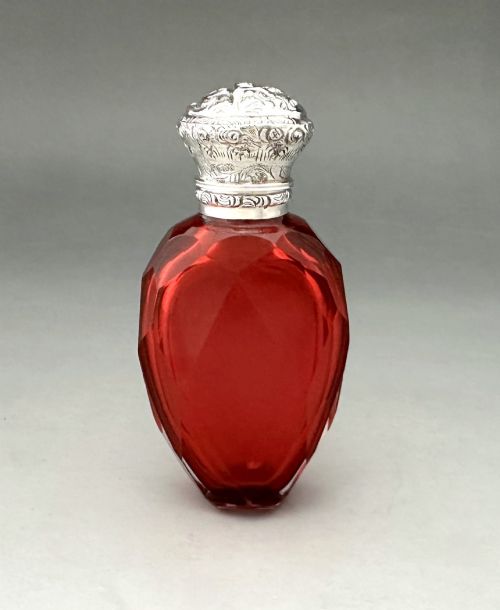
Makers utilised specific materials to denote function, pairing clear, ruby, green, or crackle glass with silver mounts for fragrance, whilst employing heavy stoneware, silver plate, or leather for spirits. This page centres on these varied pocket and serving vessels originating from British, French, and Bohemian workshops.
Materials and construction
Craftsmen shaped glass through cutting, etching, and moulding, producing faceted crystal, opaline, and coloured glass bodies designed to catch the light. Molten glass was blown into moulds or free-blown before being hand-cut and polished.
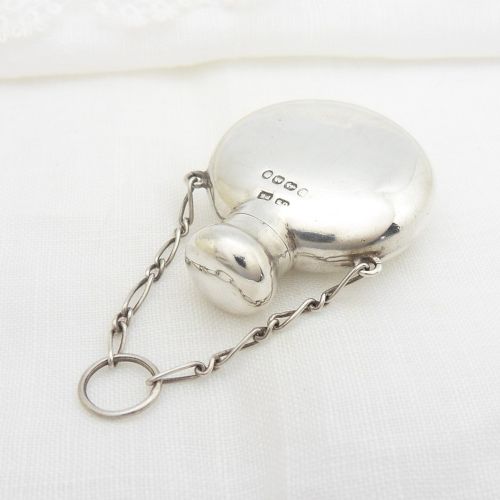
Metalworkers fabricated mounts, caps, and chatelaine chains from sterling silver, silver plate, gilt silver, and ormolu, often incorporating hinged lids with tight cork or ground-glass stoppers. Leather workers encased glass bodies in stitched hides for field travel, whilst potters shaped stoneware and ceramic flasks with salt glazes.
Victorian Flask Retail Price Guide 2026
Typical asking prices for victorian flask among the pieces listed under this phrase on Sellingantiques today, from the lower quarter to the upper quarter. They describe what is for sale here now, not the wider market.
Listings feature items from the Victorian, Edwardian, and early twentieth-century periods utilising sterling silver, glass, leather, and enamel.
Distinguishing quality
The refinement of the metal mountings and the crispness of the glass cutting separate standard examples from exceptional pieces. Superior items display fully hallmarked precious metal work, detailed hand-painting, and precise enamel decorations rather than mass-produced press-moulding.
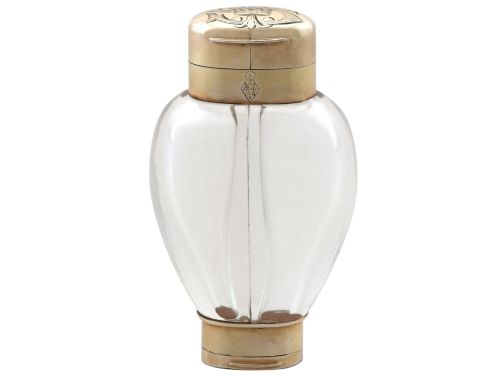
The inclusion of integrated functional elements, such as internal vinaigrette grilles, matched sets of multiple flasks within leather cases, or signed components by notable silversmiths and glasshouses, elevates the standing of an individual piece.
Saunders & Shepherd·James Dixon & Sons·Sampson Mordan·Hukin & Heath·Royal Doulton
The Victorian Flask Glossary
- Vinaigrette
- A small ornamental box or bottle containing a sponge soaked in aromatic vinegar. These usually feature an internal pierced silver gilt grille.
- Chatelaine
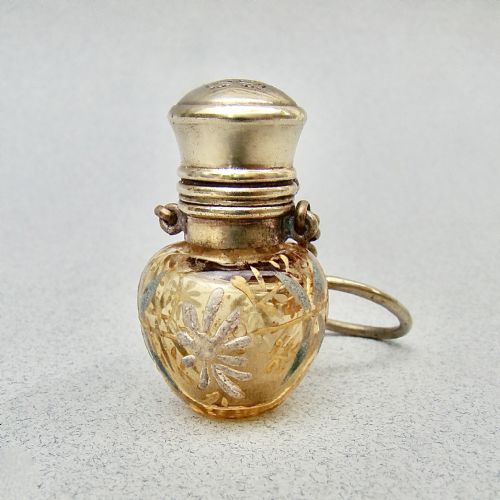
- A decorative belt hook worn by women with suspended chains carrying household accessories. Scent flasks were frequently attached to these.
- Opaline glass
- An opaque or semi-translucent glass developed in France during the nineteenth century. It frequently appears in soft pastel shades.
- Hip flask
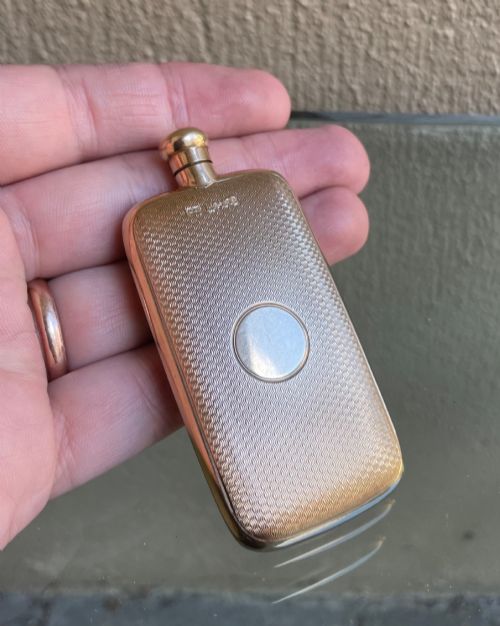
- A thin pocket container designed for carrying potable alcohol. Examples from this era often feature curved bodies to fit a pocket.
- Moon flask
- A flattened spherical ceramic or glass vase form with a circular body and small neck. They draw inspiration from ancient pilgrim flasks.
Victorian Flask: Frequently Asked Questions
What is the difference between a scent bottle and a hip flask?
Scent bottles are small glass or crystal containers designed for holding liquid perfume or smelling salts, typically fitted with a secure screw or hinged cap and sometimes an internal stopper. They frequently incorporate precious metal mounts and are small enough to carry in a pocket or on a chatelaine.
Hip flasks are larger, robust vessels intended for carrying spirits during travel, hunting, or military campaigns. They are constructed from sturdy materials like silver plate, glass encased in leather, or heavy stoneware rather than delicate coloured glass.
How do I identify the period of a victorian flask?
Dating relies heavily on maker marks, hallmarks stamped into the silver mounts, and stylistic indicators such as colour palettes and cutting techniques. British silver mounts carry date letters and assay office symbols that allow precise year identification.
Stylistic cues also provide clear markers, as pieces featuring aesthetic movement motifs or specific glass types like opaline and ruby glass typically align with the later nineteenth century.
Were these flasks used by men or women?
Usage depended entirely on the specific form and purpose of the container. Scent bottles, chatelaine flasks, and miniature perfume phials were primarily accessories for women, used for personal fragrance or smelling salts during social outings.
Conversely, hip flasks, field spirit sets, and stoneware whisky containers were utilised predominantly by men for outdoor pursuits, sporting events, and military service.