


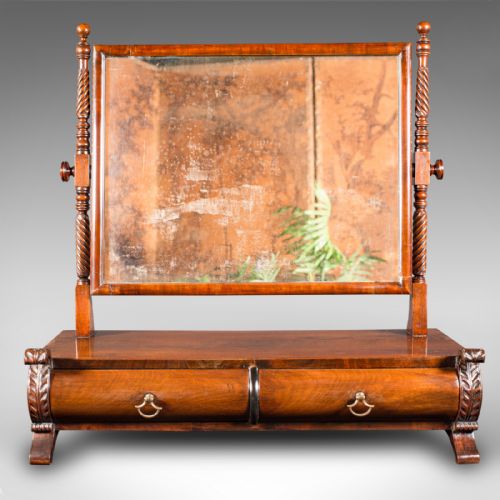

Victorian Flame Mahogany Vanity
A victorian flame mahogany vanity brings deep timber grain and adjustable mirrors together to anchor a traditional dressing routine.
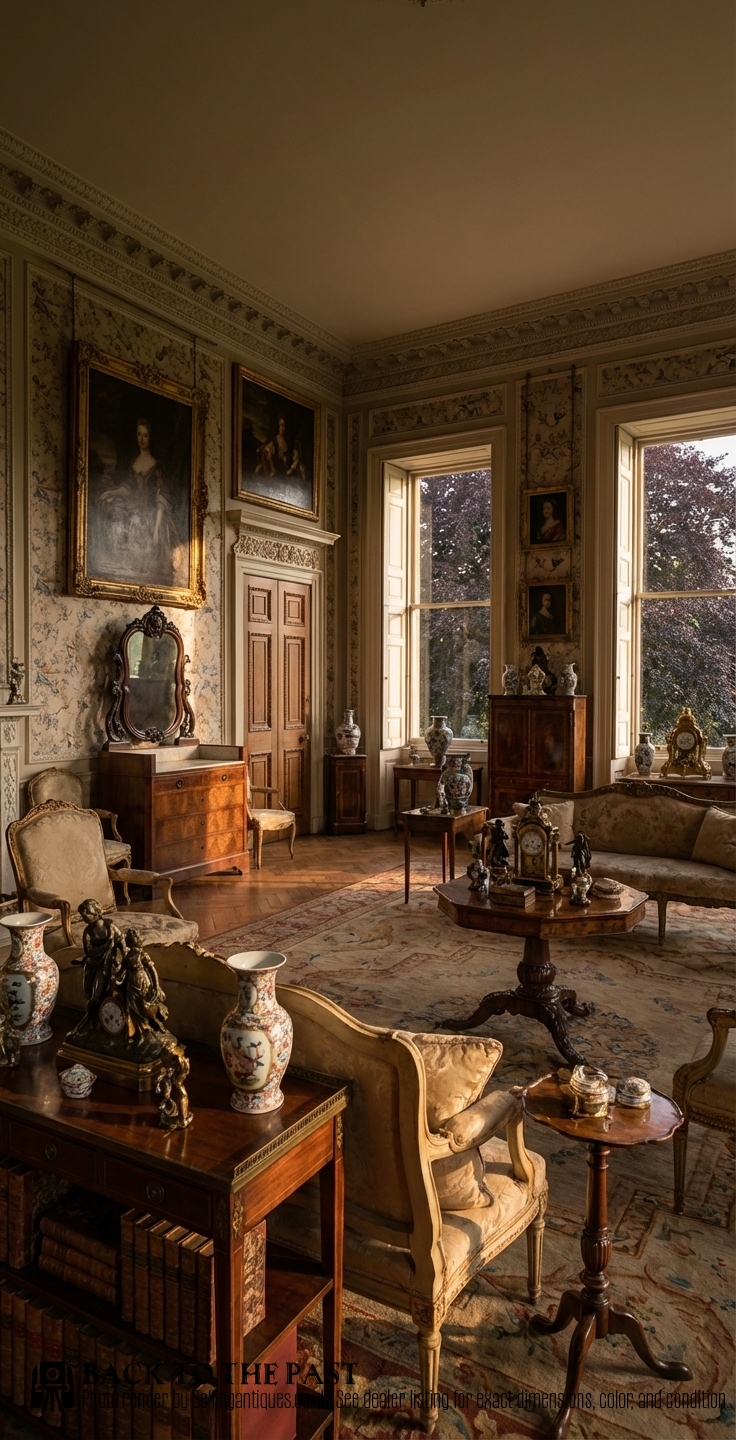
Victorian Flame Mahogany Vanity
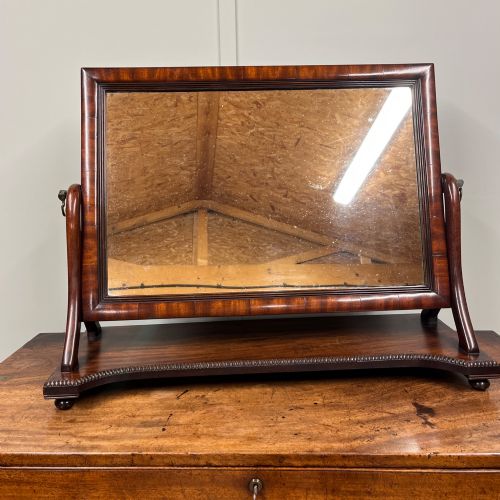
When you search for victorian flame mahogany vanity pieces, you encounter a clear split between tabletop swing mirrors and larger dressing tables or duchess forms. The majority of surviving examples take the form of adjustable toilet mirrors and swing glasses designed to sit atop a chest or dedicated base.
These items originate predominantly from the nineteenth century, spanning periods from early Victorian to late century work. Makers utilised rich timber figures to create functional bedroom furniture that doubled as decorative focal points.
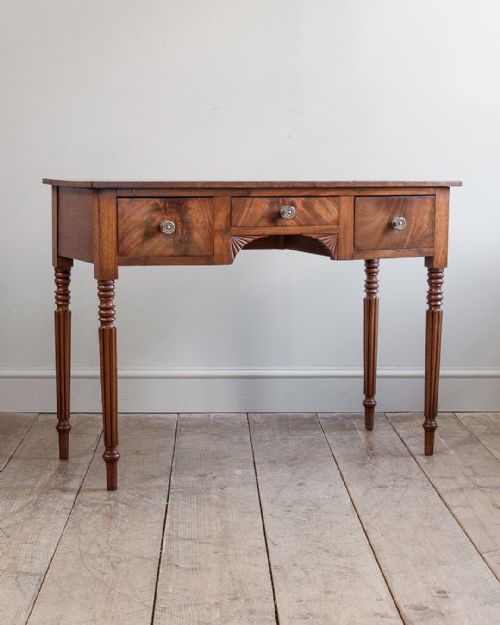
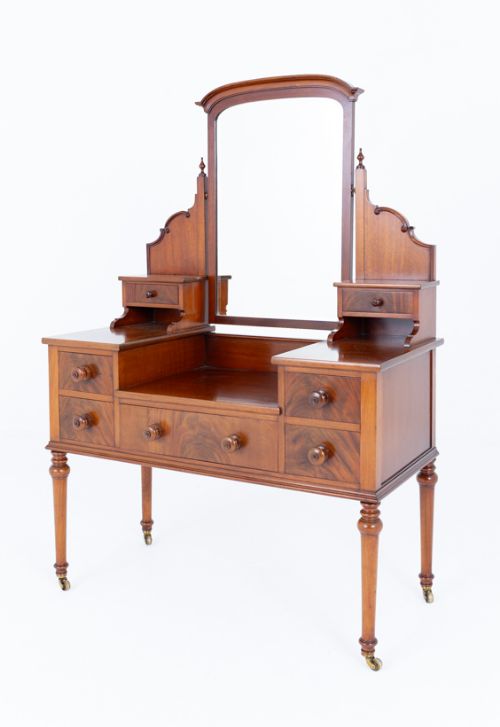
Smaller tabletop mirrors often feature compartmented three-drawer bases supported by carved uprights and small feet. Larger formats incorporate full tables with serpentine fronts or barrel-shaped compartments for daily grooming.
Materials and construction
Cabinet makers applied figured flame mahogany veneer over solid secondary timbers to create the characteristic rippled grain pattern across the mirror frames and drawer fronts. This technique maximised the visual impact of expensive wood stocks by displaying symmetrical grain arrangements.
Structural elements incorporated brass pivot screws, brackets, and sometimes candle sconces to support the tilting mirror glass. Wood veneer and solid mahogany built up the carcase work, while original mirror glass provided the reflective surface.
The listed inventory combines compact tabletop swing mirrors with larger freestanding duchess tables and occasional tables in mahogany.
Distinguishing quality grades
The standard of a victorian flame mahogany vanity rests upon the selection and bookmatching of the veneer across prominent surfaces. Finer pieces display intense, undulating grain figures that catch the light, whilst simpler examples rely on plainer mahogany boards.
Construction details such as hand-cut dovetails in the drawer boxes and the crispness of carved scroll supports separate workshop standards. Superior specimens retain their original brass hardware, glass plates, and deep polished finishes without later alterations.
The Victorian Flame Mahogany Vanity Glossary
- Flame mahogany veneer
- A thin slice of mahogany timber cut from the fork of the tree where branches meet the trunk, producing a distinctive flickering flame pattern. This decorative surface defines the aesthetic appeal of higher grade Victorian bedroom pieces.
- Swing mirror
- A looking glass mounted on vertical pivots or arms that allows the user to tilt the angle of reflection. These units typically sit within a supportive frame attached to a weighted base or drawer box.
- Duchess dressing table
- A large Victorian dressing table featuring a grand central mirror flanked by smaller drawers or trinket boxes. It represents the more elaborate evolution of the simpler vanity table.
- Serpentine front
- A furniture front curved in a concave-convex-concave shape, demanding advanced woodworking skill to construct. This contour appears on select drawer bases to add visual movement.
- Squashed bun foot
- A flattened spherical wooden foot commonly found supporting nineteenth-century cabinet work and mirror bases. It lifts the piece slightly off the surface while providing a stable footprint.
Victorian Flame Mahogany Vanity: Frequently Asked Questions
How do I date a Victorian vanity mirror?
Dating relies on combining the timber choice, construction methods, and stylistic cues found in the supports and drawer bases. Earlier pieces from the mid-nineteenth century often display sharper hand-carved details and simpler proportions compared to later Victorian iterations.
Examine the backboards, screw types, and secondary woods inside the drawers for further clues. Original mirror glass with slight bevels or minor age foxing also helps anchor the piece to its manufacturing period.
Can these mirrors be separated from their bases?
Most tabletop vanity mirrors are designed as two distinct components joined by brass pivot screws and side arms. The mirror frame lifts out of the supporting uprights once the tension screws or nuts are removed.
While dismantling makes transport safer, the glass frame and base are intended to remain together as a single functional unit. Original matching pairs of mirrors and bases share identical timber grain characteristics and wear patterns.
Where should I place a vanity in a modern room?
A tabletop dressing mirror sits securely on top of a sturdy chest of drawers, sideboard, or dedicated dressing table surface. Ensure the supporting furniture matches the depth and weight of the mirror frame to maintain stability.
Position the piece near a natural light source to make best use of the adjustable swing glass. The rich mahogany tones pair naturally with traditional interiors as well as contrasting minimalist spaces.
What maintenance does flame mahogany veneer need?
Protect the polished wood surface by keeping the piece away from direct sunlight and sources of extreme heat. Consistent room temperatures prevent the veneer from drying out or lifting away from the carcase.
Dust the timber gently with a dry, soft cloth and avoid commercial aerosol polishes containing silicone. Occasional application of quality beeswax feeds the historic polish and preserves the depth of the grain.