
Victorian Fireside Reading Chair
A victorian fireside reading chair offers deep comfort and traditional form, built for long hours with a book by the hearth.
Victorian Fireside Reading Chair
A victorian fireside reading chair encompasses large upholstered armchairs, wing chairs, and library seats designed for domestic comfort during the nineteenth century. These pieces emerge primarily from the Victorian period alongside Regency and William IV eras, capturing the robust domestic ambitions of English country houses.
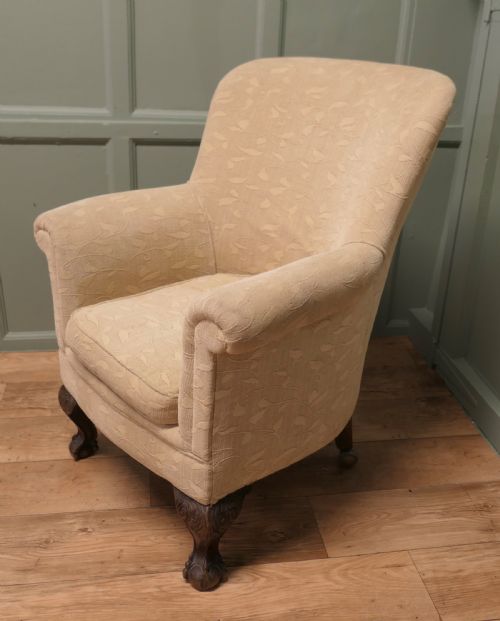
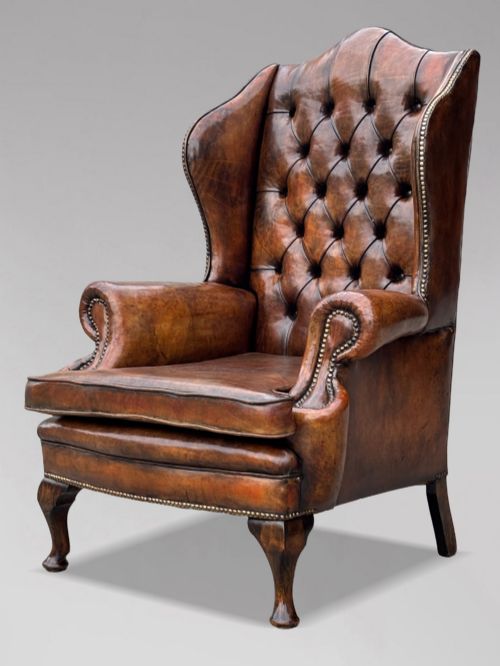
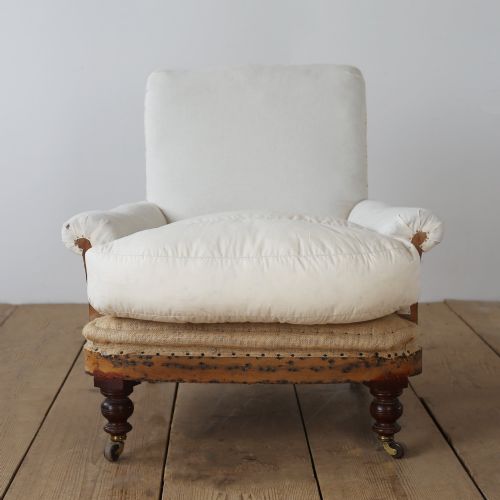
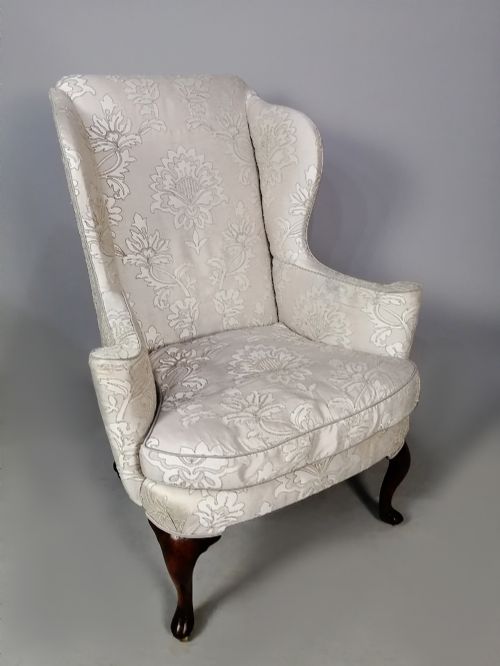
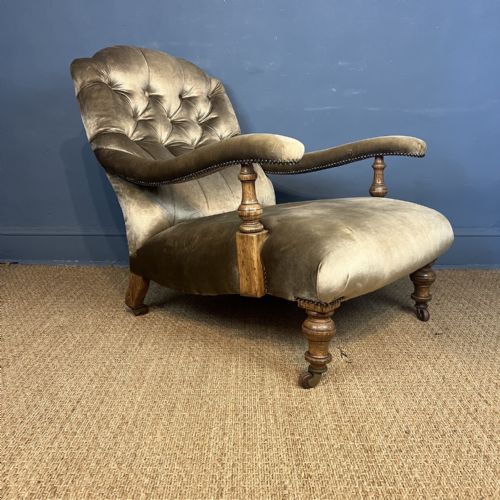
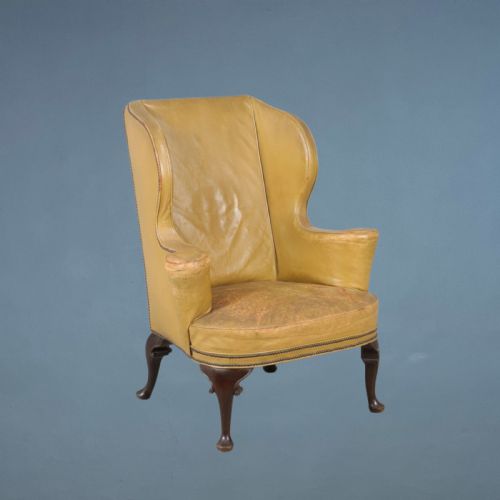
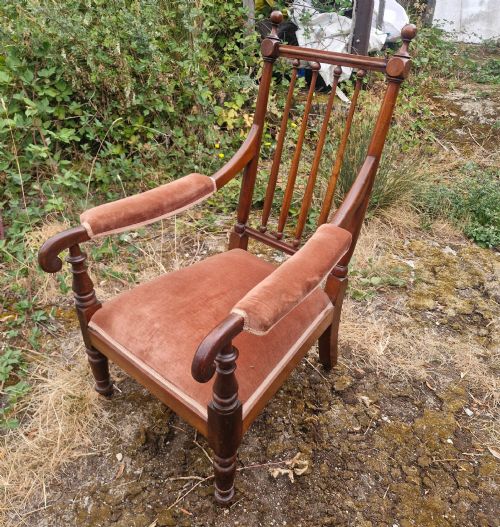
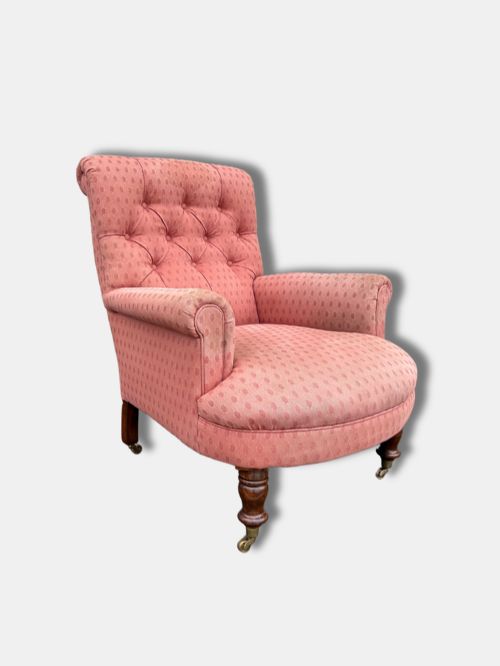
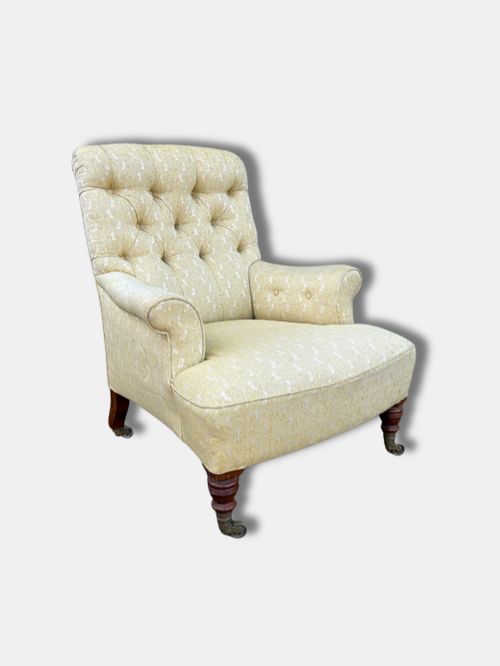
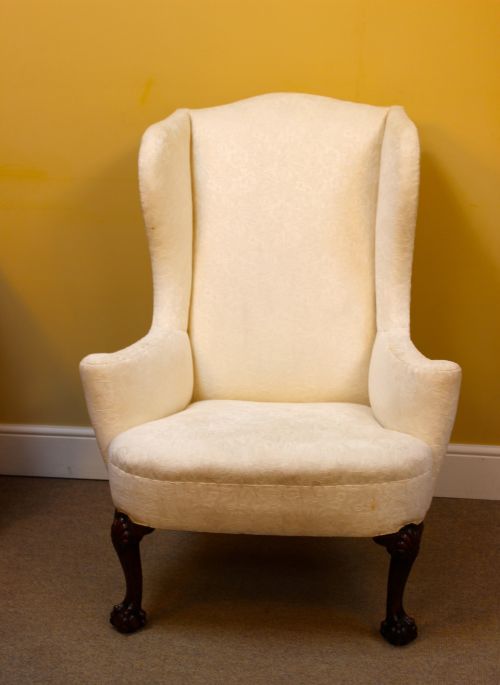
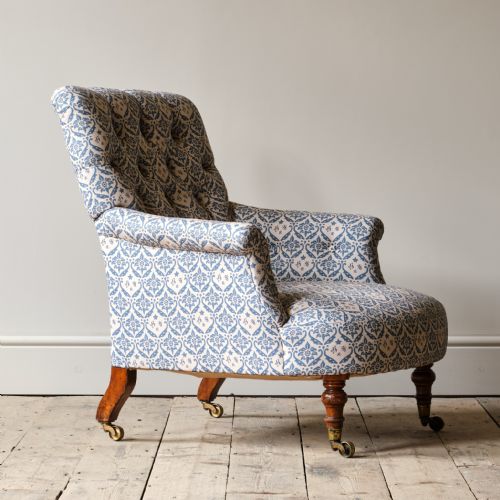
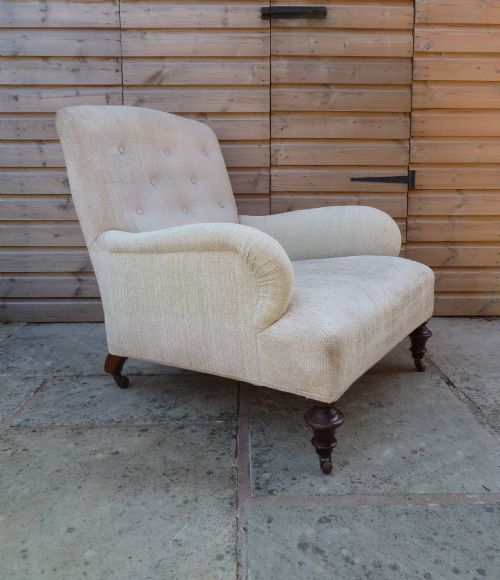
The most common form encountered on this page is the wing armchair, often featuring deep buttoning and protective side panels originally meant to block draughts. Wooden frames support substantial cushioning, appearing in configurations ranging from low spindle backs to expansive padded seating.
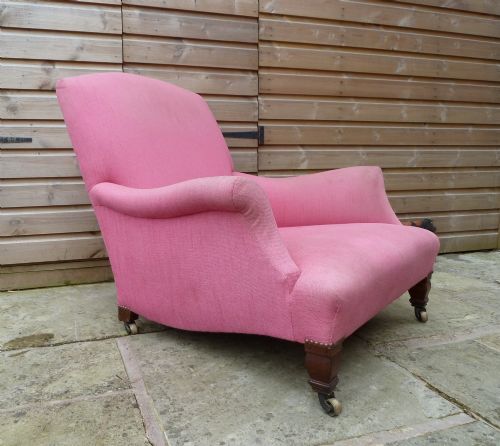
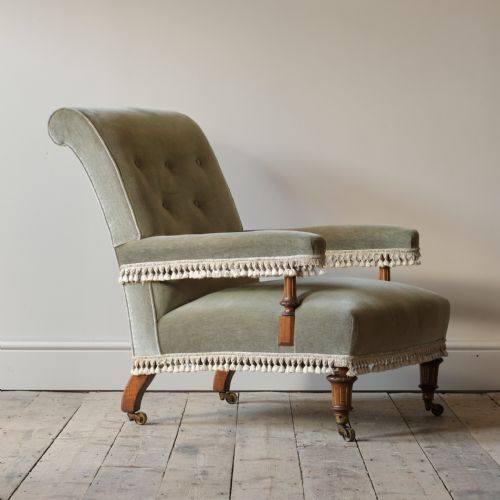
Stylistic influences span widely across the listings, showing revivals of Queen Anne and Carolean manners alongside maker-led designs in the style of Howard and Sons. Buyers will find both open armchairs in mahogany and walnut, and fully enclosed upholstered reading chairs covered in velvet, leather, and calico.
Materials and Construction
Frames rely upon dense hardwoods such as mahogany, walnut, and oak, providing the structural skeleton necessary to support deep upholstery and heavy daily use. Turning and carving shape the exposed legs and arm supports, reflecting prevailing cabinet-making standards of the nineteenth century.
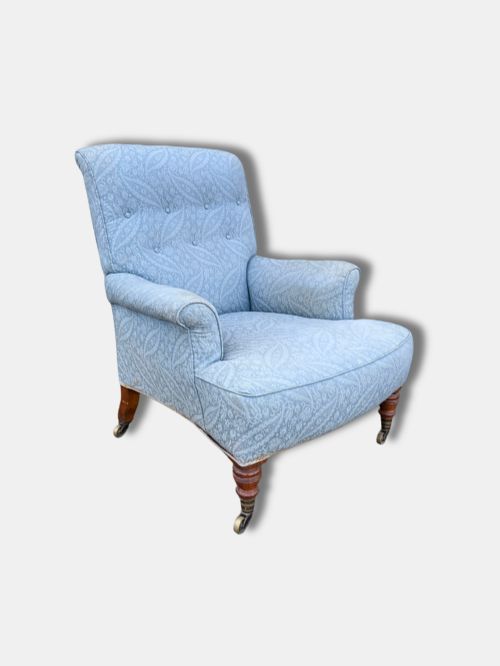
Upholstery techniques utilise traditional stuff-over methods combined with buttoning and springing to create resilient seating surfaces. Outer coverings span durable brown leather, velvet, chenille twill, and calico, often finished with brass nail-heading along the wooden framing.
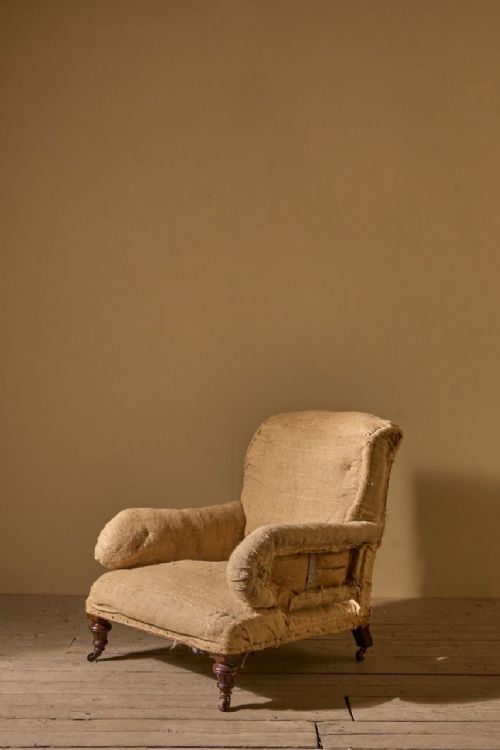
Materials span sturdy mahogany, walnut, and oak frames dressed in velvet, leather, calico, and hessian.
Distinctions in Quality
Quality rests upon the integrity of the underlying hardwood frame and the sophistication of the joinery beneath the upholstery. Pieces with robust walnut or mahogany frames and disciplined joinery hold their structural firmness across generations of sitting.
The refinement of the upholstery work and the selection of covering materials dictate the visual standing of each chair. Deep buttoning executed with precision and high-grade leather or velvet distinguish master workshops from standard regional production.
Howard and Sons·Gillows·Mellier and Co
The Victorian Fireside Reading Chair Glossary
- Wing armchair
- An upholstered seat featuring projecting side panels designed to shield the occupant from hearth draughts. These panels form an integral part of the padded backrest.
- Button back
- An upholstery method where depressions are created across the padded surface by pulling cords or threads tight and securing them with buttons. This pattern maintains the internal stuffing distribution.
- Spindle back
- A chair back constructed with a series of thin, turned wooden vertical rods. This construction lightens the visual weight of the timber frame.
- Stuff-over
- An upholstery technique where the fabric covers the frame completely, leaving little to no exposed wood except for the legs. It maximises the padded surface area of the chair.
Victorian Fireside Reading Chair: Frequently Asked Questions
How do I spot a genuine nineteenth-century reading chair?
Examine the timber beneath the upholstery and look for hand-cut joinery consistent with nineteenth-century workshop practices. Hand-turned wooden legs and period secondary woods inside the frame offer reliable indicators of age.
Compare the proportions and weight of the frame against documented examples from the era. Heavy hardwoods and traditional stuffing methods separate nineteenth-century originals from later reproductions.
Were these chairs used exclusively beside fireplaces?
While the high wings and enclosed sides were designed to trap heat from the hearth, these seats also served in libraries and drawing rooms for reading and letter writing. Their substantial padding suited any room intended for prolonged relaxation.
Domestic interiors of the period placed comfortable seating wherever reading or quiet conversation took place. The versatile forms adapted easily from bedroom to parlour use.
What maintenance do leather and fabric upholstery require?
Leather surfaces benefit from periodic treatment with appropriate conditioning creams to prevent the hide from drying and cracking over time. Gentle dusting maintains the finish without harming the natural material.
Fabric and velvet coverings require regular light vacuuming using a soft brush attachment to lift surface debris. Professional cleaning is recommended for deeper textile restoration to protect the underlying fibres.
How do I distinguish between Regency and Victorian styles?
Regency chairs often display classical influences with restrained carved mahogany frames and cleaner structural lines. They reflect earlier nineteenth-century aesthetic preferences before ornate revival styles gained popularity.
Victorian pieces frequently embrace bolder curves, buttoned upholstery, and revivals of earlier historic manners like the Queen Anne style. The padding becomes more pronounced and embraces heavier textile coverings.