


Victorian Fireplace Stand
These pieces for a victorian fireplace stand bring warmth and hearthside utility together, offering brass, iron, and mahogany furniture designed to frame the grate.
Victorian Fireplace Stand
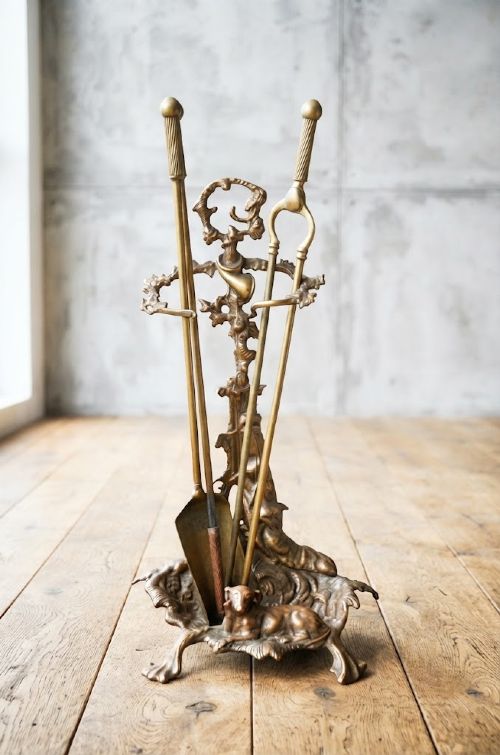
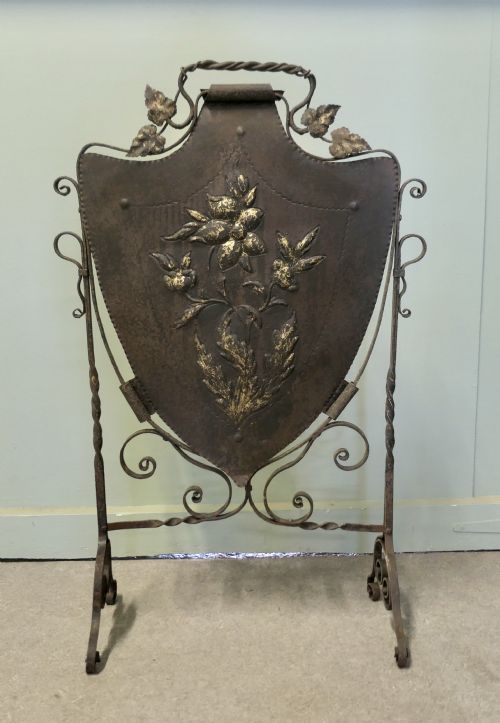
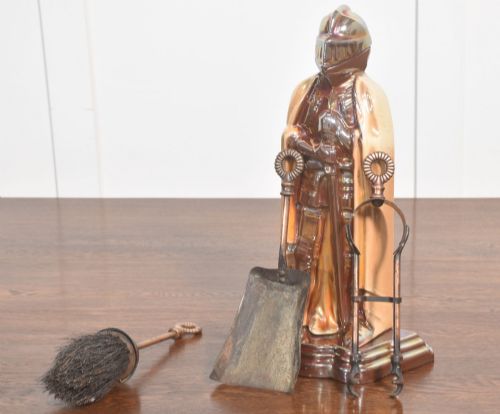
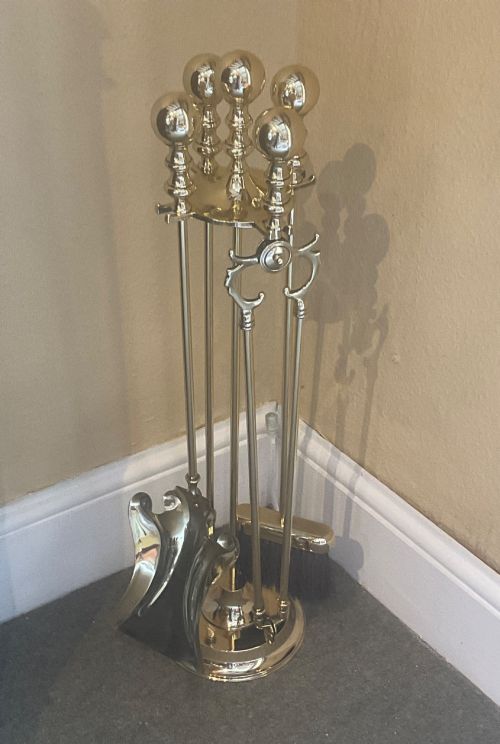
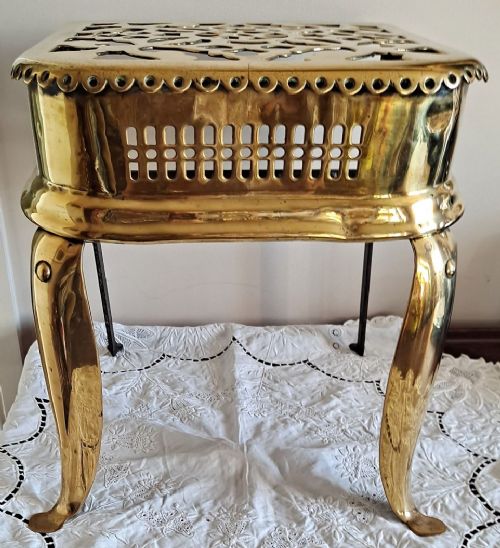
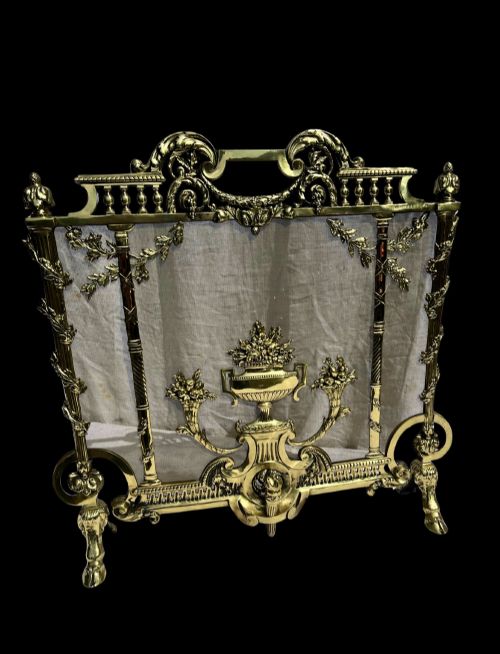
When you search for a victorian fireplace stand, you encounter a wide array of hearth furniture including companion sets, fire screens, trivets, and footmen. These items served practical roles beside coal-burning grates, warming plates or blocking radiant heat while organising fireside tools.
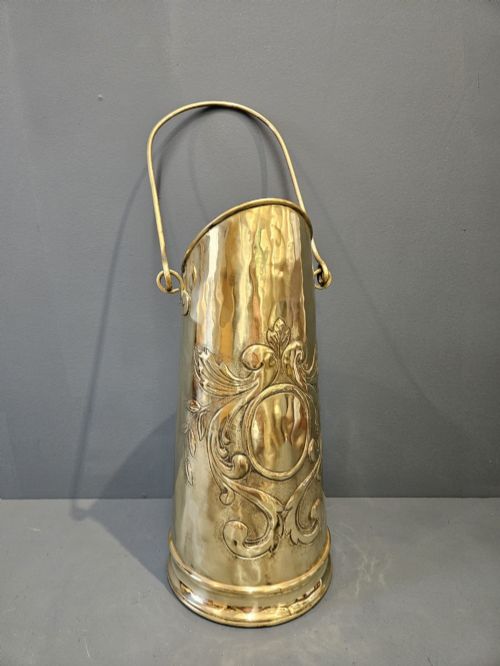
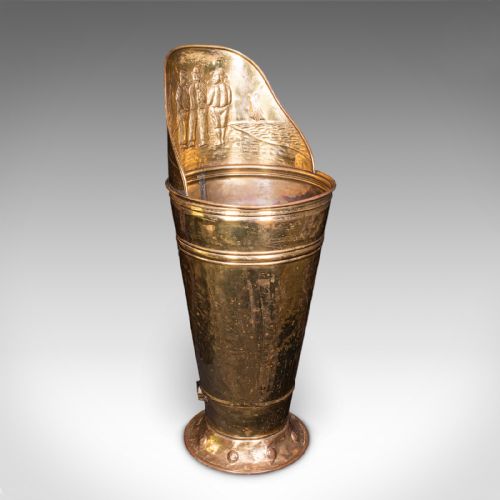
The selection on this page leans heavily toward brass and cast iron objects from the nineteenth century, alongside mahogany pole screens and needlework panels. You find utilitarian pieces like footmen alongside decorative brass coal scuttles and umbrella stands reflecting diverse stylistic influences.
Originating largely from English workshops across the Victorian era and into the early twentieth century, these stands utilise traditional materials suited to daily use near open flames. They bridge the gap between heavy industrial metalwork and refined interior decoration.
How they were made
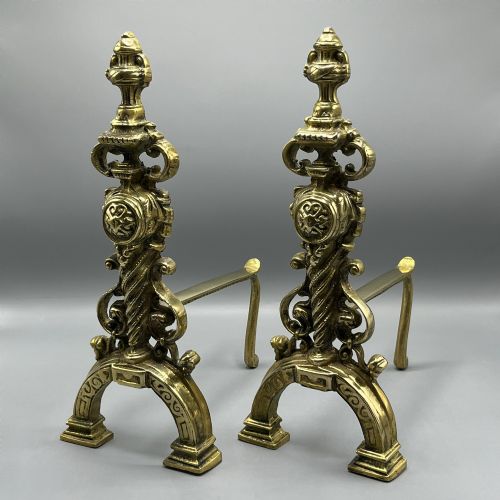
Makers relied on durable metals such as brass, cast iron, and wrought steel to withstand the intense heat of the hearth. Foundry workers cast iron and brass into robust fire dogs and companion sets, often finishing surfaces with detailed hand-chasing.
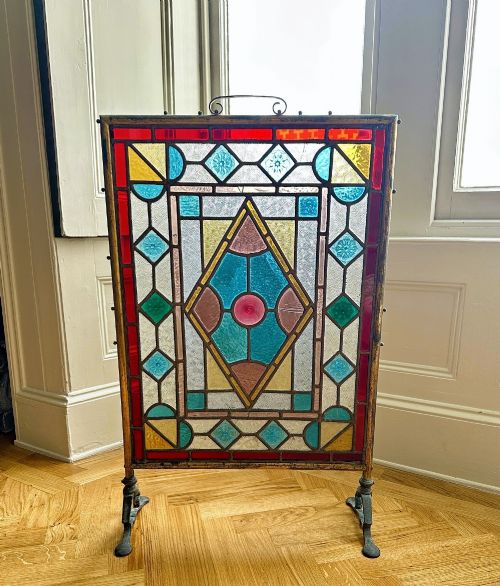
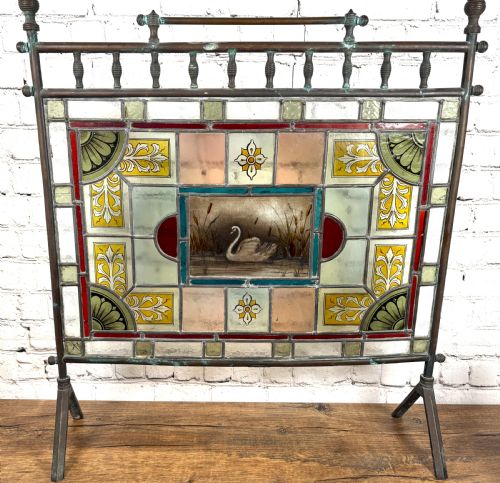
Woodworking traditions also shaped these items, utilising mahogany and rosewood for pole screens and cheval frames. Artisans combined these timber structures with fine textiles, needlework samplers, or stained glass panels.
The assembly often involved fitted iron brackets, turned wooden shafts, and riveted metal joints designed to maintain structural stability under continuous domestic use.
Listings feature items spanning the nineteenth century through the early twentieth century, constructed from brass, cast iron, mahogany, and stained glass.
What varies in quality
The calibre of a piece depends largely on the weight of the metal and the crispness of the casting. Substantial, heavily cast brass and thick iron display sharper detail in decorative motifs than lighter, mass-produced alternatives.
Material pairing also dictates distinction, particularly in screens where hand-stitched needlework, silk embroidery, or leaded stained glass meet well-turned wooden frames. Refined proportion and balanced structural joinery elevate everyday fireside furniture into accomplished decorative art.
Frederick J Smith & Co
The Victorian Fireplace Stand Glossary
- Andirons
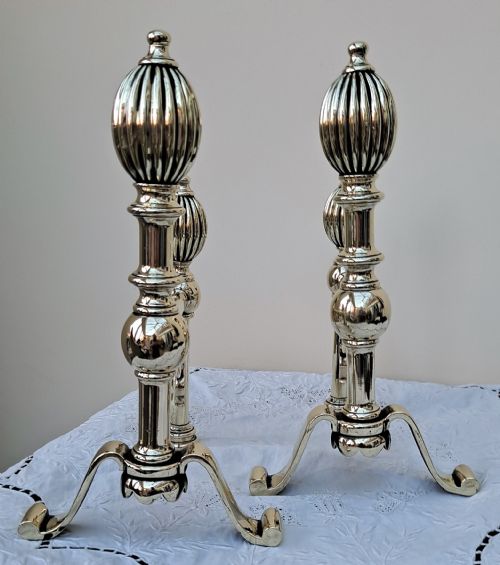
- Heavy metal supports placed in a fireplace to hold logs above the hearth for better airflow. They often feature decorative brass fronts.
- Footman
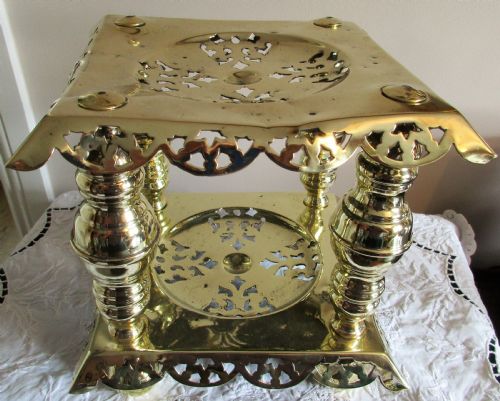
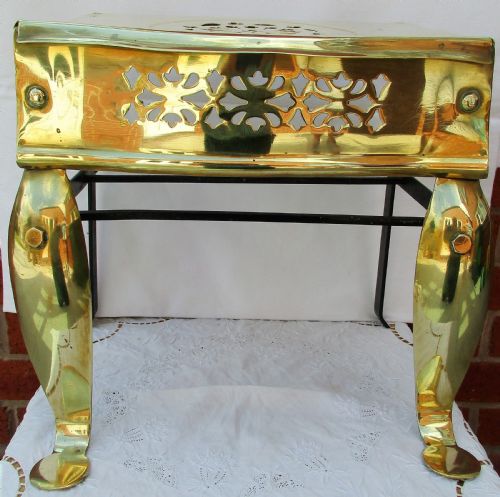
- A metal stand placed before the fire to keep plates or kettles warm. These items are typically constructed from brass and steel.
- Pole screen
- An adjustable panel mounted on a vertical wooden stand to shield a person's face from the direct heat of the fire. The panels frequently feature needlework or embroidery.
- Trivet
- A small three-legged stand used to support cooking vessels near the hearth. Many examples from this period utilise polished brass.
Victorian Fireplace Stand: Frequently Asked Questions
What is a footman used for?
A footman acts as a small metal table placed directly in front of the hearth. It allows occupants to warm plates or keep kettles hot close to the fire.
These pieces were essential before modern kitchen ranges became common in every home.
Are brass companion sets original?
Many companion sets combine cast brass pokers, shovels, and tongs held within a dedicated stand. These groupings often match the period of the surrounding fireplace accessories.
Checking the weight of the metal helps determine the standard of manufacture.
Where were fire screens placed?
Fire screens stood between the seating area and the fireplace grate when the hearth was not actively burning coal or wood. They hid the empty grate during warmer months.
Stained glass and needlework panels added colour to the room when the fire was out.