

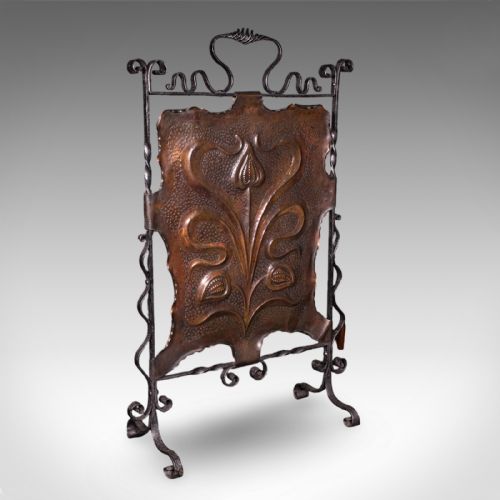


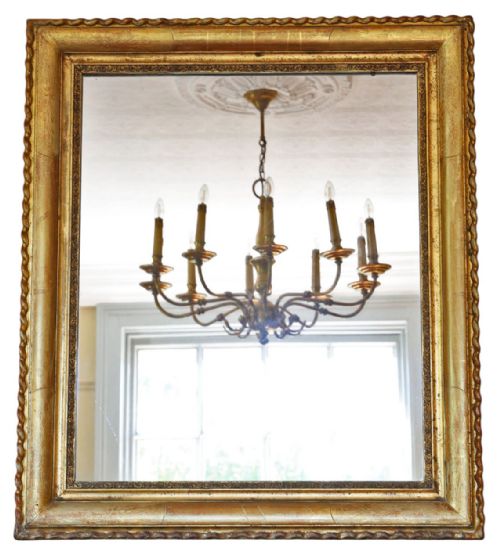


Victorian Fireplace Decor
Victorian fireplace decor brings warmth and functional character to a hearth through heavy brass, copper, and cast iron.
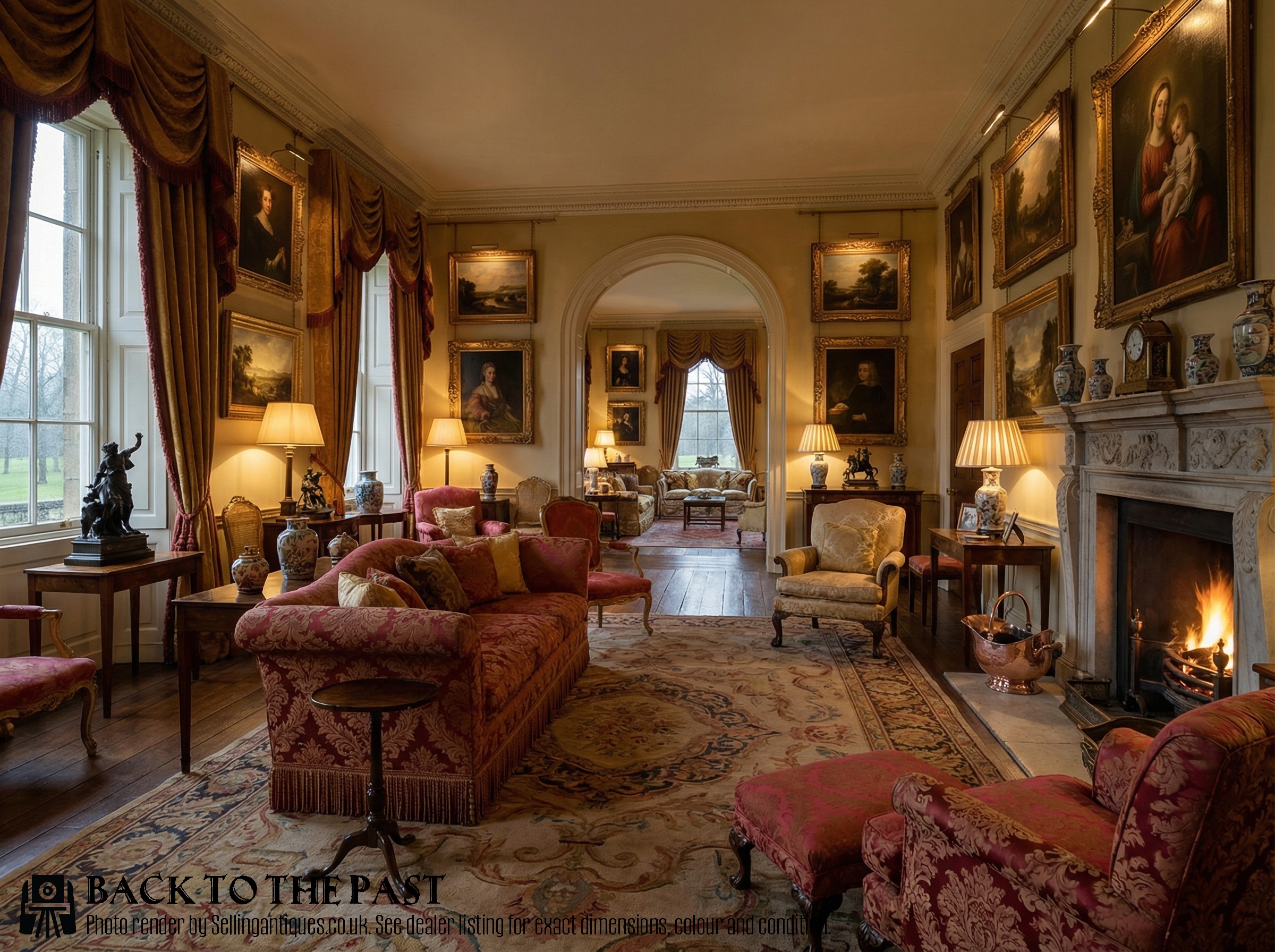
Victorian Fireplace Decor
When you search for Victorian fireplace decor, you encounter a robust assortment of hearth furniture and decorative ornaments designed for nineteenth-century domestic spaces. The selection ranges from heavy coal scuttles and coal helmets in polished copper and brass to utilitarian fire dogs, andirons, and fire screens.
The objects stem predominantly from the nineteenth century and the Edwardian era, reflecting both English country house tastes and continental influences such as Grand Tour bronzes and Art Nouveau reflectors. Each piece illustrates how utility and ornamentation combined around the hearth.
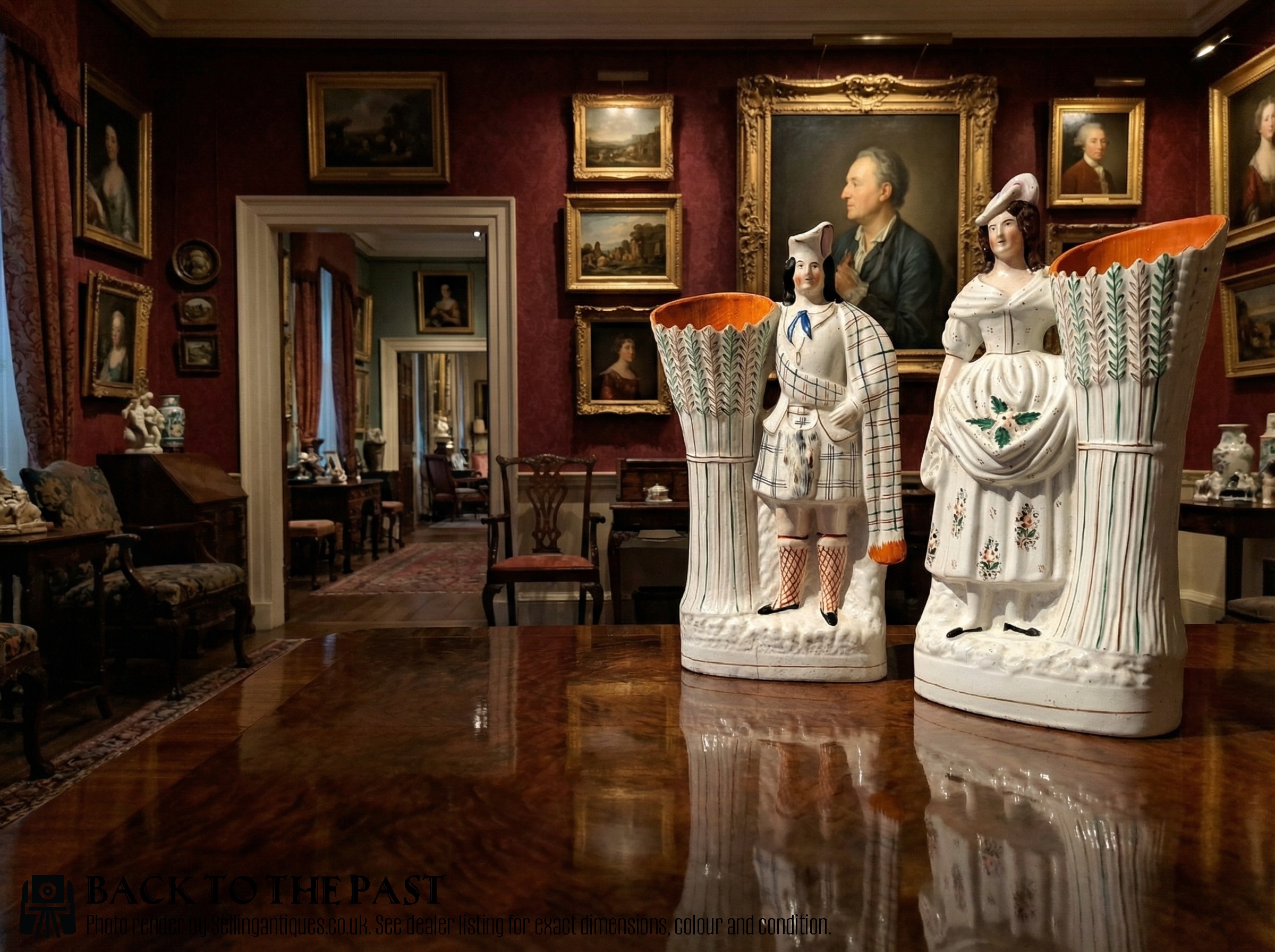
How they were made
Makers utilised durable metals like cast iron, heavy brass, and sheet copper to withstand intense hearth heat and daily domestic wear. Coal scuttles and helmets often combined hammered sheet copper with cast brass handles and feet, joined by rivets.
Foundry work predominated for heavier items like fire backs, fire dogs, and mantel clocks, utilising sand casting to achieve relief decoration such as heraldic motifs or maritime scenes. Pottery ornaments and spill vases were slip-cast in earthenware and hand-painted with coloured glazes.
Victorian Fireplace Decor Retail Price Guide 2026
Typical asking prices for victorian fireplace decor among the pieces listed under this phrase on Sellingantiques today, from the lower quarter to the upper quarter. They describe what is for sale here now, not the wider market.
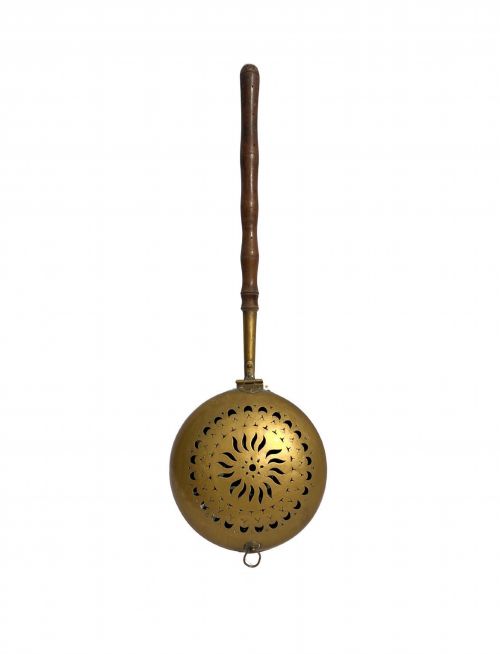
Common hearth forms include coal helmets, warming pans, spill vases, and decorative fire screens.
What varies in quality
The distinction between standard utility items and exceptional hearth furnishings rests on the weight of the metal and the crispness of the casting. Heavy gauge brass and thick copper plate retain their structural integrity and polish better over generations than thin, pressed sheet alternatives.
Artistic execution also separates the ordinary from the superior, particularly in embossed brass fire screens, figural andirons, and Staffordshire earthenware animals. Finer pieces demonstrate careful hand-chasing on metalwork and detailed facial expressions on pottery figures rather than mass-produced uniformity.
Benham & Froud·Henry Loveridge
The Victorian Fireplace Decor Glossary
- Andirons
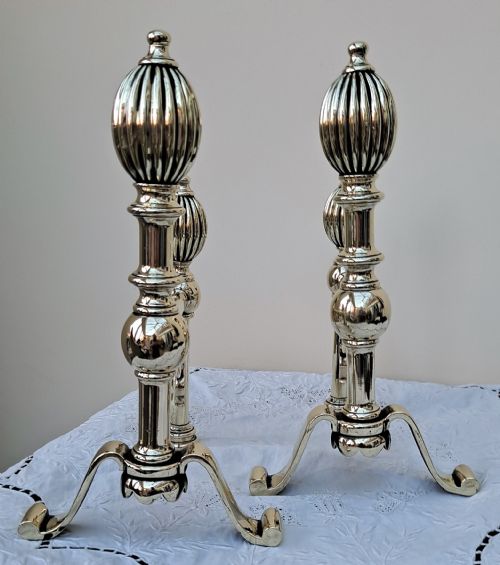
- Iron or brass supports placed in a hearth to raise logs for better air circulation. They often feature decorative frontal pillars or figural finials.
- Coal Scuttle
- A container designed for holding and transporting coal to the fire. Versions in this tradition include helmet-shaped buckets and lidded bins.
- Fire Screen
- A decorative panel placed before an unused fireplace to block draughts or hide the grate. Many examples utilise bevelled glass or embossed brass panels.
- Spill Vases
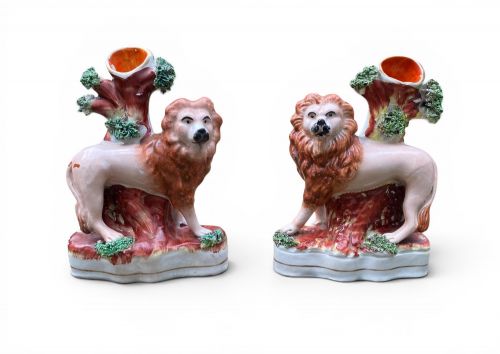
- Small ceramic or metal vessels holding thin wood spills used to transfer fire from hearth to candle or pipe. Staffordshire potteries frequently shaped these as lions or figures.
- Fire Back
- A heavy cast iron plate placed at the rear of a fireplace to reflect heat into the room and protect the masonry. They frequently display heraldic or decorative relief moulding.
Victorian Fireplace Decor: Frequently Asked Questions
What are Victorian fireplace accessories made of?
The pieces rely heavily on durable metals like brass, copper, cast iron, and bronze, alongside earthenware ceramics. Wood and glass also appear in items such as fire screens and coal bins.
These materials were chosen for their ability to endure high heat while providing a polished, decorative focal point in the Victorian parlour.
How do you use a coal scuttle?
Coal scuttles and helmets were designed to store coal near the fireplace and transport it cleanly to the grate using attached handles and a matching shovel.
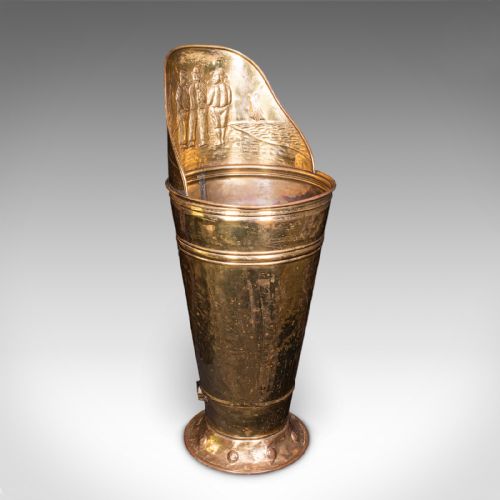
In contemporary interiors, these sturdy metal vessels serve well as decorative umbrella stands, log holders, or fireside storage bins.
What is the purpose of a fire screen?
Historical fire screens served to shield the room from the radiant heat of an expiring fire or to conceal an empty, unlit hearth during warmer months.
Today, they function as decorative room dividers or wall reflectors, often showcasing embossed brass or bevelled glass panels.
How do I identify Victorian brasswork?
Victorian brass items typically exhibit substantial weight, hand-finished riveted construction, and warm golden tones developed through decades of polishing. Maker marks or stamps occasionally appear on the base of scuttles and coal buckets.
Unlike later reproductions, genuine nineteenth-century pieces display minor irregularities from hand-hammering and casting.