

Victorian Fire Curb
A victorian fire curb frames the hearth, containing embers while grounding the room with bright metal or dark iron.
Victorian Fire Curb
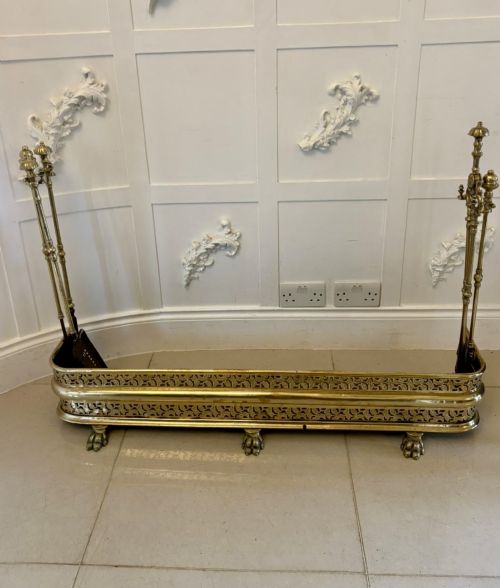
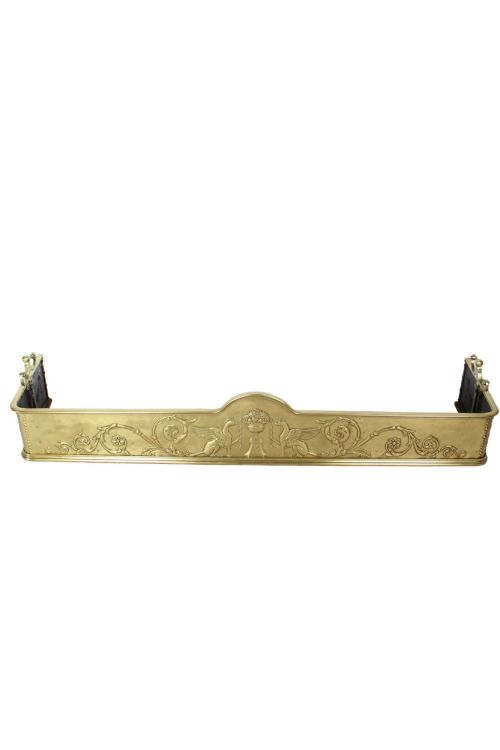
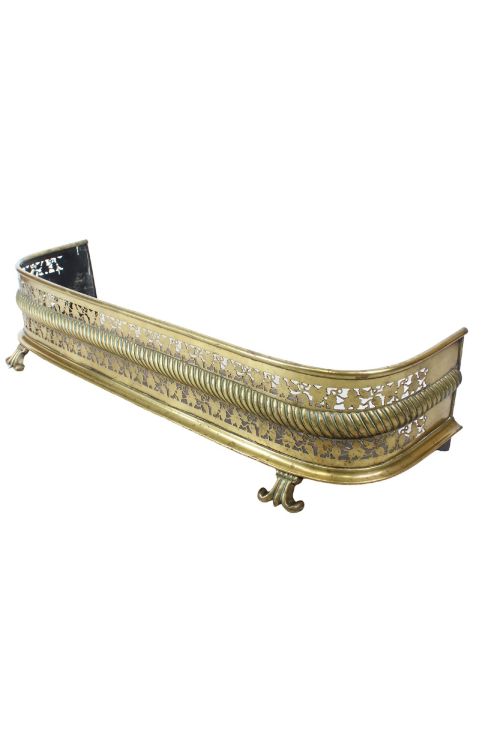
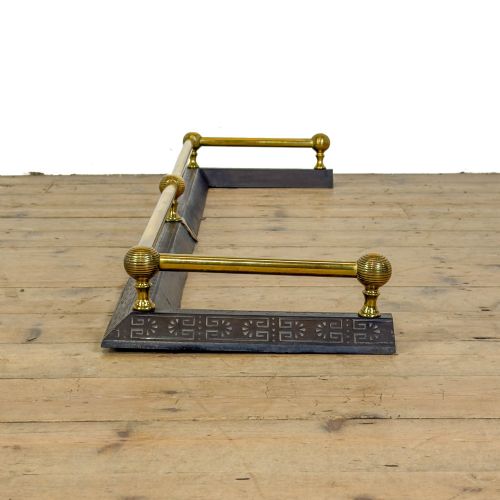
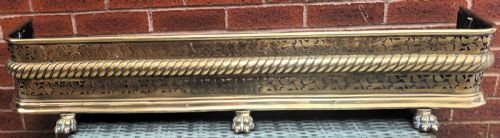
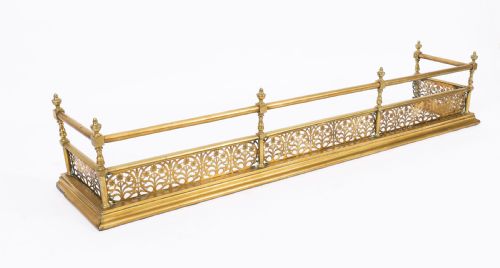
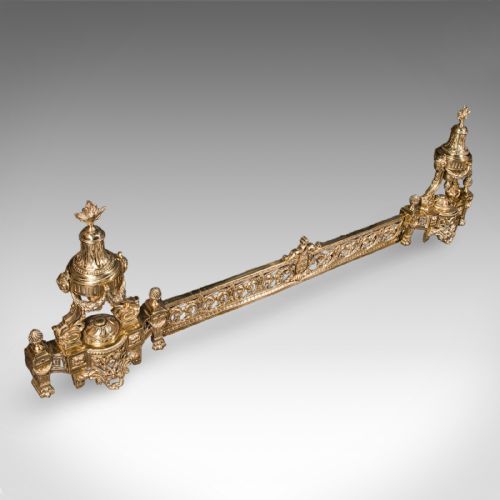
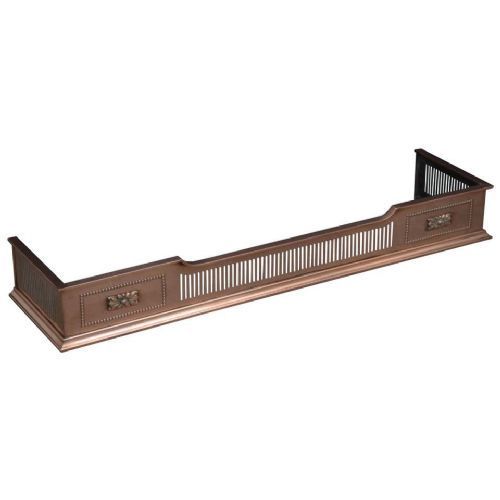
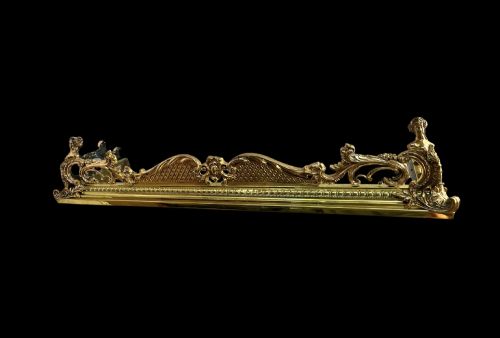
A victorian fire curb, also called a fender or kerb, sits on the hearth around the fireplace opening to catch falling coals and protect the floor. The examples available span the nineteenth century into the edwardian era, taking forms from simple adjustable rails to substantial architectural guards.
How they were made
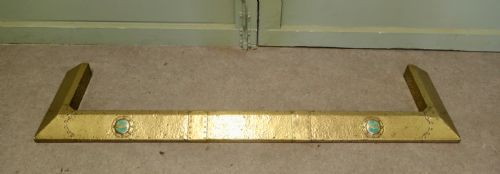
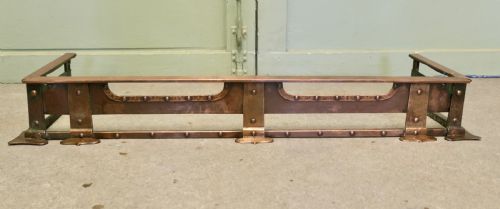
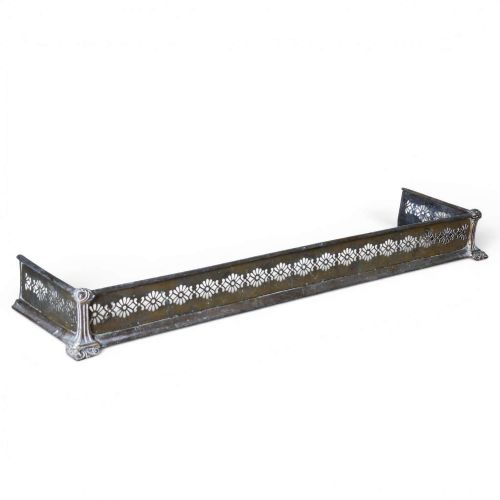
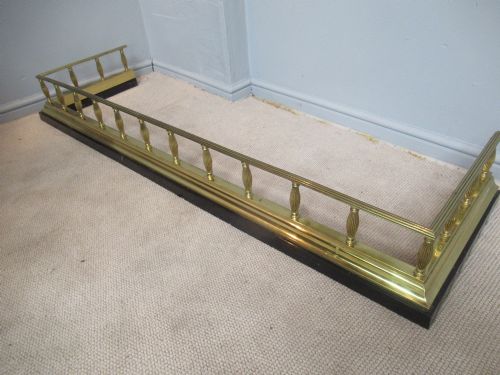
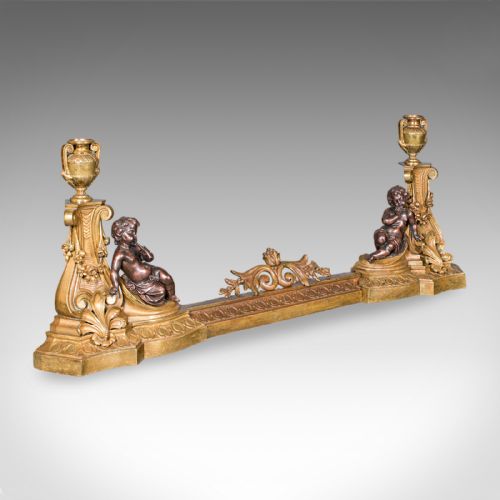
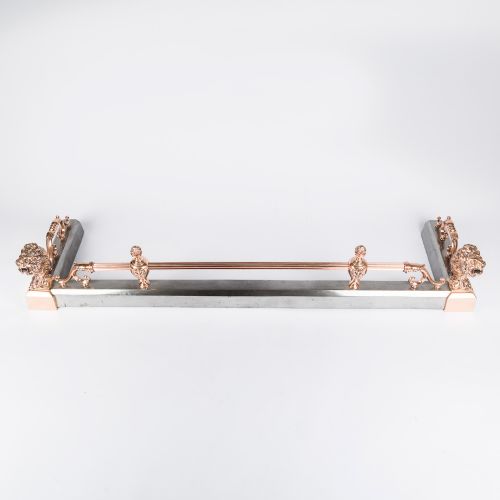
Maker workshops utilised sheet brass, cast iron, and heavy steel, often combining polished brass with blackened iron or bronze details. Piercing, riveting, and beating shaped the metal panels, while applied decorations like green enamel cabochons, flower patera, and lions added decorative contrast.
Many items incorporated extending mechanisms to fit various hearth sizes, joining metal sections with precise corner brackets. Surface finishes ranged from bright polished brass to patinated copper and dark cast iron.
Listings span the victorian and edwardian periods, featuring materials such as brass, iron, copper, steel, bronze, and gilt bronze.
What varies in quality
The distinction between standard utility hearth furniture and finer pieces lies in the weight of the metal gauge and the crispness of the pierced or beaten details. Heavier brass and thick cast iron structures maintain their shape under heat and heavy daily use.
Design ambition separates basic rails from exceptional examples, such as those featuring hand-hammered arts and crafts surfaces, riveted copper, or detailed neoclassical casting. Original components like matching fire irons or integrated club seats elevate the standing of the piece.
The Victorian Fire Curb Glossary
- Fender
- A low metal guard placed around a hearth to contain ash and burning embers. These objects protect floor coverings and provide a neat boundary for the fireplace.
- Kerb
- An alternative spelling for curb, denoting the low border surrounding the hearth. The term appears frequently in nineteenth-century descriptions of domestic metalwork.
- Patera
- A circular ornamental bas-relief resembling a classical libation dish. Makers pressed or cast these motifs into brass and copper fender rails.
- Cabochon
- An uncut gemstone or polished glass polished smooth rather than faceted. Arts and crafts pieces often set these into metal mounts as focal points.
- Club fender
- A low-seated hearth surround featuring upholstered top rails. These allowed people to sit close to the fire for warmth.
Victorian Fire Curb: Frequently Asked Questions
What is a fire curb used for?
A fire curb defines the hearth perimeter and stops rolling logs or hot coals from damaging nearby carpets and wooden floors. It creates a defined boundary for the fireplace assembly.
Historically, these guards also provided a convenient rail to steady oneself or arrange fire irons within easy reach of the grate.
How do I measure for a fender?
Measure the width and depth of your hearth stone to ensure the metal frame sits securely within the perimeter. Allow clearance for the fireplace opening and any protruding ash hearth.
Check whether the piece is fixed or adjustable, as extending designs offer flexibility for hearths that do not match standard dimensions.
How do I clean brass and copper?
Dust the metal surface gently with a soft dry cloth to remove soot and surface grime. Avoid harsh abrasive cleaners that strip historic patination and scratch softer metals like copper.
Gentle application of a mild metal polish preserves the reflective shine without removing the underlying character built up over generations.
Are these pieces adjustable?
Many nineteenth-century examples feature a sliding central section secured by a screw underneath. This allowed owners to alter the width to fit different hearths.
Fixed-width models were manufactured for specific fireplace openings and cannot be altered without modifying the metal frame.