

Victorian Fine Jewellery
Victorian fine jewellery brings together diamond, sapphire, coral, and gold pieces that collectors prize for their intricate craftsmanship and period character.
What Victorian fine jewellery is
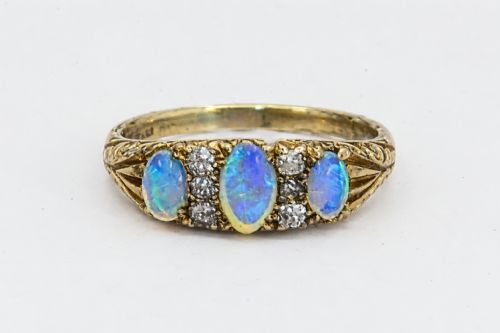
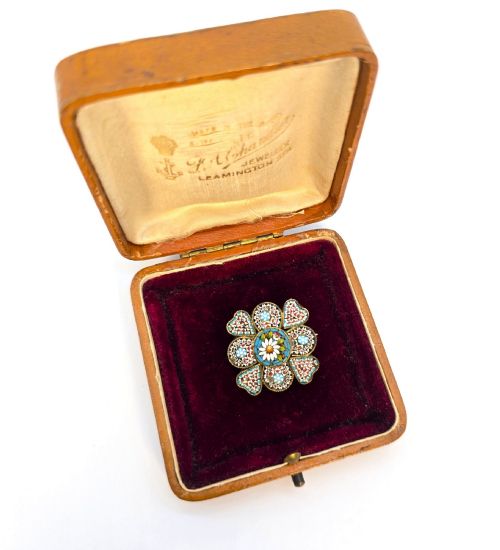
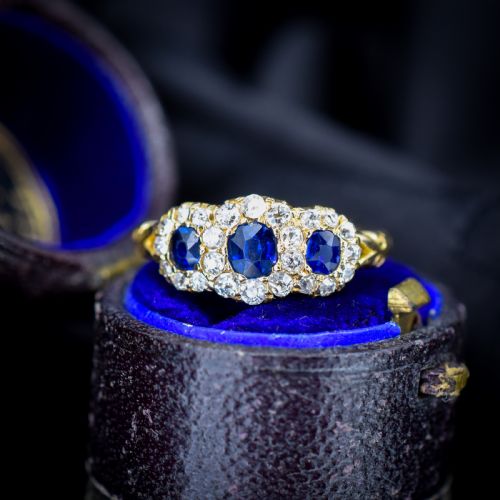
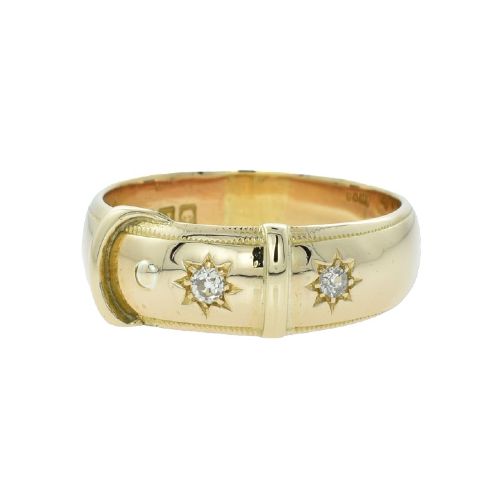
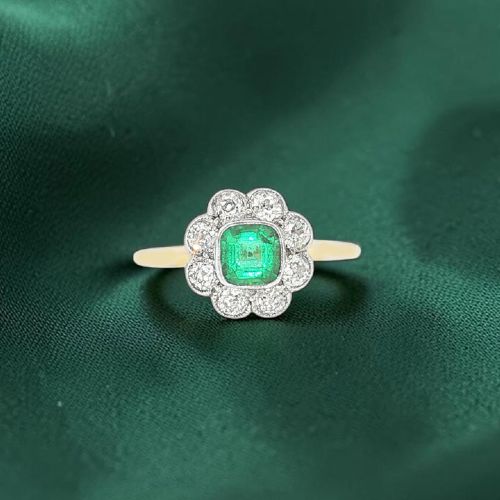
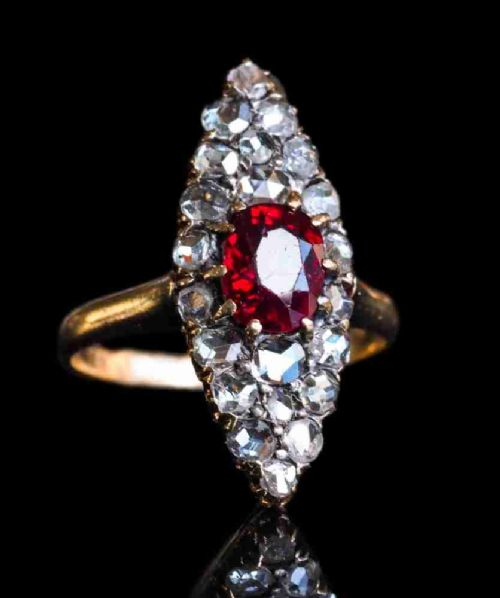
Victorian fine jewellery encompasses rings, earrings, and brooches dating from the Victorian era up to around nineteen hundred. Pieces span from diamond buckle rings and marquise cluster rings to coral bell earrings and domed cluster brooches.
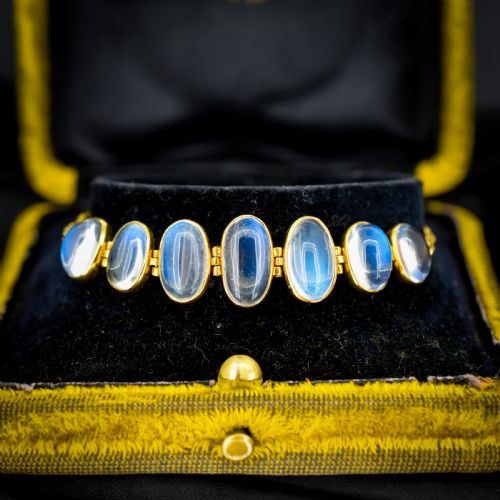
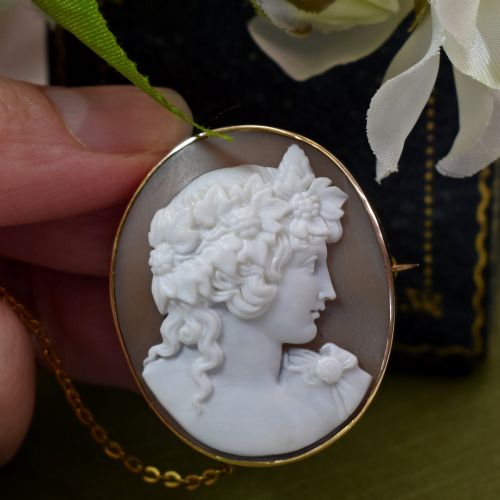
The selection ranges across distinct forms created during the period, capturing the diverse aesthetic choices of nineteenth-century makers. Buyers encounter items that reflect both everyday adornment and significant stylistic developments of the late nineteenth century.
How they were made
Maker's workshops utilised fifteen carat and eighteen carat yellow gold to form the structural foundations of rings, earrings, and brooches. Stones and organic materials were meticulously set into these precious metal mountings.
Gems such as diamonds and sapphires, alongside natural coral, were shaped into old cut facets and tiered domed clusters. Artisans employed traditional bench techniques to construct hinged, fitted, and layered designs.
Retail Price Guide 2026
Typical UK retail prices for victorian fine jewellery, calculated from the Sellingantiques database of over a million retail prices indexed since 2003. This retail price guide relies exclusively on Sellingantiques data; no external sources or auction records are used, so the figures do not describe the wider market.
Listings feature fifteen carat gold, eighteen carat gold, yellow gold, diamond, sapphire, and natural coral across rings, earrings, and brooches.
What varies in quality
Quality rests in the precision of the stone setting and the integrity of the gold work across each ring, brooch, or pair of earrings. Finer examples display harmonious proportions within complex arrangements like marquise clusters and tiered coral domes.
The selection of materials further divides standard production from superior pieces, particularly in the clarity of old cut diamonds and the deep, even tone of natural sapphires and coral.
The Victorian Fine Jewellery Glossary
- Marquise cluster
- A boat-shaped gemstone arrangement featuring a central cluster of stones flanked by tapering points. This silhouette was popular in late nineteenth-century ring design.
- Old cut diamond
- A hand-faceted diamond cut before modern machinery standardised proportions. These stones possess smaller tables and higher crowns that catch candlelight effectively.
- Salmon coral
- A specific pale orange-pink variety of natural marine coral utilised in Victorian brooches and earrings. It was frequently carved or shaped into tiered domes and bell forms.
- Buckle ring
- A ring fashioned in the likeness of a buckled belt, symbolising loyalty and attachment in Victorian jewellery. They are typically rendered in solid yellow gold with accent gems.
Frequently Asked Questions
What periods do these pieces date from?
The pieces span the Victorian era, with specific items dated around eighteen ninety, eighteen ninety-three, and nineteen hundred.
This timeframe encompasses the later decades of the nineteenth century when intricate cluster and buckle designs gained prominence.
What materials appear in this jewellery?
Makers utilised fifteen carat and eighteen carat yellow gold alongside precious gemstones including diamonds and sapphires.
Organic materials such as natural coral also feature prominently, particularly in carved earrings and tiered brooches.
How should I care for coral pieces?
Natural coral is a softer organic material that requires gentle handling and protection from harsh chemicals and cosmetics. Wipe items clean with a soft cloth after wearing rather than submerging them in liquid.
Store rings, earrings, and brooches separately to prevent scratching against harder gemstones like diamonds.
What styles define Victorian rings?
Victorian rings often incorporate symbolic motifs such as belts and buckles alongside elaborate gemstone clusters. Marquise shapes and old cut diamond settings are typical of the period's output.
Yellow gold forms the heavy base for these detailed configurations.